
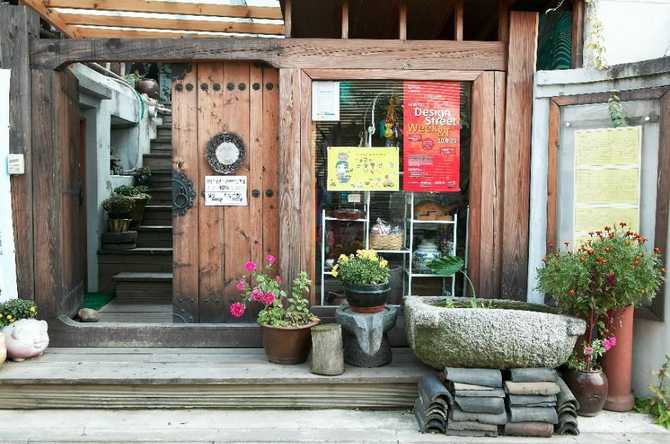
출처 : ⓒ한국관광콘텐츠랩 또는 ⓒ한국관광공사
Discover the Cultural Heritage at Seoul’s Bukchon Living History Museum
Location 서울특별시 종로구 북촌로5나길 90 (삼청동)
Location 서울특별시 종로구 북촌로5나길 90 (삼청동)
Are you interested in experiencing Korea’s rich modern history and traditional lifestyle? The Bukchon Living History Museum offers visitors an immersive journey into Seoul’s vibrant past, showcasing authentic artifacts and traditional hanok architecture. Perfect for travelers eager to understand Korea’s cultural evolution, this museum provides a unique window into daily life from the Joseon Dynasty to the 1970s.
Whether you’re a history enthusiast, a student, or a family seeking cultural enrichment, the Bukchon Living History Museum is an ideal destination. Here, you can explore over 3,000 historical items, participate in hands-on programs, and gain insights into Korea’s traditional way of living. Located in the historic Bukchon Hanok Village, the museum seamlessly blends the charm of traditional Korean houses with engaging exhibits that highlight the region’s modern history.
At a glance
- Who this is for
-
- Travelers interested in Korean traditional culture and history
- Students and researchers exploring modern Korean lifestyles
- Families and cultural enthusiasts seeking immersive experiences
- Key takeaways
-
- Located in Seoul’s historic Bukchon Hanok Village
- Displays over 3,000 artifacts from the Joseon era to the 1970s
- Offers hands-on cultural programs and traditional experiences
- Pre-booking required for exhibitions and activities
- Closed on Mondays and major Korean holidays
- Tips & cautions
-
- Advance reservation recommended for participation in programs
- No parking facilities; use public transportation
- Check operating hours before your visit
- Be mindful of holiday closures
- Bottom line
- Experience Korea’s living history firsthand at the Bukchon Living History Museum, a cultural gem in Seoul’s historic Bukchon Hanok Village.
The Bukchon Living History Museum serves as a vital cultural space that vividly captures Seoul’s modern history within the traditional hanok setting. Situated in the heart of Bukchon Hanok Village, this museum allows visitors to step back in time and explore Korea’s evolving lifestyle over the centuries. From artifacts used in daily life during the Joseon Dynasty to items from the 20th century, the museum’s extensive collection offers a comprehensive view of Korea’s recent past.
Visitors can enjoy interactive exhibits, participate in traditional craft workshops, and gain a deeper understanding of Korea’s cultural heritage. The museum’s location in a well-preserved historic neighborhood makes it an ideal spot for cultural exploration, blending educational value with the scenic beauty of traditional Korean architecture. Planning your visit with prior reservations and understanding the operating hours will ensure a smooth and enriching experience. Whether you’re a curious traveler or a dedicated researcher, the Bukchon Living History Museum invites you to discover Korea’s fascinating modern history through authentic artifacts and engaging programs.
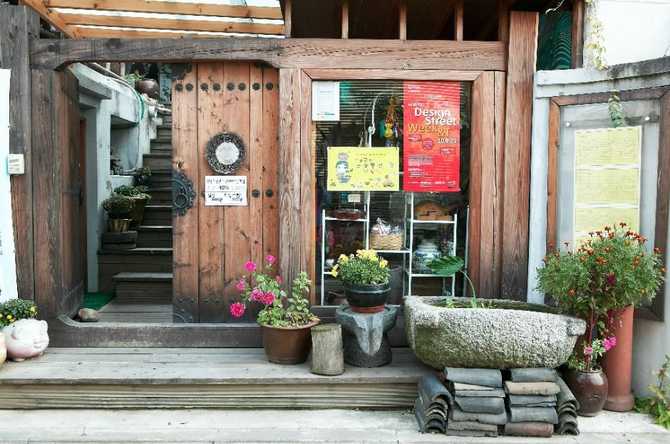
Museum Overview & Location
The Bukchon Living History Museum is a unique cultural space situated in the heart of Seoul’s historic Bukchon Hanok Village. This museum specializes in showcasing the modern and contemporary lifestyle of Korea, particularly from the Joseon Dynasty to the 1970s. As a vital part of Seoul’s cultural landscape, the museum offers visitors an immersive experience into Korea’s evolving domestic life through authentic artifacts and traditional architecture. Located within a well-preserved neighborhood filled with traditional Korean hanok houses, the museum blends seamlessly into the scenic surroundings, providing an authentic atmosphere that enhances the educational experience.
The museum’s address is 37 Gyedong-gil, Jongno-gu, Seoul, easily accessible via public transportation. Visitors can reach the site by taking the subway to Anguk Station (Line 3), Exit 2, and then walking approximately 10 minutes through the charming alleyways of Bukchon Village. The museum’s location within this historic district makes it an ideal starting point for exploring the broader Bukchon Hanok Village, which is renowned for its traditional architecture and cultural ambiance.
The Bukchon Living History Museum is dedicated to preserving and presenting Korea’s recent history through a collection of over 3,000 artifacts, including household items, furniture, clothing, and tools used in daily life. The museum provides a comprehensive overview of Korea’s social and cultural changes over centuries, making it a perfect destination for travelers interested in Korea’s history, students, researchers, and families seeking meaningful cultural experiences. Its strategic location in a historic neighborhood allows visitors to combine museum visits with scenic walks and photography opportunities, making it an enriching cultural journey.

Before planning your visit, it’s advisable to check the museum’s operating hours and make reservations for guided tours or hands-on programs, as these require prior booking. The museum’s commitment to authentic preservation and education makes it a must-visit for anyone eager to understand Korea’s modern history within a traditional setting.
Comparison of Key Facts and Features
| Aspect | Details |
|---|---|
| Location | 37 Gyedong-gil, Jongno-gu, Seoul, South Korea |
| Main Focus | Modern and contemporary Korean lifestyle from the Joseon Dynasty to the 1970s |
| Number of Artifacts | Over 3,000 items |
| Key Exhibits | Household items, furniture, clothing, tools |
| Historical Range | From the early Joseon Dynasty to the 1970s |
| Visit Requirements | Pre-booking required for exhibitions and programs |
| Operating Hours | Spring & Fall: 10:00–18:00; Winter: 11:00–17:00 |
| Closed on | Mondays, Korean major holidays (Seollal, Chuseok) |
| Parking | Not available; use public transportation |
Visit Planning & Reservation Checklist
- Check Operating Hours: Confirm seasonal hours (Spring & Fall: 10:00–18:00; Winter: 11:00–17:00).
- Make Reservation: Book at least 3 days in advance via the official website or phone for exhibitions and programs.
- Plan Transportation: Use public transit; the museum is accessible from Anguk Station (Line 3), Exit 2.
- Prepare for No Parking: Arrive by subway or bus to avoid parking issues.
- Visit During Off-Peak Hours: To enjoy a quieter experience, plan your visit early in the day.
Operating Hours & Closures
| Season | Operating Hours | Notes |
|---|---|---|
| Spring & Fall (March–October) | 10:00 AM – 6:00 PM (Last admission at 5:30 PM) | Peak visiting season; plan accordingly |
| Winter (November–February) | 11:00 AM – 5:00 PM (Last admission at 4:30 PM) | Adjusted hours for colder months |
Closed on the following days:
- Every Monday
- Korean major holidays such as Seollal (Lunar New Year) and Chuseok (Korean Thanksgiving)
Visitor Tips & Important Notes
- Pre-Book Your Visit: Make sure to reserve your spot at least 3 days prior for exhibitions and hands-on programs via the official website or by phone to secure your participation.
- Use Public Transportation: The museum does not have parking facilities. Plan to arrive by subway or bus for convenience. The nearest subway station is Anguk Station (Line 3), Exit 2, about a 10-minute walk.
- Check Operating Hours: Confirm seasonal hours before your visit to avoid arriving outside open times.
- Arrive Early: Visiting during off-peak hours, such as early in the morning, can provide a more peaceful experience.
- Bring Reservation Confirmation: Always carry your reservation or confirmation receipt to facilitate entry and participation in programs.
- Dress Appropriately: Wear comfortable clothing suitable for walking and traditional Korean cultural experiences.
- Prepare for No Parking: Since parking is unavailable, consider using nearby paid parking lots or public transit options.
- Plan for Closures: Avoid scheduling your visit on Mondays or Korean major holidays, when the museum is closed.
Whether you visit during the day or evening, Discover the Cultural Heritage at is a meaningful stop on any Seoul itinerary for history-minded travelers.
Frequently Asked Questions (FAQ)
Q1: What is the Bukchon Living History Museum?
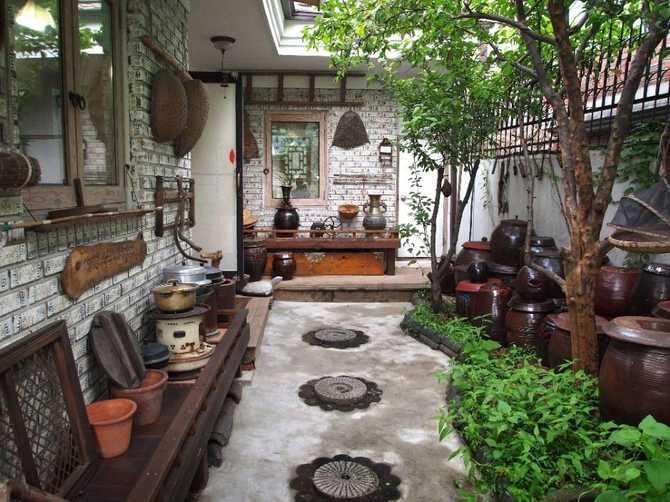
The Bukchon Living History Museum is a private cultural space located in Seoul’s historic Bukchon Hanok Village. It showcases Korea’s modern and contemporary lifestyle from the Joseon Dynasty to the 1970s through over 3,000 artifacts and traditional architecture.
Q2: What types of exhibits and artifacts can I see at the museum?
The museum displays household items, furniture, clothing, and tools used in daily life from the early Joseon period to the 1970s. These artifacts reflect Korea’s social and cultural changes over the centuries.
Q3: How do I make a reservation to visit or participate in programs?
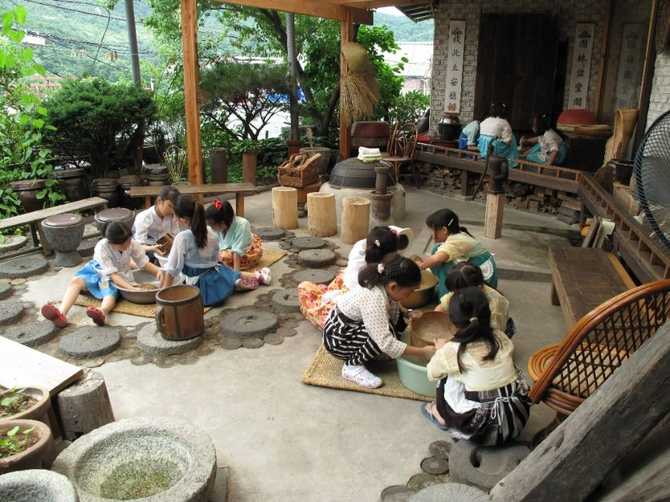
Reservations for exhibitions and educational programs are required at least 3 days in advance. You can book via the museum’s official website or by phone. Walk-in visits without reservations may not be accommodated for certain programs.
Q4: What are the museum’s operating hours and closed days?
The museum operates from 10:00 to 18:00 in spring and fall, and from 11:00 to 17:00 in winter. It is closed every Monday and during major Korean holidays such as Seollal and Chuseok.
Q5: Is there parking available at the Bukchon Living History Museum?
No, the museum does not offer parking facilities. Visitors are encouraged to use public transportation such as subway or bus to reach the site.
Q6: What should I know before participating in the museum’s hands-on programs?
Participation requires prior reservation, and visitors must bring the reservation confirmation. It is important to review the program’s guidelines and arrive on time to ensure a smooth experience.
Final Tips for Visiting the Bukchon Living History Museum
Visiting the Bukchon Living History Museum offers a unique opportunity to immerse yourself in Korea’s modern history within a beautifully preserved traditional hanok setting. To make the most of your experience, it is highly recommended to plan ahead by checking the museum’s operating hours and making necessary reservations for exhibitions or hands-on programs. Since the museum does not provide parking facilities, using public transportation such as subway or bus is the most convenient way to arrive. The nearest subway station is Anguk Station (Line 3), Exit 2, from which it’s a short walk through scenic Bukchon alleyways. Remember to arrive early during your scheduled visit to enjoy a quieter environment and to participate fully in the programs you’ve booked. Also, bring your reservation confirmation and arrive prepared with any necessary identification or documentation. Respect the museum’s guidelines and be mindful of the closing days, especially holidays like Seollal and Chuseok. With proper planning, your visit to the Bukchon Living History Museum will be a meaningful and enriching cultural experience, connecting you deeply with Korea’s recent history and traditional lifestyle.