
출처 : ⓒ한국관광콘텐츠랩 또는 ⓒ한국관광공사
Altteure Airfield and Japanese Military Bunkers: A Historical and Peaceful Visit in Jeju
Location 제주특별자치도 서귀포시 대정읍 상모리
Location 제주특별자치도 서귀포시 대정읍 상모리
Discover the fascinating history and current significance of Jeju’s Altteure Airfield and Japanese military bunkers, a site where history and peace coexist. Whether you’re a history enthusiast, a traveler interested in Korea’s military past, or someone seeking meaningful cultural experiences, exploring this site offers a unique glimpse into Jeju’s modern and historical landscape.

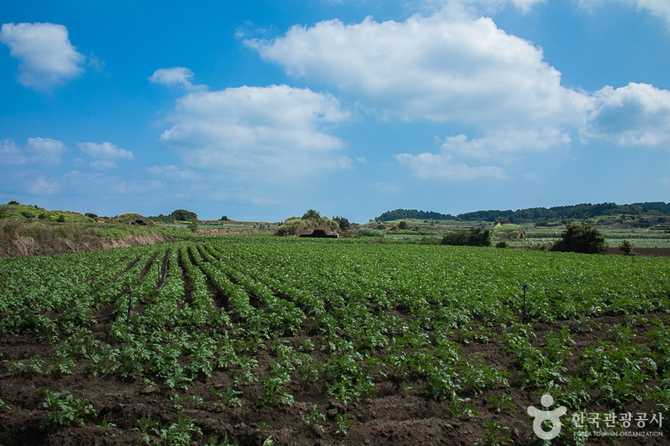
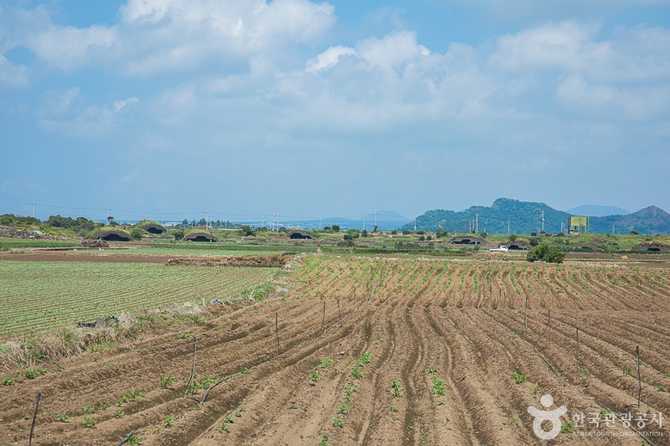
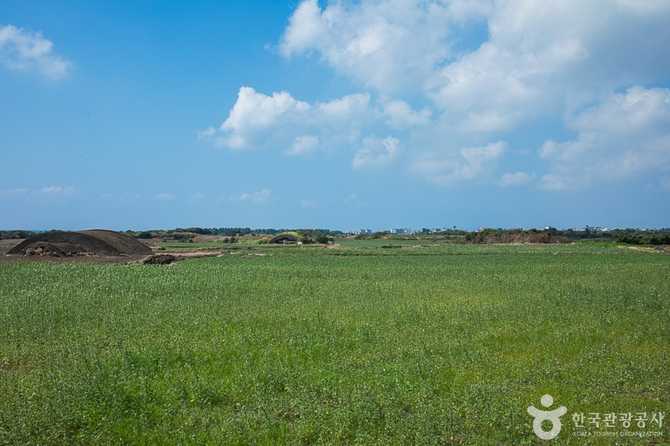
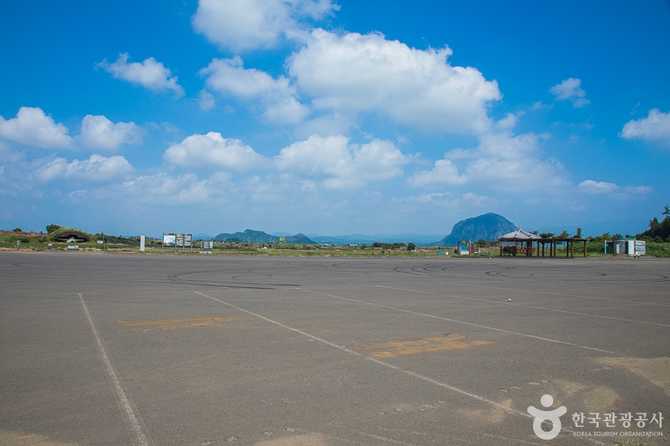
Altteure Airfield, located in the southwestern part of Jeju Island, is a former military site from the Japanese colonial era. Today, it has transformed into a space for tourism, education, and peace, preserving its historical structures such as the aircraft hangars, command facilities, and anti-aircraft positions. Visitors can walk through the original structures, learn about the military activities during the Japanese occupation, and reflect on the importance of peace and reconciliation.
At a glance
- Who this is for
-
- Travelers interested in Korean history and military sites
- Researchers studying Japan-Korea colonial history
- Educators and students exploring peace and history education
- Anyone seeking meaningful cultural and historical experiences in Jeju
- Key takeaways
-
- Located in Seogwipo City, Jeju Island, at Sanggori-ri, Daejeong-eup
- 19 original Japanese military structures preserved, including hangars and command posts
- Originally built during the Japanese colonial period as a strategic military base
- Now open to the public free of charge, with ongoing preservation efforts
- Features a display of a Zero Sen fighter plane model inside the hangar
- Tips & cautions
-
- Although open to the public, safety precautions should be observed around old structures
- Respect the site as a historical and peace monument
- Visit in combination with nearby sites like Setaoreum for a comprehensive experience
- Check weather conditions before visiting, as some areas are outdoors
- Bottom line
- Altteure Airfield offers a powerful reminder of Korea’s colonial past and the enduring hope for peace, making it a meaningful stop on your Jeju journey.
Jeju’s Altteure Airfield and Japanese military bunkers stand as poignant symbols of Korea’s complex history. Originally constructed during the Japanese occupation in the early 20th century, these military structures served as strategic points during the Sino-Japanese War. Today, they have been transformed into sites of remembrance, education, and peace, allowing visitors to connect deeply with Korea’s modern history.
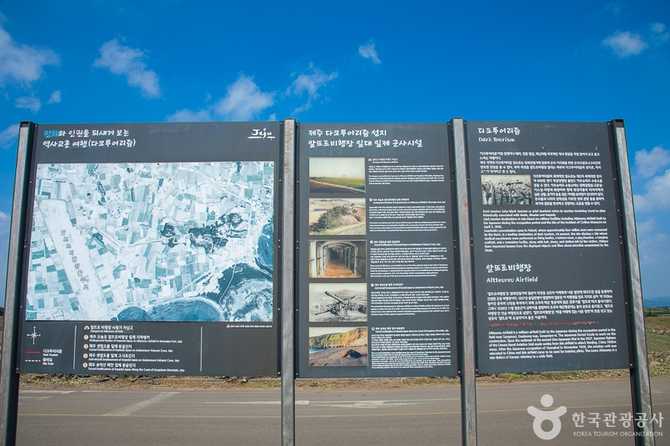

Walking through the preserved hangars, command posts, and anti-aircraft positions, visitors can gain insight into the military strategies used during the colonial period, while also contemplating the importance of peace and reconciliation. The site’s location amidst Jeju’s natural landscape adds to its unique appeal, blending history with the tranquility of the island’s environment. Free and open year-round, Altteure Airfield is accessible to all, offering a profound educational experience for those interested in Korea’s past and its ongoing journey toward peace.
Altteure Airfield: An Overview
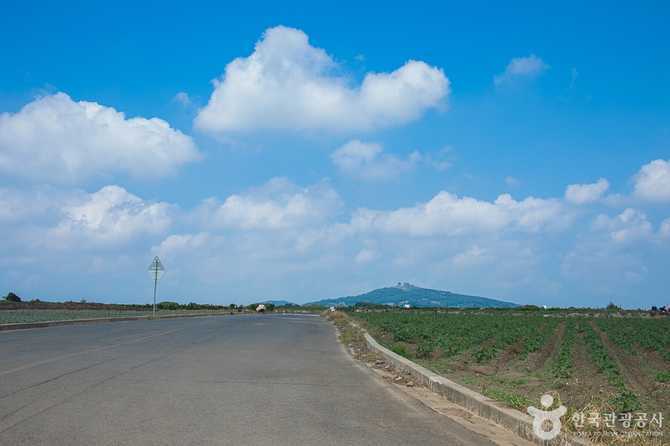
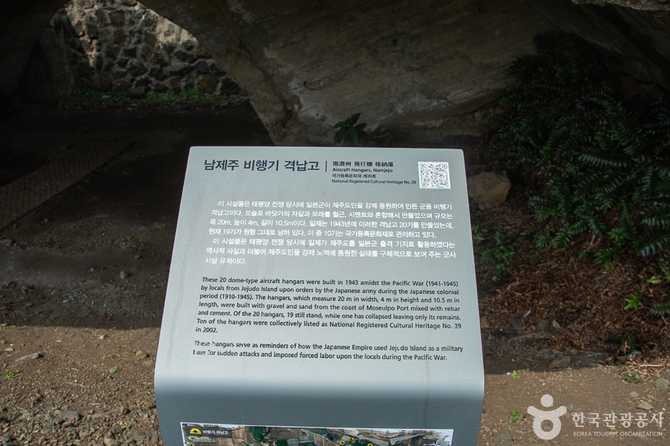
Nestled in the southwestern region of Jeju Island, the Altteure Airfield is a historically significant site that offers visitors a unique glimpse into Korea’s colonial past. Originally constructed during the Japanese occupation, this airfield served as a strategic military base during the early 20th century, especially during the Sino-Japanese War. Today, it stands as a symbol of Korea’s complex history, blending remembrance with peace education. The site is renowned for its well-preserved structures, including aircraft hangars, command posts, and anti-aircraft artillery positions, which have been maintained to reflect their original form. Visitors can walk through these historical relics, gaining insight into the military strategies employed during the Japanese colonial era.
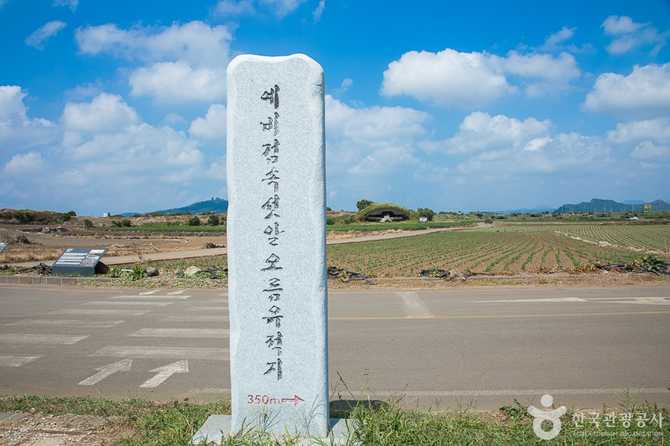
Altteure Airfield is open to the public free of charge, making it an accessible destination for travelers, students, and history enthusiasts. Its location in Daejeong-eup, Seogwipo City, provides a scenic backdrop that combines natural beauty with historical significance. Inside the preserved hangars, you can find models and displays, including a notable Zero Sen fighter plane replica, which highlights the technological advancements of the era. The site is also used for educational programs aimed at promoting peace and understanding of Korea’s modern history.
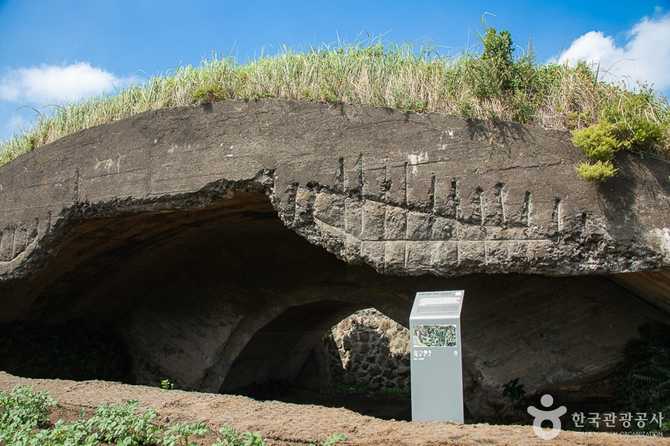
Visiting Altteure Airfield offers a meaningful experience that connects the past with the present. It is an important educational resource for understanding the impact of Japanese occupation and the importance of peace and reconciliation. The site’s outdoor setting allows visitors to explore the structures at their own pace, while nearby attractions such as Setaoreum provide additional opportunities to reflect on Korea’s history. Since the site is open year-round and free to access, it is highly recommended for those interested in Korea’s military history, colonial legacy, and peace initiatives.

Comparison of Preserved Structures at Altteure Airfield
| Structure Type | Number Preserved | Current Condition | Features |
|---|---|---|---|
| Aircraft Hangars | 19 | Mostly original with some restorations | Displays of Zero Sen fighter plane models inside |
| Command Posts | Several structures | Well-preserved, with original layouts | Original structural features visible |
| Anti-Aircraft Positions | Multiple sites | Partially restored, some original elements remain | Displays of artillery positions and related artifacts |
| Surrounding Infrastructure | Roads, pathways, and viewing platforms | Modern additions for visitor access | Designed for educational tours and sightseeing |
Visitor Checklist for Exploring Altteure Airfield
- Plan your visit: The site is open year-round, free of charge, with no restrictions on visiting hours.
- Safety first: Always observe safety guidelines, especially around old structures like hangars and command posts. Do not climb on or enter restricted areas.
- Bring essentials: Comfortable shoes, water, and sun protection are recommended for outdoor exploration.
- Respect the site: As a historical and peace monument, avoid damaging structures or removing artifacts.
- Combine visits: Consider visiting nearby sites such as Setaoreum to deepen your understanding of Jeju’s history.
Visitor Information and Tips for Exploring Altteure Airfield
| Aspect | Details |
|---|---|
| Operating Hours | Open year-round, 24 hours (no restrictions) |
| Admission Fee | Free of charge |
| Parking | Available on-site, free of charge |
| Safety Tips | Stay within designated pathways, avoid climbing on structures, and follow staff instructions |
| What to Bring | Comfortable shoes, water, sun protection, camera for photos |
| Additional Attractions | Nearby sites such as Setaoreum and Jeju 4·3 Memorial for a comprehensive experience |
How to Fully Experience Peace and History at Altteure Airfield
- Walk through the preserved hangars and command posts to appreciate the original structures and learn about their functions.
- Observe the display of the Zero Sen fighter plane model inside the hangar, and reflect on the technological history of wartime aircraft.
- Visit nearby natural sites like Setaoreum to pay respects at the Jeju 4·3 Memorial, connecting historical remembrance with natural beauty.
- Participate in guided tours or educational programs if available, to deepen understanding of the historical context and significance.
- Respect the site as a peace monument—avoid damaging structures, refrain from removing artifacts, and follow safety guidelines.
- Engage with informational signage and exhibits to grasp the strategic importance of the military facilities during the Japanese occupation.
- Take time to reflect on the historical lessons of conflict and the enduring hope for peace that the site symbolizes.
Frequently Asked Questions (FAQ)
Altteure Airfield was a Japanese military base during Korea’s colonial period, serving as a strategic point during the Sino-Japanese War. It played a key role in Japan’s military operations on Jeju Island and now serves as a site for peace education and historical remembrance.
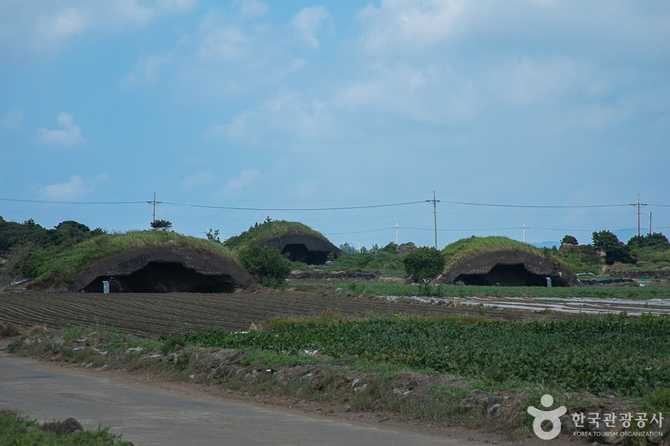
Yes, 19 Japanese military structures, including hangars, command posts, and anti-aircraft positions, are well-preserved and mostly retain their original form. Some structures have been restored or reconstructed for educational purposes.
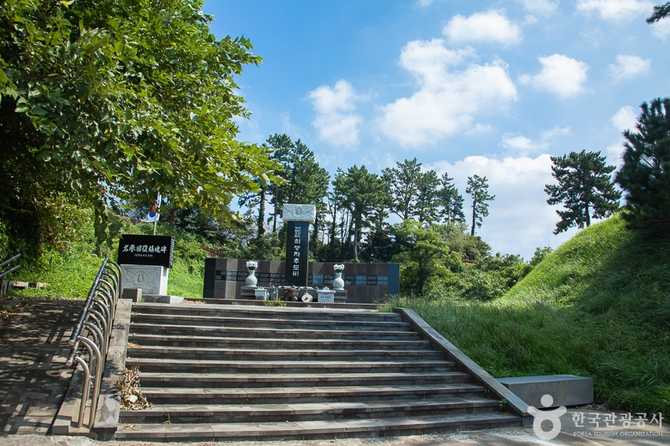
Visitors are allowed to walk around the exterior and inside some structures, such as the hangars with display models. However, safety precautions must be followed, and restricted areas should be avoided for safety reasons.
No, the site is open to the public free of charge throughout the year. Parking is also available free of charge on-site for visitors.

Visitors should observe safety guidelines, stay within designated pathways, and respect the historical significance of the site. It is recommended to visit with a guide or participate in educational programs for a deeper understanding.
Explore the preserved military structures, view the display of the Zero Sen fighter plane, and visit nearby sites like Setaoreum to reflect on Korea’s history. Participating in educational programs enhances the understanding of Korea’s colonial past and peace efforts.
Final Thoughts on Visiting Altteure Airfield and Japanese Military Bunkers
Exploring the Altteure Airfield and Japanese military bunkers provides a unique opportunity to connect with Korea’s complex history and its journey toward peace. As a site that has transitioned from a significant military strategic point during the Japanese occupation to a peaceful historical monument, it offers visitors a profound understanding of Korea’s past and the importance of reconciliation. The well-preserved structures, including aircraft hangars, command posts, and anti-aircraft positions, serve as tangible reminders of the wartime era, while the surrounding natural landscape enhances the reflective experience. Visiting this site not only enriches your knowledge of Korea’s colonial history but also encourages a deeper appreciation for peace and harmony in the present day. Remember that the site is open year-round and free of charge, making it accessible for all travelers interested in history and culture. Whether you are a history enthusiast, a student, or a curious traveler, a visit to Altteure Airfield is a meaningful step toward understanding Korea’s modern history and its ongoing hope for peace. Embrace the opportunity to learn, reflect, and experience the enduring message of reconciliation at this important historical site.