
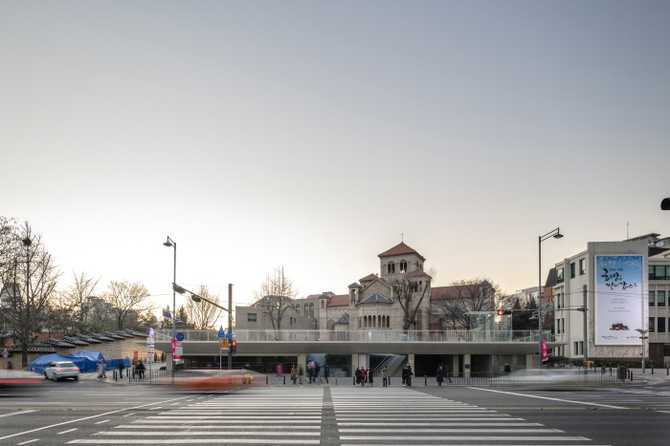
출처 : JUNLEEPHOTOS_2018
Discover Seoul Urban Architecture Museum: Your Guide to Korea’s City and Building History
Location 서울특별시 중구 세종대로 119
Location 서울특별시 중구 세종대로 119
Are you interested in exploring Seoul’s rich urban history and innovative architectural future? The Seoul Urban Architecture Museum offers an engaging experience for visitors seeking to understand the city’s development, architectural culture, and future visions in one comprehensive cultural space. Whether you’re a local citizen, a tourist, or a professional in urban planning and architecture, this museum provides a unique window into Seoul’s past, present, and future.

Located in the heart of Seoul, the Seoul Urban Architecture Museum is a dedicated space that showcases the evolution of the city’s urban landscape and architectural achievements. Established in 2015, this museum is the first of its kind in Korea, focusing exclusively on urban development and architecture. It is designed to serve as an educational platform for citizens, students, and professionals, offering insightful exhibitions, interactive displays, and future-oriented visions for Seoul’s urban growth.

At a glance
- Who this is for
-
- Urban planning and architecture enthusiasts
- Citizens interested in Seoul’s history and future
- Tourists seeking cultural and historical experiences
- Students and professionals in related fields
- Key takeaways
-
- Established in 2015 as Korea’s first urban architecture museum
- Located at Seoul’s central Sejong-daero, near Gyeongbokgung Palace
- Features exhibitions on Seoul’s urban development and future visions
- Free admission, open weekdays, closed on Mondays and public holidays
- Accessible via subway lines 1, 2, and 5
- Tips & cautions
-
- Check operating hours and holidays before visiting
- No parking available; use public transportation
- Visit during weekdays for a quieter experience
- Some special exhibitions may require separate booking
- Bottom line
- Seoul Urban Architecture Museum is a must-visit destination for anyone interested in Seoul’s urban history and future development.
The Seoul Urban Architecture Museum is a cultural hub dedicated to sharing Seoul’s urban and architectural story with both locals and visitors. Situated conveniently in Seoul’s city center, it offers a comprehensive overview of the city’s historical growth, architectural innovations, and future urban planning concepts. The museum’s exhibits are designed to deepen visitors’ understanding of Seoul’s development as Korea’s capital and showcase the city’s ongoing transformation.

Whether you are a history buff, an architecture student, or a curious traveler, this museum provides an immersive experience that highlights Seoul’s past achievements and future ambitions. Admission is free, making it an accessible cultural experience for everyone. Visitors can explore the exhibits on three underground floors and the outdoor plaza, which hosts various cultural events and displays. Be sure to check the opening hours and closure days before your visit to enjoy a smooth experience.

Located along Sejong-daero, near major landmarks like Gyeongbokgung Palace and Seoul City Hall, the museum is easily reachable by subway lines 1, 2, and 5. Its central location ensures that visitors can combine their museum visit with other sightseeing activities around the city’s historic and administrative districts. This guide will help you plan your visit, understand the key features of the Seoul Urban Architecture Museum, and appreciate Seoul’s vibrant urban story.

Overview of Seoul Urban Architecture Museum
The Seoul Urban Architecture Museum is a dedicated cultural space that highlights the city’s rich history of urban development and architectural innovation. Established in 2015, this museum is Korea’s first specialized institution focusing exclusively on urban and architectural themes related to Seoul. Its primary purpose is to serve as an educational platform where visitors can explore Seoul’s past, present, and future urban landscapes through engaging exhibitions and interactive displays. Located in the heart of Seoul, the museum provides an accessible and informative experience for a diverse audience ranging from citizens and students to architecture professionals and tourists.
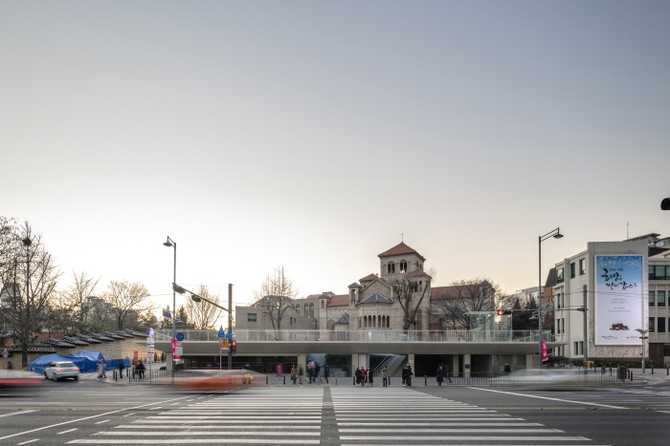
The museum’s core concept revolves around illustrating Seoul’s transformation from a traditional city to a modern metropolis. It showcases the historical evolution of the city’s architecture, including significant landmarks, urban planning initiatives, and innovative future visions such as smart city concepts and eco-friendly building designs. Visitors can learn about Seoul’s urban planning strategies, architectural styles, and the cultural context that shaped the city’s development over centuries. The museum also emphasizes sustainable urban growth and the importance of preserving cultural heritage amidst rapid modernization.

Designed as a comprehensive cultural platform, the Seoul Urban Architecture Museum features three underground floors and an outdoor plaza, which hosts various cultural events and temporary exhibitions. Its strategic location along Sejong-daero makes it easily accessible by public transportation, with nearby landmarks like Seoul City Hall and Gyeongbokgung Palace. The museum is committed to providing free admission, making it an inclusive space for all visitors interested in understanding Seoul’s urban story. Whether exploring the history of specific districts or contemplating future urban trends, visitors will find this museum a valuable resource for appreciating Seoul’s architectural and urban planning achievements.

Comparison of Visiting Information
| Aspect | Details | Notes |
|---|---|---|
| Location | Seoul, Jung-gu, Sejong-daero 119 | Near Seoul City Hall and Gyeongbokgung Palace |
| Operating Hours | 10:00 AM – 6:00 PM | Last admission at 5:30 PM |
| Closed Days | Mondays and public holidays | Check specific holiday closures |
| Admission Fee | Free | Special exhibitions may require reservations |
| Transportation | Subway Lines 1, 2, 5 | Accessible within walking distance |
| Parking | Not available | Use public transportation |
Exhibits and Visitor Checklist
- Historical Exhibits: Displays showcasing Seoul’s urban growth, key architectural landmarks, and development phases.
- Future City Visions: Interactive exhibits on smart city concepts, eco-friendly architecture, and innovative urban planning.
- Special Temporary Exhibitions: Seasonal or themed exhibits that highlight specific aspects of urban culture and architecture.
- Outdoor Plaza Events: Cultural performances, public art displays, and community activities held regularly.
- Check the museum’s official website for current opening hours and holiday schedules.
- Remember that parking is unavailable; plan to arrive via public transit.
- If visiting with children or seniors, ensure safety guidelines are followed within the exhibits.
- Respect photo zones and restricted areas; some exhibits may prohibit photography.
Visitor Tips and Important Notices
- Check operating hours and holidays: Before your visit, verify the museum’s current opening hours and closure days on the official website to ensure a smooth experience.
- No parking available: The Seoul Urban Architecture Museum does not offer parking facilities. It is highly recommended to use public transportation such as subway lines 1, 2, or 5 for easy access.
- Visit during weekdays: To avoid crowds and enjoy a more relaxed environment, plan your visit on weekdays, especially during off-peak hours.
- Special exhibitions: Some special or temporary exhibitions may require prior reservations or tickets. Check the museum’s website or contact them directly for booking details.
- Safety with children and seniors: Ensure that safety guidelines are followed, especially when exploring interactive exhibits or outdoor areas. Supervise young children and assist seniors as needed.
- Photography rules: Photography is permitted in designated zones. Please respect restricted areas where photography may be prohibited to preserve the exhibits and ensure a pleasant experience for all visitors.
Visitor Checklist for Seoul Urban Architecture Museum
- Verify the museum’s current opening hours and holiday schedule on the official website.
- Plan your transportation in advance, noting that parking is unavailable and public transit is recommended.
- Choose weekdays for a quieter experience, especially if you prefer less crowded visits.
- Check if any special exhibitions or programs require prior reservations and book accordingly.
- Prepare safety measures for children and elderly visitors, including supervision and assistance.
- Respect the photography zones and adhere to restrictions to ensure the safety of exhibits and other visitors.
- Bring a notebook or digital device if you wish to take notes or photos within permitted areas.
- Wear comfortable shoes suitable for walking and exploring the museum’s multiple floors and outdoor spaces.
- Plan to arrive early or during off-peak hours for a more immersive and less crowded experience.
- Stay updated with any announcements or changes via the museum’s official communication channels.
Whether you visit during the day or evening, Discover Seoul Urban Architecture Museum is a meaningful stop on any Seoul itinerary for history-minded travelers.

Frequently Asked Questions (FAQ)
Q1: When is the best time to visit the Seoul Urban Architecture Museum?

The museum operates from 10:00 AM to 6:00 PM on weekdays, with the last admission at 5:30 PM. It is closed on Mondays and public holidays, so visiting during weekdays outside peak hours is recommended for a quieter experience.
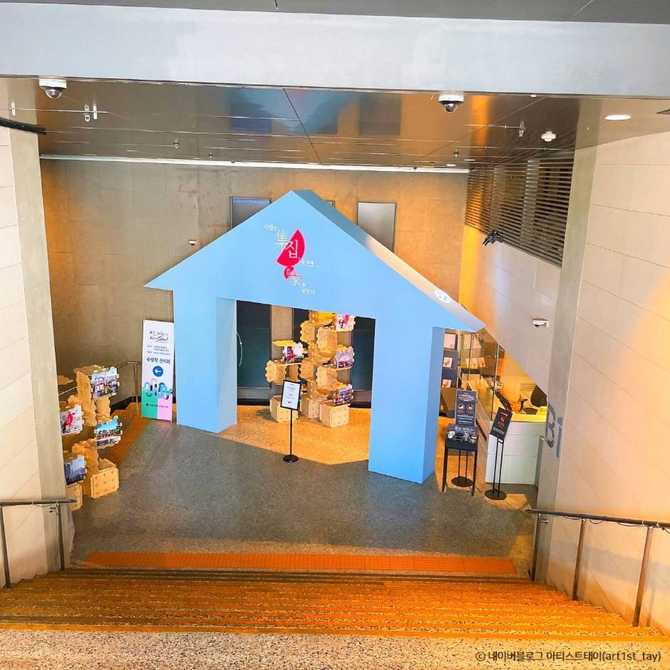
Q2: Is there an entrance fee for the Seoul Urban Architecture Museum?

No, admission to the museum is free. However, some special exhibitions or events may require prior reservations or tickets, which can be checked on the official website.
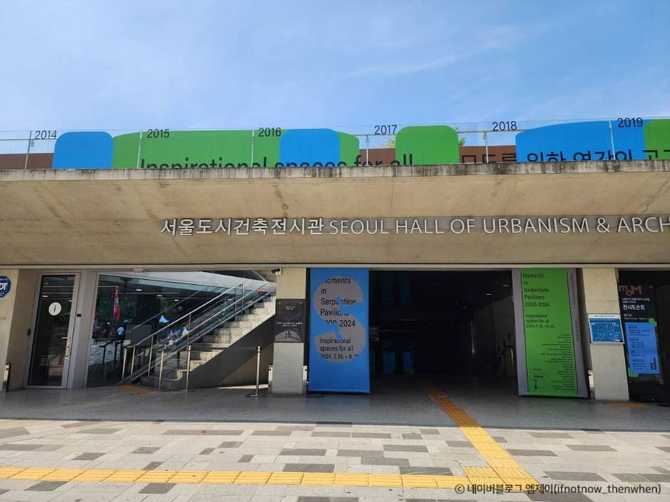
Q3: How can I get to the Seoul Urban Architecture Museum?

The museum is accessible via subway lines 1, 2, and 5, and is within walking distance from Seoul City Hall and Gyeongbokgung Palace. Public transportation is recommended as there is no parking available on-site.

Q4: Are there any guided tours or special programs available at the museum?

Yes, the museum offers seasonal and themed exhibitions, as well as cultural events and interactive programs. Some of these may require prior booking, so it is advisable to check the official website for current schedules.

Q5: Can I take photographs inside the Seoul Urban Architecture Museum?
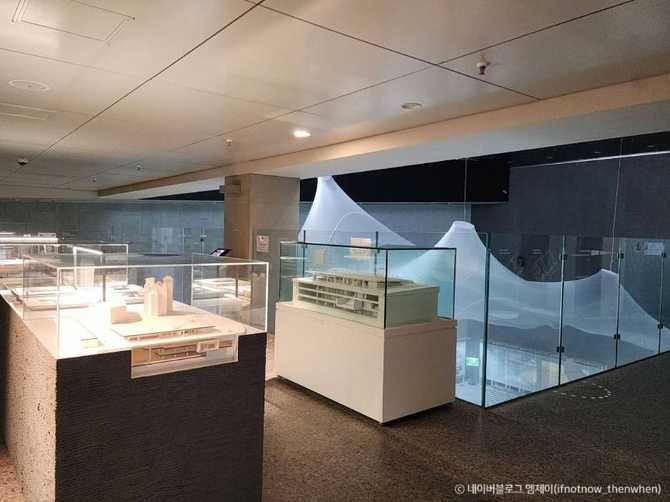
Photography is permitted in certain areas, but some exhibits or zones may restrict photo-taking. Visitors should follow the signage and staff instructions to respect exhibit guidelines.

Q6: Is the museum suitable for children or elderly visitors?

Yes, the museum is designed to be accessible for all visitors, including children and seniors. Visitors should follow safety guidelines and supervise young children during their visit to ensure a safe and enjoyable experience.
Final Tips for Visiting Seoul Urban Architecture Museum
Planning your visit to the Seoul Urban Architecture Museum ensures you make the most of this enriching cultural experience. Remember to double-check the museum’s official website for the latest information on operating hours and holiday closures, especially during special events or seasonal exhibitions. Since parking is not available at the museum, it is highly recommended to use public transportation—subway lines 1, 2, or 5 provide convenient access to the location along Sejong-daero. Visiting during weekdays can offer a more relaxed atmosphere with fewer visitors, allowing you to fully appreciate the exhibits and interactive displays. For those interested in special exhibitions or participating in cultural programs, it’s advisable to verify whether reservations are required in advance. By planning ahead, you can enjoy a smooth and insightful experience exploring Seoul’s vibrant urban history and architectural innovations. Whether you are a local resident, a tourist, or a professional in urban planning, the Seoul Urban Architecture Museum offers a compelling journey through Seoul’s past, present, and future urban landscape. Don’t miss the opportunity to deepen your understanding of the city’s remarkable development and visionary future in this accessible and inspiring cultural space.