
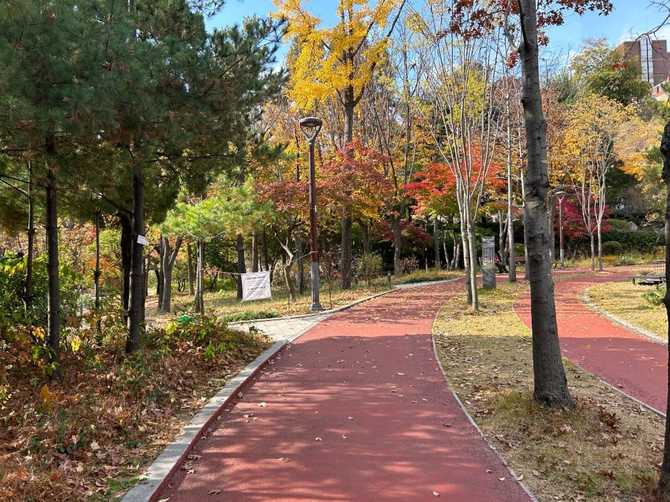
출처 : ⓒ한국관광콘텐츠랩 또는 ⓒ한국관광공사
Discover Seoul’s Sonki Jeong Sports Park: A Cultural and Athletic Hub
Location 서울특별시 중구 손기정로 101-4 (만리동2가) 손기정공원
Location 서울특별시 중구 손기정로 101-4 (만리동2가) 손기정공원
Looking for a vibrant space in Seoul that combines rich history, modern sports facilities, and cultural programs? Sonki Jeong Sports Park in Jung-gu offers an ideal destination for families, sports enthusiasts, and tourists seeking a unique blend of tradition and contemporary leisure.
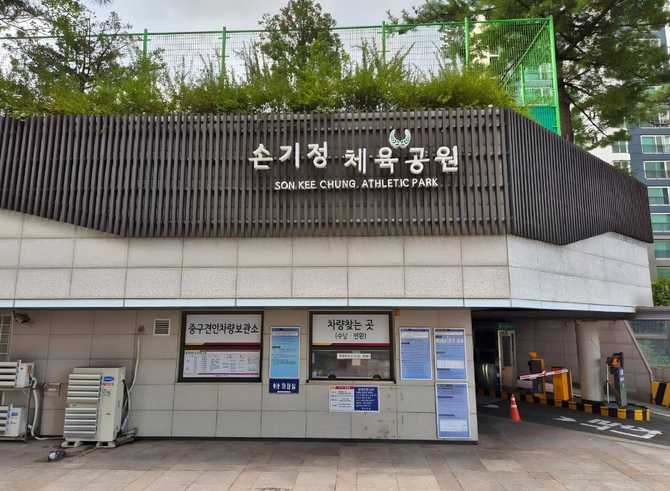
At a glance
- Who this is for
-
- Local residents interested in sports and cultural activities
- Families seeking recreational spaces in Seoul
- Tourists wanting to explore Korea’s sports history and modern facilities
- Fitness enthusiasts and community groups
- Key takeaways
-
- Established in 1987, renovated in 2020 with updated amenities
- Features a marathon track, outdoor yoga, children’s library, and sports courts
- Free entry, open year-round, with ample parking and family-friendly facilities
- Honors Korean marathon legend Sonki Jeong, blending history with active leisure
- Offers diverse programs without requiring reservations, suitable for all ages
- Tips & cautions
-
- Check program schedules before visiting, as some activities are time-specific
- Maintain cleanliness and follow safety guidelines during activities
- Ensure children are supervised at all times for safety
- Pets must be leashed and cleaned up after; some areas may restrict pet access
- Bottom line
- Sonki Jeong Sports Park is a vibrant cultural and sports space in Seoul that combines history, modern facilities, and community programs for visitors of all ages.
Seoul’s Sonki Jeong Sports Park, located in Jung-gu, is a dynamic space that celebrates Korea’s marathon legacy while providing a comprehensive environment for health, leisure, and cultural engagement. Since its establishment in 1987, this park has evolved into a modern hub, especially after its renovation in 2020, featuring state-of-the-art facilities and diverse programs designed to promote active lifestyles and cultural appreciation.
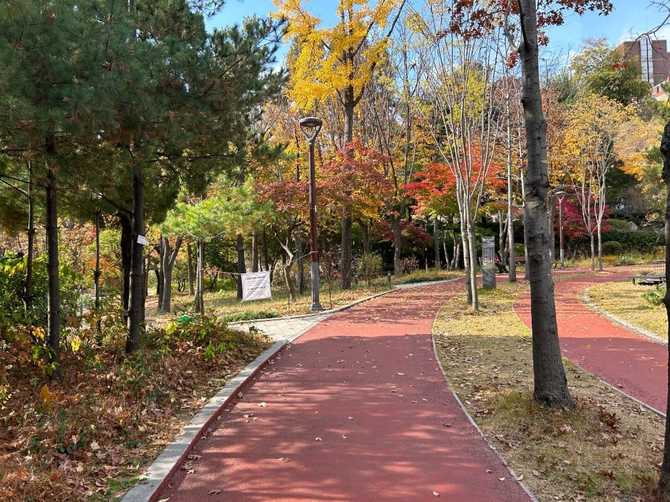
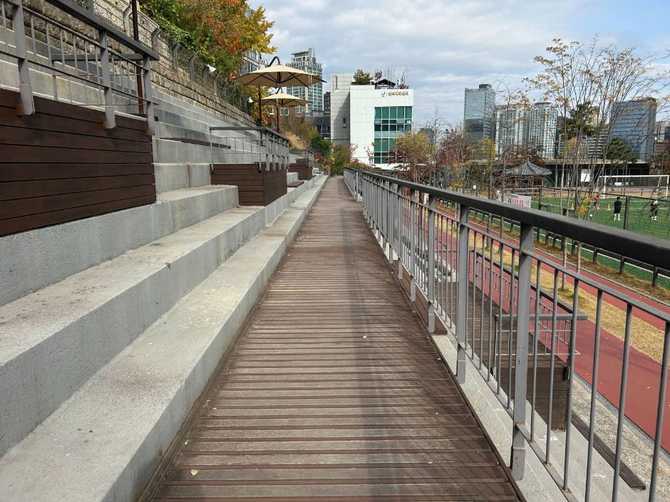
Whether you’re a local resident, a family planning a day out, or a tourist exploring Seoul’s rich history, Sonki Jeong Sports Park offers something for everyone. The park’s facilities include a dedicated marathon track, outdoor yoga zones, children’s library, sports courts, and open spaces for community events. Its historical significance, honoring the legendary marathon runner Sonki Jeong who won gold at the 1936 Berlin Olympics, adds a meaningful dimension to your visit.
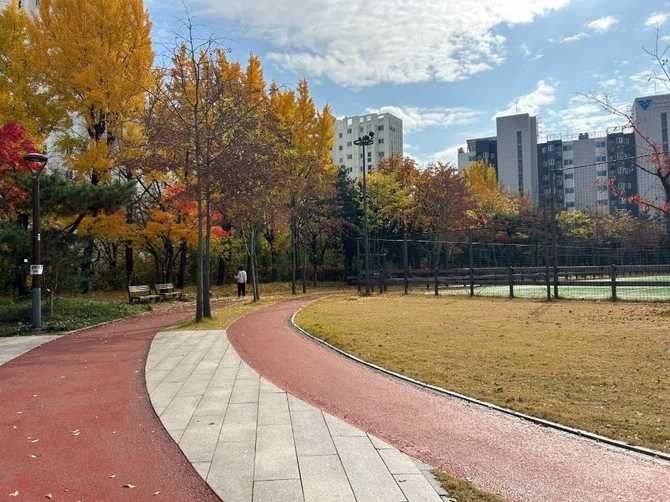
Enjoy free, year-round access to this comprehensive sports and cultural complex without the need for reservations. With ample parking, accessible amenities, and a variety of programs, Sonki Jeong Sports Park is an ideal spot to engage in physical activity, learn about Korea’s sports history, or simply relax in a scenic environment. Whether you’re interested in jogging, family outings, or cultural experiences, this park provides a welcoming space for all.
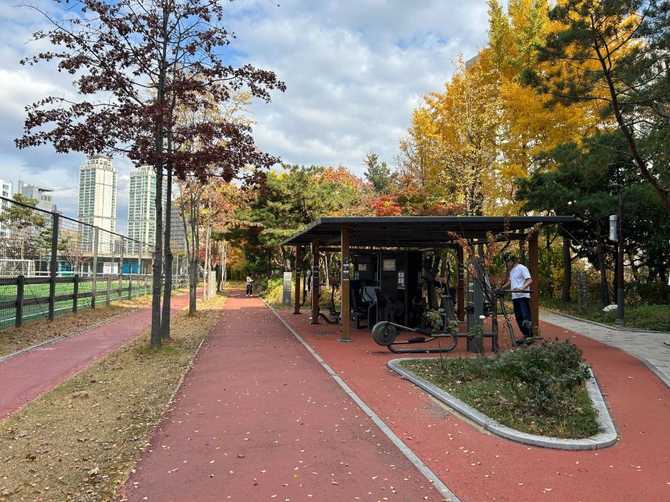
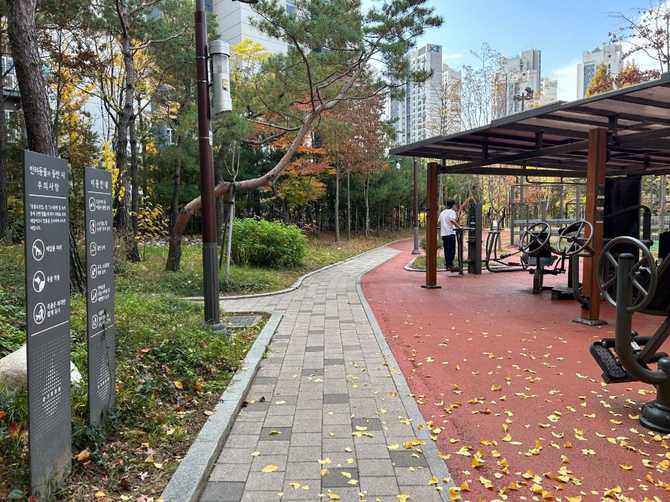
Park Overview & Historical Significance of Sonki Jeong Sports Park
Sonki Jeong Sports Park in Seoul is a prominent cultural and athletic space that celebrates Korea’s rich marathon history while providing modern facilities for leisure and community engagement. Located in Jung-gu, this park was initially established in 1987 to honor the legendary marathon runner Sonki Jeong, who secured Korea’s first Olympic marathon gold medal at the 1936 Berlin Olympics. The park’s primary focus is to preserve this historical legacy while offering a vibrant environment for sports, recreation, and cultural activities for residents and visitors alike.
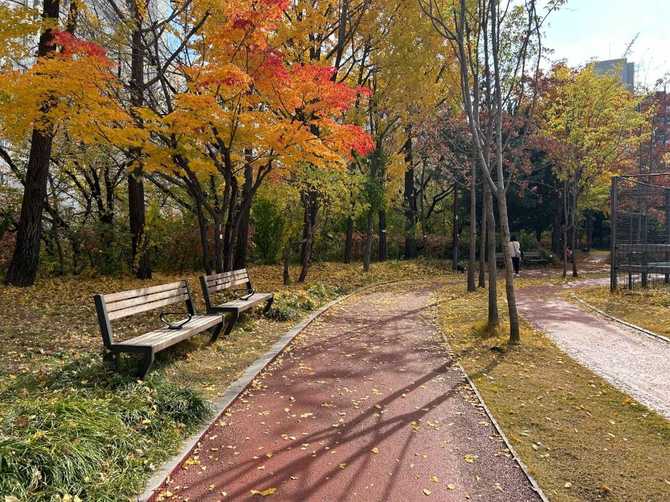
The park underwent a major renovation in 2020, transforming it into a state-of-the-art complex that combines historical reverence with contemporary amenities. It features a dedicated marathon track, outdoor yoga zones, children’s library, sports courts, and open spaces suitable for various community events. The design emphasizes accessibility and inclusivity, making it a perfect spot for families, fitness enthusiasts, and tourists interested in Korea’s sports heritage.
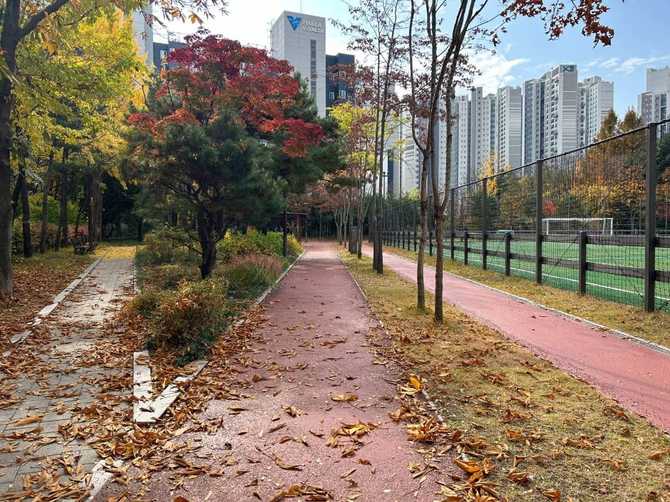
Sonki Jeong Sports Park is not just a place for physical activity but also a cultural landmark that embodies Korea’s dedication to athletic excellence. Visitors can learn about Sonki Jeong’s achievements and the history of Korean marathon running through various exhibits and programs. The park’s open layout encourages outdoor activities such as jogging, walking, and group exercises, fostering a healthy lifestyle among Seoul’s urban population. Its historical significance combined with modern facilities makes it a unique destination for both recreation and education.
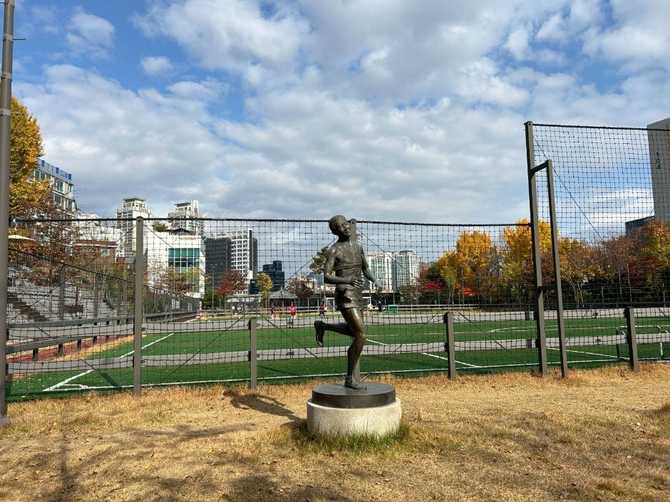
Whether you are a local resident seeking a convenient place for daily exercise or a tourist interested in Korea’s sports history, Sonki Jeong Sports Park offers a comprehensive environment that blends tradition with modernity. Its year-round accessibility, free entry, and family-friendly amenities ensure that everyone can enjoy this cultural and athletic hub at any time. Discover the legacy of Korea’s marathon legend while engaging in a variety of active and cultural pursuits at this iconic Seoul park.
Main Facilities & Programs Comparison at Sonki Jeong Sports Park
| Facility / Program | Features & Usage | Remarks |
|---|---|---|
| Marathon Track | Dedicated running and walking track suitable for all ages | Open year-round, free access |
| Outdoor Yoga Area | Open-air space for yoga and meditation sessions | Operates seasonally, free of charge |
| Children’s Library & Playground | Reading area and play zones for children | Located at the south entrance, open to families |
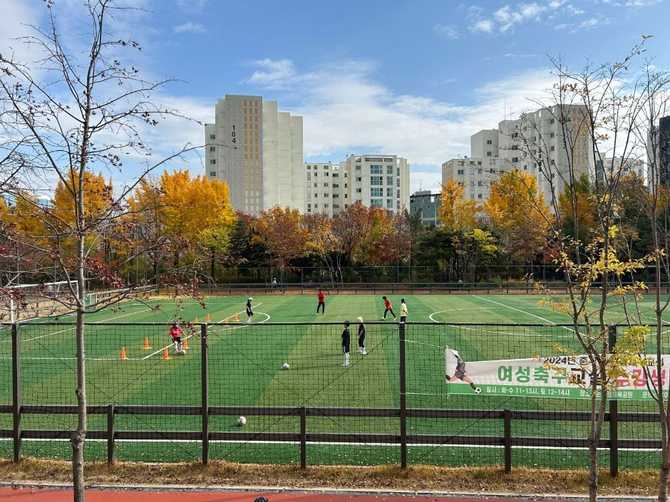
| Sports Courts | Facilities for soccer, badminton, and other sports | Available for casual use, no reservation needed |
| Additional Facilities | Gateball, outdoor yoga, flea markets | Operate on specific days/times, check schedule |
Visitor Information & Accessibility Checklist for Sonki Jeong Sports Park
- Opening Hours: Open year-round, 24 hours; some programs operate on specific schedules.
- Entry Fee: Free for all visitors.
- Parking: Free parking available at the south entrance, sufficient for peak times.
- Location: 123 Sonki Jeong-ro, Jung-gu, Seoul.
- Facilities: Restrooms, drinking fountains, outdoor exercise equipment, children’s library.
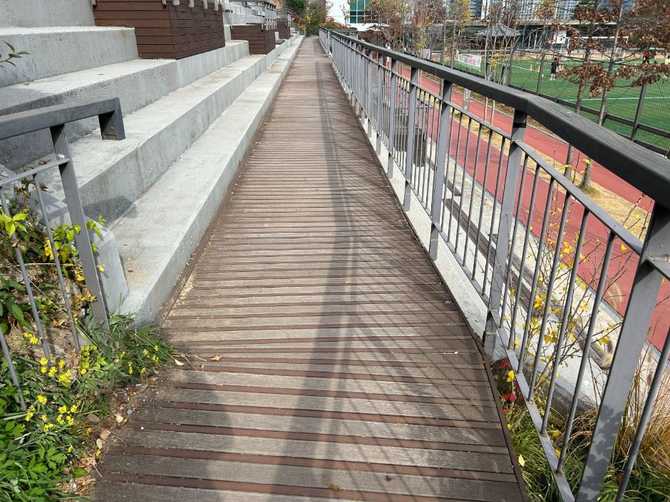
- Accessibility: Pathways are wheelchair accessible; facilities designed to accommodate visitors with mobility needs.
- Plan your visit during weekdays or early mornings to avoid crowds.
- Bring water, sun protection, and comfortable sportswear.
- Use designated parking areas; avoid illegal parking to prevent fines.
- Supervise children at all times, especially near sports courts and playgrounds.
- Follow park rules, such as keeping the environment clean and respecting other visitors.
Safety Tips & Visitor Guidelines at Sonki Jeong Sports Park
| Guideline | Details |
|---|---|
| Facility Use & Schedule | While the park is open 24/7, some programs and facilities operate on specific schedules. Always verify timings beforehand via the official website or contact the park management. |
| Environmental Care | Keep the park clean by disposing of trash in designated bins. Refrain from littering to preserve the natural environment and ensure a pleasant experience for all visitors. |
| Safety During Activities | Wear appropriate sportswear and footwear, especially when jogging or participating in sports. Avoid overexertion and take regular breaks to prevent injuries. |
| Child Supervision | Always supervise children, particularly near sports courts, playgrounds, and water fountains. Ensure they follow safety rules and stay within designated areas. |
| Pet Regulations | Pets must be leashed at all times. Clean up pet waste immediately and respect restricted zones where pets are not allowed. |
| Prohibited Activities | Smoking, alcohol consumption, and littering are strictly forbidden within the park to maintain a safe and clean environment for all visitors. |
Visitor Checklist for a Safe and Enjoyable Experience
- Check the official website or contact the park to confirm the schedule of programs and events, especially seasonal activities or special events.
- Bring essentials such as water bottles, sun protection gear (hats, sunscreen), and comfortable sportswear suitable for outdoor activities.
- Use designated parking areas, which are free of charge, and avoid illegal parking to prevent fines and inconvenience.
- Supervise children at all times, especially around sports facilities, playgrounds, and water features, to ensure their safety.
- Follow all park rules, including keeping the environment clean by disposing of trash properly and respecting other visitors’ privacy and space.
- Prepare for varying weather conditions; bring umbrellas or raincoats if necessary, and plan indoor activities in case of bad weather.
- Utilize accessible pathways and facilities designed for visitors with mobility challenges to ensure a comfortable visit for everyone.
- Be mindful of the park’s operating hours for specific programs and activities, and plan your visit accordingly to maximize your experience.
Whether you visit during the day or evening, Discover Seoul’s Sonki Jeong Sports is a meaningful stop on any Seoul itinerary for history-minded travelers.
Frequently Asked Questions (FAQ)
Q1: Is Sonki Jeong Sports Park free to enter?
An: Yes, admission to Sonki Jeong Sports Park is completely free, and visitors can enjoy the facilities without any charge. The park is open to the public year-round for recreational use.
Q2: Where is the parking lot located, and is there a fee?
An: The parking lot is situated at the south entrance of the park and offers free parking. It can accommodate a significant number of vehicles, especially during busy times.
Q3: What are the operating hours of Sonki Jeong Sports Park?
An: The park is open 24 hours every day of the year. However, some programs and facilities within the park operate on specific schedules, so it’s advisable to check in advance.
Q4: Where is the children’s library located, and who can use it?
An: The children’s library is located at the south entrance of the park. It is open to families and children, providing a space for reading and learning activities.
Q5: Are pets allowed inside Sonki Jeong Sports Park?
An: Pets are permitted as long as they are leashed and owners clean up after them. Some areas within the park may restrict pet access, so visitors should follow posted guidelines.
Q6: Do I need to make reservations for programs or activities?
An: Most programs at Sonki Jeong Sports Park operate without prior reservations, but some seasonal or special events may require advance booking. It is recommended to check the park’s official website or contact staff before your visit.
Experience the Rich Heritage and Modern Facilities of Sonki Jeong Sports Park
Visiting Sonki Jeong Sports Park offers a unique opportunity to immerse yourself in Korea’s athletic history while enjoying contemporary sports and cultural amenities. This park, located in the heart of Seoul’s Jung-gu district, is more than just a recreational space—it is a tribute to Korea’s legendary marathon runner Sonki Jeong, who made history at the 1936 Berlin Olympics. The park’s design seamlessly blends its historical significance with state-of-the-art facilities, making it an ideal destination for locals, tourists, families, and sports enthusiasts alike.
Whether you are interested in jogging along the dedicated marathon track, participating in outdoor yoga sessions, or exploring the children’s library, Sonki Jeong Sports Park provides a safe, accessible, and engaging environment for all ages. Its year-round free access, ample parking, and family-friendly amenities ensure that visitors can enjoy a healthy, active lifestyle anytime they choose. The park’s cultural programs and historical exhibits also offer enriching experiences that deepen your understanding of Korea’s sporting legacy. Make sure to plan your visit ahead of time by checking the schedule for specific programs, and always follow safety guidelines to maximize your enjoyment. A trip to this iconic Seoul park promises both physical activity and cultural appreciation, making it a must-visit destination for anyone interested in Korea’s vibrant sports heritage and modern leisure culture.