
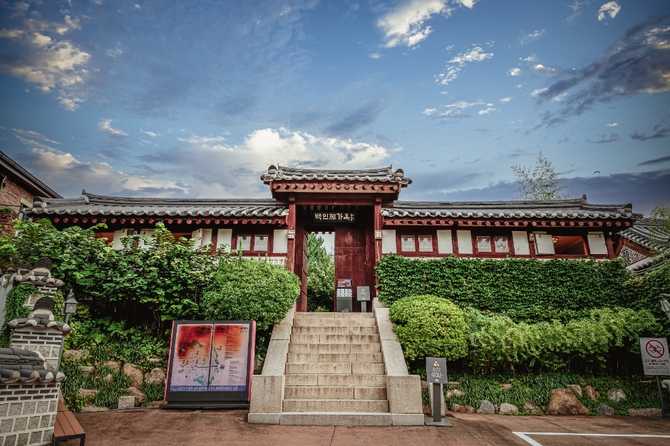
Discover the Historic Baek Inje Gaok: A Modern Hanok in Bukchon
Location 서울특별시 종로구 북촌로7길 16 (가회동)
Are you interested in exploring Korea’s traditional architecture blended with modern influences? Visiting Baek Inje Gaok offers a unique glimpse into the early 20th-century Korean hanok that embodies both heritage and historical significance. This iconic building in Bukchon Hanok Village showcases the architectural ingenuity of the Japanese colonial period, making it an essential stop for travelers eager to understand Korea’s cultural evolution.
At a glance
- Who this is for
-
- Visitors interested in Korean traditional architecture and cultural heritage
- Travelers exploring Bukchon Hanok Village
- Researchers studying modern Korean historical buildings
- Drama fans curious about filming locations
- Key takeaways
-
- Built in 1907 during the Japanese colonial era
- Features a unique structure connecting the love and anchae (main buildings) via a corridor
- Incorporates traditional materials like black pine wood and red bricks
- Design reflects both traditional Korean and modern architectural elements
- Designated as a cultural heritage site in Seoul
- Tips & cautions
-
- Internal photography may be restricted; check before visiting
- Closed on Mondays and New Year’s Day
- No parking facilities available; use public transportation
- Bottom line
- Baek Inje Gaok is a must-visit cultural heritage site that beautifully blends Korea’s traditional and modern architectural history in Bukchon.
Exploring Baek Inje Gaok provides a rare opportunity to experience Korea’s early modern architectural style firsthand. Located in the heart of Bukchon Hanok Village, this historic hanok exemplifies the architectural transition during the Japanese occupation period, reflecting both traditional Korean design and colonial influences. Built in 1907, it has been preserved as a significant cultural asset, offering visitors insights into Korea’s evolving urban landscape during the early 20th century.
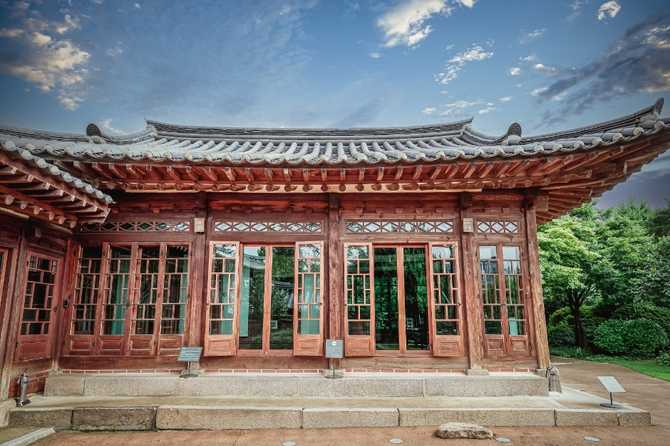
Through its distinctive structure, including the unique corridor connecting the love and anchae buildings, and the use of materials like black pine wood and red bricks, Baek Inje Gaok stands out as a prime example of Korea’s modern hanok architecture. Its gardens and auxiliary buildings, such as the Byeoldangchae, further showcase the harmonious blend of traditional aesthetics and modern functionality. Whether you are a history enthusiast, a cultural explorer, or a drama fan, visiting Baek Inje Gaok enriches your understanding of Korea’s architectural heritage.
Plan your visit to Baek Inje Gaok today and immerse yourself in a piece of Korea’s cultural history. Remember to make a reservation for guided tours and check the opening hours before your trip to ensure a smooth experience in discovering this remarkable historic site.
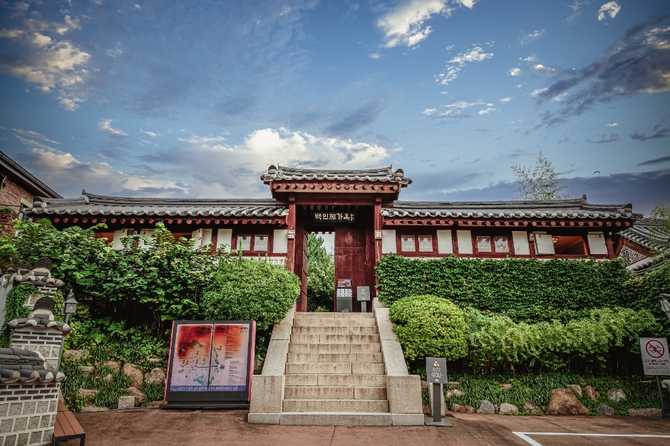
Overview of Baek Inje Gaok: A Historic Modern Hanok in Bukchon
Baek Inje Gaok is a renowned example of Korea’s modern hanok architecture, located in the heart of Bukchon Hanok Village. Built in 1907 during the Japanese colonial period, this historic building exemplifies the blend of traditional Korean design with early modern influences. As a cultural heritage site, Baek Inje Gaok offers visitors a rare glimpse into Korea’s architectural evolution during the early 20th century. Its significance lies not only in its age but also in its unique structural features that reflect the social and cultural context of the time.
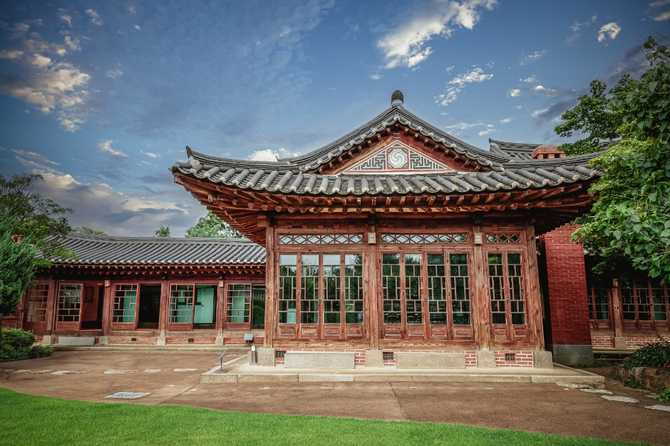
The hanok’s architecture incorporates both traditional Korean elements and colonial-era modifications, making it a valuable case study for understanding Korea’s transition from traditional to modern architecture. The building’s layout includes a lovechae (main building) and an anchae (inner quarters), connected by a corridor, which was a distinctive feature during that era. The use of materials such as black pine wood, red bricks, and traditional paper windows highlights the craftsmanship of the period. Additionally, some parts of the hanok, like the lovechae, are two stories high, adding to its architectural interest.
Today, Baek Inje Gaok is preserved as a cultural asset and is open for public visits, often accompanied by guided tours that explain its historical and architectural significance. Visitors can explore the interior, which showcases traditional Korean interior design elements like dadeumi (tatami) floors and Japanese-style corridors, reflecting the cultural exchanges of that period. The site’s gardens and auxiliary buildings, such as the Byeoldangchae, further illustrate the harmony between traditional aesthetics and modern adaptations. For travelers interested in Korea’s architectural history, Baek Inje Gaok provides a comprehensive insight into the early 20th-century modernization of Korean hanok architecture.
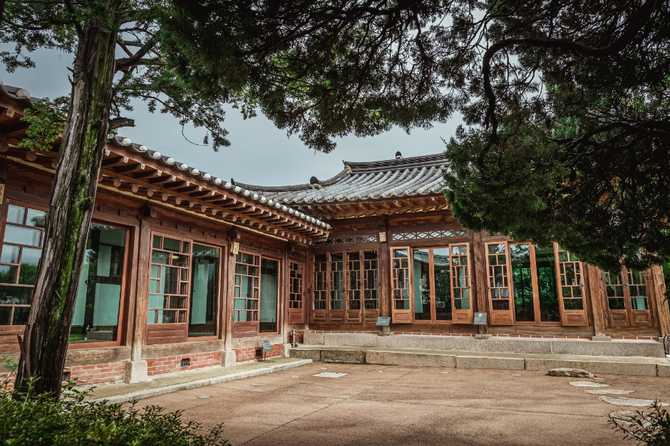
Comparison of Architectural Features of Baek Inje Gaok and Traditional Hanok
| Feature | Traditional Hanok | Baek Inje Gaok |
|---|---|---|
| Main Structure | Single-story, open layout with a focus on harmony with nature | Two-story lovechae with connected anchae via a corridor, reflecting modernization |
| Materials | Wood, clay, stone, traditional paper windows | Black pine wood, red bricks, glass windows, tatami (dareumi) rooms |
| Interior Design | Minimalist, open floor plan with ondol (underfloor heating) | Japanese influence with tatami rooms, corridors, and modern amenities |
| Architectural Style | Traditional Korean, emphasizing harmony with environment | Fusion of Korean and Japanese colonial architecture |
| Special Features | Courtyard, garden, traditional gates | Corridors, multiple spaces for social and private use, decorative bricks |
Cultural Significance and Preservation of Baek Inje Gaok
- Historical Value: As an early 20th-century hanok built during the Japanese occupation, Baek Inje Gaok embodies Korea’s transitional period in architecture, reflecting both traditional aesthetics and colonial influences.
- Architectural Significance: Its unique structure, including the corridor connection between lovechae and anchae, and the use of materials like black pine and red bricks, make it a prime example of modern hanok design.
- Cultural Heritage Designation: Recognized by Seoul as a municipal cultural asset since 1977, it plays a vital role in preserving Korea’s architectural history.
- Preservation Efforts: Ongoing restoration and research are conducted to maintain its structural integrity and historical authenticity, ensuring future generations can appreciate its beauty.
Visitor Information and How to Visit Baek Inje Gaok
| Item | Details |
|---|---|
| Address | 16 Bukchon-ro 7-gil, Gahoe-dong, Jongno-gu, Seoul |
| Operating Hours | 09:00 – 18:00 (Last admission at 17:30) |
| Closed On | Mondays and New Year’s Day (January 1st). Open on public holidays falling on Mondays. |
| Admission | Self-guided visits are allowed; guided tours are available by reservation. |
| Reservation | Recommended to book in advance for guided tours. Contact via phone or website. |
| Transportation | Accessible via public transportation; no parking available. |
Baek Inje Gaok in Media and Popular Culture
- Featured as a filming location for the popular Korean drama “Miracle,” showcasing traditional and modern architecture.
- Frequently highlighted in travel documentaries and cultural programs focusing on Bukchon Hanok Village.
- Used as a backdrop in various Korean TV shows and movies to depict historical and upper-class settings.
- Recognized in online travel guides and cultural blogs as a must-see historic hanok.
- Often included in cultural heritage tours and educational programs about Korea’s early modern architecture.
Whether you visit during the day or evening, Discover the Historic Baek Inje is a meaningful stop on any Seoul itinerary for history-minded travelers.
Frequently Asked Questions (FAQ)
Q1: When was Baek Inje Gaok built?
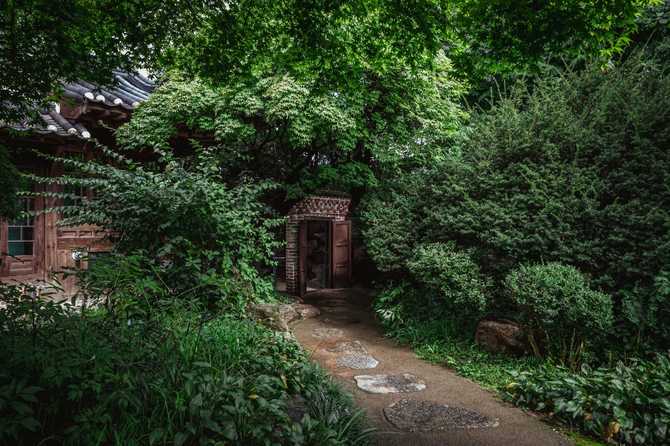
Baek Inje Gaok was constructed in 1907 during Korea’s Japanese colonial period, reflecting the architectural style of that era.
Q2: What are the distinctive architectural features of Baek Inje Gaok?
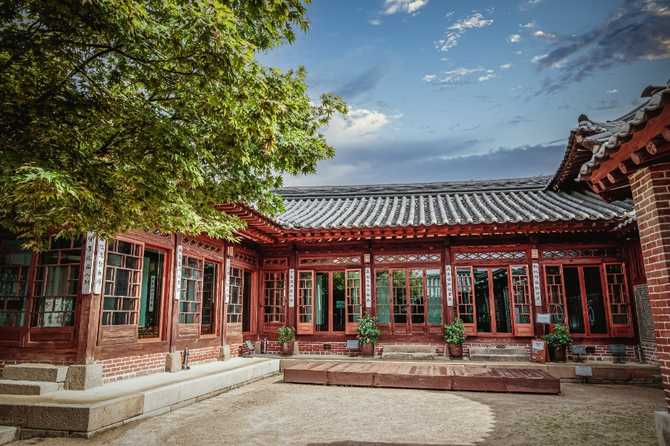
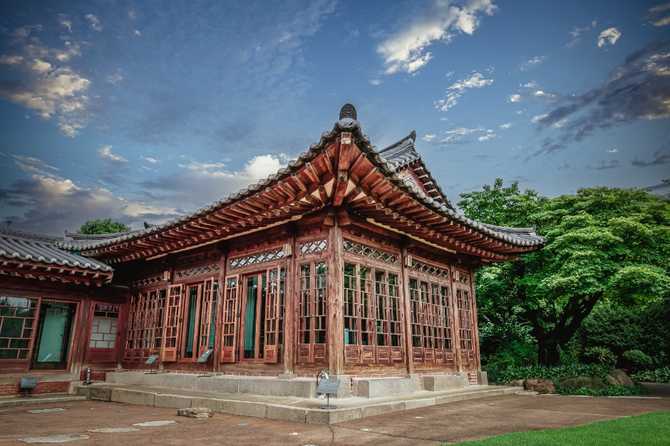
The hanok features a two-story lovechae connected to an anchae via a corridor, traditional Korean materials like black pine wood and red bricks, and Japanese influence with tatami rooms and corridors.
Q3: What materials were used in the construction of Baek Inje Gaok?
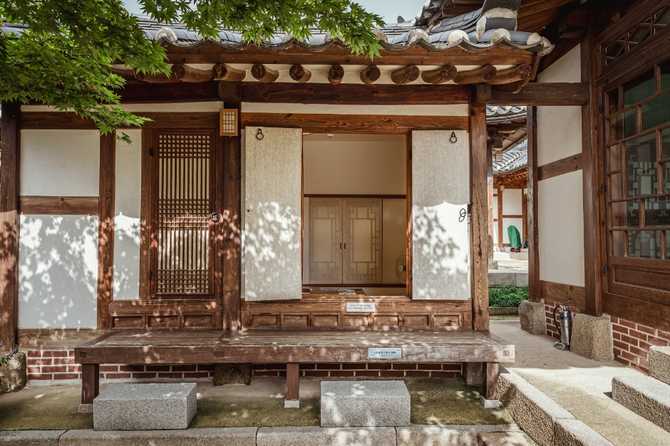
It was built using black pine wood, red bricks, glass windows, and traditional paper (dareumi) for interior doors and windows, highlighting its hybrid architectural style.
Q4: What designation does Baek Inje Gaok hold as a cultural heritage?
Baek Inje Gaok has been designated as a Seoul municipal cultural asset since 1977, recognizing its historical and architectural significance.
Q5: Can visitors go inside Baek Inje Gaok?
Yes, visitors can explore the interior, and guided tours are available by reservation to learn about its history and architecture in detail.
Q6: What are the visiting hours and closure days for Baek Inje Gaok?
The site is open from 09:00 to 18:00, with last admission at 17:30. It is closed on Mondays and New Year’s Day, but opens on public holidays that fall on Mondays.
Experience Korea’s Cultural Heritage at Baek Inje Gaok
Visiting Baek Inje Gaok offers an exceptional opportunity to immerse yourself in Korea’s rich architectural history and cultural traditions. As a distinguished example of a modern hanok built during the early 20th century, this historic site beautifully encapsulates Korea’s transition from traditional to modern architectural styles. Its unique structural features, such as the corridor connection between the lovechae and anchae, and the use of materials like black pine wood and red bricks, reflect the innovative spirit of the era. Exploring this site allows visitors to appreciate the harmonious blend of traditional Korean aesthetics with colonial influences, making it a must-visit destination for history enthusiasts, architecture lovers, and cultural explorers alike.
Whether you are strolling through its gardens, admiring the intricate craftsmanship, or learning about its historical significance through guided tours, Baek Inje Gaok provides a meaningful connection to Korea’s past. Its designation as a cultural heritage site underscores its importance and ensures that future generations can continue to appreciate its beauty and historical value. Remember to plan your visit in advance, especially if you wish to join a guided tour, and respect the preservation guidelines to help maintain this treasured site. A trip to Baek Inje Gaok is not just a sightseeing experience but a journey into Korea’s cultural soul, making it an unforgettable part of your travel adventure in Seoul.