
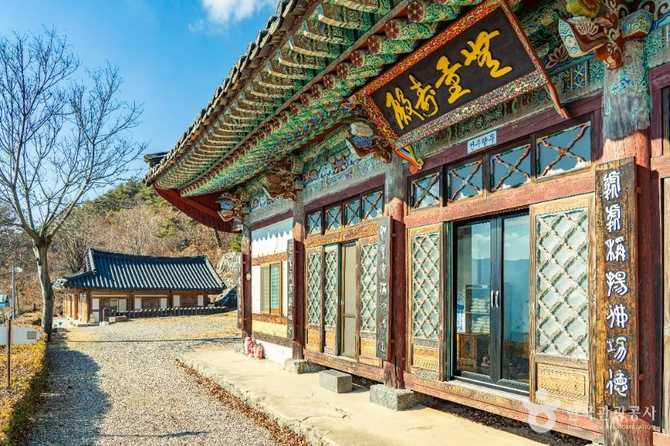
Discover the Historic and Cultural Heritage of Geumdaeam Temple in Hanyang
Are you interested in exploring Korea’s rich religious history and cultural landmarks? Geumdaeam Temple in Hanyang offers a unique glimpse into Korea’s spiritual past, with centuries-old architecture, cultural relics, and serene natural surroundings. This guide provides detailed information about Geumdaeam’s history, cultural treasures, visiting tips, and essential travel advice to help you plan an enriching visit.
At a Glance
- Who this is for
-
- Travelers interested in Korea’s historical temples and cultural heritage
- Researchers studying Korean religious sites and cultural relics
- Tourists visiting Hanyang seeking spiritual and natural experiences
- Culture enthusiasts wanting to explore traditional Korean architecture
- Key takeaways
-
- Founded in 656 AD during the Silla Dynasty, with a legendary origin story
- Home to designated cultural assets such as the Three-Story Stone Pagoda and ancient cedar trees
- Open year-round, free to visit, with 24-hour access
- Restored after the Korean War, preserving its historical significance
- Located in the scenic Macheon-myeon area of Hanyang, blending history and nature
- Tips & cautions
-
- Respect temple customs and maintain quiet during visits
- Avoid touching or damaging cultural relics
- Check weather and transportation options before visiting
- Follow environmental guidelines by disposing of trash properly
- Bottom line
- Geumdaeam Temple is a must-visit site for those interested in Korea’s spiritual and cultural history, offering a peaceful retreat amidst historical relics and natural beauty.
Welcome to our comprehensive guide on Geumdaeam Temple in Hanyang, a historic Buddhist sanctuary with a history spanning over a millennium. Located in the scenic Macheon-myeon district, this temple not only serves as a religious site but also as a cultural treasure chest, housing important relics and structures designated as cultural assets by the local government. Whether you are a history enthusiast, a cultural researcher, or a traveler seeking spiritual tranquility, Geumdaeam offers an enriching experience rooted in Korea’s deep religious traditions.
In this guide, you will find detailed information about the temple’s origins, key cultural relics, visiting hours, and practical tips to enhance your visit. Discover the legend behind its founding, explore the preserved stone pagoda and ancient trees, and learn about the importance of respecting local customs during your visit. With its accessible location and free admission, Geumdaeam Temple is an ideal destination for travelers interested in Korea’s cultural and spiritual heritage. Plan your visit today and immerse yourself in the timeless beauty of this historic site.
History and Origin of Geumdaeam Temple
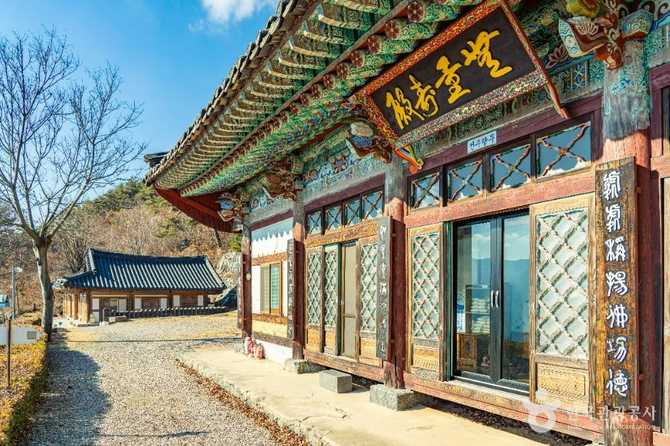
Geumdaeam Temple in Hanyang is a historic Buddhist temple with a rich legacy dating back over a millennium. As a significant cultural and spiritual site, it embodies Korea’s deep-rooted religious traditions and architectural heritage. The temple’s origins are shrouded in legend and historical records, making it a fascinating destination for visitors interested in Korea’s religious history. The focus keyword, Geumdaeam Temple, highlights its importance as a cultural landmark.
According to local legends and traditional stories, Geumdaeam was founded in 656 AD during the Silla Dynasty by the monk Haengho. Although the precise founding date remains uncertain due to the lack of concrete historical records, the legend has been passed down through generations, emphasizing its ancient origins. The temple was originally established as a place of worship and meditation, serving as a spiritual hub for the local community. Over the centuries, the temple experienced various renovations and expansions, particularly during the Unified Silla period, when prominent monks contributed to its development.
During the Goryeo Dynasty, Geumdaeam gained further prominence as a center of Buddhist learning and practice. Notably, the renowned monk Bojo Guksa is believed to have visited and contributed to its spiritual activities. The temple’s significance continued into the Joseon Dynasty, despite periods of suppression of Buddhism, with many of its relics and structures preserved or restored during later periods. The 20th century, particularly after the Korean War, saw the temple’s restoration efforts, ensuring its survival and continued role as a religious site. Today, Geumdaeam Temple stands as a testament to Korea’s enduring spiritual tradition, blending historical legend with tangible cultural assets.
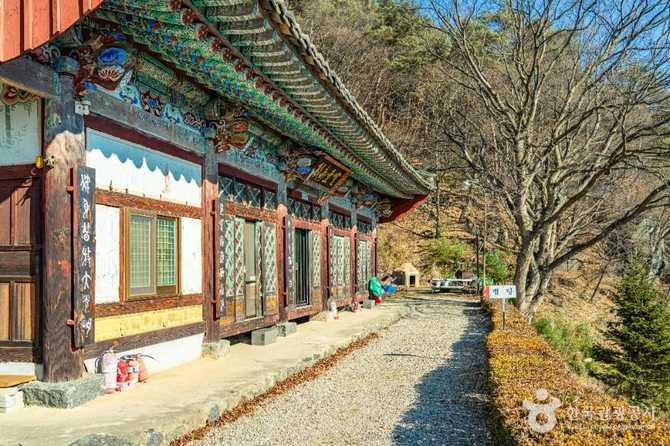
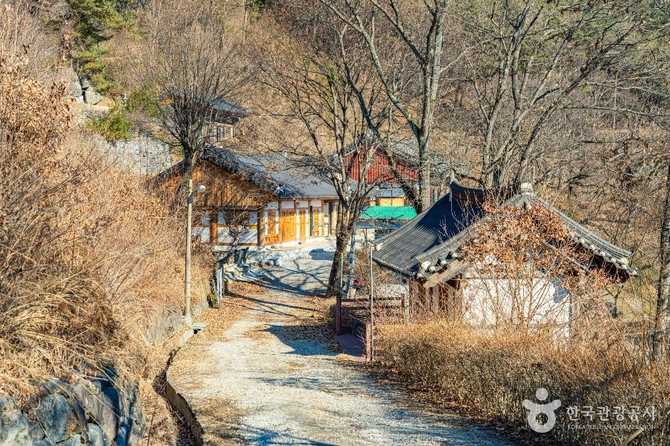
Visiting Geumdaeam offers a unique opportunity to connect with Korea’s ancient history and religious practices. The temple’s architecture, including its main hall, pagodas, and surrounding natural scenery, reflects traditional Korean Buddhist aesthetics. Its historical narrative, combined with preserved relics and ongoing religious activities, makes it a compelling destination for travelers and researchers alike. Whether exploring the legend of its founding or appreciating its cultural relics, visitors can gain a deeper understanding of Korea’s spiritual heritage at Geumdaeam Temple.
Comparison of Cultural Heritage at Geumdaeam Temple
| Cultural Heritage Item | Description | Designation | Year of Designation |
|---|---|---|---|
| Three-Story Stone Pagoda | A traditional Korean stone pagoda representing Buddhist architectural style, designated as a cultural asset. | Gyeongnam Cultural Heritage | 1972 |
| Ancient Cedar Tree | A large, centuries-old cedar tree that has become a natural monument and spiritual symbol within the temple grounds. | Gyeongnam Cultural Monument | 1998 |
| Main Hall (Daeungjeon) | The central building of the temple complex, housing important Buddhist statues and relics. | Cultural Heritage | Not designated, but historically significant |
This comparison highlights the key cultural assets preserved at Geumdaeam Temple, emphasizing its importance as a site of historical and natural significance. Visitors can appreciate both the man-made relics, such as the stone pagoda, and natural monuments like the ancient cedar, which together embody Korea’s cultural heritage.
Visiting Information & Essential Checklist for Geumdaeam Temple
- Check the weather forecast before your visit to ensure a comfortable experience, especially if you plan to walk around the temple grounds or hike nearby trails.
- Arrive early or late in the day to avoid crowds and enjoy a peaceful atmosphere for reflection and photography.
- Wear respectful attire such as modest clothing and remove your shoes when entering the main hall.
- Bring water and snacks if you plan to stay for an extended visit, especially during hot weather.
- Respect temple customs and silence during prayer or meditation sessions.
- Photograph with care and avoid taking pictures of monks or during religious ceremonies without permission.
Following this checklist ensures a respectful and enjoyable visit to Geumdaeam Temple, allowing you to fully appreciate its cultural and spiritual significance.
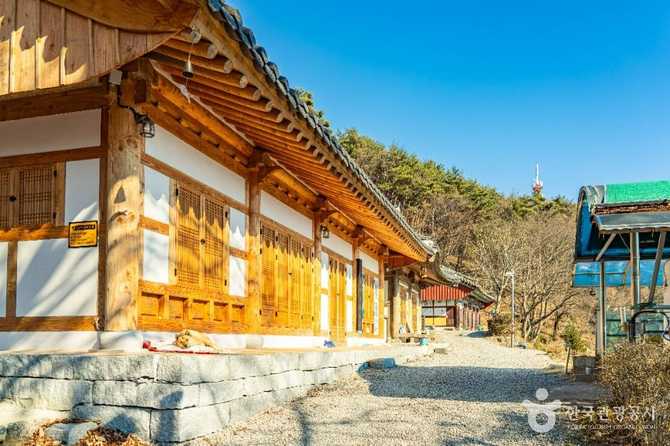
Precautions and Cultural Etiquette at Geumdaeam Temple
| Precaution | Details |
|---|---|
| Respect Cultural Relics | Do not touch, climb, or damage any cultural artifacts or relics. Preservation is vital for maintaining the site’s integrity. |
| Observe Temple Etiquette | Maintain silence, speak softly, and follow customs such as removing shoes before entering main halls or sacred areas. |
| Dress Modestly | Wear modest clothing that covers shoulders and knees, especially when participating in religious activities. |
| Photography Guidelines | Photograph only where permitted, avoiding images of monks or during sacred ceremonies without prior approval. |
| Environmental Responsibility | Dispose of trash properly and avoid disturbing the natural surroundings or wildlife. |
Recommended Tour Courses and Activities at Geumdaeam Temple
- Explore the Cultural Relics — Begin your visit by admiring the Three-Story Stone Pagoda and the ancient cedar tree, both designated cultural assets, and learn about their historical significance.
- Stroll through the Temple Grounds — Walk around the serene temple complex, taking in the traditional Korean architecture and natural scenery that surrounds the site.
- Visit the Main Hall (Daeungjeon) — Enter the central building to observe Buddhist statues and relics, and participate in or observe prayer sessions if available.
- Enjoy the Natural Environment — Take a walk along nearby trails and enjoy the peaceful natural landscape, perfect for photography and relaxation.
- Visit Nearby Attractions — Consider a short trip to nearby scenic spots such as Cheonwangbong Peak or local natural parks for hiking and panoramic views.
- Experience Local Culture — If available, participate in traditional cultural programs or seasonal festivals held at the temple or nearby community centers.
Visitor Checklist for a Smooth Trip
- Check the weather forecast before your visit to dress appropriately and plan outdoor activities.
- Arrive early in the morning or late afternoon to enjoy a quieter, more contemplative atmosphere.
- Wear respectful attire, including modest clothing and shoes suitable for walking and temple customs.
- Bring water, snacks, and any personal items needed for a comfortable visit, especially if planning to hike or stay longer.
- Follow all signs and instructions regarding cultural relics and religious practices to ensure respectful behavior.
- Capture photos considerately, avoiding interference with ongoing religious activities or monks.
- Use the designated pathways and avoid stepping on sacred areas or relics.
Whether you visit during the day or evening, Discover the Historic and Cultural is a meaningful stop on any Seoul itinerary for history-minded travelers.
Frequently Asked Questions (FAQ)
Q1: When was Geumdaeam Temple founded?
The exact founding date of Geumdaeam Temple is uncertain, but legend states it was established in 656 AD during the Silla Dynasty by monk Haengho. Historical records support its origins in the 7th century, making it over 1,300 years old.
Q2: What are the main cultural assets at Geumdaeam Temple?

The key cultural assets include the Three-Story Stone Pagoda, designated as a Gyeongnam Cultural Heritage, and the ancient cedar tree, a designated Gyeongnam Cultural Monument. The main hall also houses important Buddhist relics and statues.
Q3: Is Geumdaeam Temple open to visitors year-round?
Yes, Geumdaeam Temple is open year-round, 24 hours a day, with free admission. Visitors can access the site at any time, although it is recommended to visit during daylight hours for safety and comfort.
Q4: What should visitors be cautious about when visiting Geumdaeam Temple?
Visitors should respect cultural relics by avoiding touching or damaging them. It is also important to follow temple etiquette, such as maintaining silence and removing shoes when entering buildings, to preserve the sanctity of the site.
Q5: What are some recommended activities after visiting Geumdaeam Temple?
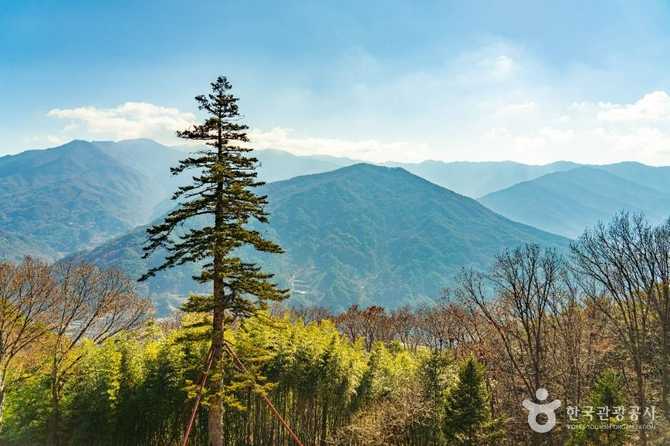
After visiting, travelers can explore nearby scenic walking trails, such as those leading to Cheonwangbong Mountain, or enjoy local cuisine featuring Hanyang’s regional specialties. Participating in traditional cultural programs or local festivals is also recommended.
Q6: How can I get more information or assistance before my visit?
For updated visiting hours, events, or inquiries, contact the Hanyang tourism office at 055-962-5500. You can also visit the official Hanyang County website for additional resources and updates.
Final Tips for Visiting Geumdaeam Temple in Hanyang
Visiting Geumdaeam Temple in Hanyang offers a meaningful opportunity to experience Korea’s rich spiritual and cultural heritage firsthand. To make the most of your visit, plan ahead by checking the weather forecast and transportation options, ensuring a smooth and comfortable trip. Remember that the temple is open year-round and free to enter, so you can visit at any time, but arriving early or late in the day can help you enjoy a quieter, more contemplative atmosphere. Respect for the temple’s customs and relics is essential; always follow proper etiquette, such as removing shoes when entering sacred spaces and maintaining silence during prayer or meditation. Be mindful of the cultural relics—touching or damaging them is strictly prohibited—and take care to preserve the natural beauty of the surroundings, including the ancient cedar trees and scenic trails. Bringing water, snacks, and a camera will enhance your experience, allowing you to capture memories and enjoy the tranquil environment. By observing these simple guidelines, your visit to Geumdaeam Temple will be both respectful and enriching, providing a deeper appreciation of Korea’s spiritual traditions and historical legacy. Whether you are seeking tranquility, cultural insight, or natural beauty, this historic site in Hanyang promises a memorable and meaningful journey into Korea’s timeless heritage. Plan your trip thoughtfully, and enjoy the serenity and cultural treasures that Geumdaeam Temple has to offer.