
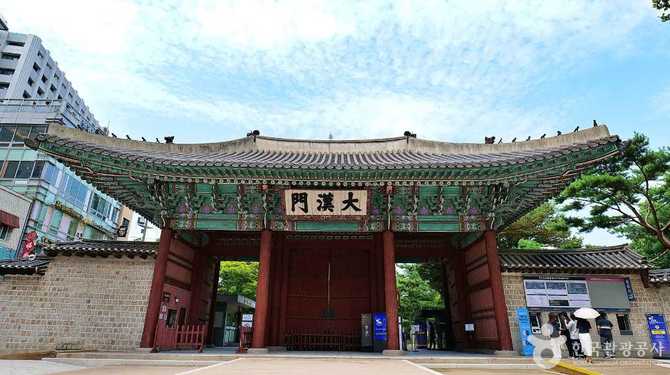
Duksugung Daemun Gate: History, Visiting Tips & Key Facts
Discover the rich history and cultural significance of Duksugung Daemun Gate, Seoul’s iconic historic landmark. Whether you’re a history enthusiast, a traveler exploring Korea’s traditional architecture, or someone seeking to understand Seoul’s royal past, this guide provides all the essential information to enhance your visit to Duksugung Palace’s main entrance.
As the symbolic gateway to Duksugung Palace, Daemun Gate embodies Korea’s blend of traditional architecture and modern history. Built in 1906, it has witnessed Korea’s transformation through the ages and remains a prominent cultural heritage site. This article offers detailed insights into the history, location, visiting hours, and practical tips for travelers planning their trip. From its historical background to visitor guidelines, learn everything you need to make your visit meaningful and enjoyable.
At a glance
- Who this is for
-
- Travelers interested in Seoul’s history and culture
- Tourists planning a visit to Duksugung Palace
- Researchers and students of traditional Korean architecture
- History buffs exploring Korea’s modern heritage
- Key takeaways
-
- Daemun Gate was originally built in 1906 as the main entrance to Duksugung Palace.
- It was relocated in the 1970s during urban expansion and restored in 1986.
- Open daily from 9:00 AM to 9:00 PM, closed on Mondays.
- Located at Seoul’s Jung-gu district, near major subway lines.
- Entry to the gate is free, but some interior exhibitions may charge admission.
- Tips & cautions
-
- Use public transportation; parking is limited.
- Check official sources for holiday or special event closures.
- Be mindful of photography restrictions inside the exhibition halls.
- Visit early mornings or late afternoons for fewer crowds.
- Bottom line
- Daemun Gate is a must-see historical landmark that beautifully symbolizes Korea’s royal and cultural heritage.
Welcome to our comprehensive guide on Duksugung Daemun Gate, Seoul’s iconic historic gateway. As the main entrance to Duksugung Palace, Daemun Gate holds a special place in Korea’s cultural and architectural history. This article aims to provide travelers and history enthusiasts with detailed information about its origins, significance, and practical tips for visiting.
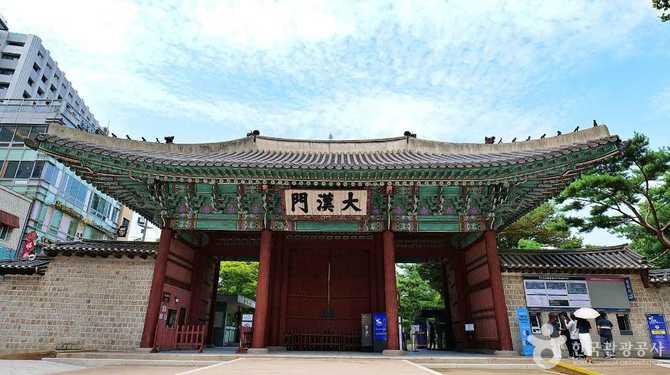
Constructed in 1906, Daemun Gate has witnessed Korea’s tumultuous modern history, from the late Joseon Dynasty to contemporary Seoul. Its traditional Korean architectural style, combined with its historical role, makes it a captivating site for visitors seeking to connect with Korea’s past. Whether you are exploring Seoul’s cultural sites or studying traditional Korean design, understanding the background of Daemun Gate will enrich your experience.
In addition to its historical importance, Daemun Gate is conveniently located in central Seoul, making it accessible via public transportation. Visitors can enjoy nearby attractions such as Duksugung Palace’s various exhibition halls, including the Stone Palace, Dondeokjeon, and Jungmyeongjeon. This guide covers everything from opening hours and accessibility to visitor tips, ensuring you make the most of your visit to this significant cultural landmark.
History and Significance of Duksugung Daemun Gate
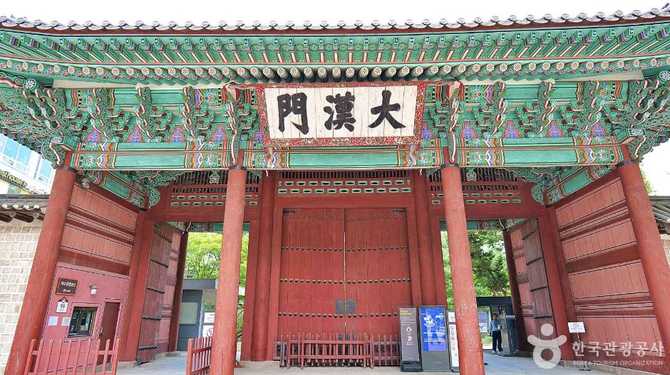
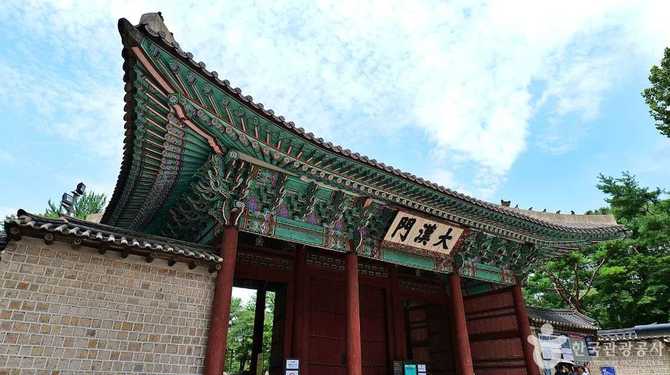
Duksugung Daemun Gate, the main entrance to Duksugung Palace in Seoul, is a historic landmark that embodies Korea’s rich cultural heritage and architectural beauty. Built in 1906, during a period of significant political and social change, the gate has served as a symbol of Korea’s national identity and resilience. Its name, “Daemun,” translates to “Great Gate,” reflecting its importance as the primary gateway to the royal palace. Over the years, Daemun Gate has witnessed Korea’s transition from the Joseon Dynasty to modern Korea, standing as a testament to the country’s enduring history. Originally located at a different position, the gate was relocated in the 1970s as part of urban development efforts, preserving its historical value amidst Seoul’s rapid modernization. The restoration work completed in 1986 further solidified its status as a cultural heritage site. The architecture of Daemun Gate showcases traditional Korean design elements, including ornate wooden carvings, vibrant colors, and a tiled roof with gracefully curved eaves. Its symbolic significance extends beyond architecture, representing Korea’s independence and national pride. Today, Daemun Gate is not only a historical monument but also a popular cultural site, attracting visitors interested in Korea’s past and traditional architecture. It stands as a proud reminder of Korea’s journey through modern history, making it a must-visit location for tourists exploring Seoul’s historical sites. Understanding the historical and cultural significance of Duksugung Daemun Gate enhances the visitor experience, allowing travelers to appreciate its role in Korea’s national story and architectural legacy.
Location and How to Get There
| Comparison Item | Details |
|---|---|
| Address | Seoul특별시 중구 세종대로 99, 정동 |
| Nearest Subway Stations | – Seoul Station (Line 1, 4) – City Hall Station (Line 1, 2) – Euljiro 1-ga Station (Line 2) |
| Public Transportation Tips | Use subway lines 1 or 2 to reach Euljiro 1-ga or City Hall stations for the most convenient access. From Seoul Station, take Line 1 or 4 to City Hall Station; from Euljiro 1-ga, walk approximately 5 minutes to the gate. |
| Driving/Parking | Limited parking available nearby; recommended to use public transportation due to traffic and parking constraints. |
Daemun Gate is centrally located in Seoul’s historic district, making it easily accessible via public transportation. The closest subway stations are Seoul Station, City Hall Station, and Euljiro 1-ga Station, all within walking distance. Visitors are advised to use the subway lines 1 or 2 for convenience, as parking is limited and traffic congestion can be heavy during peak hours. From Seoul Station, take Line 1 or 4 to reach City Hall Station, then walk approximately 10 minutes to the gate. If arriving at Euljiro 1-ga Station, exit and walk about 5 minutes to the entrance. Taxis and buses are also options, but subway travel remains the most efficient. For travelers with luggage or mobility issues, public transportation is highly recommended to avoid parking difficulties and traffic delays. The area around Daemun Gate is well-connected, with various bus routes serving the vicinity, making it straightforward for visitors to plan their journey. Before heading out, check the subway map and local transit updates to ensure smooth access to this historic site.
Visiting Hours and Holidays
- Regular Visiting Hours: 09:00 AM to 09:00 PM
- Last Admission: 08:00 PM
- Exhibition Hall Hours: 09:30 AM to 05:30 PM
- Closing Day: Every Monday
Daemun Gate is open daily from 9:00 AM to 9:00 PM, providing ample time for visitors to explore the historic site. The last admission is at 8:00 PM, so plan your arrival accordingly to avoid missing out on the experience. The exhibition halls within Duksugung Palace, including the Stone Palace, Dondeokjeon, and Jungmyeongjeon, operate from 9:30 AM to 5:30 PM. These halls showcase Korea’s royal history and traditional architecture, offering a deeper understanding of the country’s cultural heritage. The site is closed every Monday, but during public holidays or special events, the schedule may vary. It is advisable to verify the current operating hours and holiday schedule on the official website or by contacting the visitor center before your trip. For optimal visiting experience, aim to arrive early in the morning or late in the afternoon when the site is less crowded, especially during peak tourist seasons. Remember to check for any temporary closures or special exhibitions that might affect your plans.
Visitor Guidelines and Practical Tips for Daemun Gate
| Tip or Guideline | Details |
|---|---|
| Use Public Transportation | Most convenient way to visit Daemun Gate is via subway; parking is limited. Plan your route using Seoul’s subway lines 1 and 2 to nearby stations like City Hall or Euljiro 1-ga. |
| Check for Special Events | Visit the official website or contact the visitor center beforehand to confirm opening hours during holidays or special exhibitions. |
| Photography Restrictions | Inside the exhibition halls, photography may be restricted. Always observe posted signs and guidelines to respect preservation efforts. |
| Respect Quietness | Maintain a quiet environment inside the halls to preserve the atmosphere and ensure a respectful visit for all guests. |
| Wear Appropriate Footwear | Since outdoor and indoor areas may be uneven or slippery, comfortable and sturdy shoes are recommended. |
| Supervise Children | Keep children under supervision at all times, especially around outdoor structures and historical features. |
To ensure a smooth and enjoyable visit to Daemun Gate, follow these practical tips: prioritize public transportation to avoid parking issues, verify operational hours during holidays, and respect the site’s rules on photography and noise. Wearing suitable footwear will help you navigate outdoor and indoor areas comfortably, and supervising children ensures safety for all visitors. Being prepared with this knowledge will allow you to appreciate Korea’s cultural heritage fully and make your experience at Daemun Gate memorable.
Checklist for Visiting Daemun Gate
- Check the official website or contact the visitor center for current opening hours and holiday schedules.
- Plan your route using Seoul’s subway lines 1 or 2 for the most convenient access.
- Arrive early in the morning or late in the afternoon to avoid crowds.
- Wear comfortable, sturdy shoes suitable for walking outdoors and indoors.
- Bring a camera, but be mindful of photography restrictions inside exhibition halls.
- Supervise children closely during your visit.
- Prepare for weather conditions—carry an umbrella or sun protection as needed.
- Verify if there are any special exhibitions or events scheduled during your visit.
- Respect the site’s rules regarding noise and behavior to ensure a pleasant experience for all visitors.
- Use public transportation or taxis, as parking is limited around Daemun Gate.
Frequently Asked Questions (FAQ)
Q1: When was Daemun Gate at Duksugung Palace originally built?
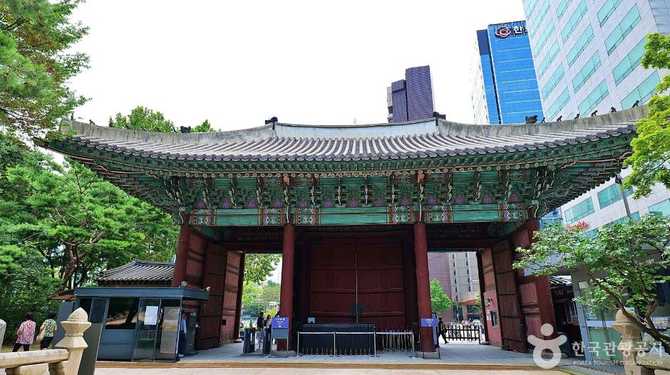
Daemun Gate was constructed in 1906 during the late Joseon Dynasty, serving as the main entrance to Duksugung Palace and a symbol of Korea’s royal heritage.
Q2: What is the historical significance of Daemun Gate?
Daemun Gate represents Korea’s national identity, resilience, and traditional architecture. It has witnessed Korea’s transition from the Joseon era to modern times and symbolizes independence and cultural pride.
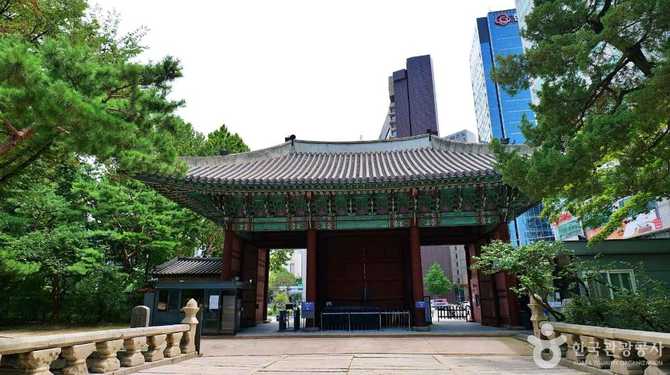
Q3: How can I reach Daemun Gate using public transportation?
It is accessible via Seoul Subway Line 1 and 2, with nearby stations including City Hall and Euljiro 1-ga. From these stations, it is a short walk to the gate, making public transit the most convenient option.
Q4: Are there any admission fees to visit Daemun Gate?
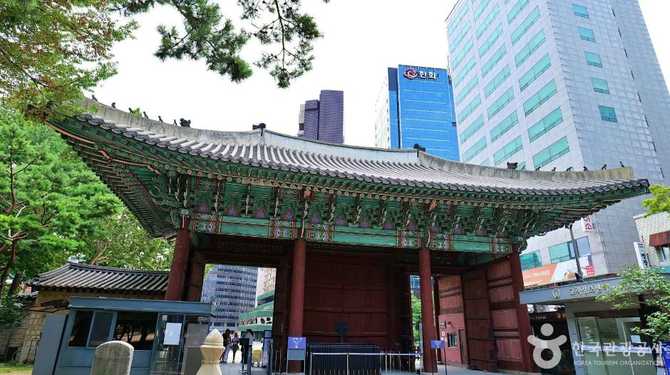
Visiting Daemun Gate itself is free of charge as part of Duksugung Palace’s outdoor area. However, some interior exhibition halls within the palace may require an admission fee.
Q5: What are the best times to visit Daemun Gate to avoid crowds?
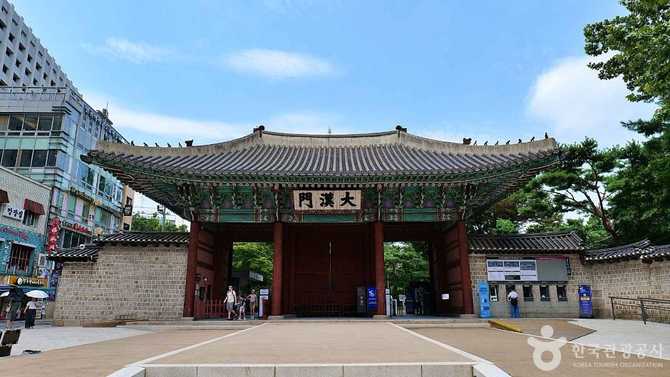
Early mornings and late afternoons tend to be less crowded, providing a more peaceful experience. Visiting during weekdays, especially outside peak tourist seasons, is also recommended.
Q6: Is parking available near Daemun Gate?
Parking facilities are limited around the area, so public transportation is highly recommended. Visitors are advised to use subway lines or nearby bus routes for convenience.
Final Tips for Visiting Duksugung Daemun Gate
Visiting Duksugung Daemun Gate offers a unique opportunity to connect with Korea’s rich cultural heritage and architectural beauty. To make your experience as smooth and enjoyable as possible, it is recommended to plan ahead by checking the latest information on opening hours and special events through the official website or visitor center. Remember that public transportation is the most convenient way to reach the site, as parking options are limited and traffic can be heavy during peak times. Using subway lines 1 or 2 to nearby stations such as City Hall or Euljiro 1-ga will save you time and hassle. Arriving early in the morning or later in the afternoon can help you avoid crowds and enjoy a more peaceful visit. Be sure to respect the site’s guidelines, such as refraining from photographing restricted areas and maintaining a quiet, respectful demeanor inside the exhibition halls. With proper preparation, your visit to Duksugung Daemun Gate will be a memorable journey into Korea’s historical and cultural legacy. Embrace this opportunity to appreciate the beauty and significance of one of Seoul’s most treasured landmarks, and take your time to explore the surrounding areas for a full cultural experience.