

출처 : ROOM
Discover the Significance of Baengma-goji War Memorial and Monument in Korea
Location 강원특별자치도 철원군 철원읍 대마1길 72
Location 강원특별자치도 철원군 철원읍 대마1길 72
Explore the historical importance of Baengma-goji, a site dedicated to commemorating the fierce Battle of Baengma-goji during the Korean War, and learn why it’s a meaningful destination for history enthusiasts and peace advocates alike.
At a glance
- Who this is for
-
- Visitors interested in Korean War history and battles
- Patriots and those wanting to honor war victims
- Educators and students seeking peace and security lessons
- Key takeaways
-
- Located at 72 Daema 1-gil, Cheorwon-eup, Cheorwon-gun, Gangwon Province
- Commemorates the intense 1952 Battle of Baengma-goji
- Features memorials, exhibits, and peace symbols
- Open year-round, free admission, parking available
- Serves as an educational site promoting peace and security
- Tips & cautions
-
- Check operating hours before visiting, as they vary seasonally
- Maintain respectful behavior during exhibits and memorials
- Confirm parking and accessibility details in advance
- Bottom line
- Baengma-goji War Memorial and Monument is a vital site to remember Korea’s war history and promote peace for future generations.
The Baengma-goji War Memorial and Monument serve as a poignant reminder of one of the most brutal battles during the Korean War. Located in Cheorwon County, Gangwon Province, this site commemorates the sacrifices made by soldiers and civilians during the fierce 1952 Battle of Baengma-goji. Visitors can explore the memorials, exhibits, and peace symbols that highlight the historical significance of this strategic location. Whether you are a history enthusiast, a patriot, or an educator, understanding the legacy of Baengma-goji offers valuable lessons in sacrifice, resilience, and the importance of peace.
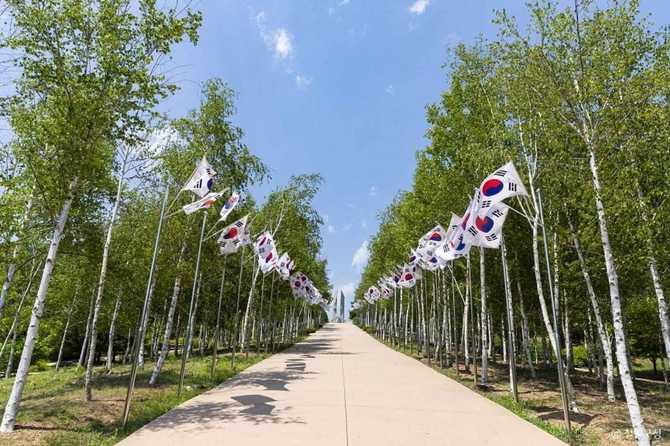
In this article, we will guide you through the history and meaning of the Baengma-goji War Memorial and Monument, including visitor information, key exhibits, and educational activities. Discover why this site remains a powerful symbol of Korea’s wartime history and its ongoing pursuit of peace and security.

The memorial complex is designed to honor the fallen and promote reflection on the devastating impacts of war. It also functions as an educational space where visitors, especially students and teachers, can learn about Korea’s turbulent past and the importance of peace efforts. With free entry and ample parking, the site is accessible year-round, inviting all who wish to remember and learn from history.
Overview of the Battle of Baengma-goji and Its Historical Significance
The Battle of Baengma-goji stands as one of the most intense and pivotal conflicts during the Korean War. Situated in Cheorwon County, Gangwon Province, the site commemorates the fierce fighting that took place in October 1952 on the strategic high ground known as Baengma-goji. This location, which translates to “White Horse Ridge,” became a symbol of resilience and sacrifice for both soldiers and civilians who endured the brutalities of war. The significance of the Battle of Baengma-goji extends beyond its military outcome; it embodies the resilience of the Korean people and the tragic costs of conflict. The battle lasted for ten days, during which the opposing forces—comprising the Republic of Korea (ROK) Army and Chinese People’s Volunteer Army—fought fiercely over control of this vital terrain. The high ground held strategic importance as it offered a commanding view of the surrounding area, making it a crucial point for military operations.

Today, the Baengma-goji War Memorial and Monument serve as a solemn reminder of this historic event. They aim to preserve the memory of those who fought and sacrificed their lives, fostering a deeper understanding of Korea’s wartime history. Visitors to the site can learn about the strategic importance of Baengma-goji, the hardships faced by soldiers, and the broader context of the Korean War. The memorial complex includes various exhibits, such as relics, photographs, and personal stories, which vividly portray the realities of combat. Recognizing the battle’s significance helps visitors appreciate the importance of peace and security in the region. The site not only commemorates military history but also promotes peace education, emphasizing the need to prevent future conflicts. By exploring the history and significance of the Battle of Baengma-goji, visitors gain insight into Korea’s resilience and the enduring hope for a peaceful future. This focus on remembrance and education makes the Baengma-goji War Memorial a meaningful destination for those interested in Korea’s wartime legacy and the ongoing pursuit of peace.
Comparison of Key Features and Exhibits at Baengma-goji War Memorial
| Feature/Exhibit | Description | Purpose/Significance |
|---|---|---|
| Memorial Plaques | Inscribed plaques honoring the fallen soldiers of the Battle of Baengma-goji, including a list of names. | To memorialize and honor the sacrifices made during the battle. |
| Exhibit Hall | Displays military relics, photographs, maps, and personal items from soldiers involved in the battle. | Provides an immersive historical experience, illustrating the realities of combat and strategic importance. |
| Relic and Artifact Displays | Includes weapons, uniforms, and equipment used during the battle. | Offers tangible connections to history, emphasizing the human aspect of war. |
| Memorial Tower | A tall structure symbolizing peace and remembrance, often used for ceremonies. | Serves as a visual symbol of peace and a focal point for memorial events. |
| Peace Bell and Bell Tower | A bell that visitors can ring to symbolize peace and hope for reconciliation. | Encourages reflection on the importance of peace and the costs of war. |
Visitor Information and Checklist for Visiting Baengma-goji War Memorial
- Operating Hours: Typically open from 09:00 to 16:00, but hours may vary seasonally. It is recommended to contact the site before your visit to confirm current hours.
- Admission: Free of charge. No entrance fee required.
- Parking: Ample parking is available free of charge. Confirm availability before your visit, especially during peak seasons.
- Respectful Behavior: Visitors should maintain silence, refrain from loud noises, and show respect at memorial sites and exhibits.
- Preparation Tips: Wear comfortable clothing and shoes suitable for walking. Bring water and sun protection if visiting in summer.
- Visiting Tips: Call ahead or check the official website for any special events or temporary closures.
Educational Value and Programs at Baengma-goji War Memorial
The Baengma-goji War Memorial and Monument serve not only as a place of remembrance but also as an active educational site that promotes understanding of Korea’s wartime history, the importance of peace, and the value of security. The site offers various programs and activities designed to educate visitors, especially students and teachers, about the realities of war and the significance of peace efforts. Engaging educational experiences help foster a sense of history and responsibility among future generations, emphasizing the importance of peaceful coexistence.

Below are the main educational activities and programs available at the memorial:

- Historical Education Tours: Guided tours that detail the strategic importance of the Battle of Baengma-goji, showcasing relics, photographs, and personal stories of soldiers involved in the conflict.
- Battle Case Studies and Storytelling: Interactive sessions where visitors learn about specific battles, hero stories, and the sacrifices made by soldiers, designed to deepen understanding of Korea’s wartime experiences.
- Peace and Security Workshops: Programs that focus on the importance of peace, conflict resolution, and security, often including role-playing activities and peace treaties simulation.
- Memorial Ceremonies and Commemorative Events: Regular ceremonies held to honor the fallen, often coinciding with national remembrance days, fostering a collective sense of gratitude and reflection.
- Educational Lectures and Seminars: Expert-led talks on topics related to Korea’s war history, peace-building efforts, and the significance of the site in contemporary security issues.
- Special Programs for Schools: Customized educational programs for students that include interactive learning, storytelling, and visits to exhibits, aiming to instill values of peace and patriotism.
Visitor Checklist for a Respectful and Meaningful Experience
- Confirm Operating Hours: Before your visit, call the site or check the official website to verify the current hours of operation, especially during seasonal changes.
- Plan Your Parking: Utilize the free parking facilities available on-site. Confirm parking availability and any restrictions beforehand to ensure smooth access.
- Dress Appropriately: Wear comfortable clothing and suitable footwear for walking around the memorial grounds and exhibits.
- Respect Memorials and Exhibits: Maintain silence, avoid loud noises, and behave respectfully, especially near memorial plaques and during ceremonies.
- Prepare for the Visit: Bring water, sun protection, and any necessary personal items. Arrive early to maximize your experience and avoid peak times.
- Follow Instructions: Adhere to guidelines provided by staff or signage, especially during educational programs or ceremonies.
- Participate Respectfully: When engaging in memorial activities, such as ringing the peace bell or offering prayers, do so quietly and with reverence.
- Check for Special Events: Contact the site in advance to learn about any scheduled commemorative events, exhibitions, or temporary closures that might enhance your visit.
- Be Mindful of Others: Share the space considerately, allowing fellow visitors to reflect and pay respects without disturbance.
Whether you visit during the day or evening, Discover the Significance of Baengma is a meaningful stop on any Seoul itinerary for history-minded travelers.
Frequently Asked Questions (FAQ)
Q1: What is the purpose of the Baengma-goji War Memorial and Monument?
The Baengma-goji War Memorial and Monument honor the soldiers and civilians who sacrificed their lives during the intense 1952 Battle of Baengma-goji in the Korean War. They serve as a site for remembrance, education, and promoting peace and security.

Q2: When did the Battle of Baengma-goji take place, and why is it significant?
The battle occurred in October 1952 and lasted for ten days, involving fierce fighting over strategic high ground. It is considered a turning point in the Korean War, symbolizing resilience and sacrifice for Korea’s independence.
Q3: What are the main exhibits and features at the Baengma-goji War Memorial?
The site includes memorial plaques, an exhibit hall with relics and photographs, personal items of soldiers, a memorial tower, and a peace bell. These exhibits illustrate the battle’s history and honor the fallen.
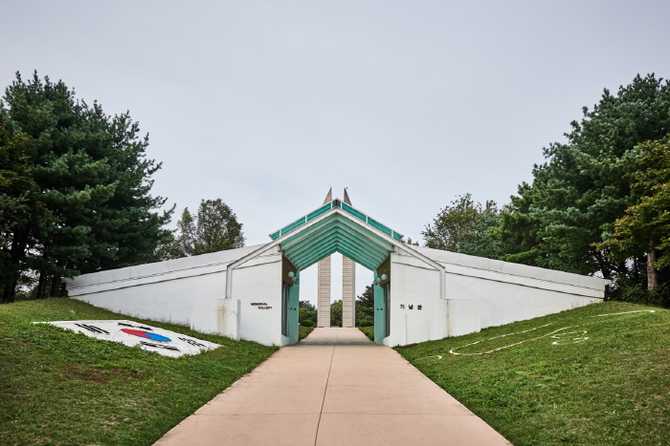
Q4: Is there an admission fee or parking available at the memorial?
No, admission is free, and ample parking facilities are available at no cost. It is recommended to confirm parking availability before your visit, especially during peak seasons.

Q5: What should visitors keep in mind when visiting the Baengma-goji War Memorial?
Visitors should check the operating hours in advance, behave respectfully at memorials and exhibits, and maintain silence. Wearing comfortable clothing and confirming parking details beforehand are also advised.
Q6: How does the Baengma-goji War Memorial serve as an educational resource?
The site offers guided tours, storytelling sessions, and educational programs that teach visitors about Korea’s wartime history, the importance of peace, and the sacrifices made during the Korean War. It aims to foster understanding and remembrance among future generations.
Conclusion: Visiting Baengma-goji War Memorial and Monument for a Deeper Understanding of Korea’s War History
A visit to the Baengma-goji War Memorial and Monument offers a meaningful opportunity to reflect on Korea’s turbulent past and the sacrifices made during one of its most intense battles. This site not only commemorates the soldiers who fought and lost their lives during the 1952 Battle of Baengma-goji but also serves as an educational platform that promotes peace, security, and reconciliation. By exploring the exhibits, relics, and memorials, visitors gain a vivid understanding of the strategic importance of this historic location and the human cost of war. It is a place that encourages respectful remembrance and fosters a collective commitment to peace. Whether you are a history enthusiast, a student, or a peace advocate, this site provides valuable insights into Korea’s wartime experiences and the enduring hope for a peaceful future. Planning your visit with attention to operational hours and conduct will ensure a respectful and enriching experience. Remember, each step taken here helps keep alive the memory of those who sacrificed everything for Korea’s freedom and peace.