
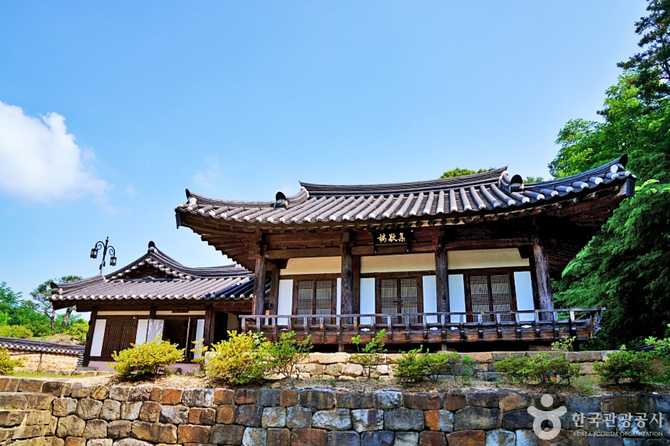
출처 : ⓒ한국관광콘텐츠랩 또는 ⓒ한국관광공사
Discover the Historic Sampanseo Hanok Village in Yeongju, Korea
Location 경상북도 영주시 가흥동 9-2
Location 경상북도 영주시 가흥동 9-2
Are you interested in exploring Korea’s rich cultural heritage through traditional architecture and historical sites? Visiting Sampanseo Hanok Village in Yeongju offers an immersive experience into Korea’s Joseon Dynasty, where you can walk through preserved traditional houses and learn about the lives of notable scholars and officials from Korea’s past.
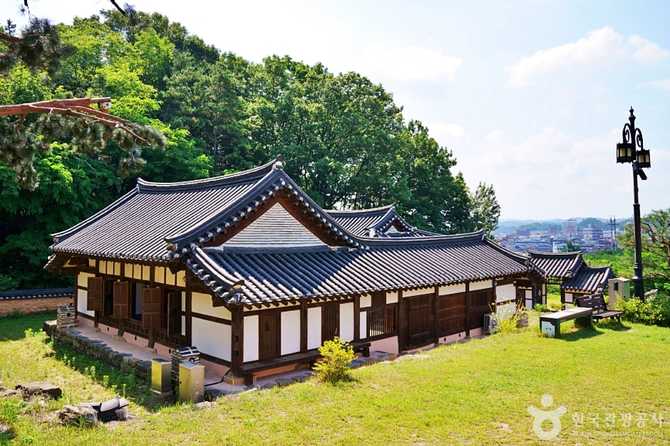
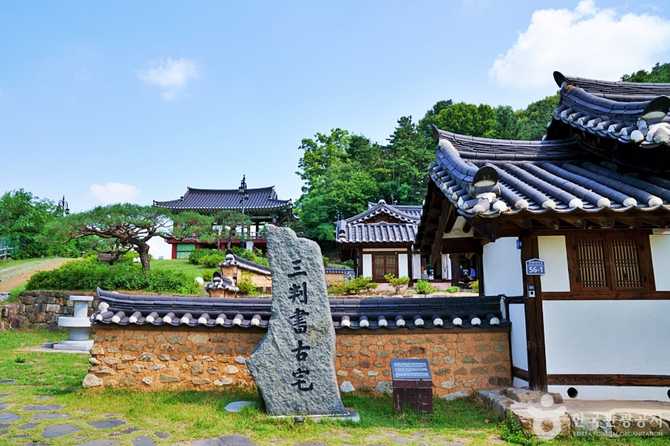
Sampanseo Hanok Village, located in Gahung-dong, Yeongju, Gyeongsangbuk-do, is a beautifully restored traditional Korean house that embodies Korea’s historical architecture and cultural legacy. This site is not only a window into Korea’s past but also a place where history enthusiasts and travelers interested in Korean culture can connect with the stories of scholars, officials, and the architectural styles of the Joseon era.
At a glance
- Who this is for
-
- Travelers interested in Korean traditional culture and history
- History buffs wanting to explore Joseon Dynasty heritage
- Students and scholars studying Korea’s architectural and cultural history
- Tourists planning cultural heritage trips in Yeongju
- Key takeaways
-
- Located at Gahung-dong 9-2, Yeongju, Gyeongsangbuk-do
- Originally built during late Goryeo and early Joseon periods
- Restored in 2008 and designated as a cultural heritage site
- Free admission with nearby cultural sites like Yeongju Hyanggyo and Jeminru
- Open year-round, except during winter closure (Nov–Mar)
- Tips & cautions
-
- Check winter closure dates before visiting (Nov–Mar)
- Preserve the site by avoiding unauthorized photos or damage
- Use public transportation or arrive early due to limited parking
- Observe respectful behavior inside the historic buildings
- Bottom line
- Sampanseo Hanok Village offers an authentic glimpse into Korea’s traditional architecture and scholarly history, making it a must-visit cultural site in Yeongju.
For travelers eager to experience Korea’s historical and cultural charm, Sampanseo Hanok Village in Yeongju provides an exceptional opportunity. This traditional Korean house complex, restored and preserved as a cultural heritage site, embodies the architectural beauty and scholarly legacy of the Joseon Dynasty. Visitors can stroll through well-preserved hanok (traditional houses), learn about influential figures like Jeong Un-gyeong, Hwang Yu-jeong, and Kim Dam, and appreciate Korea’s rich history in a serene natural setting.

Whether you are a history enthusiast, a student of Korean culture, or a traveler seeking meaningful experiences, Sampanseo Hanok Village promises an enriching journey into Korea’s past. Its proximity to other cultural sites like Yeongju Hyanggyo and Jeminru offers a comprehensive cultural exploration. Remember to check the opening hours and winter closure schedule before your visit to ensure a smooth and enjoyable experience.
Sampanseo Hanok Village Overview & Historical Background
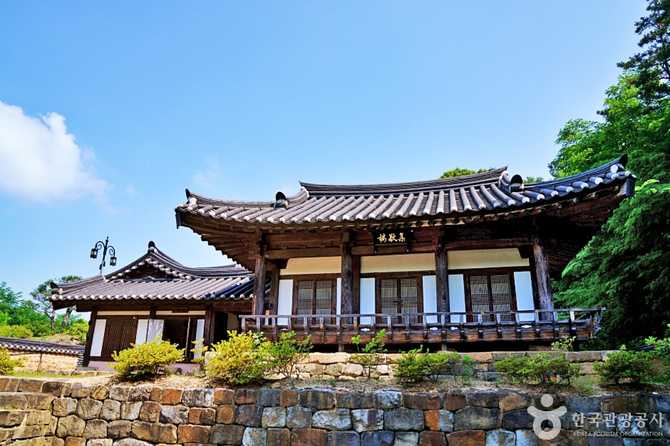
Nestled in the heart of Yeongju, Gyeongsangbuk-do, Sampanseo Hanok Village is a significant cultural heritage site that beautifully embodies Korea’s traditional architecture and scholarly history. As a traditional Korean house (hanok), this site offers visitors a rare glimpse into the lifestyle and intellectual pursuits of Korea’s Joseon Dynasty era. The village is situated at
Gahung-dong 9-2, Yeongju, Gyeongsangbuk-do, and it has been carefully restored to preserve its historical integrity. Originally built during the late Goryeo and early Joseon periods, the house served as the residence for prominent scholars and officials, including notable figures such as Jeong Un-gyeong, Hwang Yu-jeong, and Kim Dam.
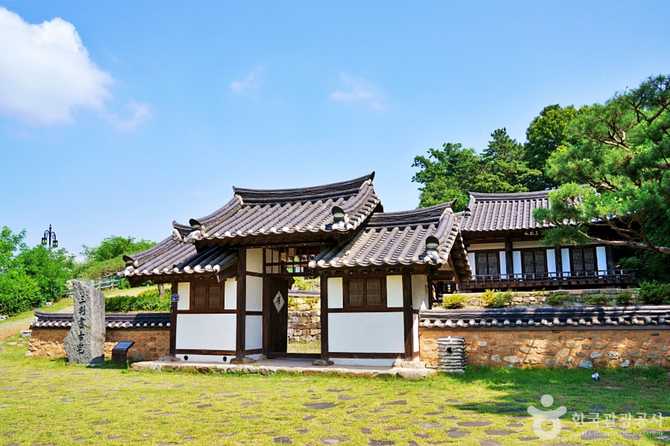
Kim Dam, in particular, is celebrated as one of Korea’s most distinguished astronomers, credited with compiling the Chiljeongsan, a pioneering calendar and astronomical text that emphasized Korea’s independence in scientific research. The house’s historical significance is further highlighted by its role as a hub for astronomy and calendar studies during the Joseon Dynasty. After suffering damage from a major flood in 1961, the house was dismantled and later reconstructed in 2008 within the scenic Guhak Park. Today, it stands as a protected cultural asset open to the public, offering an authentic experience of Korea’s scholarly and architectural heritage.
Visitors to Sampanseo Hanok Village can explore the traditional architecture, learn about the lives of historic figures, and immerse themselves in Korea’s rich academic history. The site’s natural surroundings and nearby cultural landmarks, such as Yeongju Hyanggyo and Jeminru, enrich the experience, making it a perfect destination for those interested in Korea’s cultural legacy. Whether you are a history enthusiast, architecture lover, or cultural explorer, Sampanseo Hanok Village provides a meaningful journey into Korea’s past, highlighting the importance of scholarly pursuits during the Joseon era.
Comparison of Key Historical Figures and Cultural Heritage
| Figure | Life & Achievements | Related Heritage & Contributions |
|---|---|---|
| Jeong Un-gyeong | A prominent scholar from the late Goryeo period, known as the first owner of Sampanseo Hanok. He served as a regional administrator and contributed to local governance and scholarly pursuits during turbulent times. | His residence marks the origins of the house, symbolizing Korea’s scholarly tradition during the transition from Goryeo to Joseon. |
| Hwang Yu-jeong | A Joseon-era official and scholar, son-in-law of Jeong Un-gyeong, who contributed to political reforms and academic development during early Joseon. | His residence within the village highlights the interconnected lives of influential scholars and officials of the period. |
| Kim Dam | A renowned astronomer and mathematician, credited with compiling the Chiljeongsan. His work emphasized Korea’s scientific independence and advanced astronomical research during the Joseon Dynasty. | His residence and study site within the house complex underline the importance of scientific inquiry in Korea’s history. |
Restoration & Current Status of Sampanseo Hanok Village
- Original Location & Damage: The house was originally situated south of Guhak Park (Yeongju 431), but it was dismantled in 1961 after a devastating flood caused structural damage and instability.
- Restoration Process: In 2008, the house was carefully reconstructed within the scenic Guhak Park, using traditional building techniques to preserve its historical authenticity. The restoration aimed to maintain the architectural style of the Joseon era, including the wooden framework, tiled roof, and traditional windows.
- Current Status: Today, Sampanseo Hanok Village is designated as a cultural heritage site, protected by local authorities. It is open to the public free of charge, allowing visitors to explore the traditional house and learn about Korea’s scholarly history.
Nearby Cultural Attractions & Tours
When visiting Sampanseo Hanok Village in Yeongju, take the opportunity to explore other nearby cultural and historical sites that enrich your understanding of Korea’s rich heritage. These attractions are easily accessible and provide a comprehensive cultural experience, combining traditional architecture, historical education, and natural beauty. Here are some notable sites to include in your itinerary:
-
Jeminru —
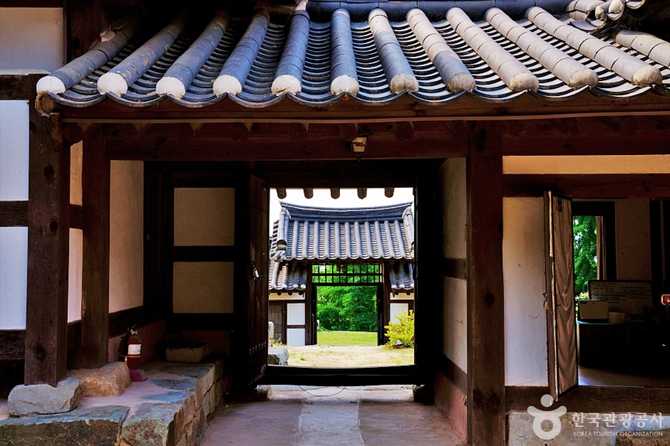
Located just behind Sampanseo Hanok Village, Jeminru is a historic pavilion that offers scenic views of the surrounding landscape. It is a peaceful spot for reflection and appreciating traditional Korean garden design. Walking distance from the village, it takes approximately 3 minutes on foot. -
Yeongju Hyanggyo —
About a 11-minute drive (roughly 4 km) from Sampanseo Hanok Village, Yeongju Hyanggyo is a historic Confucian school established during the Joseon Dynasty. Visitors can explore the ancient lecture halls, Confucian shrines, and learn about Korea’s educational heritage. -
Guhak Park (구학공원) —
The scenic park where Sampanseo Hanok was reconstructed, Guhak Park offers walking trails, traditional pavilions, and beautiful natural scenery. It’s ideal for a leisurely stroll after visiting the Hanok, and it also serves as a backdrop for cultural events. -
Other Cultural Sites —
Throughout Yeongju, explore additional historical sites such as the Yeongju Museum, which showcases artifacts from the region’s history, or the historic streets with traditional hanok architecture, perfect for a walking tour.
Visitor Tips & Important Notices
- Check the official Yeongju City tourism website or contact local authorities before your visit to confirm the opening hours and seasonal closures, especially during winter (November to March).
- Remember that Sampanseo Hanok is a protected cultural heritage site; avoid unauthorized photography, touching, or any actions that could damage the structures.
- Due to limited parking facilities, it’s recommended to use public transportation or arrive early in the day to secure a parking spot.
- The site’s typical visiting hours are from 9:00 AM to 6:00 PM. Plan your visit accordingly to avoid missing the opportunity to explore the house thoroughly.
- Dress modestly and behave respectfully inside the traditional buildings, as they are preserved cultural assets.
- During winter months (November to March), verify whether the site is open, as it may be temporarily closed for preservation or seasonal reasons.
Whether you visit during the day or evening, Discover the Historic Sampanseo Hanok is a meaningful stop on any Seoul itinerary for history-minded travelers.
Frequently Asked Questions (FAQ)
Q1: Where is Sampanseo Hanok Village located in Yeongju?
Sampanseo Hanok Village is located at Gahung-dong 9-2, Yeongju, Gyeongsangbuk-do, South Korea. It is situated within Guhak Park, near the center of Yeongju city.

Q2: What are the visiting hours for Sampanseo Hanok Village?
The site is generally open from 9:00 AM to 6:00 PM. However, it is recommended to check the Yeongju City official website or contact local tourism offices for seasonal hours and closures, especially during winter (November to March).
Q3: Is there an entrance fee to visit Sampanseo Hanok Village?
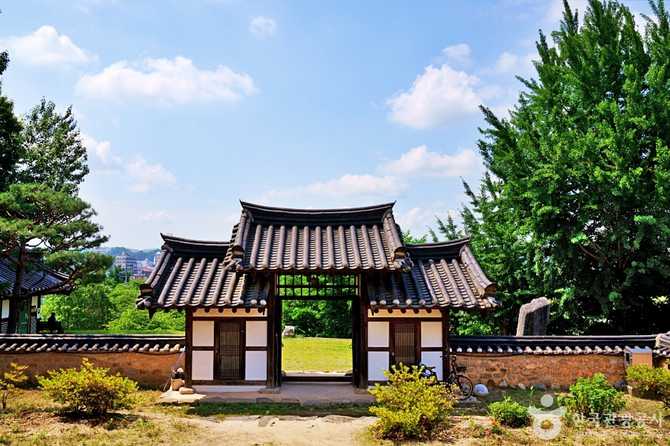
No, admission to Sampanseo Hanok Village is free of charge. Visitors can freely explore the traditional house and its surroundings without any entrance fee.
Q4: When is the best time to visit Sampanseo Hanok Village?
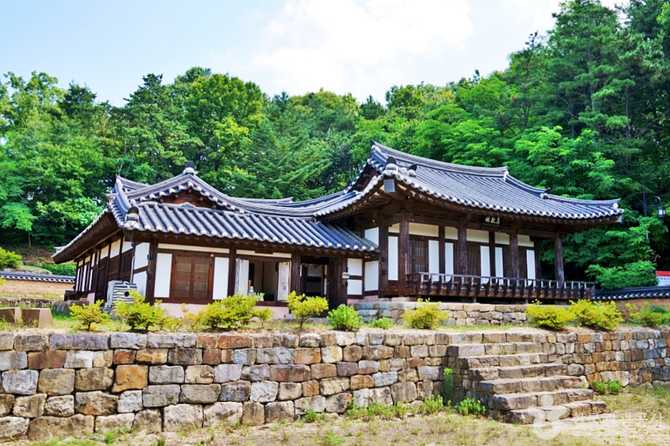
The site can be visited year-round, but it is recommended to visit during spring or autumn for pleasant weather and scenic natural views. Note that the site is closed during winter months (November to March) for maintenance and preservation.
Q5: Are there any nearby attractions to visit along with Sampanseo Hanok Village?
Yes, nearby attractions include Jeminru, a scenic pavilion just behind the village, and Yeongju Hyanggyo, a historic Confucian school about 4 km away. Guhak Park itself offers beautiful natural scenery for visitors.

Q6: What should visitors keep in mind when visiting Sampanseo Hanok Village?
Visitors should check the opening hours and seasonal closures before visiting. To help preserve the site, avoid unauthorized photography or touching the structures. Using public transportation or arriving early is recommended due to limited parking space.
Experience Korea’s Rich Heritage at Sampanseo Hanok Village in Yeongju
Visiting Sampanseo Hanok Village in Yeongju offers an authentic glimpse into Korea’s traditional architecture and scholarly history. This historic site, carefully restored and preserved as a cultural heritage, allows visitors to walk through beautifully maintained hanok (traditional Korean houses) and learn about influential figures from the late Goryeo and early Joseon periods. The village’s significance lies not only in its architectural beauty but also in its role as a hub for academic and cultural pursuits during Korea’s Joseon Dynasty. From the residence of renowned astronomer Kim Dam to the homes of notable scholars like Jeong Un-gyeong and Hwang Yu-jeong, the site encapsulates Korea’s rich intellectual legacy.
Whether you are a history enthusiast, a lover of traditional Korean architecture, or simply seeking a meaningful cultural experience, Sampanseo Hanok Village in Yeongju provides a memorable journey into Korea’s past. Its scenic natural surroundings, combined with nearby cultural sites such as Yeongju Hyanggyo and Jeminru, make it an ideal destination for a full day of exploration. Remember to check the opening hours and seasonal closures before planning your visit to ensure a smooth and enriching experience. Discover Korea’s deep cultural roots and create lasting memories at this remarkable historic site.