
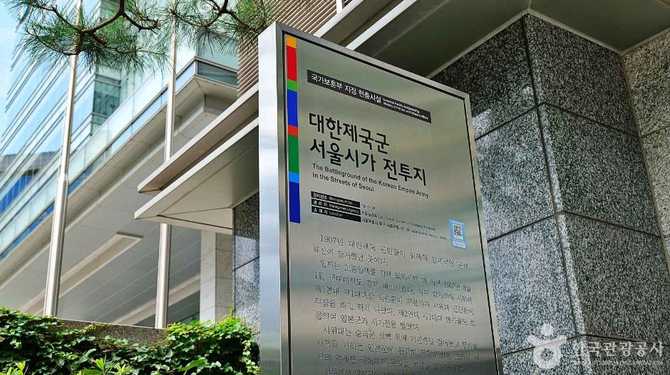
출처 : ⓒ한국관광콘텐츠랩 또는 ⓒ한국관광공사
Historical Significance of the Korea Empire Army Battle Site in Seoul
Location 서울특별시 중구 세종대로 39
Location 서울특별시 중구 세종대로 39
Discover the historical importance of the Korea Empire Army’s battle site in Seoul, a key location symbolizing Korea’s fight for independence and resistance against Japanese invasion. Whether you’re a history enthusiast, a traveler exploring Korea’s modern history, or a researcher delving into anti-colonial movements, understanding this site offers valuable insights into Korea’s struggle for sovereignty.
Located at Seoul’s central district, this site marks a pivotal moment in Korea’s early 20th-century history, specifically the fierce combat between Korea Empire forces and Japanese troops in 1907. It is not only a place of historical remembrance but also a symbol of Korea’s resilient spirit during a dark period of colonization. Today, it is preserved as a memorial and educational site, inviting visitors to reflect on the sacrifices made for Korea’s independence.
At a glance
- Who this is for
-
- History enthusiasts interested in modern Korea
- Travelers exploring Seoul’s historical sites
- Researchers studying Korea’s independence movement
- Students learning about Korea’s colonial resistance
- Key takeaways
-
- The battle occurred in 1907 between Korea Empire forces and Japanese troops
- 68 Korea Empire soldiers lost their lives, with over 100 wounded
- The site is now located within Seoul’s central district, at Sejong-daero 39
- It symbolizes Korea’s resistance and independence movement
- A memorial facility exists on the site to honor sacrifices
- Tips & cautions
-
- Visit during open hours; check official sources for updates
- Note that the site is within a public facility, so respectful behavior is advised
- Be aware that exhibit contents and site layout may change
- Parking is not available on site; plan transportation accordingly
- Bottom line
- Understanding the Korea Empire Army battle site in Seoul offers valuable insights into Korea’s fight for independence and national resilience.
Exploring the Korea Empire Army’s battle site in Seoul provides a meaningful connection to Korea’s modern history, especially its anti-colonial struggles against Japanese imperialism. This site, a testament to Korea’s resistance, is preserved as a historic landmark and educational resource, allowing visitors to reflect on the sacrifices made by those who fought for Korea’s sovereignty. The location is not only significant historically but also serves as a symbol of national pride and resilience, reminding us of the importance of independence and patriotism.
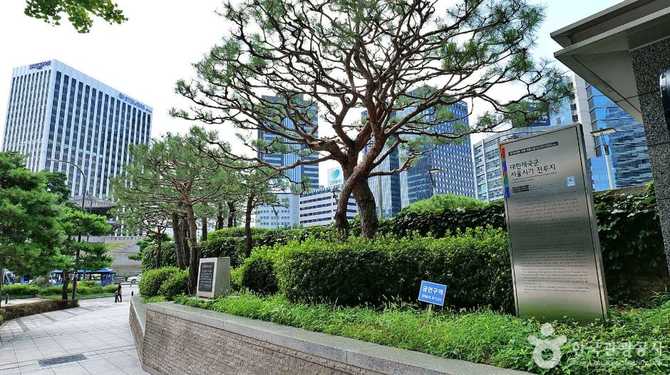
Whether you are visiting Seoul for sightseeing or conducting research, the battle site offers a profound experience. It stands as a reminder of the fierce resistance during Korea’s fight for independence, especially during the turbulent early 20th century. As you explore this historical site, you will gain a deeper understanding of Korea’s modern history, the sacrifices of its soldiers, and the ongoing importance of remembering such pivotal moments.
Historical Background of the Korea Empire Army Battle Site in Seoul
The Korea Empire Army Battle Site in Seoul is a significant historical location that marks a pivotal moment in Korea’s fight for independence during the early 20th century. Located at Seoul’s central district, this site commemorates the fierce confrontation between Korea Empire forces and Japanese troops in 1907, a key event symbolizing Korea’s resistance against colonial invasion. This battle was part of a broader anti-colonial movement that sought to preserve Korea’s sovereignty amid mounting external pressures. The conflict arose when the Korea Empire, under internal and external threats, attempted to resist Japan’s aggressive expansion into Korean territory. Despite being outnumbered and facing a formidable enemy, the Korea Empire soldiers fought valiantly to defend their homeland, demonstrating a resilient spirit that continues to inspire Koreans today.
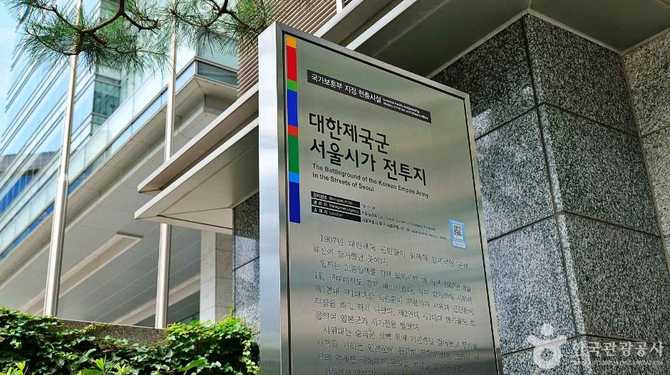
The battle resulted in significant sacrifices, with 68 soldiers losing their lives and over 100 wounded. Although the Korea Empire forces were ultimately defeated, their resistance became a symbol of national pride and the enduring desire for independence. Following the battle, the surviving soldiers reorganized as militia units, continuing their resistance through various forms of anti-Japanese activities. The site of this historic conflict is now preserved within the grounds of Seoul’s central district, specifically at Sejong-daero 39, where a memorial facility and historical markers stand as reminders of Korea’s courageous past. The event’s importance lies not only in its immediate military outcome but also in its lasting legacy as a catalyst for continued resistance and a symbol of Korea’s unwavering independence movement. Today, visitors to the site can learn about the battle’s background, the sacrifices made, and the ongoing importance of preserving Korea’s modern history, making it a must-visit location for those interested in Korea’s national resilience and anti-colonial struggles.
Comparison of Key Facts about the Korea Empire Army Battle Site in Seoul
| Aspect | Details |
|---|---|
| Location | Sejong-daero 39, Seoul, South Korea |
| Historical Event | 1907 battle between Korea Empire forces and Japanese troops |
| Casualties | 68 soldiers killed, over 100 wounded |
| Current Status | Memorial facilities and historical markers within Seoul’s central district |
| Visiting Hours | Open year-round, 24/7 (public site with memorial markers) |
| Entry Fee | Free of charge |
| Facilities | Memorial plaques, explanatory signs, and a small monument |
Visitor Information and Checklist for the Korea Empire Army Battle Site in Seoul
- Location: Sejong-daero 39, Jung-gu, Seoul
- Opening Hours: Open year-round, 24 hours; no specific closing times
- Admission: Free
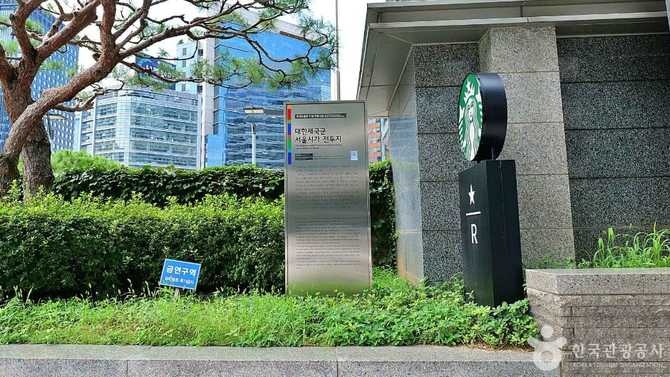
- Facilities: Memorial plaques, explanatory signs, and a small monument on-site
- Transportation: Accessible via Seoul public transportation; nearest subway station is Gyeongbokgung Station (Line 3), Exit 5
- Parking: Not available on-site; recommend using nearby public parking facilities or public transit
Significance and Modern Memorials at the Korea Empire Army Battle Site in Seoul
The Korea Empire Army Battle Site in Seoul holds profound historical significance as a symbol of Korea’s enduring resistance against colonization and foreign invasion. Today, this site functions not only as a reminder of the fierce fighting in 1907 but also as a modern memorial that honors the sacrifices of those who fought for Korea’s independence. The site’s memorial facilities serve to educate visitors about the historical context, the heroism of the soldiers, and the ongoing importance of patriotism in Korea’s national identity.
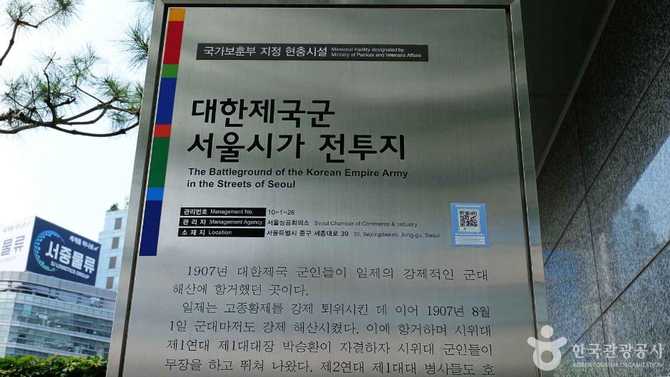
The memorials at this location include various physical markers and educational displays designed to keep the memory of the independence movement alive. These include plaques, statues, and explanatory signs that detail the events of the battle and the significance of the resistance. The Seoul Metropolitan Government and related organizations actively maintain these memorials to ensure that future generations remember the sacrifices made for Korea’s sovereignty. The site’s modern role as an educational and commemorative space underscores its importance in Korea’s collective memory and national pride.
Related Historical Sites and Resources for Korea Empire Army Battle in Seoul
- Seoul Museum of History: Offers extensive exhibits on Korea’s modern history, including the anti-colonial independence movement and related battles. Located at 55 Sejong-daero, Seoul, it provides contextual background and artifacts.
- Sejong Cultural Center: Hosts educational programs and special exhibitions related to Korea’s resistance history and cultural heritage, fostering deeper understanding of the independence struggle.
- Independence Park (Seoul): A broader site commemorating Korea’s independence movement, featuring statues, memorials, and dedicated spaces that highlight various moments in Korea’s fight for sovereignty.
- Historical Archives of Korea: A valuable resource for researchers, housing documents, photographs, and detailed records of the 1907 battle and other anti-colonial activities.
- Online Resources: The official websites of the Korean Tourism Organization and Seoul Metropolitan Government offer virtual tours, detailed histories, and visitor information for the battle site and related landmarks.
- Visit the memorial plaques and interpretive signs to understand the historical context.
- Explore related sites such as Seoul Museum of History and Independence Park for comprehensive learning.
- Use online resources and digital archives for in-depth research on the 1907 battle and Korea’s independence movement.
- Attend educational programs or guided tours offered by local cultural centers to deepen your understanding.
- Respect the memorials and maintain a respectful attitude during your visit to honor the sacrifices of those commemorated.
Whether you visit during the day or evening, Historical Significance of the Korea is a meaningful stop on any Seoul itinerary for history-minded travelers.
Frequently Asked Questions (FAQ)
Q1: Where is the Korea Empire Army battle site in Seoul located?
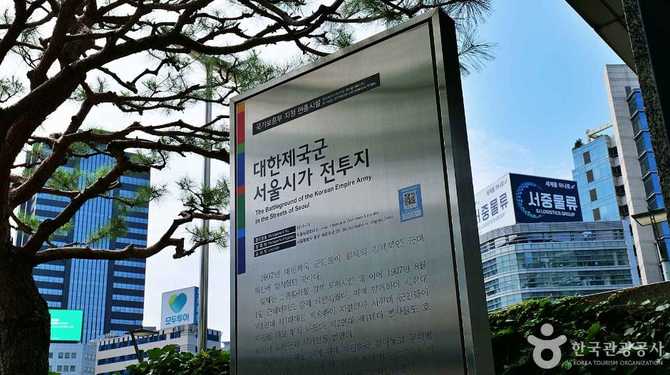
The battle site is located at Sejong-daero 39, Jung-gu, Seoul, within the grounds of the Seoul Metropolitan Government building area.
Q2: When did the Korea Empire Army battle in Seoul take place?
The battle occurred in 1907 during Korea’s anti-Japanese resistance efforts, specifically between Korea Empire forces and Japanese troops.
Q3: What were the casualties in the battle at the Korea Empire Army site?
Approximately 68 Korea Empire soldiers were killed, and over 100 were wounded during the battle in 1907.
Q4: Can I visit the Korea Empire Army battle site today?
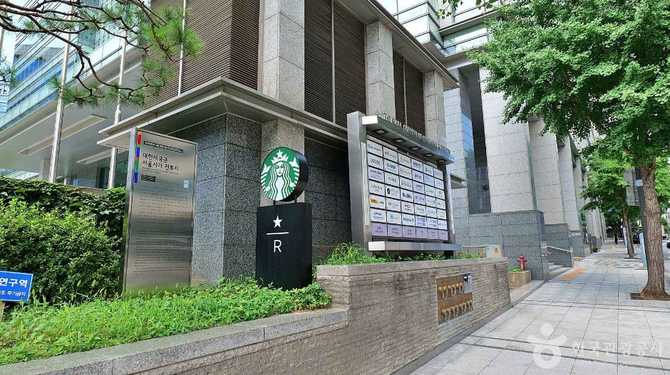
Yes, the site is open to the public year-round and is accessible at any time. It features memorial plaques and markers within a public space in Seoul.
Q5: What is the historical significance of this battle site?
This site symbolizes Korea’s resistance and independence movement against Japanese colonization, representing the sacrifices made for Korea’s sovereignty and national pride.
Q6: Are there any facilities or amenities at the battle site?
There are memorial plaques, explanatory signs, and a small monument on-site. However, parking is not available, and visitors should use public transportation.
Conclusion: Honoring Korea’s Resistance at the Battle Site in Seoul
Visiting the Korea Empire Army Battle Site in Seoul offers a meaningful opportunity to connect with Korea’s rich history of resistance and independence. This historic location stands as a powerful reminder of the sacrifices made by Korea’s soldiers during a pivotal moment in 1907, symbolizing the enduring spirit of patriotism and resilience. Today, the site is preserved as a memorial and educational space, allowing visitors to reflect on Korea’s struggle for sovereignty and the importance of remembering those who fought for the nation’s freedom. Whether you are a history enthusiast, a researcher, or a traveler interested in Korea’s modern history, exploring this site provides valuable insight into the country’s fight against colonization and imperialism. The memorials, plaques, and preserved landscape serve to honor the courage of those who resisted oppression and to inspire future generations to value independence and national pride. A visit to this historic site enriches understanding of Korea’s past and highlights the significance of preserving such vital cultural landmarks for the future.