
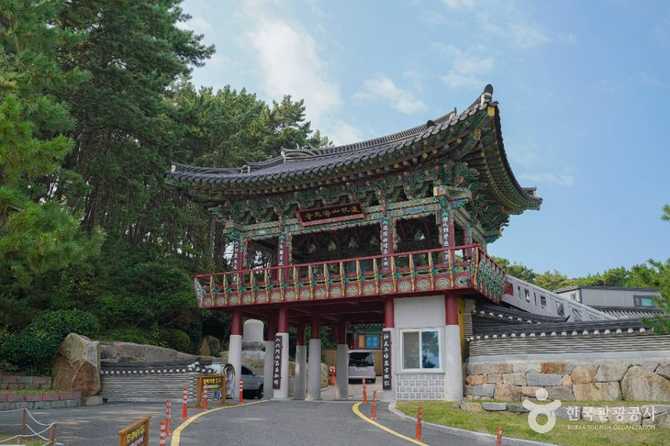
출처 : ⓒ한국관광콘텐츠랩 또는 ⓒ한국관광공사
Discover Haegwangsa Temple: A Scenic Coastal Buddhist Site in Busan
Location 부산광역시 기장군 기장읍 기장해안로 340
Location 부산광역시 기장군 기장읍 기장해안로 340
Are you seeking a tranquil temple experience that combines natural beauty with historical significance? Haegwangsa Temple in Busan offers visitors a unique chance to enjoy the sea breeze while exploring Korea’s spiritual and cultural heritage. Located on the scenic coast of Gijang County, this small yet meaningful Buddhist temple provides a peaceful retreat amid stunning ocean views and historical relics.
Haegwangsa Temple, a charming coastal temple in Busan, is renowned for its harmonious blend of natural scenery and spiritual history. Built approximately 100 years ago by monk Kim Mok-am, the temple is a serene site where visitors can immerse themselves in Korea’s Buddhist traditions while appreciating the breathtaking seaside landscape. Its key features include a wooden Buddha statue submerged in the sea and the Yongwangdan (Dragon King Pavilion), which symbolize Korea’s rich cultural narratives intertwined with nature.
At a glance
- Who this is for
-
- Travelers interested in Korea’s coastal scenery and cultural heritage
- Spiritual seekers and Buddhists exploring Korean temples
- History enthusiasts wanting to learn about regional stories
- Nature lovers seeking peaceful seaside retreats
- Visitors looking for free, accessible cultural sites in Busan
- Key takeaways
-
- Approximately 100 years old, founded by monk Kim Mok-am
- Features a wooden Buddha statue submerged in the sea and Yongwangdan
- Located at 340 Gijanghaean-ro, Gijang-eup, Busan
- Open year-round, free admission and parking
- Offers picturesque views of the ocean and natural surroundings
- Tips & cautions
-
- Prepare for sea breeze and humidity; dress accordingly
- Be cautious around historical relics and wooden statues
- Keep the environment clean by disposing of trash properly
- Avoid loud noises to preserve the tranquil atmosphere
- Visit during sunrise or sunset for optimal scenery
- Bottom line
- Haegwangsa Temple offers a peaceful coastal escape where natural beauty and historical relics create a meaningful experience in Busan.
Welcome to Haegwangsa Temple, a hidden gem nestled along the scenic coast of Gijang in Busan. This small but significant Buddhist temple provides visitors with a unique opportunity to experience Korea’s spiritual traditions amid breathtaking seaside landscapes. Whether you are a traveler eager to explore Korea’s cultural sites, a Buddhist devotee seeking a tranquil place of worship, or a nature enthusiast wanting to enjoy the ocean breeze, Haegwangsa offers a memorable visit.
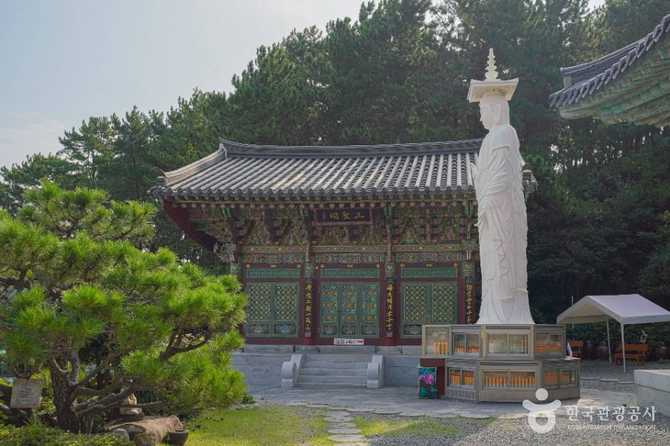
Built around a century ago by the monk Kim Mok-am, Haegwangsa is distinguished by its historical relics, including a wooden Buddha statue that was once submerged in the sea and the Yongwangdan, a pavilion dedicated to the Dragon King. These features symbolize Korea’s deep connection with nature and spiritual beliefs. The temple’s location at 340 Gijanghaean-ro makes it accessible for visitors year-round, with free parking and open access, making it an ideal destination for those seeking a peaceful retreat away from busy city life.
In addition to its spiritual significance, Haegwangsa offers stunning views of the ocean and natural surroundings, perfect for photography or quiet reflection. Visitors can enjoy the calming sound of waves, explore the relics, and appreciate the harmony between natural scenery and cultural heritage. Before visiting, it’s advisable to prepare for seaside weather conditions, such as sea breeze and humidity, and to respect the tranquil environment by maintaining silence and cleanliness.
Overview of Haegwangsa Temple: A Coastal Buddhist Sanctuary in Busan
Nestled along the scenic coastline of Gijang in Busan, Haegwangsa Temple is a charming and tranquil Buddhist site that offers visitors a unique blend of natural beauty and spiritual history. This small temple, approximately 100 years old, was founded by monk Kim Mok-am and has since become a beloved destination for those seeking peace, reflection, and cultural insight. The focus keyword, Haegwangsa Temple, encapsulates this serene coastal retreat where nature and spirituality harmonize seamlessly.
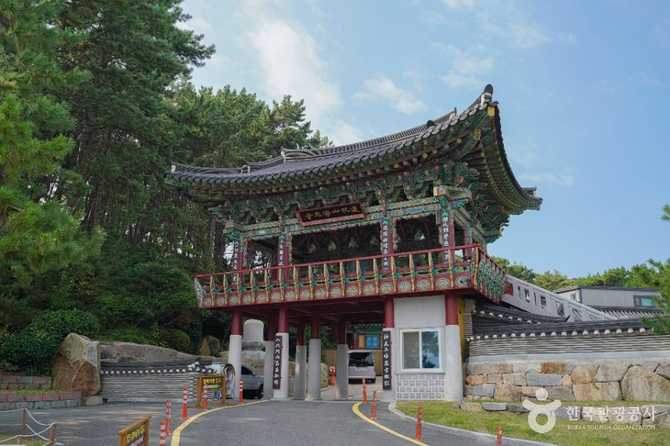
The temple’s location at 340 Gijanghaean-ro places it directly on the edge of the sea, providing breathtaking views of the ocean and surrounding natural scenery. Its most notable features include a wooden Buddha statue that was once submerged in the sea, symbolizing Korea’s deep spiritual connection with nature, and the Yongwangdan, a pavilion dedicated to the Dragon King, which is an important cultural relic. Visitors can enjoy the calming sound of waves, explore historical relics, and experience the peaceful atmosphere that the temple offers year-round, free of charge.
This temple is especially meaningful for travelers interested in Korea’s coastal landscapes, Buddhist traditions, and regional history. Its accessibility, with free parking and open access at all times, makes it an ideal stop for those exploring the scenic Gijang coast. Whether you’re a spiritual seeker, a history enthusiast, or simply someone looking to enjoy the natural beauty of Korea’s seaside, Haegwangsa provides a memorable experience. The combination of historical relics, such as the submerged wooden Buddha and the Yongwangdan, with the stunning ocean backdrop, makes this temple a must-visit destination in Busan’s cultural landscape.
Comparison of Key Features and Historical Significance of Haegwangsa Temple
| Aspect | Details |
|---|---|
| Estimated Age | Approximately 100 years old |
| Founder | Monk Kim Mok-am |
| Main Relics | Wooden Buddha statue submerged in the sea, Yongwangdan (Dragon King Pavilion) |
| Location | 340 Gijanghaean-ro, Gijang-eup, Busan |
| Accessibility | Open year-round, free admission and parking |
| Main Attractions | Sea-facing relics, natural scenic views, historical structures |
| Significance | Embodies Korea’s spiritual connection with nature and coastal history |
Compared to other coastal temples in Korea, Haegwangsa stands out for its historical relics directly linked to the sea, such as the submerged wooden Buddha statue and the Yongwangdan. Its approximately 100-year history reflects Korea’s rich Buddhist tradition and regional maritime culture. The temple’s location on the Gijang coast offers a unique combination of natural scenery and spiritual heritage, making it a distinctive site that blends history, culture, and nature seamlessly.
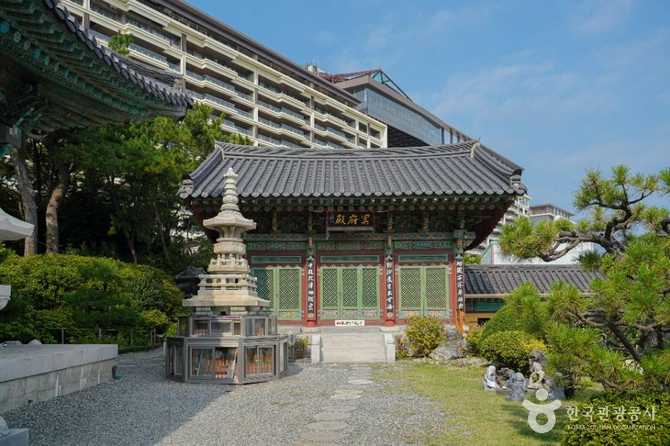
Main Attractions and Visitor Checklist for Haegwangsa Temple
- Yongwangdan (Dragon King Pavilion): A scenic pavilion dedicated to the Dragon King, offering panoramic ocean views and cultural insight.
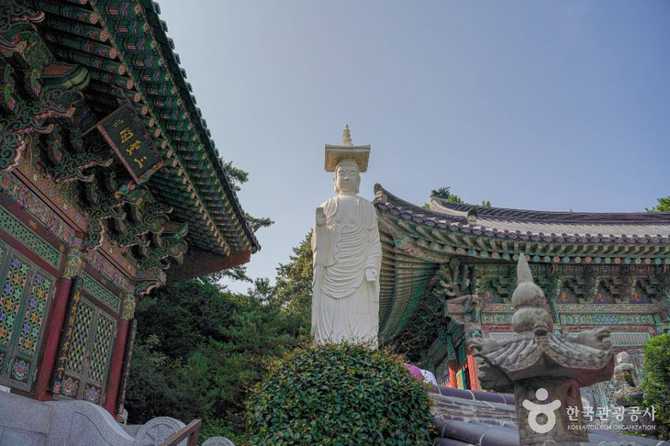
- Wooden Buddha Statue: An iconic relic that was once submerged in the sea, symbolizing Korea’s spiritual harmony with nature.
- Oryangdae (Observatory): A natural scenic spot where visitors can enjoy sweeping views of the coastline and ocean.
- Historical Relics: Explore the preserved relics and structures that highlight the temple’s historical significance.
- Natural Surroundings: The temple’s location amidst lush greenery and ocean vistas provides perfect spots for photography and relaxation.
- Prepare for seaside weather: Bring appropriate clothing for wind and humidity.
- Respect the relics: Avoid touching or damaging the historical artifacts and statues.
- Maintain cleanliness: Dispose of trash properly to preserve the natural environment.
- Be cautious near water: Stay alert around the sea and avoid climbing on fragile relics.
Visitor Information and Practical Tips for Haegwangsa Temple
| Aspect | Details |
|---|---|
| Opening Hours | Open year-round, 24 hours |
| Admission Fee | Free |
| Parking | Free parking available |
| Accessibility | Accessible by car and on foot; nearby public transportation options available |
| Best Visiting Times | Sunrise and sunset hours for stunning seaside views; weekdays for quieter experience |
Visitor Checklist and Tips for a Memorable Trip to Haegwangsa Temple
- Prepare appropriate clothing for seaside weather, including a hat and light jacket or windbreaker.
- Bring water and snacks, especially if planning to stay for an extended visit or during hot days.
- Wear comfortable shoes suitable for walking on uneven or natural terrain.
- Respect the tranquility of the temple by speaking softly and avoiding loud noises.
- Refrain from touching or climbing on relics, statues, or fragile structures to preserve their condition.
- Dispose of trash properly in designated bins to help maintain the natural environment.
- Visit during early morning or late evening hours for the best natural lighting and fewer visitors.
- Check weather conditions before your trip to ensure a comfortable experience, especially during windy or rainy days.
- Take your camera or smartphone for capturing scenic ocean views and relics, but be mindful not to disturb the peaceful atmosphere.
- If traveling by public transport, plan your route to include nearby bus stops or parking areas for convenience.
Whether you visit during the day or evening, Discover Haegwangsa Temple is a meaningful stop on any Seoul itinerary for history-minded travelers.
Frequently Asked Questions (FAQ)
Q1: When was Haegwangsa Temple founded?
Haegwangsa Temple was established approximately 100 years ago by monk Kim Mok-am, making it a historical site with deep cultural roots in the region.
Q2: What are the main attractions at Haegwangsa Temple?
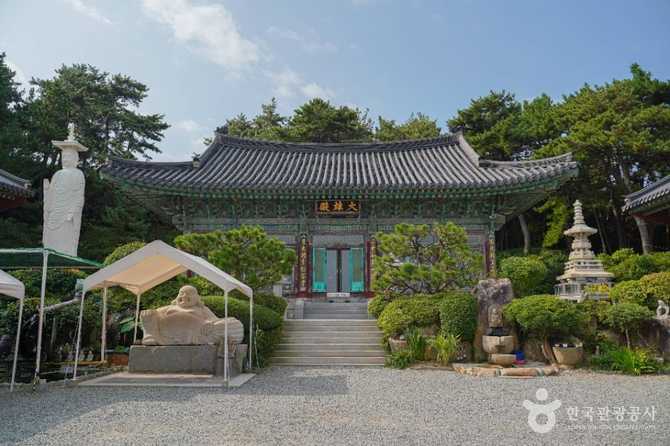
The main attractions include the Yongwangdan (Dragon King Pavilion), a wooden Buddha statue that was once submerged in the sea, and scenic spots like Oryangdae (Observatory) with panoramic ocean views.
Q3: Is there an entrance fee to visit Haegwangsa Temple?
No, Haegwangsa Temple is free to visit, and parking is also complimentary, making it accessible for all visitors at any time of the year.
Q4: What is the best time to visit Haegwangsa for scenic views?
Visiting during sunrise or sunset is ideal, as the natural lighting enhances the ocean scenery and creates a peaceful atmosphere for reflection and photography.
Q5: Are there any safety precautions I should be aware of when visiting?
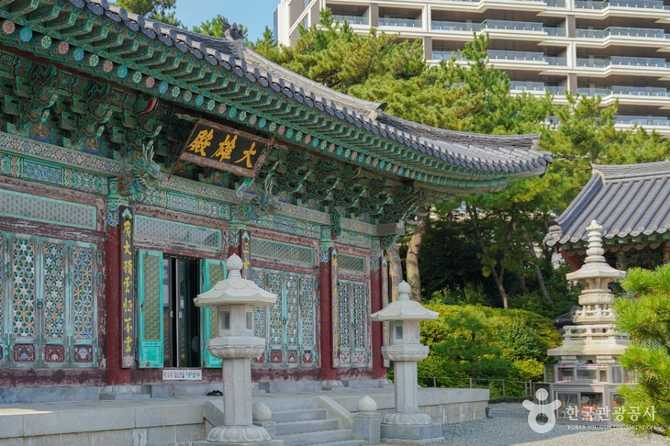
Yes, visitors should be cautious of the sea breeze and humidity, especially near relics and water. Be careful around fragile structures and avoid climbing on relics or entering restricted areas.
Q6: How can I get to Haegwangsa Temple?
The temple is located at 340 Gijanghaean-ro, Gijang-eup, Busan, and is accessible by car with free parking. It is open year-round, making it easy to visit during any season.
Final Tips for Visiting Haegwangsa Temple
Visiting Haegwangsa Temple offers a unique opportunity to experience Korea’s coastal beauty alongside its rich spiritual and cultural heritage. To make the most of your trip, plan your visit during the early morning or late afternoon hours, when the natural lighting enhances the scenic views of the ocean and surrounding landscape. Remember to dress appropriately for seaside weather—light, breathable clothing, and a hat or umbrella are recommended to protect against the sun and wind. Since the temple is located right by the coast, be cautious around water and fragile relics, and always respect the peaceful atmosphere by maintaining silence and refraining from loud noises. Bringing a camera or smartphone to capture the stunning scenery is highly encouraged, especially during sunrise or sunset, when the colors of the sky complement the tranquil setting. Additionally, pack some water and snacks, as the area is remote and amenities are limited. Lastly, be mindful of preserving the natural environment—dispose of trash properly and avoid damaging any relics or plants. With thoughtful preparation, your visit to Haegwangsa Temple will be a memorable and enriching experience, blending natural serenity with historical depth in one of Korea’s most scenic coastal locations.