
출처 : ⓒ한국관광콘텐츠랩 또는 ⓒ한국관광공사
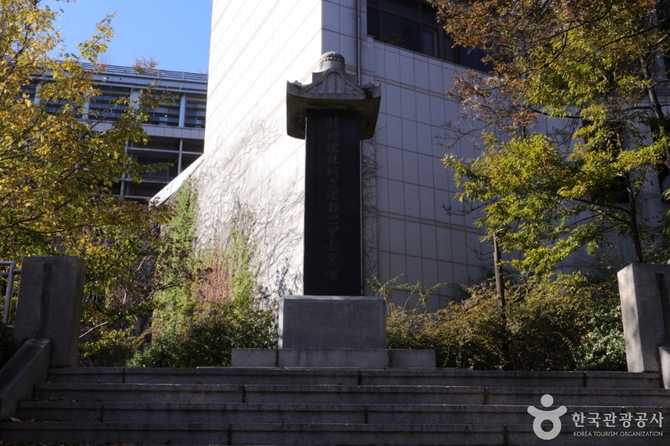
Korean Independence Movement Memorial at Paris: Honoring the 1919 Declaration
Location 서울특별시 중구 동호로 257-8 (장충동2가)
Location 서울특별시 중구 동호로 257-8 (장충동2가)
Discover the historical significance of the Korean Independence Movement Memorial at Paris, a powerful symbol of Korea’s fight for independence during the early 20th century. This memorial commemorates the efforts of Korean scholars and patriots who submitted a declaration of independence to the 1919 Paris Peace Conference, a pivotal moment in Korea’s struggle against Japanese colonial rule. Whether you’re a history enthusiast, a researcher, or a traveler interested in Korea’s independence legacy, understanding the story behind this monument offers valuable insights into Korea’s national history.
The Korean Independence Movement Memorial at Paris stands as a testament to the resilience and patriotism of Korean patriots who, despite facing Japanese oppression, sought international support for Korea’s sovereignty. The memorial’s location in Seoul and its numerous replicas across the country serve to remind us of the enduring spirit of independence that continues to inspire generations. This guide provides detailed information about the memorial’s history, the activities of the Korean scholars involved, and the ongoing efforts to preserve this important heritage.
At a glance
- Who this is for
-
- Individuals interested in Korean independence history
- Travelers seeking meaningful cultural landmarks in Korea
- Researchers studying early 20th-century Korean activism
- History educators and students
- Key takeaways
-
- The memorial commemorates the 1919 submission of Korea’s independence appeal to the Paris Peace Conference.
- It symbolizes Korea’s resistance against Japanese colonial rule and international efforts for sovereignty.
- Located at Seoul, with additional monuments across the country established since 1977.
- The memorial highlights the role of Korean scholars and patriots in the independence movement.
- Despite Japanese repression, the movement’s legacy continues to be honored today.
- Tips & cautions
-
- Visit during daylight hours for the best experience and safety.
- Respect the memorial site and its historical significance.
- Check local guidelines for visiting the monument, especially during special events.
- Bottom line
- The Korean Independence Movement Memorial at Paris is a vital symbol of Korea’s enduring fight for sovereignty and national pride.
Understanding the history of the Korean Independence Movement Memorial at Paris provides valuable context for Korea’s ongoing efforts to preserve its independence legacy. This memorial not only commemorates a specific historical event—the submission of the independence appeal in 1919—but also embodies the spirit of resistance that defined Korea’s modern history. The story of the Korean scholars who participated in this movement, their sacrifices, and the subsequent memorials built across Korea serve as enduring reminders of the nation’s resilience.
For visitors, students, and researchers, exploring this monument offers a tangible connection to Korea’s fight for independence. The memorial’s location in Seoul, along with the various regional installations, reflects the collective effort of the Korean people to remember and honor their ancestors’ sacrifices. Whether you are visiting for educational purposes or personal reflection, learning about the Korean Independence Movement Memorial at Paris enriches your understanding of Korea’s national identity and historical struggles.
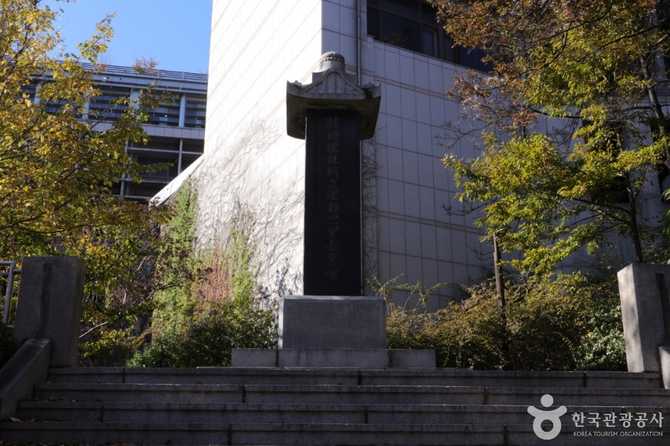
Overview of the Korean Independence Movement Memorial at Paris
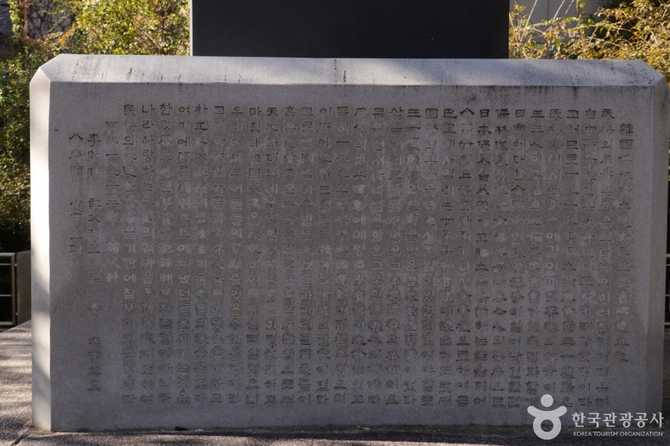
The Korean Independence Movement Memorial at Paris is a significant historical landmark that commemorates Korea’s efforts to gain independence from Japanese colonial rule. Established to honor the courageous actions of Korean patriots who submitted a declaration of independence to the 1919 Paris Peace Conference, this memorial symbolizes the resilience and unwavering spirit of the Korean people during a critical period of their history. The memorial’s primary focus is to preserve the memory of the 137 Korean scholars and patriots who, risking their lives, sought international support for Korea’s sovereignty amidst oppressive Japanese policies.
The memorial is not only a physical monument but also a reminder of the broader independence movement that spanned many years and regions. It highlights the importance of diplomatic efforts and grassroots activism in Korea’s fight for freedom. The submission of the independence appeal in 1919 was a strategic act aimed at exposing Japan’s illegal occupation and rallying global support for Korean independence. The memorial’s location in Seoul, along with various replicas across the country, underscores its importance as a national symbol of resistance and patriotism.
Today, the Korean Independence Movement Memorial at Paris continues to serve as an educational and cultural site, inspiring new generations to remember their history and uphold the values of independence and sovereignty. It also functions as a bridge connecting Korea’s past struggles with its present aspirations for peace and democracy. Visitors to the memorial can learn about the historical context of the 1919 independence appeal, the activities of the Korean scholars involved, and the ongoing efforts to preserve this vital part of Korea’s national heritage.
Japanese Suppression and Korean Resistance
During the Japanese colonial period, the efforts of Korean patriots involved in the Paris Declaration faced severe repression. Japan, aiming to suppress the independence movement, targeted those who participated in the submission of the independence appeal, leading to arrests, imprisonments, and various forms of persecution. The most notable incident was the First Korean Patriot Uprising (제1차 유림단 사건), which exemplifies Japan’s aggressive crackdown on independence activists.
Below is a summary of key events related to Japanese suppression of the independence movement:
| Event | Details | Outcome |
|---|---|---|
| First Korean Patriot Uprising (제1차 유림단 사건) | Japanese authorities arrested and imprisoned Korean patriots involved in the submission of the independence appeal, aiming to dismantle the movement. | Many activists were detained, but the movement persisted, inspiring future resistance efforts. |
| Mass arrests of patriots | Following the suppression efforts, numerous independence activists faced incarceration, intimidation, and exile. | Despite repression, the patriotic spirit remained strong, fueling subsequent resistance activities. |
| Impact on the independence movement | The Japanese crackdown temporarily hindered organized activities but failed to extinguish the independence movement. | The resistance continued clandestinely, reinforcing the legacy of the independence movement. |
Modern Significance and Commemorative Activities
Today, the Korean Independence Movement Memorials serve as vital symbols of Korea’s enduring fight for sovereignty. Since the first monument was erected at Chungnungdan Park in Seoul in 1977, numerous additional memorials have been established across the country to honor the patriotism and sacrifices of those involved in the independence efforts.
The key commemorative activities include:
- Annual memorial ceremonies held at major monuments, especially on March 1st Movement Day and Independence Day.
- Educational programs and exhibitions in museums dedicated to the independence movement.
- Community events and remembrance marches to honor the patriotism of Korean ancestors.
- Preservation and restoration projects for existing memorial sites to ensure their longevity.
- International exchanges and cultural programs to promote awareness of Korea’s independence history globally.
These activities aim to keep the spirit of independence alive, fostering national pride and historical awareness among current and future generations. The memorials and commemorative events serve as a reminder of Korea’s resilience and the ongoing quest for sovereignty and peace.
Frequently Asked Questions (FAQ)
Q1: What is the significance of the Korean Independence Movement Memorial at Paris?
The memorial commemorates Korea’s efforts to gain independence by submitting a declaration to the 1919 Paris Peace Conference. It symbolizes the resilience and patriotism of Korean scholars and patriots during Japanese colonial rule. The monument serves as a reminder of Korea’s ongoing fight for sovereignty and national pride.
Q2: Where is the Korean Independence Movement Memorial at Paris located?
The original memorial is located at Seoul’s Jangchung-dan Park, with additional monuments established across various regions in Korea. Notable sites include Gyeongsangnam-do, Jeollabuk-do, and Gyeongsangbuk-do, among others. These memorials are accessible to visitors interested in Korea’s independence history.
Q3: What events led to the creation of the Korean independence appeal in 1919?
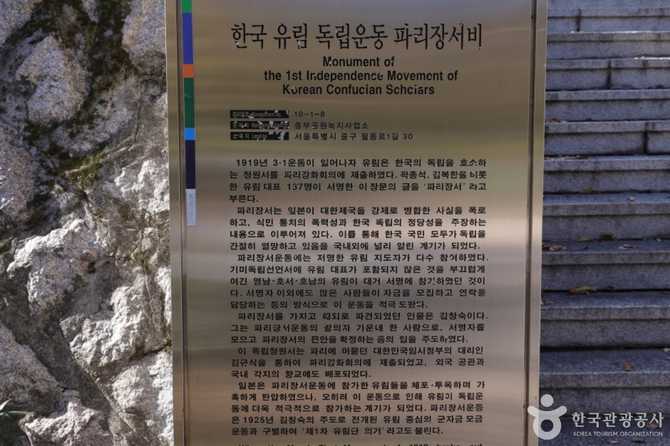
Korean scholars and patriots, totaling 137 participants, drafted and submitted a declaration protesting Japanese colonial rule at the 1919 Paris Peace Conference. This act aimed to expose Japan’s illegal occupation and rally international support for Korean independence. The appeal marked a significant diplomatic effort in Korea’s independence movement.
Q4: How did Japan respond to the Korean independence appeal at Paris?
Japan responded with severe repression, arresting and imprisoning many Korean patriots involved in the movement. Notably, the First Korean Patriot Uprising (제1차 유림단 사건) was a crackdown on those participating in the submission. Despite these efforts, the independence movement persisted clandestinely.
Q5: What role do the memorials play today in Korea’s history and culture?
The memorials serve as symbols of Korea’s enduring independence spirit and patriotism. They host annual ceremonies, educational programs, and cultural events to honor the sacrifices of independence activists. These sites help foster national pride and serve as educational tools for future generations.
Q6: Why is the submission of the independence appeal in 1919 considered a pivotal moment?
It represented Korea’s formal diplomatic effort to assert sovereignty on the international stage during Japanese colonization. The appeal highlighted Korea’s resistance and desire for independence, inspiring subsequent activism and memorialization efforts. It remains a key symbol of Korea’s independence legacy.
Conclusion: Honoring Korea’s Struggle for Independence
The Korean Independence Movement Memorial at Paris stands as a powerful symbol of Korea’s unwavering commitment to sovereignty and national pride. It commemorates the courageous efforts of Korean patriots who, in 1919, submitted the historic independence appeal to the Paris Peace Conference, risking their lives under Japanese colonial rule. This memorial not only honors their sacrifice but also embodies the enduring spirit of resistance that has shaped Korea’s modern history.
Today, the memorial and its various replicas across Korea serve as vital reminders of the importance of independence, patriotism, and resilience. They inspire current and future generations to cherish their sovereignty and remember the sacrifices made by those who fought for Korea’s freedom. Visiting these sites offers a meaningful connection to Korea’s rich history and a deeper understanding of the collective effort that led to independence.
If you are interested in Korea’s independence movement, exploring the Korean Independence Movement Memorial at Paris and its related monuments provides valuable insight into this pivotal chapter. It highlights the persistent struggle against colonial oppression and celebrates the enduring legacy of patriotism. Whether for educational purposes or personal reflection, these memorials remind us of the resilience and determination that continue to define Korea today. By understanding this significant history, visitors can gain a greater appreciation for Korea’s journey toward sovereignty and peace, making the memorial a meaningful destination for all who seek to honor Korea’s proud past.