
출처 : ⓒ한국관광콘텐츠랩 또는 ⓒ한국관광공사
Ryusoonjeong and Ryu Hong Ancestor Graves: Korea’s Historic Joseon Dynasty Memorials
Location 서울특별시 구로구 오류동 산43-31, 산43-32
Location 서울특별시 구로구 오류동 산43-31, 산43-32
Discover the historical significance and cultural value of the Ryusoonjeong and Ryu Hong ancestor graves, an important example of Joseon Dynasty memorial traditions. Whether you’re a history researcher, a cultural heritage enthusiast, or a traveler exploring Seoul’s heritage sites, understanding these royal and noble graves offers a unique glimpse into Korea’s rich past.
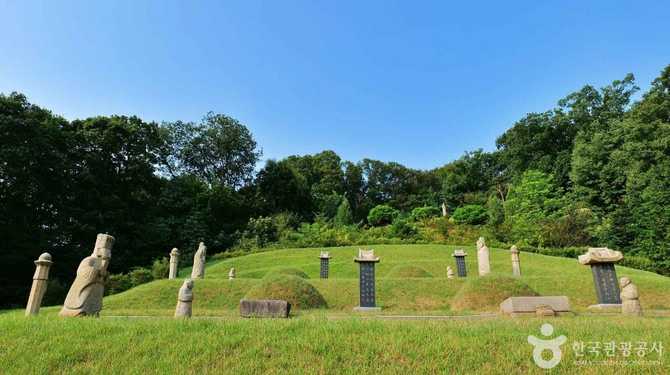
In this guide, we delve into the origins, architectural features, and preservation status of the Ryusoonjeong and Ryu Hong graves, which represent the Joseon Dynasty’s funeral customs for meritorious officials. These ancestral tombs are not only significant for their historical context but also serve as tangible links to Korea’s royal and political history. Visitors can explore the unique stone carvings, traditional layout, and the lives of the notable figures buried here, including Ryusoonjeong, a prominent 15th-century scholar and official, and his son Ryu Hong, a military figure of the 16th century.
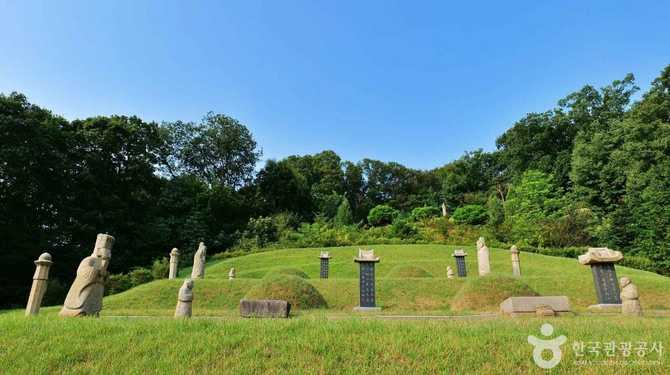
As the only remaining site of its kind in Seoul, this ancestral graveyard embodies the traditional Joseon Dynasty funeral rites, the societal values of filial piety, and the political hierarchy of the era. Its designation as a cultural heritage site underscores its importance for understanding Korea’s historical and cultural landscape. Whether you are planning a cultural tour, conducting research, or simply interested in Korea’s ancestral customs, this site offers invaluable insights into Korea’s dynastic history.
At a glance
- Who this is for
-
- Researchers interested in Joseon Dynasty funeral customs
- Cultural heritage tourists planning visits in Seoul
- Historians studying Korea’s political and social history
- Students and scholars exploring Korean ancestral rites
- Key takeaways
-
- Features the graves of Ryusoonjeong (1459–1512) and his son Ryu Hong (1483–1551)
- Represents 16th-century Joseon Dynasty funeral practices
- Displays traditional stone carvings and tomb layout typical of the period
- Designated as Seoul’s only surviving ancestor graves of meritorious officials
- Designated as a Seoul Metropolitan Monument in 2004
- Tips & cautions
-
- Visit with respect, avoiding damage to the site
- Travel by public transportation; parking is unavailable
- Be mindful of natural environment preservation
- Contact Guro District Cultural Tourism Division for inquiries
- Bottom line
- Ryusoonjeong and Ryu Hong ancestor graves are invaluable cultural assets illustrating Korea’s Joseon Dynasty funeral traditions and social hierarchy.
Overview and Historical Background of the Ryusoonjeong and Ryu Hong Ancestor Graves
The Ryusoonjeong and Ryu Hong ancestor graves are historically significant sites located in Seoul, representing a rare and valuable example of Joseon Dynasty memorial practices. These graves are the only remaining example of a father-and-son meritorious official burial site in the city, offering a unique glimpse into Korea’s rich cultural and political history during the 15th and 16th centuries. The graves are situated in Guro District, Seoul, at 산43-31 and 산43-32, and are recognized for their cultural importance, having been designated as Seoul Metropolitan Monuments since 2004.
Ryusoonjeong (1459–1512) was a prominent government official and scholar during the early Joseon period. His contributions to political and cultural development earned him recognition as a meritorious official, leading to the construction of his tomb along with that of his son, Ryu Hong (1483–1551). Ryu Hong was a military figure who played a significant role in the defense and expansion of Joseon’s territory during turbulent times. The burial of these two figures together exemplifies the traditional Joseon Dynasty practice of commemorating meritorious officials and their families in a manner that emphasizes filial piety and societal hierarchy.
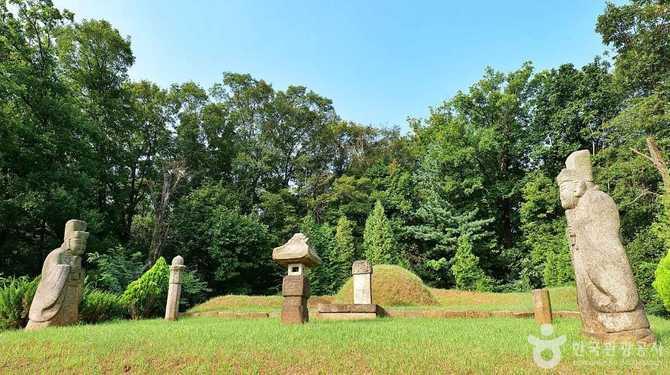
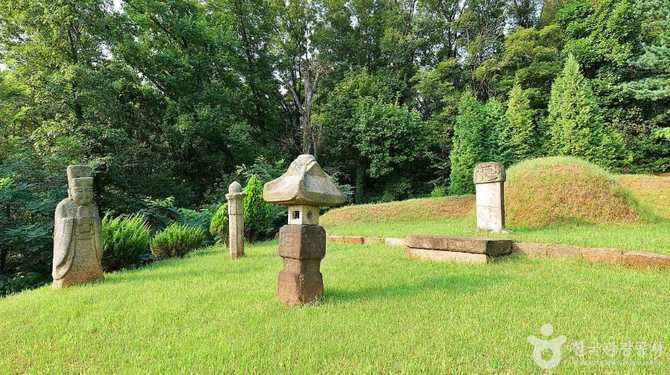
The construction of the graves in the 16th century reflects the funeral customs and architectural style of the period, featuring stone carvings, inscriptions, and tomb layouts typical of Joseon Dynasty memorials. These include the use of stone statues, engraved stone tablets, and traditional tomb arrangements that symbolize respect and honor for the deceased. The graves also provide insight into the social and political values of the era, highlighting the importance placed on filial piety, loyalty, and official merit. Today, these graves serve as a vital cultural heritage site, illustrating the historical practices of honoring officials and their families during Korea’s Joseon Dynasty, and they continue to be a focus for research and cultural tourism.
Comparison of the Graves’ Architectural Features and Styles
| Feature | Ryusoonjeong Ancestor Grave | Ryu Hong Ancestor Grave |
|---|---|---|
| Construction Period | Early 16th century | Early 16th century |
| Main Material | Granite and stone | Granite and stone |
| Design Style | Traditional Joseon tomb layout with central stone monument and guardian statues | Similar traditional layout, emphasizing filial piety with aligned tombs |
| Stone Carvings | Intricate carvings of animals, symbols, and inscriptions | Similar carvings, reflecting Joseon aesthetics and official merit |
| Additional Features | Stone lanterns, memorial tablets, and protective wall | Comparable features with emphasis on filial respect and official status |
Biographies and Significance of Ryusoonjeong and Ryu Hong
- Ryusoonjeong (1459–1512): A distinguished scholar and government official during the early Joseon Dynasty. He contributed significantly to political reforms, cultural development, and Confucian scholarship. His dedication to public service and filial piety earned him high regard, leading to his tomb being constructed as a model of Joseon memorial customs. His epitaph and stone inscription highlight his achievements and virtues, making his grave an important cultural artifact.
- Ryu Hong (1483–1551): The son of Ryusoonjeong, a military officer renowned for his leadership in defending Joseon territory during times of conflict. His military campaigns and strategic skills helped stabilize the region, earning him official recognition and a prominent tomb alongside his father. His grave reflects the martial values of loyalty and bravery, complementing the scholarly achievements of his father.
- Historical Significance: The joint burial of these two figures exemplifies the Joseon Dynasty’s emphasis on filial piety, official merit, and societal hierarchy. Their tombs serve as educational resources for understanding the era’s funeral customs, social values, and political structure. The graves also symbolize the unity of scholarly and military virtues in Korea’s history, making them invaluable cultural assets.
Cultural Heritage Designation and Preservation of the Graves
The Ryusoonjeong and Ryu Hong ancestor graves have been officially recognized for their cultural and historical importance. As a rare example of Joseon Dynasty memorial practices, these tombs have been preserved and protected as valuable cultural assets of Seoul. Their designation as a Seoul Metropolitan Monument underscores the significance of maintaining these sites for future generations and highlights ongoing efforts to conserve their architectural integrity and historical authenticity.
| Aspect | Details |
|---|---|
| Designation Date | August 20, 2004 |
| Designated As | Seoul Metropolitan Monument |
| Protection Measures | Systematic preservation, management, and ongoing conservation efforts |
| Current Status | Well-preserved, managed by local authorities, open to visitors |
Visiting the Graves: Guidelines and Precautions
- Visit during the open hours, as the site is accessible year-round.
- Use public transportation; parking facilities are not available on-site.
- Respect the natural environment by avoiding littering and staying on designated pathways.
- Do not engage in activities that could damage the tombs or disturb the site’s tranquility.
- Follow instructions from site management or local authorities to ensure respectful behavior.
- For inquiries or guided tours, contact Guro District Cultural Tourism Division at 02-860-3401.
- Refrain from smoking or disposing of trash within the site to maintain its pristine condition.
Frequently Asked Questions (FAQ)
Q1: When were the Ryusoonjeong and Ryu Hong ancestor graves constructed?
The graves were built in the early 16th century during the Joseon Dynasty, specifically in the period when memorial practices for meritorious officials were standardized.
Q2: What are the main architectural features of these graves?
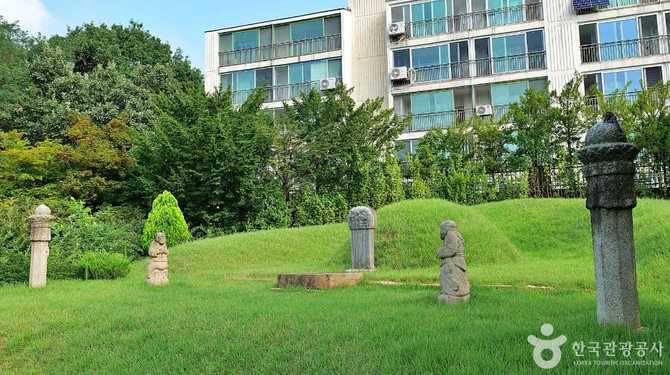
The graves feature traditional Joseon-style tomb layouts with central stone monuments, guardian statues, engraved stone tablets, and decorative stone carvings reflecting the period’s memorial customs.
Q3: Who were Ryusoonjeong and Ryu Hong, and what were their contributions?
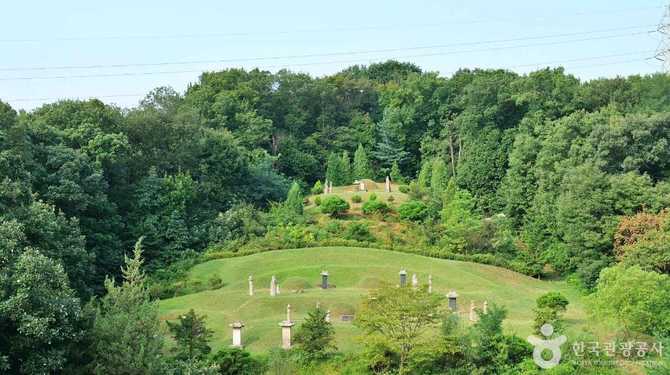
Ryusoonjeong was a prominent scholar and official in early Joseon, contributing to political and cultural reforms. His son, Ryu Hong, was a military leader recognized for defending Joseon territory during conflicts.
Q4: When was the graves designated as a cultural heritage site?
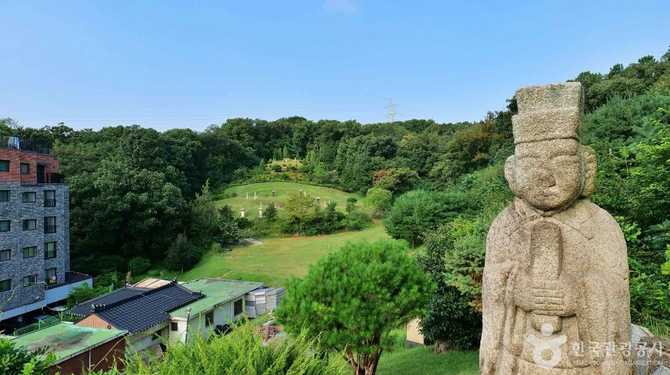
The graves were designated as Seoul Metropolitan Monuments on August 20, 2004, recognizing their historical and cultural significance.
Q5: Are visitors allowed to access the graves freely?
Yes, the graves are open year-round without restrictions, but visitors should respect the site, avoid damaging the structures, and follow guidelines to preserve the heritage.
Q6: How should visitors prepare when visiting the graves?
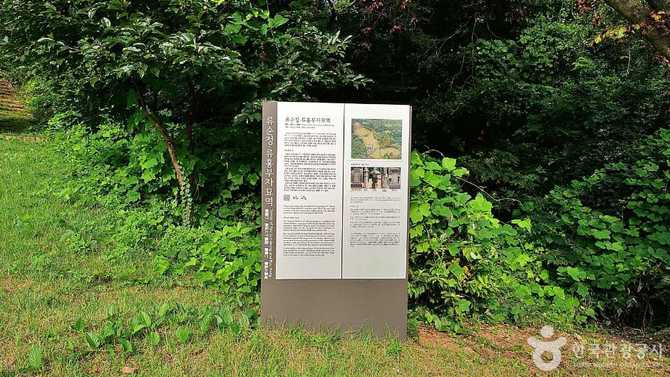
Visitors are advised to use public transportation as parking is unavailable, to be respectful of the site, and to avoid actions that could harm the cultural heritage, such as littering or smoking.
Final Thoughts on the Ryu Sunjeong and Ryu Hong Ancestor Graves
Visiting the Ryu Sunjeong and Ryu Hong ancestor graves offers a unique opportunity to connect with Korea’s rich historical and cultural heritage. These sites are more than just tombs; they are tangible remnants of the Joseon Dynasty’s funeral customs, societal values, and political history. Recognized as Seoul’s only remaining example of a father-and-son meritorious official burial site, their preservation allows visitors to appreciate traditional stone carvings, architectural features, and the significance of filial piety that was central to Korean culture for centuries. Whether you are a history enthusiast, a researcher, or a traveler eager to explore Korea’s cultural landscape, these graves provide valuable insights into the nation’s past. Remember, when visiting, to respect the site and adhere to guidelines to help preserve this important cultural asset for future generations. The site’s designation as a Seoul Metropolitan Monument underscores its importance, ensuring ongoing efforts for its conservation. Exploring the Ryu Sunjeong and Ryu Hong ancestor graves enriches understanding of Korea’s dynastic history and highlights the enduring legacy of Korea’s traditional funeral practices and societal values.