
출처 : ⓒ한국관광콘텐츠랩 또는 ⓒ한국관광공사
Visiting Bangwoo Mountain Pavilion: A Cultural Landmark in Seongbuk-dong
Location 서울특별시 성북구 성북로 66 (성북동)
Location 서울특별시 성북구 성북로 66 (성북동)
Are you interested in exploring Korea’s unique cultural and artistic landmarks? The Bangwoo Mountain Pavilion in Seoul offers a fascinating glimpse into the life and legacy of poet Jo Ji-hoon, blending traditional architecture with meaningful artistic symbolism. This site is perfect for travelers seeking to immerse themselves in Korea’s poetic history and cultural heritage.
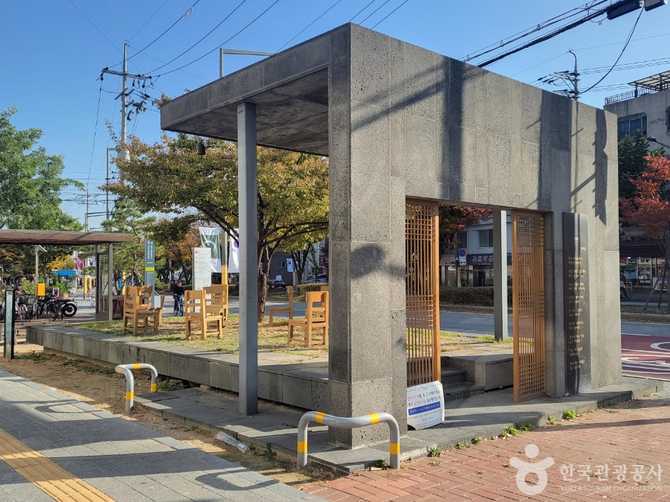
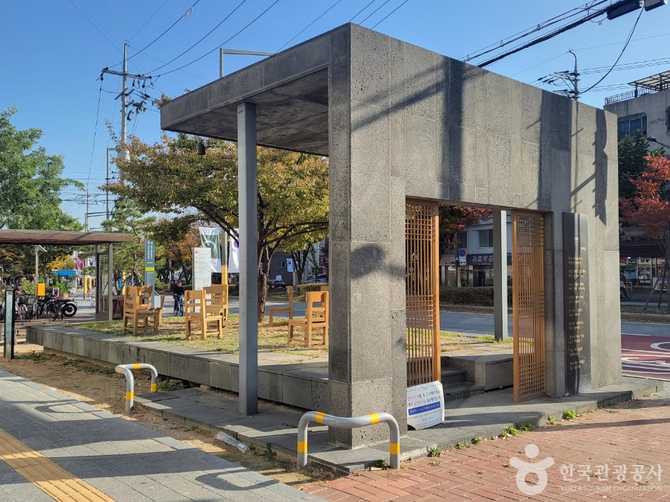
Located near the historic Seongbuk-dong area, the Bangwoo Mountain Pavilion is a symbolic architectural sculpture dedicated to the renowned poet Jo Ji-hoon. The pavilion reflects his philosophical ideas, especially the concept of nurturing a mental ‘cow’—a metaphor for inner peace and self-cultivation. Visitors can experience a tranquil outdoor space inspired by traditional Hanok design, featuring natural materials like basalt and copper, alongside poetic inscriptions that honor Jo Ji-hoon’s literary contributions.
Whether you are a literature enthusiast, a lover of traditional Korean architecture, or simply a curious traveler, the Bangwoo Mountain Pavilion provides a peaceful environment to reflect and appreciate Korea’s rich cultural tapestry. The site is open year-round, free of charge, and accessible without the need for prior reservations. Its location near Seongbuk Station makes it an easy addition to your Seoul itinerary.
In this guide, you will find comprehensive details about the pavilion’s history, architecture, visiting hours, and how to make the most of your visit. Discover why this cultural landmark continues to inspire visitors and locals alike, and plan your trip to experience the poetic spirit of Korea firsthand.
At a glance
- Who this is for
-
- Literature and poetry enthusiasts
- Fans of traditional Korean architecture
- Cultural travelers exploring Seoul’s historical sites
- Artists and photographers seeking inspiring environments
- Key takeaways
-
- The pavilion is a symbolic sculpture dedicated to poet Jo Ji-hoon.
- Designed with traditional Hanok motifs and modern artistic elements.
- Located in Seongbuk-dong, Seoul, open year-round and free to visit.
- Features basalt walls, copper sculptures, and poetic inscriptions.
- Accessible from Seongbuk Station, ideal for cultural exploration.
- Tips & cautions
-
- Visit during daylight hours for the best experience.
- No parking available; use public transportation.
- Wear comfortable shoes for walking around the outdoor space.
- Respect the site’s cultural significance and avoid damaging artworks.
- Bottom line
- Discover Korea’s poetic heritage and traditional architecture at the Bangwoo Mountain Pavilion in Seoul.
Overview of Bangwoo Mountain Pavilion
The Bangwoo Mountain Pavilion is a significant cultural landmark located in the historic Seongbuk-dong neighborhood of Seoul. This outdoor sculpture and architectural space is dedicated to the celebrated Korean poet Jo Ji-hoon, known for his poetic works and philosophical ideas. The pavilion is not only a tribute to his literary legacy but also a reflection of traditional Korean aesthetics combined with modern artistic expression. It embodies the poetic spirit of Korea through its design, symbolism, and serene environment, making it a must-visit for travelers interested in Korea’s cultural and artistic heritage.
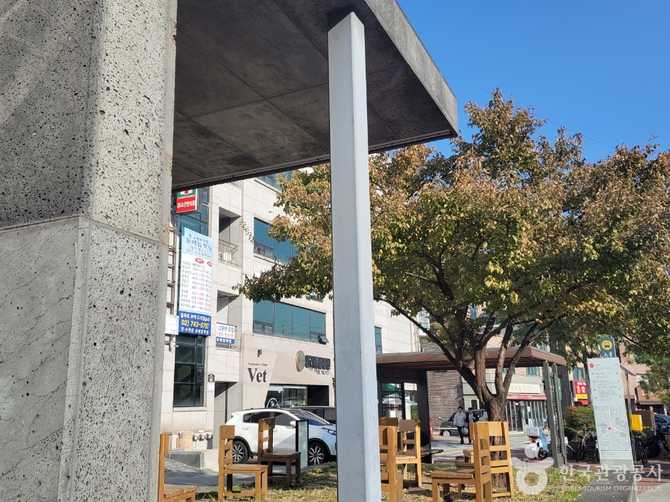
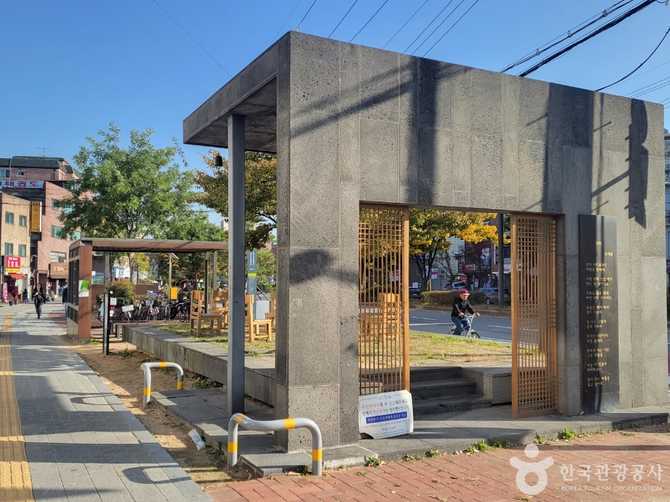
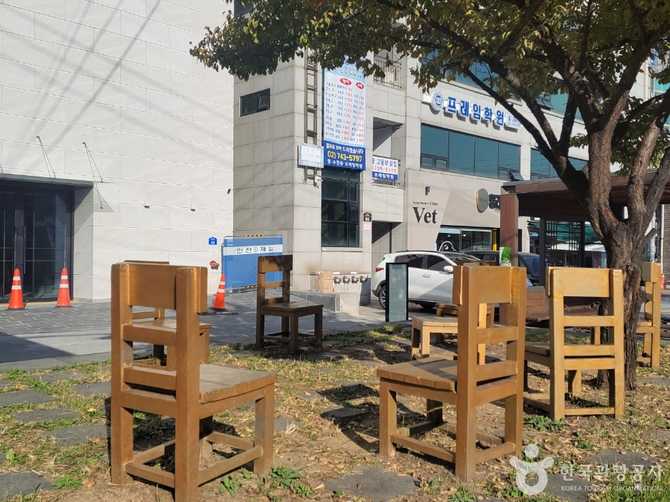
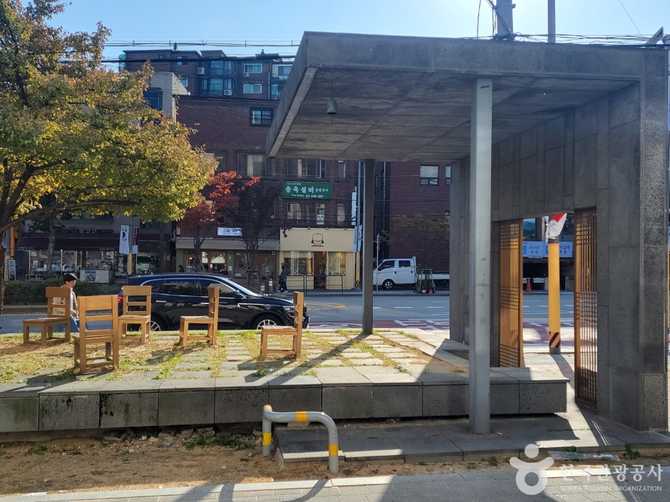
Constructed near the site of Jo Ji-hoon’s former home, the pavilion features motifs inspired by traditional Hanok architecture, such as the eaves and wooden flooring, crafted with natural materials like basalt and copper. The space includes a grassy outdoor area with copper sculptures and poetic inscriptions, notably the famous poem Nakhwa engraved on the outer wall, which was cherished by the poet. Visitors can walk freely around the open space, appreciating the artistic elements and the tranquil atmosphere that encourages reflection and appreciation of Korea’s poetic and philosophical traditions.
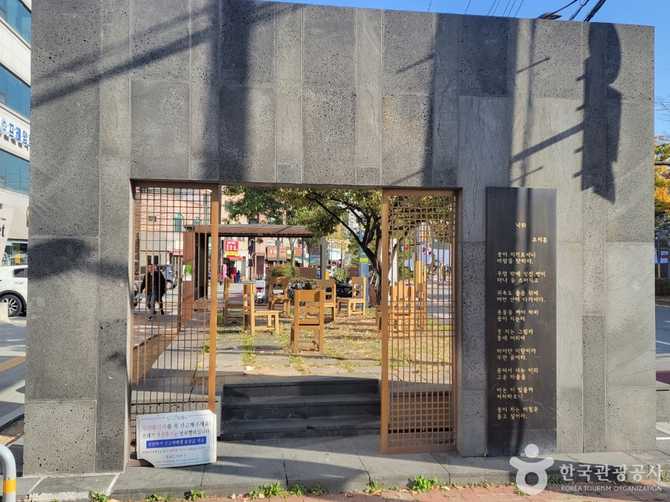
The pavilion is accessible year-round, free of charge, and located conveniently near Seongbuk Station, making it an ideal stop for those exploring Seoul’s cultural sites. Its open design and outdoor setting allow visitors to enjoy Korea’s natural beauty while immersing themselves in poetic inspiration. Whether you are a literary enthusiast, an admirer of traditional architecture, or a curious traveler, the Bangwoo Mountain Pavilion offers a unique glimpse into Korea’s artistic soul. Its combination of symbolic sculpture, historical significance, and peaceful environment makes it a compelling destination for cultural exploration in Seoul.
Comparison of Key Features of Bangwoo Mountain Pavilion
| Feature | Details |
|---|---|
| Location | Seongbuk-dong, Seoul, South Korea |
| Dedicated To | Poet Jo Ji-hoon |
| Design Inspiration | Traditional Hanok architecture with modern artistic elements |
| Materials Used | Basalt, copper sculptures, wood |
| Accessibility | Accessible year-round, free entry, near Seongbuk Station |
| Main Features | Poetic inscriptions, copper sculptures, traditional motifs, outdoor grassy area |
| Visitor Experience | Open space for reflection, artistic ambiance, historical significance |
| Opening Hours | Open year-round, 24/7 access |
Practical Tips for Visiting Bangwoo Mountain Pavilion
- Plan Your Visit: The pavilion is open year-round and free to access at any time. For the best experience, visit during daylight hours to enjoy the natural surroundings and appreciate the inscriptions and sculptures clearly.
- Getting There: Take public transportation to Seongbuk Station (Line 4). The pavilion is approximately a 10-minute walk from the station, making it easily accessible without the need for parking.
- What to Bring: Wear comfortable shoes suitable for walking on uneven outdoor surfaces. Bring water, sun protection, and a camera to capture the scenic and artistic details.
- Respect the Site: As a cultural heritage space, please avoid damaging artworks or disturbing the peaceful environment. Photography is encouraged, but be mindful of other visitors.
Architectural Highlights and Design of Bangwoo Mountain Pavilion
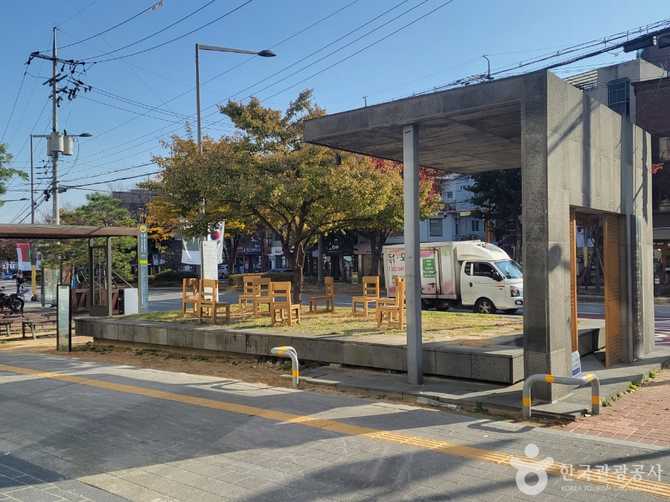
- Traditional Hanok Motifs: The pavilion’s design draws inspiration from classic Korean hanok architecture, including elegant eaves and wooden flooring that evoke a sense of harmony with nature.
- Use of Natural Materials: Walls and floors are constructed with basalt stone, providing a robust and textured appearance that symbolizes strength and permanence. Copper sculptures and inscriptions add artistic and cultural depth.
- Open and Inviting Layout: The space is designed to be open and accessible, with no fixed seating or barriers, encouraging visitors to freely explore and reflect within the environment.
- Poetic and Artistic Elements: The outer wall features an engraving of Jo Ji-hoon’s cherished poem Nakhwa, blending literary art with physical space. Copper sculptures are placed throughout, adding a modern artistic touch to the traditional aesthetic.
- Outdoor Environment: The pavilion incorporates a grassy outdoor area that complements the traditional motifs, creating a peaceful setting for contemplation and appreciation of Korea’s poetic heritage.
- Accessibility and Integration: The design seamlessly integrates with the surrounding landscape, offering unobstructed views and a tranquil atmosphere that aligns with the poet’s philosophical ideals.
Visitor Tips and Checklist for Visiting Bangwoo Mountain Pavilion
- Check the weather forecast before your visit to ensure a comfortable outdoor experience.
- Use public transportation—take Line 4 to Seongbuk Station, then walk approximately 10 minutes to the site.
- Wear comfortable shoes suitable for walking on uneven outdoor surfaces.
- Bring water, sun protection, and a camera to capture the poetic and artistic details.
- Visit during daylight hours to fully enjoy the natural surroundings and inscriptions.
- Respect the cultural significance of the site by avoiding damage to artworks and maintaining a peaceful environment.
- Remember, there is no parking available; plan your transportation accordingly.
Frequently Asked Questions (FAQ)
Q1: What is the significance of Bangwoo Mountain Pavilion in Seoul?
The Bangwoo Mountain Pavilion is a cultural landmark dedicated to poet Jo Ji-hoon, symbolizing his philosophical ideas and poetic legacy. It combines traditional Korean architectural motifs with modern artistic elements, serving as a space for reflection and cultural appreciation.
Q2: Where is Bangwoo Mountain Pavilion located and how can I get there?
The pavilion is located in Seongbuk-dong, Seoul, at 66 Seongbuk-ro. It is approximately a 10-minute walk from Seongbuk Station (Line 4), making it easily accessible by public transportation. There is no parking available on-site.
Q3: Is there an entrance fee to visit Bangwoo Mountain Pavilion?
No, the pavilion is open to the public free of charge. Visitors can explore the outdoor space and enjoy the poetic and artistic features without any admission fee.
Q4: What are the opening hours for Bangwoo Mountain Pavilion?
The pavilion is open year-round and is accessible 24/7. Since it is an outdoor space, visitors can visit at any time during daylight hours, but it is recommended to visit during daytime for better visibility and experience.
Q5: What are the main features and attractions at Bangwoo Mountain Pavilion?
The site features basalt stone walls, copper sculptures, poetic inscriptions such as Jo Ji-hoon’s famous poem “Nakhwa,” and traditional Hanok-inspired motifs. The outdoor grassy area provides a peaceful environment for reflection and appreciation of Korea’s poetic heritage.
Q6: Are there any facilities or amenities available at the pavilion?
Yes, the pavilion has basic amenities including restrooms. However, there are no parking facilities, and visitors should plan to use public transportation. The outdoor environment encourages a tranquil experience without additional commercial services.
Final Tips for Visiting Bangwoo Mountain Pavilion in Seongbuk-dong
When planning your visit to the Bangwoo Mountain Pavilion, it’s important to consider practical tips to make your experience enjoyable and meaningful. This cultural landmark offers a unique opportunity to connect with Korea’s poetic and artistic heritage, so being prepared will help you fully appreciate its significance. Remember that the pavilion is open year-round and free of charge, making it accessible at any time, but visiting during daylight hours provides the best natural lighting for photography and viewing the inscriptions and sculptures.
Public transportation is the most convenient way to reach the site. Take Line 4 to Seongbuk Station, and then enjoy a leisurely 10-minute walk to the pavilion. Since there is no parking available at the site, planning your route via subway or bus will save time and avoid parking hassles. Be sure to wear comfortable shoes suitable for walking on outdoor, uneven surfaces, especially if you wish to explore the entire space and take photographs of the artistic elements and traditional motifs.
Bringing water, sun protection, and a camera will enhance your visit. The outdoor environment, with its basalt walls, copper sculptures, and poetic inscriptions, provides a serene setting for reflection and inspiration. Respect the cultural significance of the space by avoiding any damage to artworks or inscriptions, and be mindful of other visitors sharing the tranquil environment. If you’re interested in Korea’s literary and artistic traditions, a visit to the Bangwoo Mountain Pavilion offers a peaceful and enriching experience that deepens your understanding of Korea’s poetic soul.
In summary, proper planning—such as checking the weather, choosing public transportation, and wearing suitable footwear—will ensure you enjoy your visit to this inspiring cultural site. Whether you are a lover of poetry, traditional architecture, or simply seeking a quiet place to reflect, the Bangwoo Mountain Pavilion in Seoul provides a captivating glimpse into Korea’s artistic and philosophical heritage. Make sure to allocate enough time to explore the outdoor space fully and capture the beauty of this meaningful landmark. Your visit will surely leave you with lasting impressions of Korea’s poetic and cultural richness.