

Visit the Lee Chung-jun Birthplace: Korea’s Literary Heritage in Jinnok Village
Discover the birthplace of Korea’s renowned author Lee Chung-jun and immerse yourself in the rich world of Korean literature. Visiting his home offers a unique opportunity to understand his life, works, and the cultural significance of his legacy. Whether you’re a literature enthusiast, a traveler exploring Jeollanam-do, or a student researching Korean authors, this site provides a meaningful cultural experience.
Located in Jinnok Village, Jeju City, South Korea, the Lee Chung-jun Birthplace is a preserved historical site that celebrates Korea’s modern literary history. The site is open year-round and free of charge, making it accessible for all visitors. The birthplace not only highlights Lee Chung-jun’s personal history but also serves as a source of inspiration for visitors interested in Korean literature and culture.
By visiting the Lee Chung-jun Birthplace, you can explore the natural surroundings that influenced his writing, walk along the literary trail, and gain deeper insights into his creative process. The site is a peaceful retreat nestled in a rural setting, perfect for reflection and inspiration. It is a valuable cultural asset for understanding Korea’s literary development and appreciating the natural harmony that inspired Lee Chung-jun’s works.
At a glance
- Who this is for
-
- Literature enthusiasts interested in Korean authors
- Travelers exploring Jeollanam-do or Gwangju region
- Students and researchers studying Korean modern literature
- Cultural travelers seeking meaningful heritage sites
- Key takeaways
-
- Located in Jinnok Village, Jeju City, South Korea
- Birthplace and inspiration site of Lee Chung-jun
- Open year-round, free admission
- Restored historical site with literary trails
- Offers insights into Korea’s literary history and natural environment
- Tips & cautions
-
- Check weather and transportation before visiting
- Natural surroundings may limit access inside certain areas
- Parking may be limited, plan accordingly
- Respect natural and cultural preservation rules
- Allocate enough time to explore both the birthplace and nearby scenic spots
- Bottom line
- Visiting Lee Chung-jun’s birthplace offers a profound cultural and literary experience in a serene rural setting, enriching your understanding of Korea’s modern literary heritage.
Embark on a journey to discover the life and works of Lee Chung-jun, one of Korea’s most influential writers. His birthplace in Jinnok Village is more than just a historical site; it’s a living testament to Korea’s literary evolution. The site has been carefully restored to reflect its original state, allowing visitors to step back in time and feel connected to the environment that inspired his creative genius.
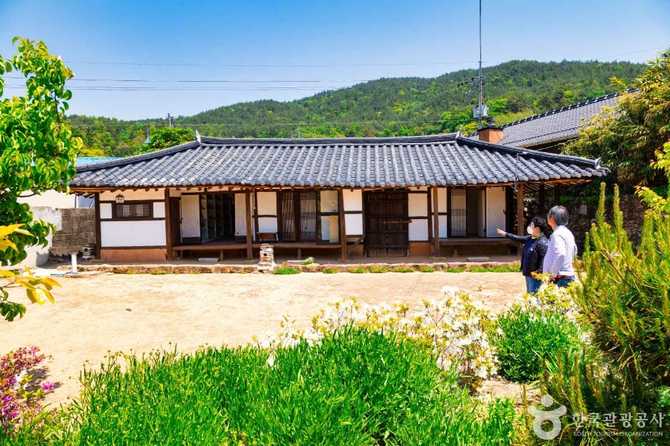
Whether you are visiting as part of a cultural tour or a personal quest to understand Korean literature, the Lee Chung-jun Birthplace offers a tranquil space for reflection and learning. The surrounding natural scenery, including traditional villages and scenic trails, complements the literary atmosphere, making it an ideal destination for a day trip or a peaceful retreat into Korea’s literary past.
Overview of Lee Chung-jun Birthplace
The Lee Chung-jun Birthplace, located in Jinnok Village, Jeollanam-do, South Korea, is a significant cultural site dedicated to one of Korea’s most influential modern writers. As the birthplace of Lee Chung-jun, this site offers visitors a rare glimpse into the environment that shaped his literary career. Recognized as a vital part of Korea’s literary heritage, the birthplace is preserved to reflect its original state, emphasizing its importance as a cultural and historical landmark.
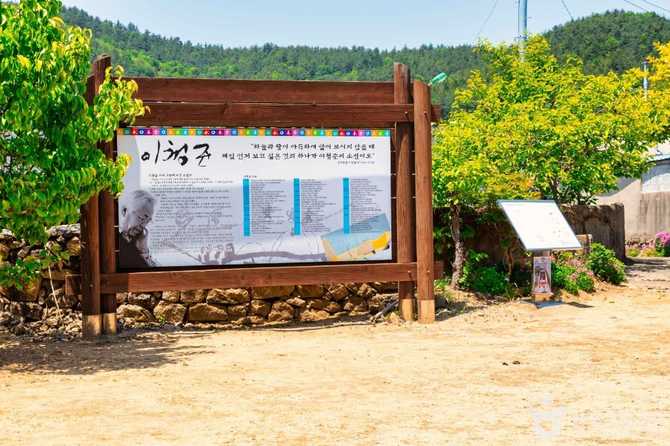
This site is more than just a historical residence; it is a living tribute to Lee Chung-jun’s life and works. Visitors can explore the restored traditional house, walk along the scenic literary trail, and immerse themselves in the tranquil rural surroundings that inspired much of his writing. The location’s natural beauty, combined with its cultural significance, makes it a perfect destination for literature enthusiasts, students, and travelers seeking a peaceful retreat into Korea’s literary past.
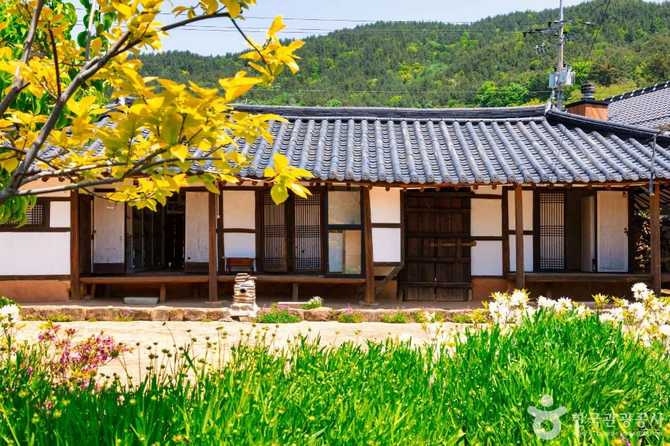
Open year-round and free of charge, the Lee Chung-jun Birthplace is accessible to all visitors. Its proximity to natural landscapes and nearby cultural sites enhances the overall experience, providing an enriching journey into Korea’s modern literary history. Whether you are interested in exploring the life of Lee Chung-jun or simply want to enjoy a scenic walk through a traditional village, this site offers a meaningful and inspiring cultural experience.
In summary, the Lee Chung-jun Birthplace is a must-visit for anyone interested in Korean literature, culture, or history. It stands as a testament to the enduring legacy of Lee Chung-jun and provides a serene environment where visitors can connect with Korea’s literary roots amid beautiful natural surroundings.
Comparison of Key Facts about Lee Chung-jun Birthplace
| Feature | Details | Remarks |
|---|---|---|
| Location | Jinnok Village, Jeollanam-do, South Korea | A peaceful rural setting, ideal for reflection and inspiration |
| Historical Significance | Birthplace and formative environment of Lee Chung-jun | A preserved site emphasizing his early life and literary roots |
| Open Hours | Open year-round, 24/7 access | No restrictions on visiting times |
| Admission Fee | Free | No cost for entry, accessible for all |
| Facilities | Restored traditional house, walking trails, parking, restrooms | Facilities are visitor-friendly and well-maintained |
| Main Attractions | Lee Chung-jun’s birthplace, literary trail, scenic natural environment | Ideal for walking, reflection, and literary exploration |
| Nearby Attractions | Traditional villages, natural parks, other cultural sites | Perfect for combining cultural and nature excursions |
Visitor Information & How to Access Lee Chung-jun Birthplace
- Location: The birthplace is situated in Jinnok Village, Jeollanam-do, South Korea. It is accessible via local roads from nearby towns and cities.
- Transportation options:
- By car: Use GPS or navigation apps to reach the site directly. Parking is available but limited, so early arrival is recommended.
- By public transport: Take a bus or train to nearby towns such as Gwangju or Jinmok, then use local taxis or shuttle services to reach the site.
- Opening hours: The site is open year-round, 24 hours a day, allowing visitors to explore at their convenience.
- Admission: Entry is free for all visitors, making it an accessible cultural experience without additional costs.
- Facilities: The site offers parking, restrooms, and informational signage. Visitors are advised to check weather conditions before visiting.
Travel Tips & Important Notes for Visiting Lee Chung-jun Birthplace
| Tip / Note | Details |
|---|---|
| Weather Check | Always review the weather forecast before your visit to dress appropriately and ensure a comfortable experience, especially in seasons with heavy rain or cold temperatures. |
| Transportation Planning | Use navigation apps for driving directions. For public transit, confirm bus or train schedules to avoid long waits. Consider early arrival to secure parking and enjoy the site peacefully. |
| Comfortable Attire | Wear comfortable shoes suitable for walking and exploring scenic trails. Dress in layers to adapt to changing weather conditions. |
| Respect Natural & Cultural Preservation | Please do not litter or disturb the natural environment. Follow signage and guidelines to help preserve the site’s integrity for future visitors. |
| Time Allocation | Plan to spend at least 1-2 hours exploring the birthplace, literary trail, and surrounding natural scenery to fully appreciate the cultural experience. |
Lee Chung-jun Literary Trail & Nearby Attractions
- Walk along the scenic Lee Chung-jun Literary Trail, which connects the birthplace with various poetic and literary spots inspired by his works.
- Explore the peaceful natural environment surrounding the site, including traditional rural landscapes and forested areas.
- Visit nearby traditional villages to experience local culture and architecture, enriching your cultural journey.
- Discover other cultural sites and natural parks in the region to extend your exploration of Jeollanam-do’s heritage.
- Take a leisurely walk along the connecting trails that lead to scenic viewpoints and quiet spots for reflection.
Whether you visit during the day or evening, Visit the Lee Chung is a meaningful stop on any Seoul itinerary for history-minded travelers.
Frequently Asked Questions (FAQ)
Q1: Where is Lee Chung-jun’s birthplace located?
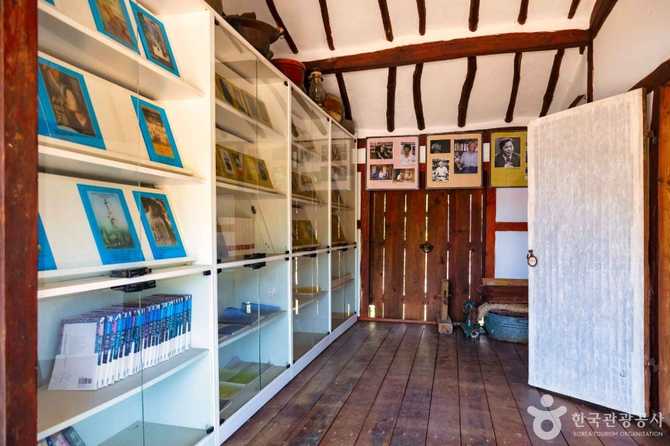
Lee Chung-jun’s birthplace is situated in Jinnok Village, Jeollanam-do, South Korea. It is a peaceful rural area that preserves his childhood environment and cultural heritage.
Q2: How can I visit Lee Chung-jun’s birthplace?
The site is accessible year-round and free of charge. You can reach it by car or public transportation, with parking available nearby and local buses connecting to the village.
Q3: What facilities are available at Lee Chung-jun’s birthplace?
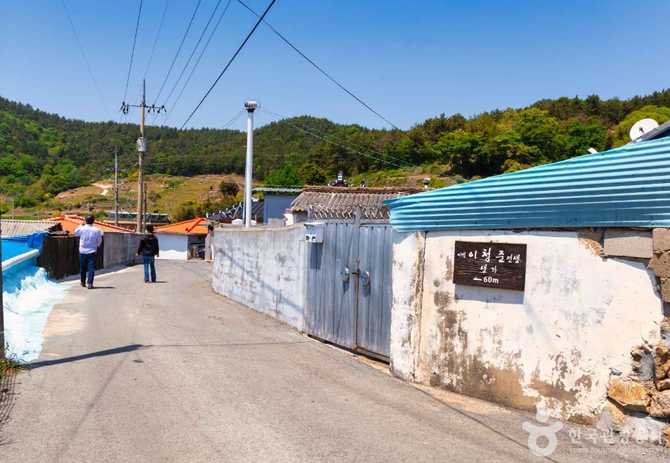
The birthplace features a restored traditional house, walking trails, parking lot, and restrooms. Facilities are well-maintained to ensure a comfortable visit for all guests.
Q4: Are there any nearby attractions to visit along with Lee Chung-jun’s birthplace?
Yes, visitors can explore scenic natural trails, traditional villages, and other cultural sites in the surrounding area. The nearby landscape offers a peaceful environment for walking and reflection.
Q5: Is there an entrance fee to visit Lee Chung-jun’s birthplace?
No, admission is free for all visitors. The site is open year-round, allowing unlimited access without any cost.
Q6: What should I keep in mind when visiting Lee Chung-jun’s birthplace?
Visitors should respect the natural environment and avoid littering. It is advisable to check weather conditions beforehand and plan transportation accordingly for a smooth visit.
Final Tips for Visiting the Lee Chung-jun Birthplace
Visiting the Lee Chung-jun Birthplace offers a meaningful opportunity to connect with Korea’s rich literary heritage in a peaceful rural setting. To make the most of your trip, it is advisable to plan ahead by checking the weather forecast and transportation options. Since the site is open year-round and free to the public, you can visit at any time, but early mornings or late afternoons tend to be quieter and more serene for reflection and exploration.
When preparing for your visit, consider wearing comfortable shoes suitable for walking along scenic trails and exploring the traditional house and natural surroundings. Respect for the natural environment and cultural heritage is essential, so be sure to follow any posted guidelines, especially regarding waste disposal and preservation of the site’s tranquility. Parking may be limited, so arriving early can help secure a spot and allow ample time to enjoy the literary trail, the birthplace, and nearby scenic spots.
Overall, a trip to the Lee Chung-jun Birthplace is not only a chance to learn about Korea’s modern literary figure but also an opportunity to relax and immerse yourself in nature. Whether you are a student, researcher, or casual traveler, this site provides an inspiring environment to deepen your understanding of Korea’s literary history while enjoying the peaceful countryside. Remember to carry essentials like water, sun protection, and a camera to capture the beautiful moments of your visit. Planning ahead ensures a smooth, enriching experience that will leave you with lasting memories of Korea’s literary and cultural legacy.