
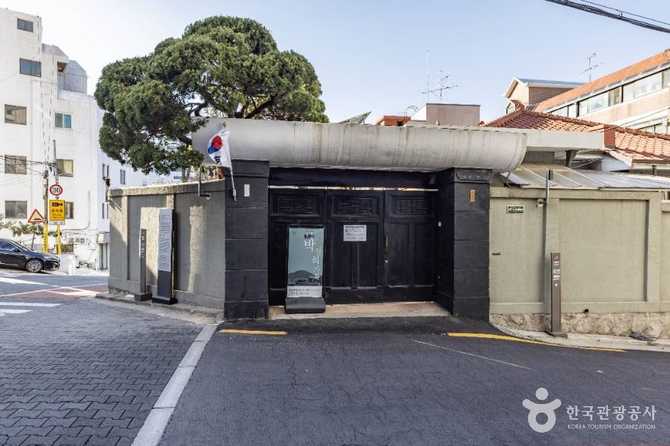
Visit the Historic Seoul 박정희 House: A Window into Modern Korea
Discover the significance of the Seoul 박정희 House, a preserved cultural heritage site that offers a rare glimpse into Korea’s modern history. Located in the heart of Seoul, this historic residence was once home to President Park Chung-hee, providing visitors with an authentic experience of Korea’s past and its architectural heritage. Whether you’re a history enthusiast, a cultural explorer, or simply interested in Korea’s modern development, this site offers a meaningful journey through time.
Visiting the Seoul 박정희 House allows travelers to understand the personal and political history of one of Korea’s most influential leaders. The house, built in the late 1930s, is recognized as a national registered cultural asset and has been open to the public since 2015. It stands as a symbol of Korea’s rapid modernization and political history, making it an essential stop for those interested in Korea’s contemporary story.
At a glance
- Who this is for
-
- History enthusiasts interested in Korea’s modern era
- Cultural heritage lovers and traditional architecture fans
- Travelers exploring Seoul’s historic sites
- Students and researchers studying Korea’s political history
- Anyone seeking an authentic cultural experience in Seoul
- Key takeaways
-
- Built in the late 1930s, covering 128.93㎡
- Designated as National Registered Cultural Heritage No. 412 in 2008
- Open to the public since 2015, with free admission
- Located at 25 Dasan-ro 36ga-gil, Jung-gu, Seoul
- Open daily from 10:00 to 18:00, closed on Mondays and major holidays
- Tips & cautions
-
- Check operating hours and holidays before visiting
- No parking available; use public transportation
- Visit during daytime hours for the best experience
- Wear comfortable shoes and casual attire
- Free entry; no reservation required
- Bottom line
- Seoul 박정희 House is a vital cultural site that offers a unique insight into Korea’s modern history and architectural heritage.
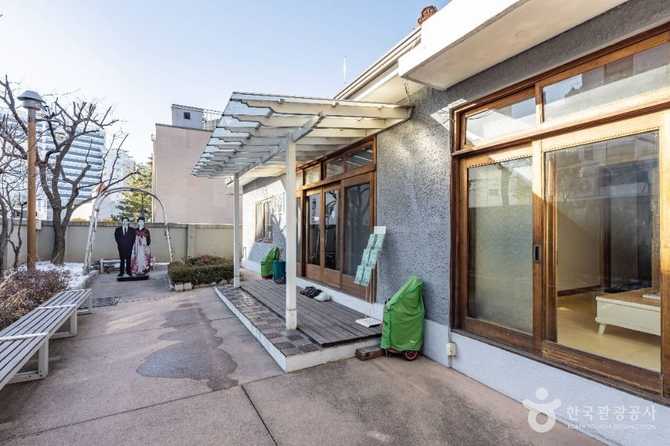
Exploring the Seoul 박정희 House provides an enriching experience that combines Korea’s political history with its cultural and architectural evolution. Situated in Seoul’s vibrant Jung-gu district, this historic residence is the only surviving structure from the late 1930s within a development by the Joseon Urban Management Corporation. It served as the home for President Park Chung-hee and his family during his presidency and the years surrounding it.
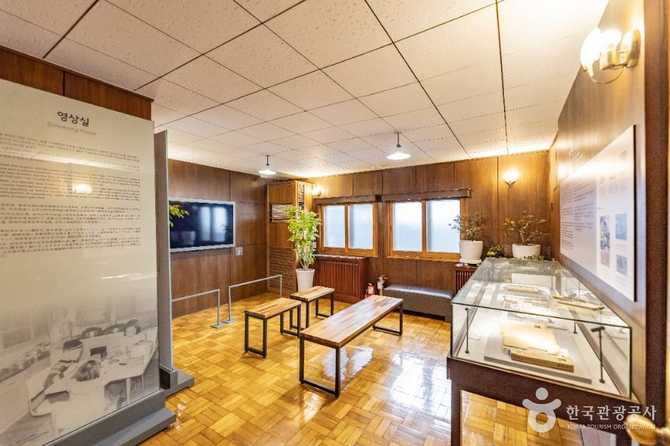
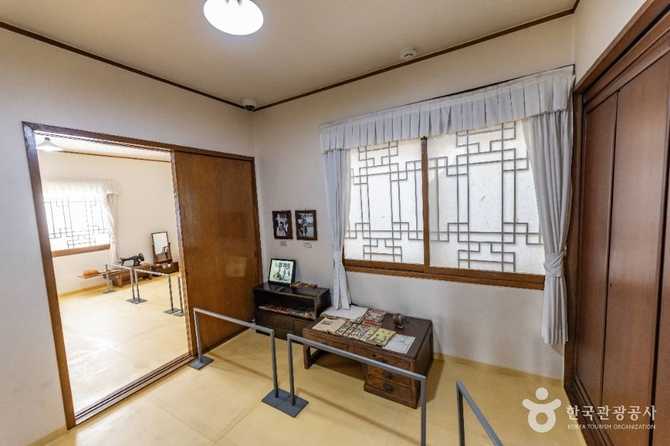
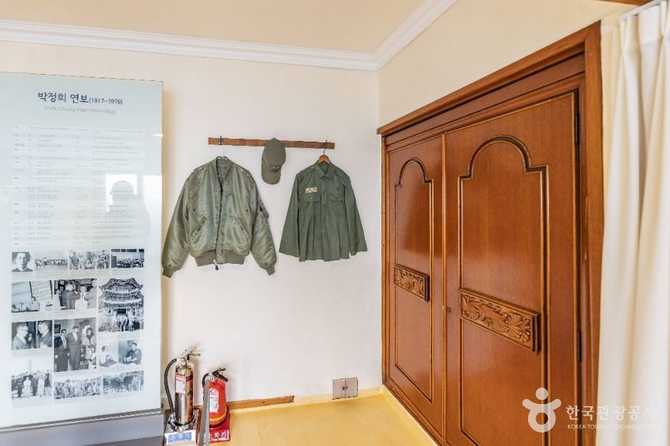
Since its designation as a cultural heritage site in 2008, the house has been preserved as a valuable resource for understanding Korea’s rapid modernization and political history. Open to the public since 2015, visitors can now walk through the house and gain firsthand insights into the domestic life of a pivotal era in Korea’s history. The house’s architecture and interior reflect the lifestyle and design sensibilities of the late 1930s, making it a captivating destination for history buffs and cultural explorers alike.
Overview and Historical Significance of Seoul 박정희 House
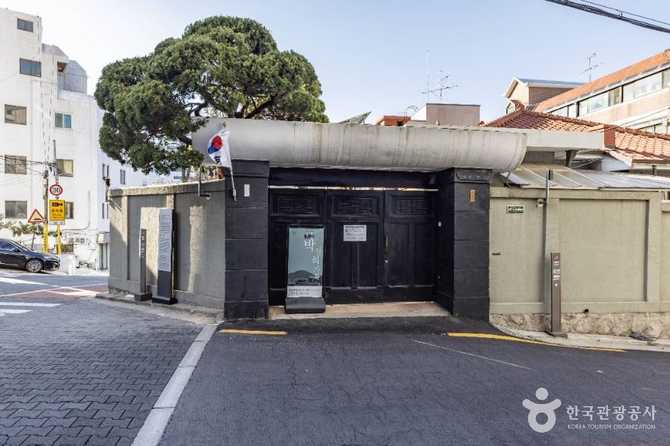
Nestled in the vibrant district of 신당동 in Seoul, the Seoul 박정희 House stands as a vital cultural heritage site that offers a rare glimpse into Korea’s modern history. Built in the late 1930s, this house was the residence of President Park Chung-hee and his family during a significant period in Korea’s political and social transformation. Recognized as a National Registered Cultural Heritage No. 412 in 2008, the house has been preserved meticulously to reflect the architectural style and domestic life of that era. Since opening to the public in 2015, the house has become an educational and cultural landmark, allowing visitors to explore Korea’s journey from colonial rule through rapid modernization and political upheaval.
The house’s historical significance lies in its connection to a pivotal figure in Korea’s history, President Park Chung-hee, who led Korea through a period of rapid economic growth and modernization. The residence provides insights into his family life, domestic environment, and the architectural trends of the late 1930s. It is the only surviving structure from a development of cultural housing by the 조선도시경영주식회사 (Joseon Urban Management Corporation), making it a unique example of urban residential architecture from that time.

Today, the Seoul 박정희 House is more than just a preserved building; it is a symbol of Korea’s complex modern history. Visitors can learn about the social and political context during the mid-20th century, gaining a deeper understanding of Korea’s transformation into a modern nation. Its preservation and public accessibility serve as a reminder of the importance of cultural heritage in understanding national identity and history. Whether you are a history enthusiast, a student, or a curious traveler, visiting this site offers an authentic experience of Korea’s modern era, making it an essential part of any cultural exploration in Seoul.
Comparison of Architectural Features and Cultural Value
| Feature | Details | Remarks |
|---|---|---|
| Construction Period | 1930s (Late) | Reflects architectural trends of pre-World War II Korea |
| Building Area | 128.93㎡ | Provides a modest yet functional domestic space |
| Architectural Style | Traditional Korean residential architecture with modern influences | Shows transition in architectural design during that era |
| Cultural Significance | Designated as National Registered Cultural Heritage No. 412 | Represents Korea’s urban residential history and political legacy |
| Public Access | Open since 2015, free admission | Allows visitors to explore Korea’s modern history firsthand |
Visitor Information and Access Checklist
- Operating Hours: Daily from 10:00 to 18:00
- Closed on: Mondays, January 1st, and during Seollal and Chuseok holidays
- Location: 25 Dasan-ro 36ga-gil, Jung-gu, Seoul
- Transportation: Accessible via subway and bus; no parking facilities available
- Admission: Free; no reservation required
- Tips: Check operating hours and holidays before your visit. Arrive during daytime for the best experience.
Precautions and Visiting Tips for Seoul 박정희 House
- Check Operating Hours and Holidays: Before planning your visit, verify the current opening times and holiday closures to avoid inconvenience. The house is open daily from 10:00 to 18:00, except on Mondays, January 1st, and during Seollal and Chuseok holidays.
- No Parking Facilities: The site does not provide parking spaces. It is recommended to use public transportation such as subway or bus services for convenient access.
- Visit During Daylight Hours: To fully enjoy the experience, plan your visit during daytime hours when natural light enhances the viewing of the house and its surroundings.
- Wear Comfortable Clothing and Shoes: The house and grounds involve walking and standing, so comfortable attire and suitable footwear are advisable for a pleasant visit.
- Arrive Prepared: No reservations are required, but arriving early or during less crowded hours can provide a more relaxed experience. Also, bring essentials like water and a camera if desired.
Modern Preservation and Cultural Significance of Seoul 박정희 House
Preservation & Cultural Significance
- Designation as Cultural Heritage: Recognized as National Registered Cultural Heritage No. 412 in 2008, acknowledging its importance in Korea’s modern history and architectural evolution.
- Public Accessibility: Opened to the public since 2015, serving as an educational resource and a symbol of Korea’s rapid modernization era.
- Ongoing Conservation Efforts: Managed by the Cultural Heritage Administration and related agencies, with continuous restoration and preservation projects to maintain its structural integrity and historical authenticity.
- Educational Role: The house functions as an important site for cultural education, offering insights into Korea’s political and domestic history during the mid-20th century.
- Community and Cultural Engagement: The site promotes awareness of Korea’s modern heritage, contributing to cultural pride and historical understanding among visitors and local residents.
Key Preservation Initiatives
- Regular structural assessments to prevent deterioration
- Restoration projects that respect original materials and architectural details
- Educational programs and exhibitions to raise awareness about Korea’s modern history
- Community involvement in preservation activities to foster local engagement
Significance for Korea’s Cultural Heritage
The Seoul 박정희 House stands as a vital link to Korea’s modern past, illustrating the domestic environment of a key political figure and the architectural trends of the late 1930s. Its preservation underscores the importance of maintaining tangible connections to Korea’s political, social, and cultural evolution. As a designated cultural asset, the house continues to educate future generations about Korea’s journey through colonization, war, rapid economic growth, and democratization, reinforcing national identity and cultural pride.
Whether you visit during the day or evening, Visit the Historic Seoul 박정희 is a meaningful stop on any Seoul itinerary for history-minded travelers.
Frequently Asked Questions (FAQ)
Q1: When was the Seoul 박정희 House opened to the public?
An: The Seoul 박정희 House has been open to the public since 2015. Prior to that, it was not accessible for public visits.
Q2: What is the exact location of the 박정희 House in Seoul?
An: The house is located at 25 Dasan-ro 36ga-gil, Jung-gu, Seoul. It is easily accessible via subway and bus transportation.
Q3: Is there an entrance fee to visit the 박정희 House?
An: No, admission to the 박정희 House is free. Visitors can explore the site without any entrance charges.
Q4: What are the construction details of the house, including its age and size?
An: The house was built in the late 1930s and covers an area of approximately 128.93 square meters. It was the residence of President Park Chung-hee and his family.

Q5: What should visitors keep in mind when planning their visit?
An: Visitors should check the operating hours and holidays beforehand, as the house is closed on Mondays and during major Korean holidays. Public transportation is recommended since parking is not available. Arriving during daytime hours and wearing comfortable shoes are advised.
Q6: Why is the 박정희 House designated as a cultural heritage site?
An: The house is designated as National Registered Cultural Heritage No. 412 due to its historical significance related to Korea’s modern history and its architectural value. It served as a residence of a key political figure and reflects Korea’s urban residential development of the 1930s.
Conclusion: Discover the Significance of Seoul 박정희 House
Visiting the Seoul 박정희 House offers a meaningful opportunity to connect with Korea’s modern history and cultural heritage. As a preserved residence of President Park Chung-hee, this historic site provides invaluable insights into Korea’s rapid development during the mid-20th century, reflecting both architectural style and domestic life of that era. Recognized as a national registered cultural heritage, the house stands as a testament to Korea’s political and social transformation, making it an essential stop for history enthusiasts, cultural explorers, and anyone interested in Korea’s modern story. Its open access since 2015 allows visitors to experience firsthand the environment where one of Korea’s most influential leaders once lived, fostering a deeper understanding of Korea’s journey through times of change. Whether you are exploring Seoul’s historic sites or seeking to learn about Korea’s political history, the Seoul 박정희 House is a valuable cultural destination that enriches your travel experience. Remember to check operating hours and plan your visit accordingly to make the most of this significant historical site.