
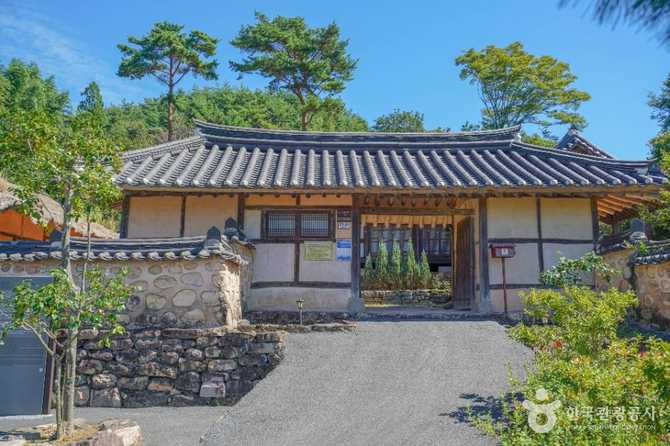
Visit Jeonjae Hanok: Korea’s Traditional House and Cultural Heritage
Discover the beauty and historical significance of Jeonjae Hanok, a preserved traditional Korean house that offers a unique glimpse into Korea’s rich cultural past. Whether you’re a history enthusiast, a lover of traditional architecture, or simply seeking an authentic Korean cultural experience, visiting Jeonjae Hanok provides an enriching journey into Korea’s Joseon Dynasty era.
Located in the scenic region of Jeongnam, Jeonjae Hanok is not just a historical site but also a living testament to Korea’s architectural heritage. This traditional hanok complex was once the home of the renowned late Joseon scholar Wi Baek-gyu, a pioneer of Silhak (Practical Learning) movement. Visitors can explore the various buildings that comprise the site, including the main house, study, shrine, and storage buildings, all built in the traditional Korean architectural style of the late 19th century.
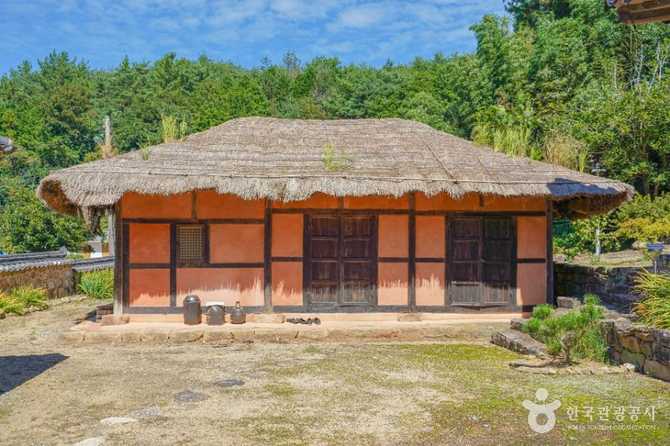
As a cultural treasure, Jeonjae Hanok is open year-round, free of charge, allowing travelers and locals alike to immerse themselves in Korea’s historical ambiance. The site is conveniently accessible via public transportation, with limited parking available. To make the most of your visit, it’s recommended to check the local event schedule and plan your trip during quieter times, such as early morning or late afternoon. This site is ideal for those interested in Korea’s traditional architecture, history, and cultural heritage, offering a meaningful experience that connects past and present.

At a glance
- Who this is for
-
- Travelers interested in Korean traditional architecture and history
- Culture and heritage enthusiasts exploring Jeongnam region
- Researchers studying Joseon Dynasty or Silhak scholars
- Key takeaways
-
- Jeonjae Hanok is the birthplace of scholar Wi Baek-gyu, a Joseon-era Silhak pioneer
- Consists of five traditional buildings: main house, study, shrine, storeroom, and gatehouse
- Open year-round, free entrance, no parking fee, accessible via public transport
- Built in late 19th-century Korean architectural style
- Visit for cultural enrichment, historical insight, and traditional architecture
- Tips & cautions
-
- Use public transportation due to limited parking
- Respect local customs and photography etiquette
- Check for special events or holiday schedule changes before visiting
- Visit during early morning or late afternoon for a quieter experience
- Bottom line
- Jeonjae Hanok is a must-visit cultural site that beautifully preserves Korea’s traditional architecture and historical legacy.
Exploring Jeonjae Hanok offers a rare opportunity to step back into Korea’s past and experience the traditional lifestyle of the Joseon Dynasty. This site is more than just a historical house; it is a living cultural asset that embodies Korea’s architectural elegance and scholarly heritage. Whether you are a history buff, an architecture lover, or a curious traveler, visiting Jeonjae Hanok will deepen your understanding of Korea’s rich cultural tapestry.
From its meticulously preserved buildings to its serene surroundings, the site allows visitors to appreciate the craftsmanship and cultural values of Korea’s bygone era. The site’s historical significance, combined with its peaceful setting, makes it an ideal destination for cultural exploration and educational trips. Make sure to plan your visit ahead of time by checking local schedules and transportation options, ensuring a smooth and meaningful experience.
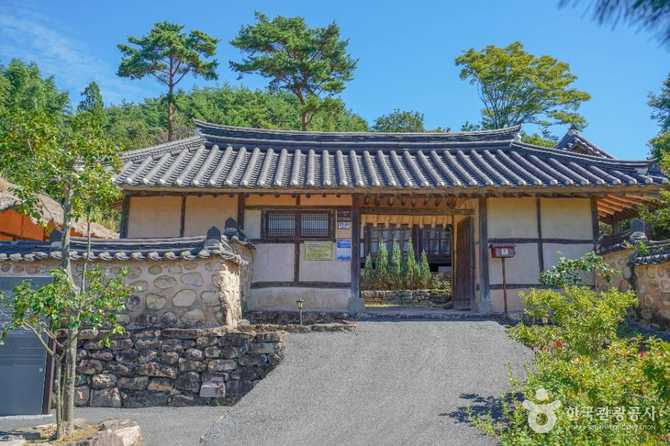
Jeonjae Hanok Overview and Historical Background
Jeonjae Hanok, located in the scenic region of Jeongnam in Jeonnam Province, is a significant cultural heritage site that embodies Korea’s traditional architecture and historical legacy. This historic house is the birthplace of Wi Baek-gyu, a renowned scholar and pioneer of the Joseon Dynasty’s Silhak (Practical Learning) movement. As a representative example of late 19th-century Korean residential architecture, Jeonjae Hanok offers visitors an authentic glimpse into Korea’s scholarly and domestic life during the late Joseon period.
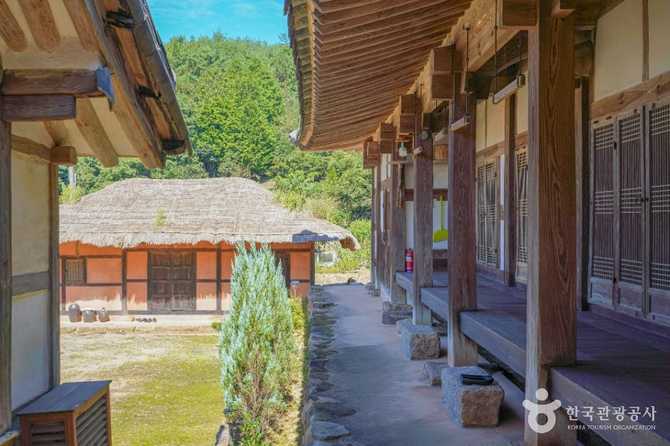
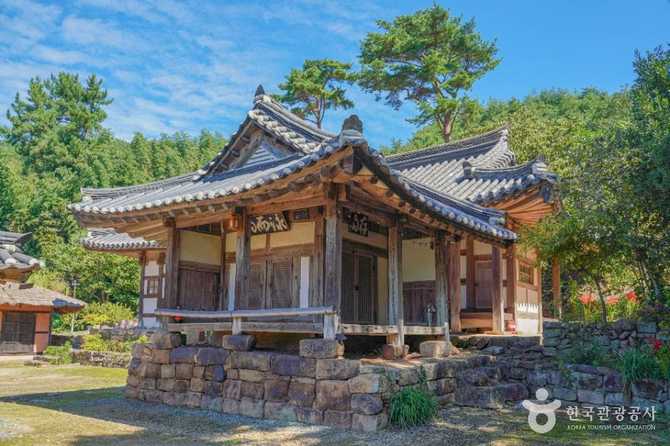
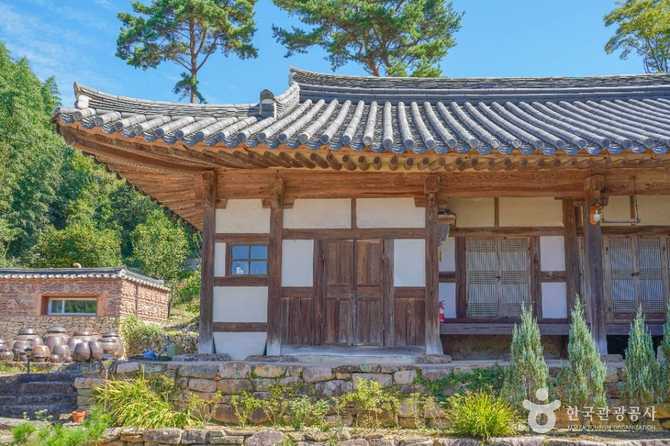
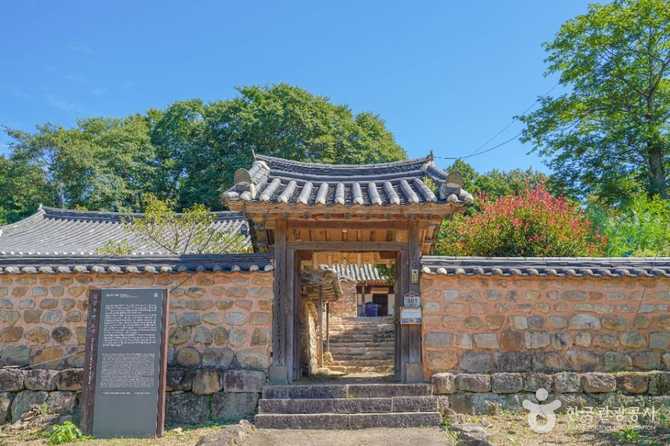
The site comprises five main buildings, including the main house, study, shrine, storeroom, and gatehouse, all constructed in the traditional Hanok style. These structures reflect the architectural aesthetics and construction techniques of the era, with features such as wooden beams, tiled roofs, and courtyards that harmonize with the surrounding natural landscape. The preservation of these buildings allows visitors to appreciate the craftsmanship and cultural values of Korea’s historical architecture.
Wi Baek-gyu was a key figure in the development of Korean practical studies, emphasizing social reform, education, and rural development. His birthplace, Jeonjae Hanok, not only serves as a monument to his legacy but also as a cultural site that embodies the scholarly spirit and traditional lifestyle of the late Joseon era. The site is open year-round, free of charge, making it accessible for all visitors interested in Korea’s history and architecture.
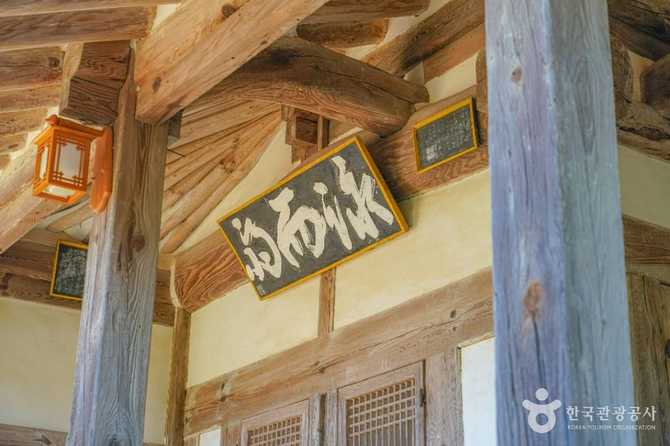
The historical significance of Jeonjae Hanok lies in its connection to Korea’s intellectual history and its well-preserved architectural style. It provides an educational experience, allowing visitors to explore the living conditions, cultural practices, and architectural techniques of the period. As part of Jeongnam’s rich cultural landscape, Jeonjae Hanok is a must-visit location for those seeking to deepen their understanding of Korea’s traditional heritage and scholarly achievements.
Comparison of Architectural Features of Jeonjae Hanok
| Feature | Details | Remarks |
|---|---|---|
| Main House (Anchae) | Traditional Korean hanok style, wooden structure with tiled roof | Serves as the living quarters; reflects late 19th-century architecture |
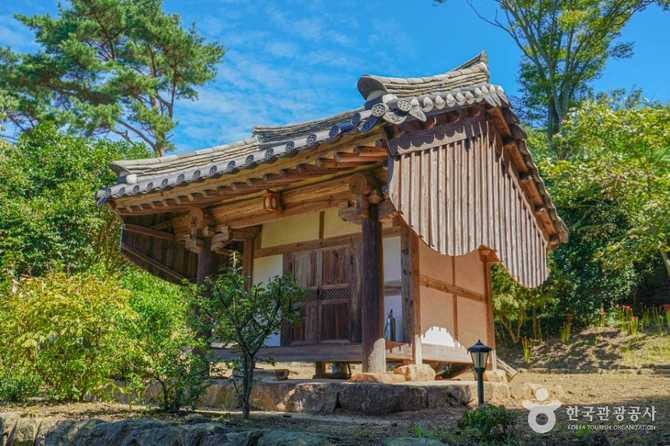
| Study (Seojae) | Small, specialized structure for scholarly activities, unique design | Indicates importance placed on education and scholarly pursuits |
| Shrine (Sadang) | Dedicated to ancestors, built in traditional style, located near main house | Reflects Confucian influence on Korean architecture |
| Storeroom (Dangchae) | Separate building for storage, built with durable materials | Shows the functional aspect of traditional hanok design |
| Gatehouse (Munghwanja) | Entry point, small structure with traditional roof | Provides security and aesthetic appeal |
All buildings are constructed following the traditional Korean hanok architecture, emphasizing harmony with nature, wooden craftsmanship, and functional design. The study’s unique structure and the shrine’s placement highlight the cultural and scholarly values of the period, making Jeonjae Hanok a prime example of late Joseon architectural style.
Visitor Information and Essential Tips for Visiting Jeonjae Hanok
- Opening Hours: Open year-round, 24 hours, with no admission fee.
- Location: 91-32 Bangchon-gil, Gwan-san-eup, Jeungnam, Jeollanam-do, South Korea.
- Transportation: Accessible via public transportation; parking is limited, so public transit is recommended.
- Contact: Call 061-860-0228 or visit the Jeongnam County official tourism website for updates.
- Best Visiting Times: Early mornings or late afternoons for a peaceful experience; check local event schedules for special programs.
- Photography Etiquette: Be respectful of the site and other visitors; seek permission before taking photos inside buildings.
- Special Events: Occasional cultural festivals or traditional ceremonies may be held; verify schedules beforehand.
Visiting Recommendations and Optimal Schedule for Jeonjae Hanok
- Best Times to Visit: Aim to visit early in the morning or late in the afternoon to enjoy a peaceful and less crowded experience. These times also offer ideal lighting for photography and a serene atmosphere for reflection.
- Coordinate with Local Events: Check the Jeongnam County tourism website or contact the site beforehand to align your visit with traditional festivals, cultural demonstrations, or special exhibitions that may be scheduled during your trip.
- Plan Transportation: Since parking is limited, plan to use public transportation such as buses or taxis. Confirm the latest schedules and routes to ensure smooth access to the site.
- Prepare for the Visit: Wear comfortable clothing suitable for walking and exploring outdoor structures. Bring a camera or smartphone for capturing memories, but remember to respect photography etiquette inside buildings.
- Combine with Nearby Attractions: After visiting Jeonjae Hanok, consider exploring nearby cultural sites or natural scenery in Jeongnam to enrich your experience of the region’s heritage.
Pre-Visit Checklist for Jeonjae Hanok
- Confirm the latest visiting hours and any special event schedules via the Jeongnam County tourism website or by calling 061-860-0228.
- Plan your transportation in advance, considering public transit options due to limited parking availability.
- Prepare appropriate attire for outdoor exploration and comfortable shoes for walking around the site.
- Bring a camera or smartphone for photos, and be sure to ask permission before photographing inside buildings.
- Check for any upcoming festivals, traditional ceremonies, or special exhibitions that might enhance your visit.
- Review local customs and etiquette to ensure respectful behavior during your visit.
- Consider visiting during off-peak hours, such as early morning or late afternoon, for a quieter experience.
- After your visit, explore nearby cultural or natural attractions to maximize your trip experience.
Frequently Asked Questions (FAQ)
Q1: Where is Jeonjae Hanok located?
Jeonjae Hanok is situated at 91-32 Bangchon-gil, Gwan-san-eup, Jeungnam, Jeollanam-do, South Korea. It is accessible via public transportation and is part of the Jeongnam region in Jeonnam Province.
Q2: Who was Wi Baek-gyu, and why is his birthplace significant?
Wi Baek-gyu was a prominent scholar and a pioneer of the Korean Silhak (Practical Learning) movement during the late Joseon Dynasty. His birthplace, Jeonjae Hanok, is a cultural heritage site that reflects his historical and scholarly legacy.
Q3: Is Jeonjae Hanok open to visitors year-round?
Yes, Jeonjae Hanok is open year-round, 24 hours a day, and free of charge. Visitors can explore the site at any time without an admission fee.
Q4: What are the main architectural features of Jeonjae Hanok?
The site includes five traditional buildings: the main house (Anchae), study (Seojae), shrine (Sadang), storeroom (Dangchae), and gatehouse (Munghwanja). These structures showcase late 19th-century Korean Hanok architecture with wooden beams, tiled roofs, and courtyards.
Q5: What should I keep in mind when visiting Jeonjae Hanok?
Visitors should use public transportation due to limited parking. Respectful photography and behavior are expected, and it’s advisable to check for any special events or schedule changes before visiting.
Q6: When is the best time to visit Jeonjae Hanok?
The optimal visiting times are early mornings or late afternoons for a peaceful experience. Planning around local cultural events or traditional ceremonies can enhance your visit, and checking the official website for updates is recommended.
Experience Korea’s Rich Heritage at Jeonjae Hanok
Visiting Jeonjae Hanok offers a meaningful opportunity to connect with Korea’s traditional architecture and historical legacy. This well-preserved site, the birthplace of the renowned scholar Wi Baek-gyu, embodies the spirit of late Joseon Dynasty scholarly pursuits and practical learning movement. As you explore the five main buildings—each constructed in authentic Korean hanok style—you can appreciate the craftsmanship, cultural values, and architectural elegance of the period. Whether you are a history enthusiast, an architecture lover, or a curious traveler, Jeonjae Hanok provides an immersive experience that deepens your understanding of Korea’s cultural roots.
The site’s accessibility and free admission make it an excellent destination for visitors seeking an authentic cultural journey. Remember to plan your visit during quieter times, such as early mornings or late afternoons, to enjoy the serene atmosphere and take in the beauty of traditional Korean architecture. Respectful behavior, especially regarding photography and noise levels, helps preserve the tranquility of this historic site. By exploring Jeonjae Hanok, you not only witness Korea’s architectural mastery but also gain insight into the scholarly life and cultural values of the late Joseon period. This experience enriches your appreciation of Korea’s cultural heritage and leaves you with lasting memories of a time when tradition and knowledge intertwined seamlessly.
Ultimately, Jeonjae Hanok is more than just a historic house; it is a living testament to Korea’s rich cultural and scholarly history. Visiting this site allows you to step into the past and witness the beauty of traditional Korean architecture firsthand. It is a must-see destination for those eager to explore Korea’s cultural treasures and deepen their understanding of its historical landscape. Plan your trip with care, respect the site’s customs, and immerse yourself in the timeless elegance of Korea’s traditional hanok. Your visit to Jeonjae Hanok will undoubtedly be a memorable journey into Korea’s vibrant cultural heritage.