
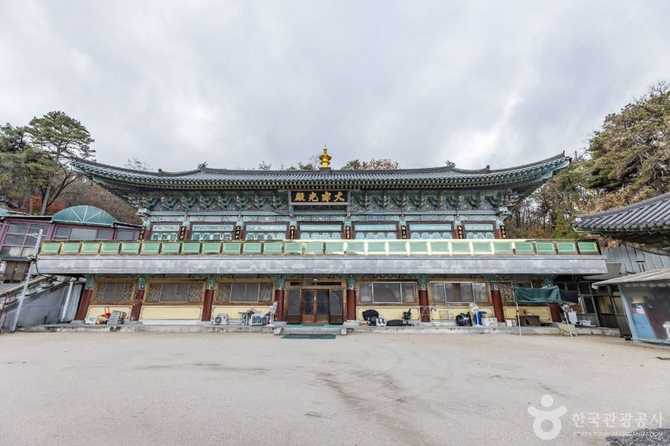
출처 : ⓒ한국관광콘텐츠랩 또는 ⓒ한국관광공사
Visit Bonwonjeongsa Temple in Seoul: A Tranquil Buddhist Sanctuary
Location 서울특별시 강북구 삼각산로 1
Location 서울특별시 강북구 삼각산로 1
Discover the serene beauty and spiritual significance of Bonwonjeongsa Temple in Seoul, a sacred site nestled in the heart of the city’s Bukgusan Mountain area. Whether you’re seeking a peaceful retreat, cultural insight, or a place to meditate and pray, Bonwonjeongsa offers a unique experience rooted in Korean Buddhist traditions. This temple, affiliated with the Jogye Order of Korean Buddhism, provides visitors with an opportunity to connect with Korea’s spiritual heritage amidst modern urban life.

Located in the vibrant district of Suyu-dong, Gangbuk-gu, Seoul, Bonwonjeongsa is renowned for its historical significance and tranquil atmosphere. The temple houses a wooden Jangseok Bodhisattva statue believed to have been relocated after a fire at Taego Temple during the Korean War. The Bodhisattva, known for guiding beings out of suffering, symbolizes compassion and salvation, making the temple a meaningful destination for pilgrims and tourists alike.

Open year-round and free to visit, Bonwonjeongsa is a place where locals and visitors can escape the hustle and bustle of city life, find solace, and engage in prayer or meditation. Its open doors and peaceful grounds invite everyone to experience the calming presence of Korean Buddhist practices. Whether you are interested in exploring Korea’s spiritual culture or simply seeking a quiet spot for reflection, Bonwonjeongsa offers a welcoming environment for all.

At a glance
- Who this is for
-
- Travelers interested in Korean Buddhism and spiritual sites
- Local residents seeking a peaceful retreat
- Culture enthusiasts exploring Seoul’s religious heritage
- Practitioners of meditation and prayer
- Key takeaways
-
- Located at 1 Samgaksan-ro, Gangbuk-gu, Seoul
- Open daily, free admission, always accessible
- Features a historic wooden Bodhisattva statue from the Korean War era
- Connected to the Jogye Order of Korean Buddhism
- Provides a tranquil environment for meditation and reflection
- Tips & cautions
-
- Visit during daylight hours for the best experience
- No parking available on-site; consider public transportation
- Respect local customs and temple etiquette
- Check for any special events or ceremonies before visiting
- Bottom line
- Bonwonjeongsa offers a peaceful spiritual escape in Seoul, perfect for reflection and cultural exploration.
In this article, we will explore the history, significance, and visiting tips for Bonwonjeongsa Temple in Seoul. As a vital part of Korea’s Buddhist landscape, this temple provides a serene sanctuary amid the urban environment. Whether you are a devout practitioner or a curious traveler, understanding the background and offerings of Bonwonjeongsa will enrich your visit and deepen your appreciation of Korea’s spiritual traditions.
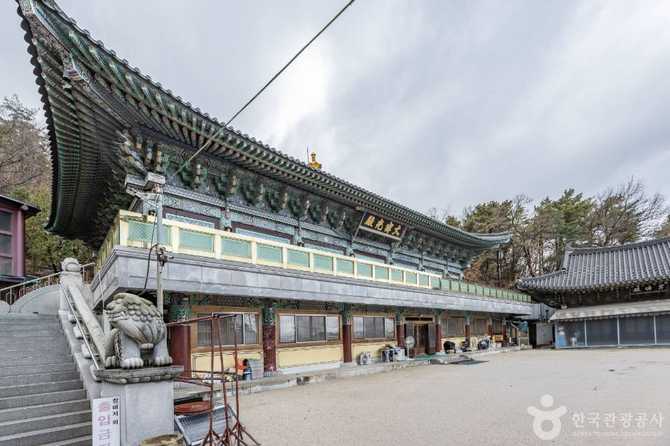
From its historical roots to its current role as a peaceful haven for meditation and prayer, Bonwonjeongsa embodies the enduring spirit of Korean Buddhism. Located conveniently in Seoul’s northern district, it welcomes visitors all year round without an entrance fee. Prepare to immerse yourself in a tranquil atmosphere, discover sacred artifacts, and perhaps find a moment of inner peace during your journey in Korea.
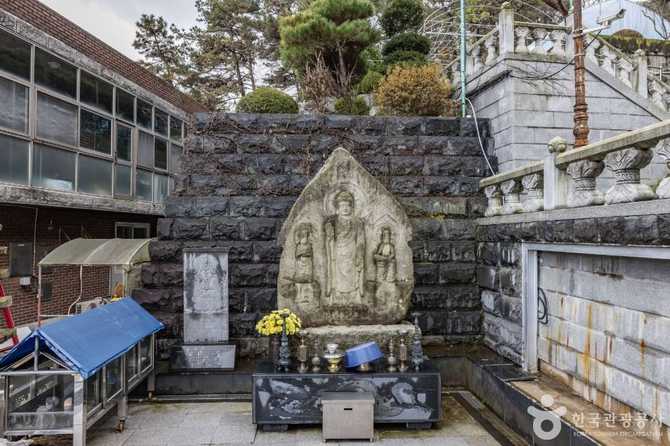
Overview of Bonwonjeongsa Temple in Seoul
Bonwonjeongsa Temple in Seoul is a revered Buddhist sanctuary that offers visitors a peaceful retreat amidst the bustling city life. Located in the Suyu-dong neighborhood of Gangbuk-gu, this historic temple is affiliated with the Jogye Order of Korean Buddhism, one of the largest Buddhist orders in Korea. The temple’s serene atmosphere and spiritual significance make it a popular destination for both locals and travelers seeking tranquility, cultural insight, and spiritual reflection. The focus keyword, Bonwonjeongsa Temple in Seoul, encapsulates its role as a spiritual haven within the urban landscape.
The temple’s history dates back to the Korean War era when a wooden Bodhisattva statue, believed to have been relocated after a fire at Taego Temple, was enshrined here. This Bodhisattva, representing compassion and salvation, is a central figure in the temple’s spiritual life. The temple’s primary purpose is to serve as a sanctuary where people can find solace, meditate, and engage in prayer. Its open-door policy and tranquil grounds invite visitors to escape the noise of city life and connect with Korea’s Buddhist heritage.

Open year-round and free of charge, Bonwonjeongsa Temple in Seoul emphasizes accessibility and spiritual openness. Visitors can participate in various Buddhist practices or simply enjoy the peaceful environment. The temple’s architecture and artifacts reflect Korea’s rich religious history, making it an ideal spot for cultural exploration and spiritual rejuvenation. Whether you are a devout practitioner or a curious traveler, this temple provides a meaningful experience rooted in Korean Buddhist traditions, offering a moment of peace and reflection within the vibrant city of Seoul.

Comparison of Key Features of Bonwonjeongsa Temple in Seoul
| Feature | Details |
|---|---|
| Location | 1 Samgaksan-ro, Suyu-dong, Gangbuk-gu, Seoul |
| Affiliation | Jogye Order of Korean Buddhism |
| Main Artifact | Wooden Bodhisattva statue from the Korean War era |
| Opening Hours | Open 24 hours, always accessible |
| Admission Fee | Free |
| Accessibility | Public transportation recommended; no on-site parking |
| Purpose | Spiritual retreat, meditation, prayer, cultural exploration |
This comparison highlights the key aspects of Bonwonjeongsa Temple in Seoul, emphasizing its accessibility, historical artifacts, and spiritual significance. Visitors looking for a meaningful cultural and religious experience in Seoul will find this temple a compelling destination that combines history, serenity, and community engagement.
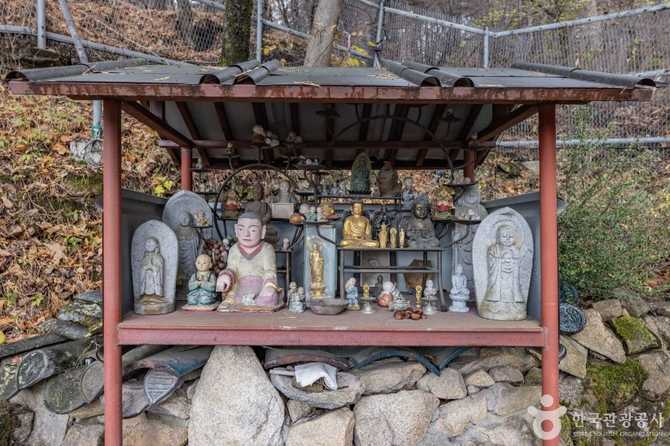
Visiting Tips and Checklist for Bonwonjeongsa Temple in Seoul
- Plan your visit during daylight hours: The temple is open 24/7, but visiting during the day allows better appreciation of its architecture and surroundings.
- Use public transportation: The temple is accessible via Seoul’s subway system; consider taking the subway to Suyu Station and walking or taking a short bus ride.
- Respect local customs: Dress modestly, remove shoes when entering sacred areas, and observe silence during prayer times.
- Participate in meditation or prayer: Engage in the practices offered or simply enjoy the peaceful environment for personal reflection.
- Check for special events: Before visiting, inquire if there are ceremonies or events that might enhance your experience.
Cultural and Religious Practices at Bonwonjeongsa Temple in Seoul
Visitors to Bonwonjeongsa Temple in Seoul have the opportunity to experience authentic Korean Buddhist cultural and religious practices. The temple regularly hosts various ceremonies, meditation sessions, and prayer rituals that reflect the rich spiritual traditions of the Jogye Order. Engaging in these practices offers a deeper understanding of Korean Buddhism and allows visitors to participate actively in the spiritual life of the temple.
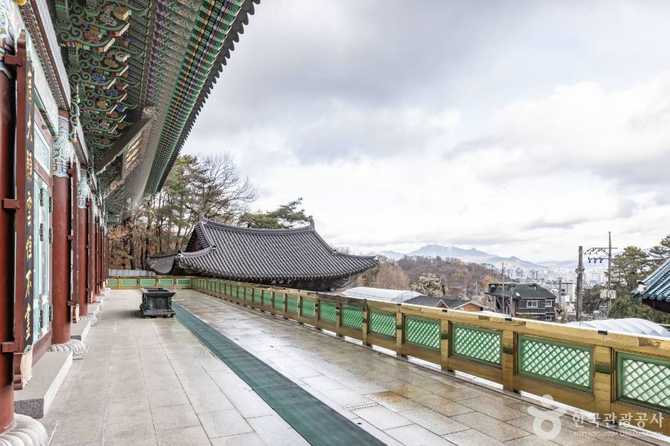
Some common practices include:

| Practice | Description |
|---|---|
| Meditation (Seon) | Guided meditation sessions are often available, providing a peaceful environment for mindfulness practice. |
| Chanting | Recitation of Buddhist sutras and mantras as a form of devotion and spiritual focus. |
| Offerings | Making offerings of incense, flowers, and candles during prayer sessions to honor Buddha and Bodhisattvas. |
| Ceremonies | Participating in seasonal rituals, memorial services, or special Buddhist festivals held at the temple. |
Respect for local customs and proper etiquette are essential during these practices. Visitors are encouraged to dress modestly, speak softly, and follow the guidance of the monks or temple staff to ensure a respectful and meaningful experience.
Travel Tips and Checklist for Visiting Bonwonjeongsa Temple in Seoul
- Use public transportation: To reach the temple conveniently, take Seoul Subway Line 4 to Suyu Station. From there, it’s a short walk or bus ride to the temple entrance.
- Plan your visit during daylight: Although the temple is open 24/7, visiting during daytime hours offers better visibility and a more vibrant atmosphere.
- Dress modestly: Wear respectful attire, especially when entering sacred areas or participating in religious practices.
- Arrive early or late: To avoid crowds and enjoy a peaceful experience, consider visiting early in the morning or late in the afternoon.
- Respect temple etiquette: Remove shoes when entering temple buildings, speak softly, and avoid disruptive behavior.
- Check for special events: Before your visit, inquire if there are any ceremonies, festivals, or meditation sessions scheduled that you might want to join.
- Bring essentials: Carry water, a hat, and sunscreen during summer, and warm clothing in winter to stay comfortable during your visit.
- Allocate enough time: Spend at least 30 minutes to an hour to fully appreciate the tranquility and spiritual ambiance of the temple grounds.
Frequently Asked Questions (FAQ)
Q1: What are the opening hours of Bonwonjeongsa Temple in Seoul?
An: Bonwonjeongsa Temple in Seoul is open 24 hours a day, year-round, allowing visitors to access its grounds at any time. However, for participation in specific ceremonies or practices, daytime visits are recommended. The temple maintains an open-door policy for meditation, prayer, and reflection.
Q2: Is there an entrance fee to visit Bonwonjeongsa Temple in Seoul?
An: No, admission to Bonwonjeongsa Temple in Seoul is completely free. Visitors can explore the temple grounds, participate in activities, and enjoy the peaceful environment without any cost.
Q3: How can I get to Bonwonjeongsa Temple using public transportation?
An: The temple is accessible via Seoul’s subway system, with the nearest station being Suyu Station. From there, it is a short walk or bus ride to the temple’s location at 1 Samgaksan-ro, Suyu-dong, Gangbuk-gu. Public transport is recommended as there is no parking available on-site.
Q4: What is the significance of the wooden Bodhisattva statue at Bonwonjeongsa?
An: The wooden Bodhisattva statue, believed to have been relocated after a fire at Taego Temple during the Korean War, symbolizes compassion and salvation. It is a central artifact representing the temple’s dedication to guiding beings out of suffering and fostering spiritual growth.
Q5: Are there any specific practices or ceremonies I can participate in at Bonwonjeongsa?
An: Yes, visitors can participate in meditation sessions, chanting, and prayer rituals conducted regularly at the temple. These practices reflect Korean Buddhist traditions and offer a deeper spiritual experience for practitioners and curious visitors alike.
Q6: Is Bonwonjeongsa Temple suitable for tourists interested in Korean culture?
An: Absolutely. The temple offers insight into Korea’s Buddhist heritage, traditional rituals, and peaceful architecture. It is a meaningful destination for those seeking cultural enrichment and spiritual reflection within Seoul.
Final Thoughts on Visiting Bonwonjeongsa Temple in Seoul
A visit to Bonwonjeongsa Temple in Seoul offers a unique opportunity to experience Korea’s rich Buddhist heritage in a peaceful and accessible setting. Whether you are seeking spiritual solace, cultural insight, or simply a tranquil place to reflect, this temple provides a welcoming environment for all visitors. Its historical significance, exemplified by the wooden Bodhisattva statue from the Korean War era, adds depth to your experience, connecting you with Korea’s spiritual resilience and tradition.
The temple’s open-door policy and free admission make it an ideal destination for travelers, locals, and practitioners alike. Its convenient location in Gangbuk-gu means you can easily incorporate a visit into your Seoul itinerary, especially if you’re interested in exploring religious sites beyond the typical tourist spots. Remember to respect the local customs, dress modestly, and engage with the practices offered to deepen your understanding of Korean Buddhism. Visiting Bonwonjeongsa Temple in Seoul can be a meaningful addition to your journey, providing a moment of peace amid the vibrant city life and enriching your appreciation for Korea’s spiritual traditions. Embrace the serenity and cultural richness that this sacred site has to offer, and allow yourself to connect with the enduring spirit of Korean Buddhism in a setting that welcomes all to find tranquility and inspiration.