
출처 : ⓒ한국관광콘텐츠랩 또는 ⓒ한국관광공사
Visit Bonganjeongsa Temple in Seoul: Modern and Traditional Harmony
Location 서울특별시 양천구 목동동로 371 (목동)
Location 서울특별시 양천구 목동동로 371 (목동)
Discover the unique blend of contemporary architecture and traditional Buddhist culture at Bonganjeongsa Temple, a modern sanctuary nestled in Seoul’s urban landscape. Whether you’re seeking spiritual peace, cultural insight, or a scenic spot in the city, this temple offers a memorable experience that combines history and modern design.
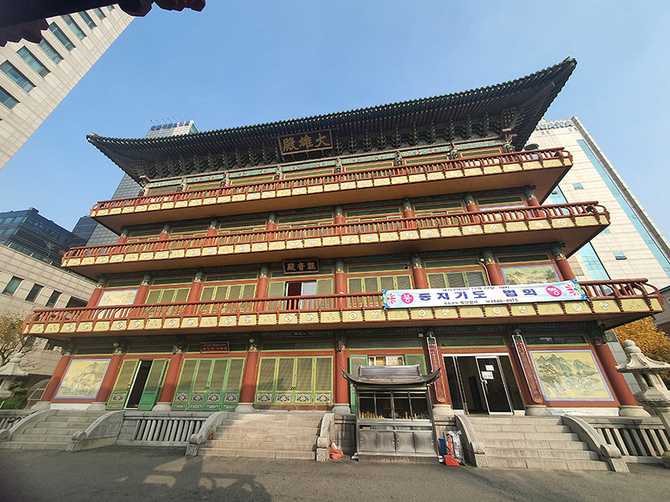
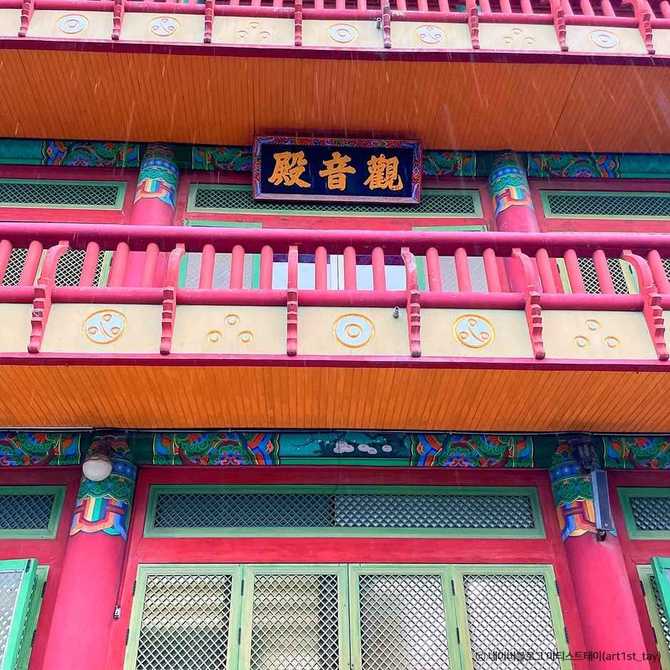
Located in Yangcheon-gu’s Mok-dong district, Bonganjeongsa Temple stands out as a symbol of Korea’s evolving spiritual landscape, built to commemorate the 100th anniversary of Korea-France diplomatic relations. Its striking four-story structure merges traditional Buddhist aesthetics with contemporary architectural elements, making it a must-visit for travelers interested in Korea’s cultural and religious sites within the bustling city environment.
At a glance
- Who this is for
-
- Travelers seeking a blend of modern architecture and traditional culture in Seoul
- Visitors interested in Korea’s religious sites within city centers
- People exploring cultural landmarks in Yangcheon-gu
- Those wanting peaceful meditation and spiritual reflection in an urban setting
- Key takeaways
-
- Modern Buddhist temple built in 1989 to mark Korea-France diplomatic anniversary
- Four-story contemporary structure with traditional design elements
- Located at 371 Mokdongdong-ro, Yangcheon-gu, Seoul
- Open year-round from 8:30 am to 5:00 pm, free admission
- Accessible by subway and bus, with limited parking available
- Tips & cautions
-
- Visit early in the day to avoid city traffic congestion
- Use public transportation whenever possible due to limited parking
- Check operating hours and holiday schedules before visiting
- Maintain respectful behavior and proper etiquette during your visit
- Bottom line
- Experience the harmonious blend of modern architecture and traditional Buddhist culture at Bonganjeongsa Temple in Seoul for a meaningful city escape.
Seoul is a city where the old meets the new, and Bonganjeongsa Temple exemplifies this beautifully. Situated in the vibrant district of Mok-dong, this modern Buddhist temple offers visitors a unique opportunity to enjoy tranquility amid urban life. Built in 1989 to commemorate the 100th anniversary of Korea-France diplomatic relations, the temple’s architecture is a striking combination of contemporary design and traditional Buddhist motifs, creating a space that is both inspiring and serene.
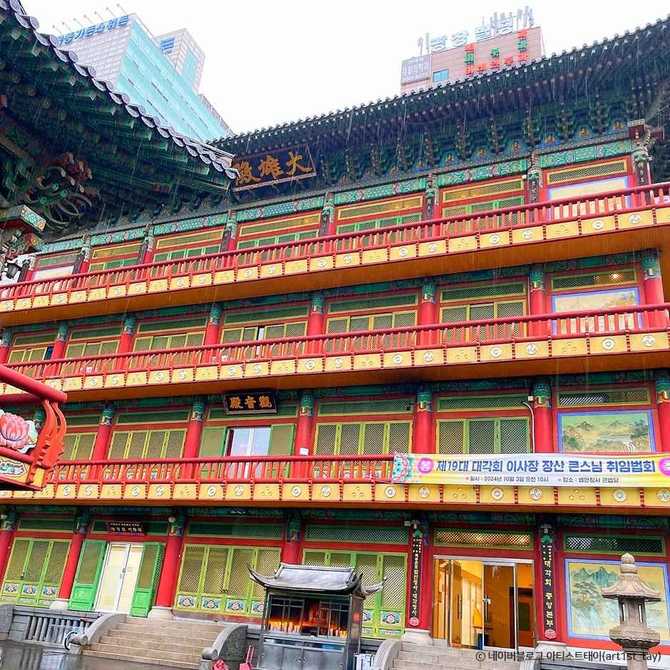
Whether you are a spiritual seeker, a culture enthusiast, or a curious traveler, Bonganjeongsa provides a peaceful environment for meditation, reflection, and cultural appreciation. Its accessible location, modern facilities, and scenic surroundings make it an attractive destination for those exploring Seoul’s diverse attractions. In this guide, we will cover everything you need to know about visiting Bonganjeongsa Temple, including its location, operating hours, transportation options, architectural features, and tips for a smooth visit.
Bonganjeongsa Temple Overview and Location
Nestled in the heart of Seoul’s Mok-dong district, Bonganjeongsa Temple stands out as a modern yet culturally significant Buddhist temple that beautifully blends contemporary architecture with traditional spiritual practices. As a prominent example of a modern temple in Seoul, it offers visitors a unique opportunity to experience Korean Buddhist culture within an urban environment. The focus keyword, Bonganjeongsa Temple, captures the essence of this site as a contemporary religious sanctuary that also respects Korea’s spiritual heritage.
Established in 1989 to commemorate the 100th anniversary of Korea-France diplomatic relations, Bonganjeongsa symbolizes Korea’s openness and cultural exchange. Its four-story structure features sleek modern lines complemented by traditional Buddhist motifs, creating an impressive visual harmony. The temple’s location at 371 Mokdongdong-ro, Yangcheon-gu, Seoul, makes it easily accessible for both locals and international visitors. Surrounded by the bustling city life, the temple provides a peaceful refuge where visitors can meditate, reflect, or simply enjoy the serene environment amid the urban landscape.
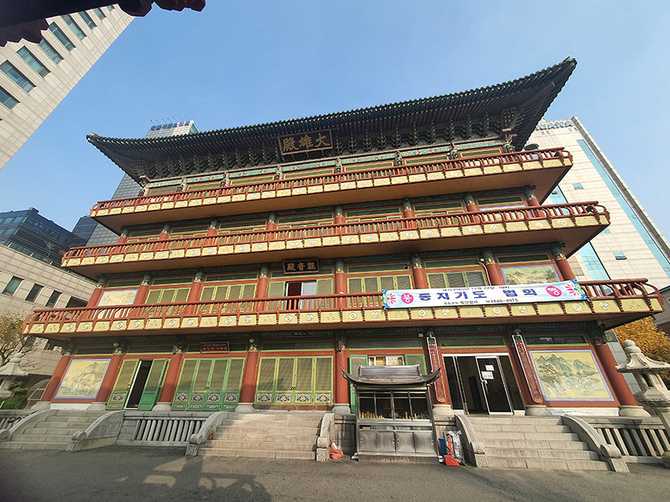
The temple’s modern design incorporates spacious halls and meditation rooms, allowing visitors to engage in spiritual practices comfortably. Its accessibility via public transportation, including subway and bus routes, ensures that travelers can reach the site conveniently without hassle. Whether you are interested in exploring Korea’s religious architecture, seeking tranquility in a city setting, or learning about the country’s cultural evolution, Bonganjeongsa Temple offers a meaningful experience. This guide provides detailed information about its location, history, and the cultural significance of this modern Buddhist sanctuary, making it an essential destination for travelers exploring Seoul’s diverse spiritual landscape.
Comparison of Visiting Hours and Holiday Schedule
| Aspect | Details |
|---|---|
| Operating Hours | 08:30 AM – 05:00 PM |
| Holiday Schedule | Open Year-Round, No Holidays |
| Special Events | Occasional Ceremonies and Meditation Programs (Check prior to visit) |
| Best Visiting Time | Early morning or late afternoon for a quieter experience |
Bonganjeongsa Temple operates daily from 8:30 AM to 5:00 PM, allowing visitors ample time to explore and participate in meditation or cultural activities. Since the temple is open all year round, there are no designated holidays, making it a flexible destination for travelers planning their Seoul itinerary. However, it is recommended to visit during non-peak hours, such as early mornings or late afternoons, to enjoy a more tranquil atmosphere. The temple occasionally hosts special ceremonies or meditation sessions, so checking their official contact or calling ahead can enhance your experience. Overall, the flexible schedule and continuous operation make Bonganjeongsa an accessible and inviting site for both casual visitors and those seeking a spiritual retreat in the city.
Transportation and Parking Information
- Public Transportation: The most convenient way to reach Bonganjeongsa Temple is via Seoul’s subway system. Take Line 5 to Mok-dong Station and exit through Exit 3. From there, it is approximately a 10-minute walk to the temple.
- Bus Options: Several bus routes serve the area, including buses 662, 662-1, and 661, which stop near Mok-dong Station. Check local bus schedules for real-time updates.
- Driving and Parking: Visitors arriving by car can park in the designated parking lot near the temple. Parking fees are 150 won per 5 minutes, which can add up quickly during busy times. Because parking space is limited, it is highly recommended to use public transportation whenever possible.
In summary, Bonganjeongsa Temple’s accessibility is excellent through Seoul’s extensive subway and bus networks. If you choose to drive, be aware of limited parking options and plan accordingly. Whether you arrive by public transit or car, ensuring a smooth journey will help you enjoy the serene atmosphere and cultural richness of this modern Buddhist temple in Seoul.
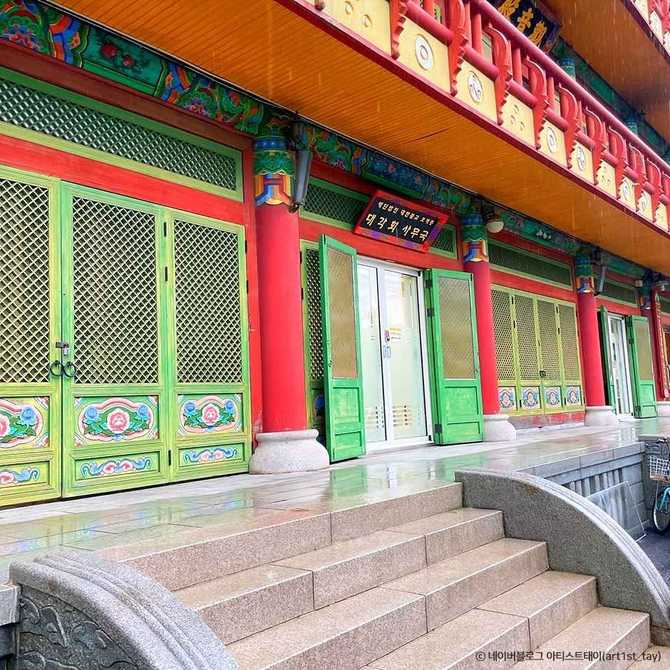
Architectural Features and Design of Bonganjeongsa Temple
| Feature | Details |
|---|---|
| Structure | Four-story modern building with traditional aesthetic elements |
| Design Style | Blend of contemporary architecture and traditional Buddhist motifs |
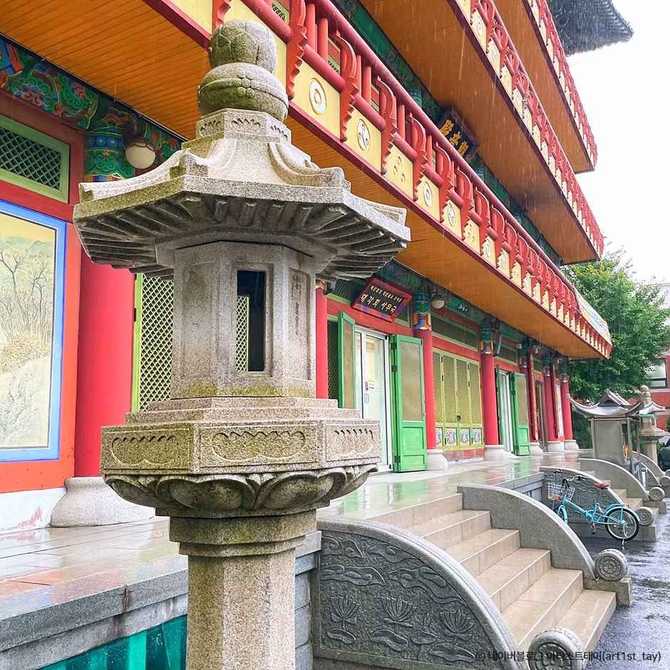
| Exterior | Sleek lines, modern materials, and traditional decorative details |
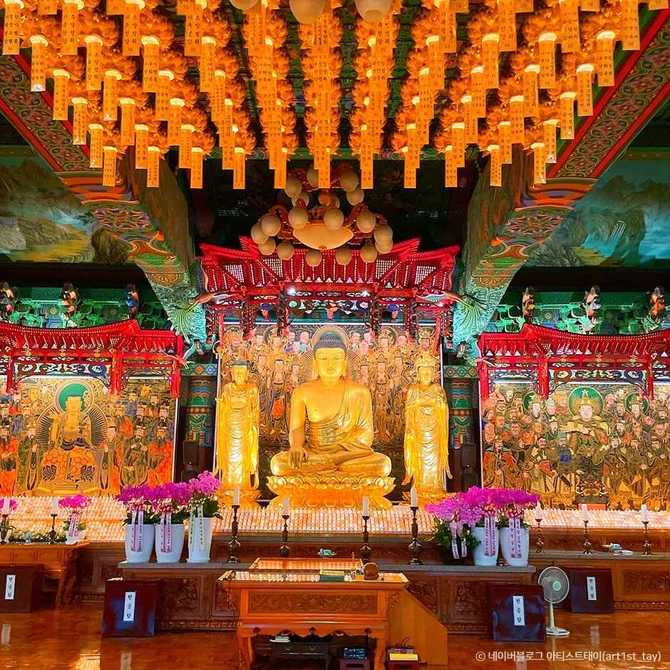
| Interior | Spacious, minimalistic, designed for meditation and reflection |
| Architectural Style | Modern with traditional Buddhist aesthetics, emphasizing harmony and serenity |
Visitor Tips and Precautions for Bonganjeongsa Temple
- Plan Your Visit During Off-Peak Hours: To enjoy a peaceful experience, visit early in the morning or late in the afternoon when the temple is less crowded.
- Use Public Transportation: Due to limited parking and potential city traffic, utilizing subway or bus routes is highly recommended for a smooth journey.
- Check Operating Hours and Holidays: Although the temple is open year-round from 8:30 am to 5:00 pm, confirming current hours or special events before your visit can enhance your experience.
- Maintain Respectful Behavior: Follow proper etiquette, such as removing shoes when entering certain areas and speaking quietly, to show respect for the sacred environment.
- Be Mindful of Weather Conditions: Dress appropriately for the weather, especially if planning to spend time outdoors or participate in meditation sessions.
- Limit Disruptive Activities: Refrain from loud noises, photography in restricted areas, or disruptive behavior to preserve the tranquil atmosphere for all visitors.
- Stay Informed About Events: Contact the temple at 02-2646-4975 for information on special ceremonies or meditation programs that may require prior registration.
Whether you visit during the day or evening, Visit Bonganjeongsa Temple in Seoul is a meaningful stop on any Seoul itinerary for history-minded travelers.
Frequently Asked Questions (FAQ)
Q1: When is Bonganjeongsa Temple open to visitors?
Bonganjeongsa Temple operates daily from 8:30 AM to 5:00 PM, and it is open year-round without any holidays. Visitors can explore the temple during these hours for meditation, cultural activities, or sightseeing.
Q2: Is there parking available at Bonganjeongsa Temple?
Yes, the temple provides a parking lot for visitors. However, parking is limited and costs approximately 150 won per 5 minutes, so using public transportation is recommended for convenience.
Q3: How can I get to Bonganjeongsa Temple using public transportation?
You can take Seoul Subway Line 5 to Mok-dong Station and exit through Exit 3, then walk about 10 minutes to the temple. Several bus routes, including 662, 662-1, and 661, also serve the nearby area.
Q4: What is the architectural style of Bonganjeongsa Temple?
The temple features a modern four-story building that combines contemporary architectural design with traditional Buddhist motifs. Its sleek exterior and spacious interior reflect a harmonious blend of modernity and tradition.
Q5: Are there any special events or programs held at Bonganjeongsa?
The temple occasionally hosts ceremonies and meditation programs, but specific schedules are not listed here. It is advisable to contact the temple directly at 02-2646-4975 to confirm upcoming events before your visit.
Q6: What should I keep in mind when visiting Bonganjeongsa Temple?
Visitors should be respectful of the sacred space, follow proper etiquette, and check operating hours and parking availability in advance. To avoid city traffic, early morning or late afternoon visits are recommended.
Experience the Modern and Traditional Charm of Bonganjeongsa Temple in Seoul
Visiting Bonganjeongsa Temple offers a unique opportunity to immerse yourself in Korea’s rich spiritual heritage while appreciating contemporary architectural innovation. Located conveniently in Seoul’s Mok-dong district, this modern Buddhist temple seamlessly blends traditional design elements with sleek, modern construction. Whether you are seeking a peaceful retreat, cultural enrichment, or simply a scenic spot within the bustling city, Bonganjeongsa provides a meaningful experience that highlights Korea’s evolving religious landscape. Its accessible location, combined with its open schedule and well-maintained facilities, makes it an ideal destination for both local residents and international travelers. Remember to plan your visit during off-peak hours and consider using public transportation to avoid city traffic and parking limitations. This modern sanctuary not only embodies Korea’s spiritual traditions but also showcases the country’s innovative approach to preserving cultural heritage in an urban setting. A visit to Bonganjeongsa Temple promises a memorable and enriching journey into Korea’s sacred and architectural beauty.