
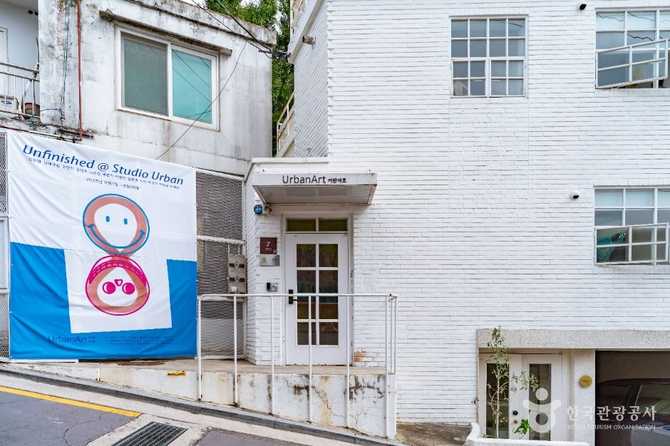
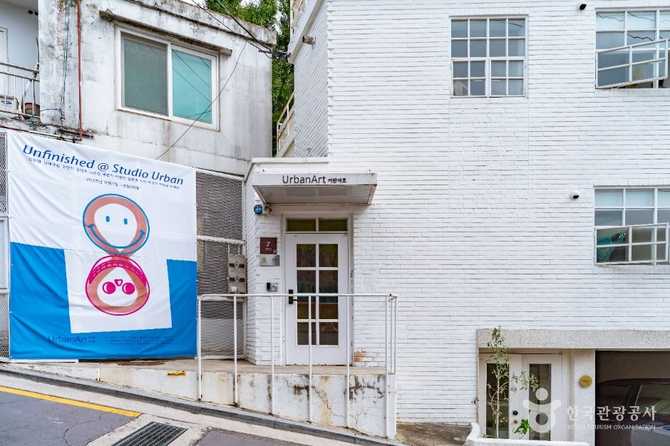
Urban Art: Leading Contemporary Art Gallery in Korea
Discover the vibrant world of contemporary art at Urban Art, Korea’s renowned gallery dedicated to showcasing innovative works and talented artists since 1995. Whether you’re an art enthusiast, collector, or industry professional, understanding the offerings and history of Urban Art can enrich your experience in the global art scene.
Urban Art has established itself as a trusted name in the contemporary art market, both domestically and internationally. With a focus on modern art trends, a broad network of artists, and active participation in major global art fairs, it serves as a vital hub for art lovers and collectors seeking exceptional pieces and expert guidance.
At a glance
- Who this is for
-
- Contemporary art enthusiasts and collectors in Korea and abroad
- Industry professionals engaged in the global art market
- Businesses seeking art consulting or corporate collections
- Key takeaways
-
- Founded in 1995, specializing in contemporary art
- Official dealer at Sotheby’s since 1999
- Participates in major international art fairs like Basel and Miami
- Researches and designs in environmental sculpture since 2003
- Offers diverse art services and exhibitions without parking facilities
- Tips & cautions
-
- Contact in advance for exhibition fees and schedules
- Closed Sundays and Mondays; plan transportation accordingly
- No on-site parking; use public transit
- Bottom line
- Urban Art is a trusted leader in Korea’s contemporary art scene, connecting artists and collectors worldwide.
Urban Art has been at the forefront of Korea’s contemporary art scene for nearly three decades. Since its establishment in 1995, the gallery has played a pivotal role in introducing both emerging and established artists to the local and international markets. Its commitment to excellence and innovation has helped shape Korea’s vibrant art landscape, making it a key destination for art lovers and collectors seeking quality and relevance.
With a global outlook, Urban Art actively participates in major international art fairs such as Basel and Miami, elevating Korean contemporary art on the world stage. The gallery’s extensive network includes collaborations with Sotheby’s, starting in 1999, and a dedicated research division focusing on environmental sculpture and design since 2003. This diverse portfolio enables Urban Art to offer a wide range of services, from exhibitions and sales to consulting for corporate and individual clients.
Understanding the history, activities, and operational details of Urban Art is essential for anyone interested in Korea’s contemporary art market. Whether you are a collector looking for unique pieces, an artist seeking representation, or a business exploring art investments, gaining insight into this influential gallery can enhance your engagement with the art world. This guide aims to provide comprehensive information about Urban Art’s background, exhibitions, and visiting tips, making it easier for you to connect with Korea’s vibrant art scene.
Urban Art: An Overview of Korea’s Leading Contemporary Art Gallery
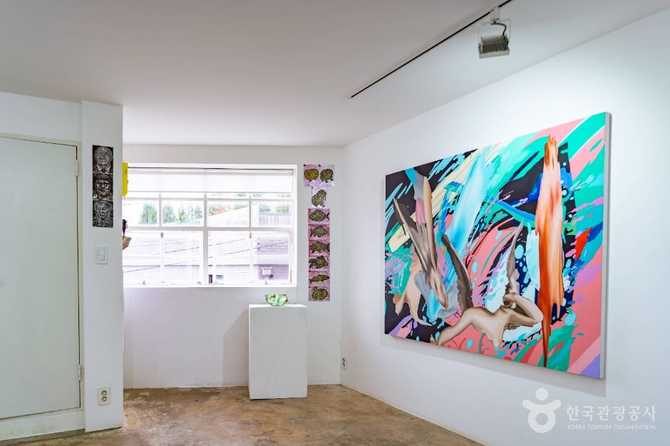
Urban Art is a prominent contemporary art gallery based in Seoul, South Korea, renowned for its dedication to showcasing innovative and influential works by both emerging and established artists since its founding in 1995. As a key player in Korea’s vibrant art scene, Urban Art specializes in modern and contemporary artworks, fostering a dynamic platform that connects artists, collectors, and art enthusiasts from around the world. Its focus on contemporary art has positioned it as a trusted name in the industry, known for curating high-quality exhibitions and participating in major international art fairs such as Basel and Miami. The gallery’s extensive network and expertise enable it to promote Korean artists on the global stage while also introducing international talents to Korea’s growing art market.
Since its inception, Urban Art has expanded its scope beyond traditional gallery functions to include research and development in environmental sculpture and design, reflecting its commitment to innovation in the arts. It actively collaborates with foreign art organizations and participates in global exhibitions, making it a bridge between Korea and the international art community. The gallery’s strategic focus on fostering talented artists and curating compelling exhibitions has helped it build a reputation for excellence and credibility. Its operations are tailored to serve a diverse clientele, including private collectors, corporate clients, and art connoisseurs seeking meaningful investments or unique artworks.
Understanding the history and core activities of Urban Art offers valuable insights into Korea’s contemporary art landscape. Whether you are an art lover interested in purchasing pieces, an artist seeking representation, or a business exploring art investments, knowing about Urban Art’s role and achievements can enhance your engagement with Korea’s thriving art industry. This overview aims to provide a comprehensive picture of the gallery’s foundational principles, key milestones, and ongoing contributions to the global art scene, making it an essential reference for anyone interested in Korea’s contemporary art market.
Comparison of Urban Art’s International Art Market Activities
| Activity | Details | Remarks |
|---|---|---|
| Major Art Fairs Participation | Basel Art Fair, Miami Art Basel, and other international fairs | Showcases Korean and international artists globally |
| Global Network Collaboration | Partnerships with Sotheby’s since 1999, international galleries | Enhances international visibility and market access |
| Artist Discovery & Promotion | Focus on emerging and renowned artists for global exhibitions | Supports international careers of Korean artists |
| Exhibition Planning | Aligns with global art calendar, pre-plans for international audiences | Requires early coordination with international partners |
| Research & Development | Focus on environmental sculpture and design since 2003 | Innovative projects often involve cross-cultural collaborations |
Exhibition & Art Fair Participation Checklist
- Check the upcoming international art fair schedule: Ensure participation aligns with your target audience and artist promotion goals.
- Review the list of participating artists and works: Confirm the artworks selected for the event match your gallery’s focus and branding.
- Coordinate with logistics and shipping: Plan early for transportation, customs, and installation requirements.
- Develop marketing and promotional strategies: Prepare promotional materials, press releases, and social media campaigns.
- Schedule pre-event meetings with international partners: Foster collaborations and secure media coverage.
- Prepare exhibition catalogues and documentation: Ensure all artworks are properly documented and labeled.
- Warn: Be aware that exhibition fees and participation costs vary depending on the event. Always verify the latest fee structure and include it in your budget planning.
Expansion of Art Business and Research at Urban Art
Since its founding in 1995, Urban Art has continuously expanded its scope beyond traditional gallery functions to include innovative research and development in environmental sculpture and design. This strategic diversification aims to integrate contemporary art with environmental and urban spaces, fostering a modern aesthetic that resonates with public and private sectors alike. The gallery actively collaborates with foreign landscape and environmental art companies to create large-scale installations and public artworks that enhance urban landscapes and community spaces.
The research division at Urban Art focuses on exploring new forms of environmental sculpture, combining artistic expression with sustainable and functional design principles. This includes projects involving city planning, public art installations, and eco-friendly material usage. The gallery’s team conducts ongoing market research to identify emerging trends and innovative materials, ensuring that their projects stay at the forefront of contemporary environmental art. Their work not only enriches urban environments but also contributes to the global discourse on sustainable art practices.
The process of expanding into environmental sculpture and design involves several key steps:
- Market Research & Trend Analysis: Conduct comprehensive studies on environmental art trends and urban development needs.
- Partnership Development: Establish collaborations with foreign landscape and environmental design firms to access innovative technologies and materials.
- Project Planning & Concept Design: Develop conceptual proposals tailored to cityscapes, parks, and public spaces, ensuring aesthetic harmony and functional utility.
- Prototype & Material Testing: Create prototypes and test eco-friendly materials for durability and environmental impact.
- Implementation & Installation: Coordinate with city authorities and construction teams for the installation of sculptures and environmental artworks.
- Post-Installation Evaluation & Research: Monitor the artworks’ condition and public reception, feeding data back into research for future projects.
Visiting Urban Art: Essential Checklist
- Check the current exhibition schedule: Confirm opening days, hours, and specific exhibitions on display.
- Review visiting hours and days: Urban Art operates from 11:00 AM to 6:00 PM, closed every Sunday and Monday.
- Make a prior inquiry: Contact the gallery beforehand to confirm exhibition fees, special events, or guided tours.
- Plan transportation: Since parking is unavailable, utilize public transportation options such as subway or bus services.
- Prepare necessary documentation: If applicable, bring identification or membership cards for special access or discounts.
- Review safety protocols: Follow any gallery-specific guidelines to ensure a safe and enjoyable visit.
- Check for temporary closures or updates: Visit the official website or contact the gallery directly for the latest information before your visit.
- Warn: Be aware that some exhibitions may require an entry fee, which varies depending on the event. Always verify the latest fee details in advance.
Frequently Asked Questions (FAQ)
Q1: When was Urban Art established?
Urban Art was founded in 1995 as a leading contemporary art gallery in Korea, specializing in modern and contemporary artworks. It has since played a significant role in Korea’s art scene, both domestically and internationally.
Q2: What types of artists and artworks does Urban Art showcase?
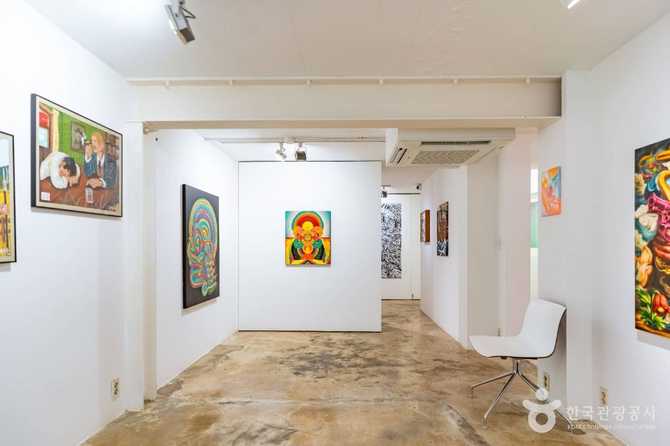
Urban Art primarily features Korean and international contemporary artists, including emerging and established talents. The gallery presents a diverse range of modern artworks, including paintings, sculptures, and environmental art.
Q3: Which major international art fairs does Urban Art participate in?
Urban Art regularly participates in prominent global art fairs such as Basel Art Fair and Miami Art Basel. These events help promote Korean artists and enhance their international recognition.
Q4: What are the visiting hours for Urban Art?
Urban Art is open from 11:00 AM to 6:00 PM, Tuesday through Saturday. The gallery is closed on Sundays and Mondays, so visitors should plan accordingly.
Q5: Is parking available at Urban Art?
No, Urban Art does not provide parking facilities. Visitors are advised to use public transportation or nearby parking options when planning their visit.
Q6: How much does it cost to visit exhibitions at Urban Art?
Exhibition admission fees vary depending on the event, so it is recommended to check the gallery’s official website or contact them in advance for specific pricing details. Some exhibitions may have free entry.
Conclusion: Discover the Significance of Urban Art in Korea’s Contemporary Art Scene
In summary, urban art plays a vital role in shaping Korea’s vibrant contemporary art landscape. Since its establishment in 1995, this leading gallery has become a trusted platform for showcasing innovative works by both emerging and established artists. Its active participation in major international art fairs like Basel and Miami has elevated Korean art on the global stage, fostering cross-cultural exchanges and expanding market opportunities. Urban Art’s strategic focus on research, especially in environmental sculpture and urban design, demonstrates its commitment to pushing artistic boundaries and integrating art into everyday life. For collectors, artists, and industry professionals, understanding the importance of Urban Art provides valuable insight into Korea’s dynamic art market and its international influence. Whether you are seeking unique artworks, collaboration opportunities, or market expertise, recognizing the role of Urban Art will enhance your engagement with Korea’s thriving contemporary art scene. Exploring its history, activities, and upcoming exhibitions offers a comprehensive perspective on Korea’s innovative and globally connected art industry.