
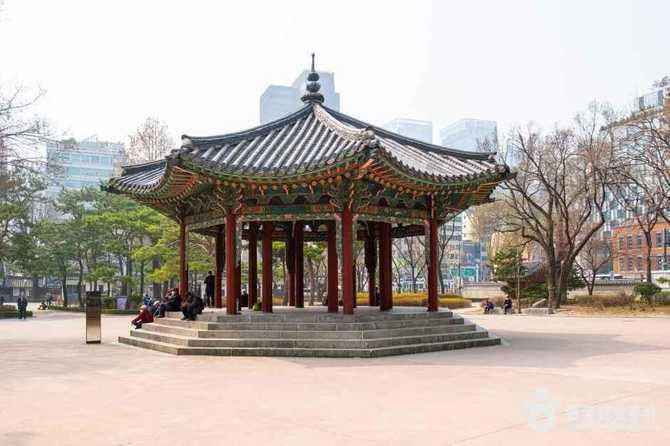
Topgol Park: Discover Seoul’s Historic Landmark and Cultural Treasure
Are you interested in exploring Seoul’s rich history and cultural heritage? Topgol Park offers visitors a unique opportunity to experience Korea’s independence movement, traditional architecture, and historical significance all in one place. Located in the heart of Seoul, this historic park is a must-visit destination for travelers eager to understand Korea’s past and enjoy a peaceful green space amidst the bustling city.
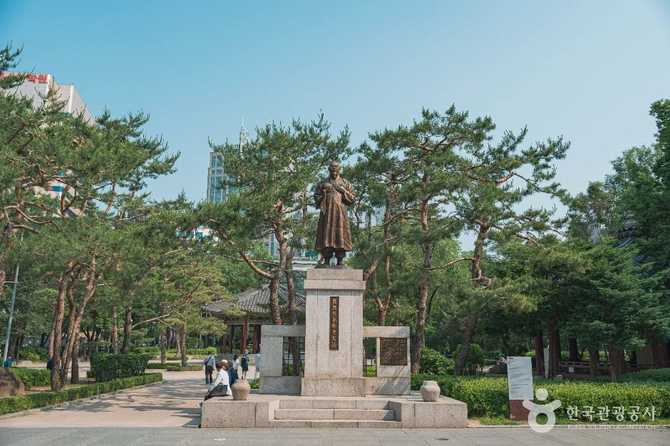
Topgol Park, often regarded as Seoul’s cultural and historical hub, was established on the site of the ancient Wolgak Temple during the Joseon Dynasty. It holds a special place in Korea’s national identity as the birthplace of the March 1st Movement, a pivotal event in Korea’s fight for independence from Japanese colonial rule. Since its creation in 1897 by British expatriate Charles Brown and its official opening in 1920, Topgol Park has served as a symbol of resilience, patriotism, and cultural preservation.
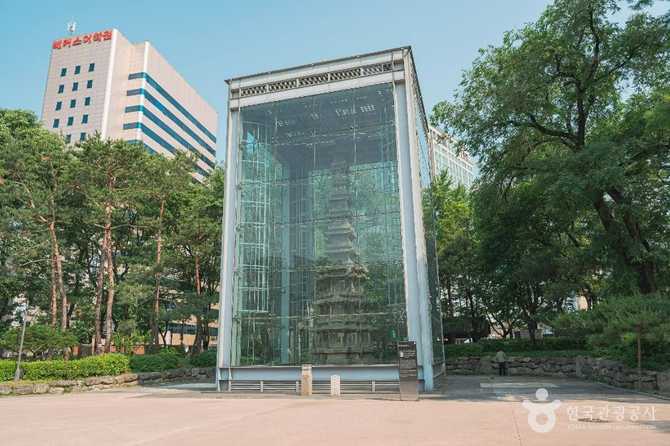
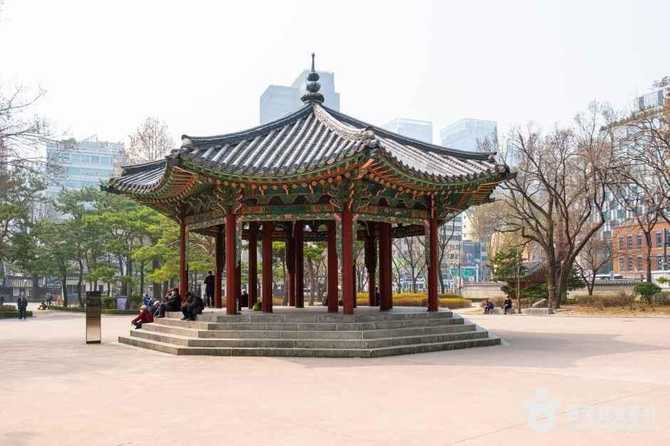
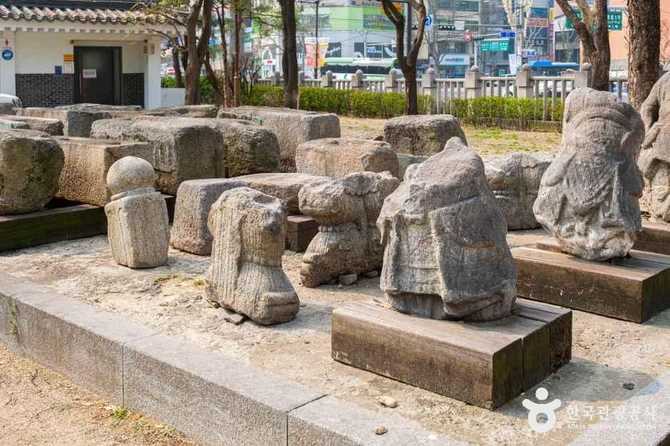
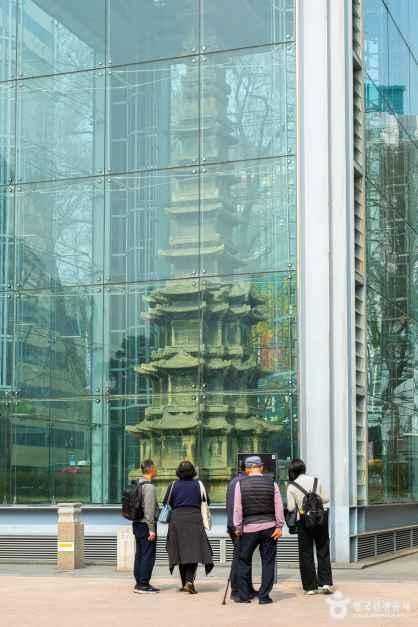
Visiting Topgol Park allows travelers to walk among historic monuments, traditional stone pagodas, and preserved relics that tell stories of Korea’s struggle for sovereignty. The park’s open spaces and cultural artifacts, including the National Treasure 1, the 10-story stone pagoda of Wanggak Temple, offer a profound glimpse into Korea’s ancient Buddhist heritage. The park also hosts memorials commemorating independence activists and the 3.1 Movement, making it a meaningful site for those interested in Korea’s modern history.
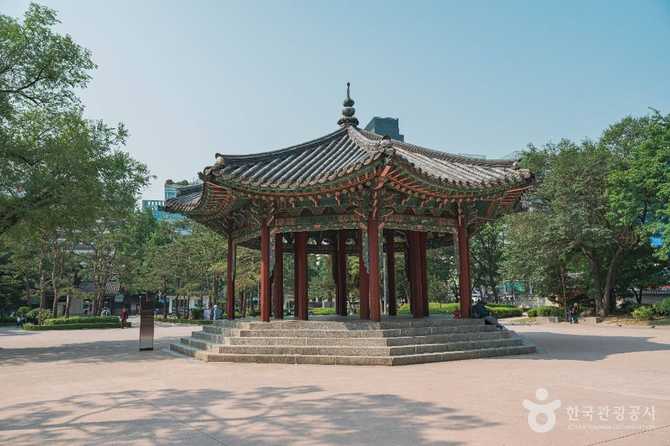
Whether you are a history enthusiast, a cultural explorer, or someone seeking tranquility in a historic setting, Topgol Park provides an enriching experience. It is free to visit year-round, with easy access via Seoul’s extensive public transportation network. As a site that bridges Korea’s past and present, Topgol Park invites visitors to reflect on the nation’s journey toward independence and cultural pride while enjoying the scenic beauty of its well-maintained grounds.
At a glance
- Who this is for
-
- Travelers interested in Korea’s history and cultural heritage
- Visitors seeking to explore Korea’s independence movement sites
- Local residents wanting a peaceful outdoor space with historical significance
- History enthusiasts and students studying Korean modern history
- Key takeaways
-
- Established in 1897 on the site of ancient Wolgak Temple, officially opened in 1920
- Location: Seoul’s Jongno District, easily accessible by public transport
- Features include the 10-story stone pagoda (National Treasure 1) and memorials for independence activists
- Free admission, open year-round, with seasonal operating hours
- No parking facilities; public transportation recommended
- Tips & cautions
-
- Check weather forecasts before visiting and dress appropriately
- Respect cultural relics; avoid touching or damaging monuments
- Visit during less crowded times for a more reflective experience
- Be mindful of park opening hours, especially in winter
- Bottom line
- Topgol Park offers a meaningful blend of history, culture, and natural beauty, making it a must-visit site when exploring Seoul.
Overview of Topgol Park: A Historic Landmark in Seoul
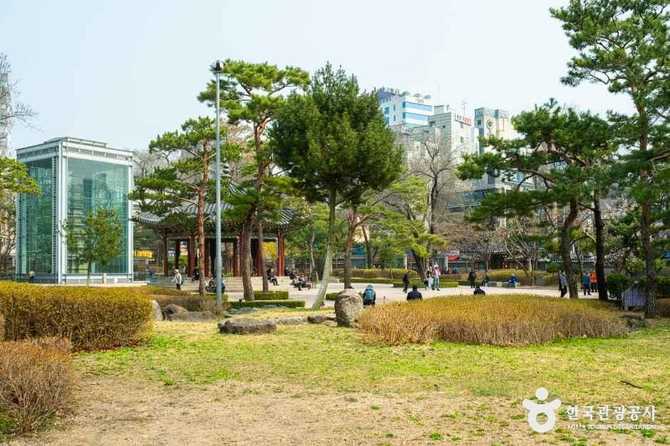
Topgol Park is a significant historical site located in the heart of Seoul, South Korea. As the first modern-style park in Korea, it holds a special place in the nation’s cultural and political history. Established in 1897 on the site of the ancient Wolgak Temple, Topgol Park has witnessed many pivotal moments in Korea’s journey toward independence and modernization. It officially opened to the public in 1920, during a period of intense national movement against Japanese colonial rule.
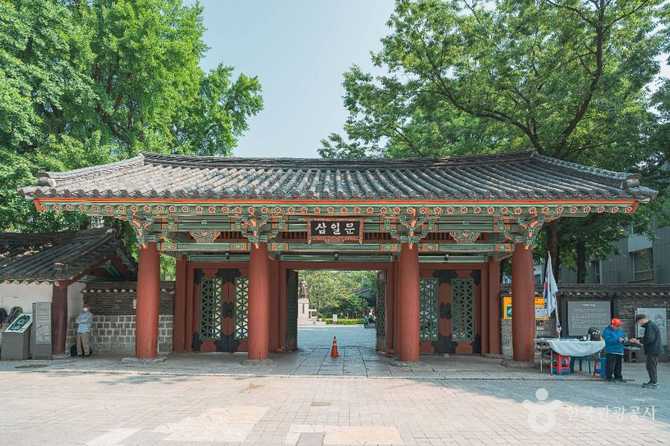
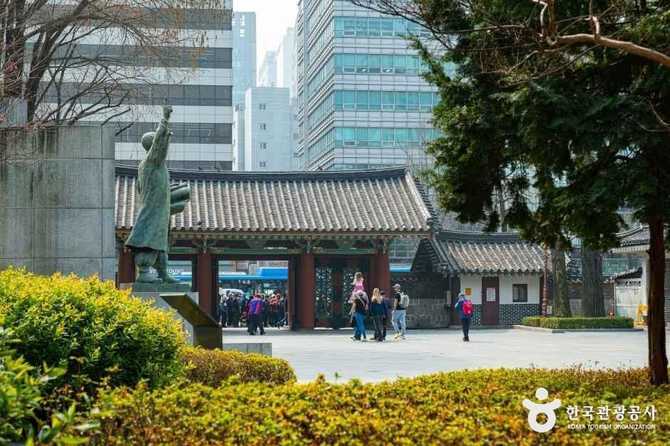
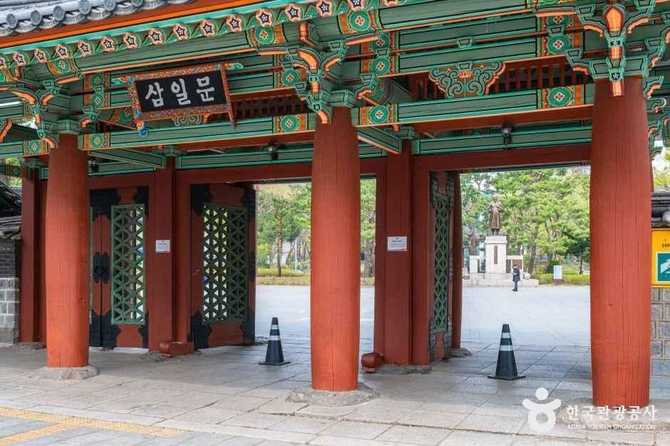
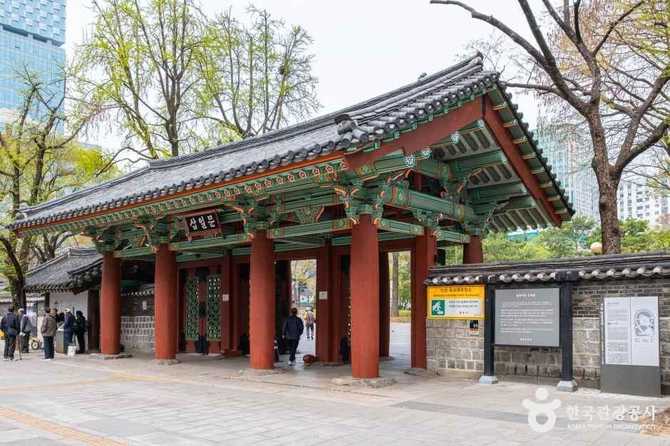
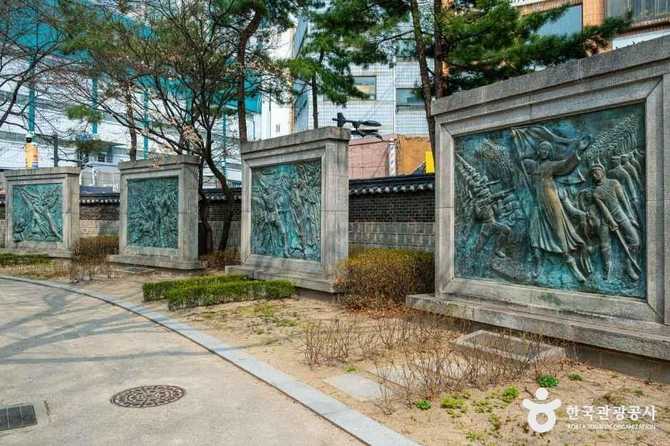
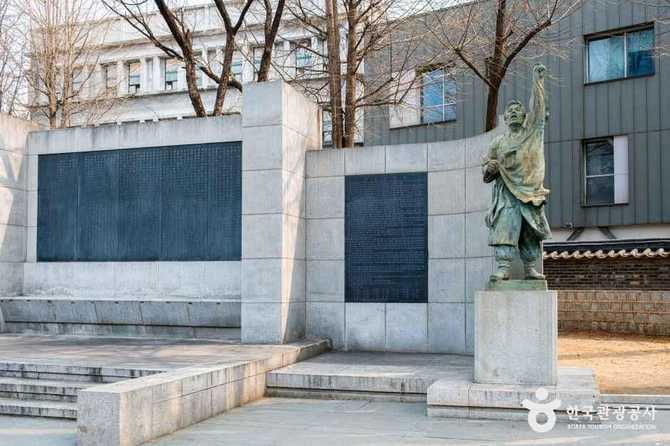
This park is renowned for its deep historical significance as the birthplace of the March 1st Movement (Samil Undong) in 1919, a nationwide protest demanding independence from Japanese occupation. Visitors to Topgol Park can explore various monuments, including the iconic 10-story stone pagoda of Wanggak Temple, designated as National Treasure 1, and memorials dedicated to independence activists. The park’s location in Seoul’s Jongno District makes it easily accessible via public transportation, making it an ideal destination for travelers interested in Korea’s modern history and cultural heritage.
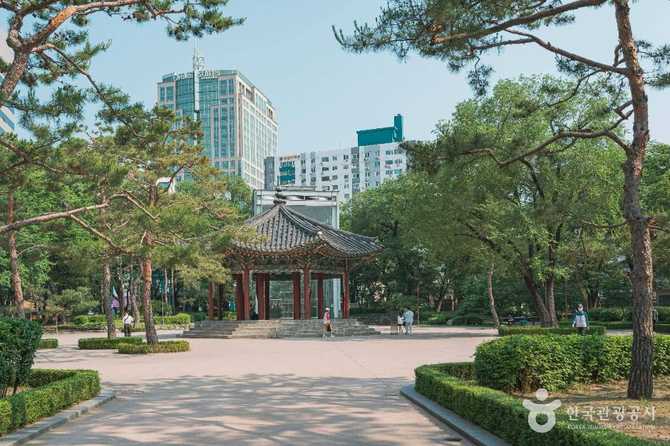
Beyond its historical monuments, Topgol Park offers a peaceful green space amid the bustling city. It combines natural beauty with cultural relics, providing visitors with a reflective environment to learn about Korea’s independence movement and appreciate traditional architecture. The park is open year-round, free of charge, and attracts both tourists and locals seeking a meaningful outdoor experience. Whether you’re a history enthusiast, a student, or a curious traveler, Topgol Park offers an enriching glimpse into Korea’s resilient spirit and cultural legacy.
Comparison of Key Cultural Heritage Sites at Topgol Park
| Cultural Heritage / Monument | Description | Significance |
|---|---|---|
| Wanggak Temple 10-Story Stone Pagoda | A national treasure, this ancient stone pagoda represents Korea’s Buddhist architectural heritage from the Joseon Dynasty. | Designated as National Treasure 1, it symbolizes Korea’s rich spiritual history and architectural excellence. |
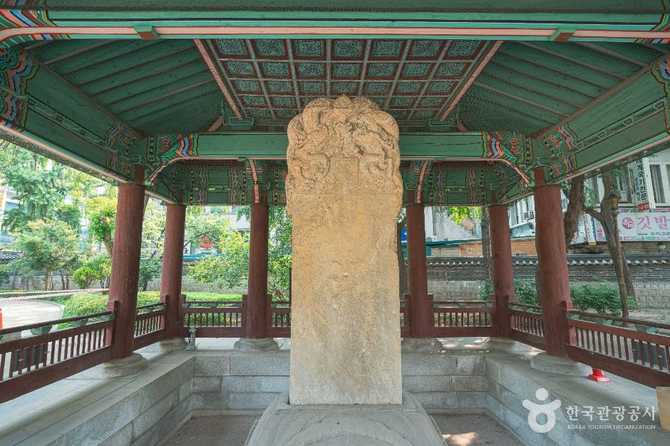
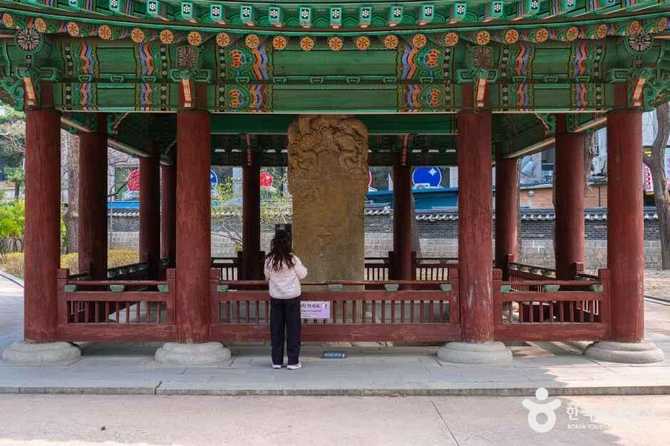
| Wanggak Temple Memorial Stone (Wanggaksa-bi) | A historic stone monument commemorating the ancient Wanggak Temple, providing insights into Korea’s Buddhist past. | Designated as a cultural heritage site, it emphasizes Korea’s religious and cultural history. |
| 3.1 Movement Memorial Tower | A monument dedicated to the March 1st Independence Movement, symbolizing Korea’s fight for sovereignty. | A key site for understanding Korea’s modern independence history and patriotic spirit. |
Visitor Checklist for Topgol Park
- Plan your visit during spring or autumn to enjoy the park’s natural beauty alongside historical monuments.
- Use public transportation as there are no parking facilities available within the park.
- Check the weather forecast before visiting to dress appropriately and avoid extreme weather conditions.
- Respect cultural relics by refraining from touching or damaging monuments and statues.
- Visit early in the morning or late in the afternoon to avoid crowds and enjoy a more contemplative experience.
Visitor Information and Tips for Topgol Park
Planning your visit to Topgol Park ensures a smooth and enjoyable experience. The park is open throughout the year and offers free admission, making it accessible for all travelers interested in Korea’s history and culture. Here are essential details and helpful tips to make the most of your visit:
| Aspect | Details |
|---|---|
| Operating Hours | Summer (March–October): 09:00–18:00 Winter (November–February): 09:00–17:00 |
| Admission | Free for all visitors, open year-round |
| Transportation | Accessible via Seoul Subway (Jongno 3-ga Station, Line 1, 3, 5) and bus routes |
| Parking Facilities | No parking available; use public transport |
| Important Reminders | Respect cultural relics, avoid touching monuments, and refrain from damaging any cultural assets |
To enhance your visit, consider the following tips:
- Check the weather forecast before heading out to dress appropriately and prepare for outdoor conditions.
- Wear comfortable shoes suitable for walking around the historic grounds.
- Bring water and sun protection such as hats, sunglasses, and sunscreen, especially during summer.
- Visit during less crowded hours early in the morning or late afternoon for a more peaceful experience.
- Respect the cultural significance by maintaining silence near monuments and refraining from touching or climbing on relics.
Precautions and Best Visiting Tips for Topgol Park
Additional Visiting Tips:
- Plan your visit around significant dates such as March 1st (Independence Movement Day) to experience special commemorations.
- Combine your trip with nearby cultural sites in Jongno District for a comprehensive historical tour.
- Bring a camera, but remember to respect the cultural relics by avoiding flash photography or touching artifacts.
- Take your time to reflect at memorials and monuments, and consider reading informational plaques to deepen your understanding.
- Ensure your mobile devices are charged for photos or using translation apps if needed.
Frequently Asked Questions (FAQ)
Q1: When was Topgol Park officially opened to the public?
Topgol Park was officially opened in 1920, although it was established earlier in 1897 on the site of the ancient Wolgak Temple. It has since served as a historical and cultural site in Seoul.
Q2: What are the main cultural assets I can see at Topgol Park?
The park features the National Treasure 1, the 10-story stone pagoda of Wanggak Temple, and the Wanggak Temple Memorial Stone. It also includes the 3.1 Movement Memorial Tower, commemorating Korea’s independence movement.
Q3: Is there an entrance fee for visiting Topgol Park?
No, Topgol Park is free to enter and open year-round, making it accessible for all visitors interested in Korea’s history and culture.
Q4: How can I get to Topgol Park using public transportation?
The park is easily accessible via Seoul Subway, especially at Jongno 3-ga Station (Lines 1, 3, and 5). Bus routes also serve the area, providing convenient access without parking facilities.
Q5: What should I be cautious of when visiting Topgol Park?
Visitors should avoid touching or damaging the monuments to preserve their integrity. It is also important to dress appropriately and visit during open hours, respecting the cultural significance of the site.
Q6: When is the best time to visit Topgol Park for a meaningful experience?
Visiting on March 1st during the Independence Movement Day or during spring and autumn seasons, when cherry blossoms and fall foliage are in bloom, offers a more impactful experience. Early mornings or late afternoons are less crowded times for a peaceful visit.
Final Tips for Visiting Topgol Park
Visiting Topgol Park offers a meaningful journey into Korea’s rich history and cultural heritage. To make the most of your experience, plan your trip during favorable weather conditions, especially in spring or autumn when the park’s natural beauty is at its peak. Remember that the park is easily accessible via public transportation, so utilizing Seoul’s subway and bus systems is highly recommended since there are no parking facilities on-site. Wearing comfortable shoes and bringing essentials such as water, sunscreen, and a hat will help you enjoy your visit without discomfort. Respect for the cultural relics and monuments is essential; avoid touching or damaging any of the historic structures to preserve their integrity for future visitors. Taking your time to explore the monuments and memorials allows for a deeper appreciation of Korea’s independence movement and cultural legacy. Whether you are a history enthusiast or a casual traveler, a visit to Topgol Park promises an enriching experience that connects the past with the present, making it a highlight of any trip to Seoul.