
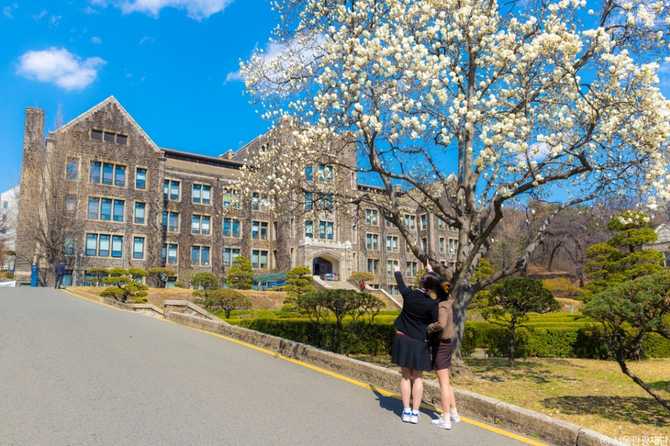
출처 : ⓒ한국관광콘텐츠랩 또는 ⓒ한국관광공사
Seoul Yonsei University Underwood Hall: Historical Landmark & Educational Heritage
Location 서울특별시 서대문구 연세로 50
Location 서울특별시 서대문구 연세로 50
Discover the rich history and cultural significance of the Seoul Yonsei University Underwood Hall, a symbol of Korea’s modern educational development. Whether you’re a history enthusiast, a researcher, or planning a campus visit, understanding this iconic building offers valuable insights into Korea’s educational and architectural evolution.


Located within Yonsei University’s Sinchon Campus, Underwood Hall is more than just a historical structure; it is a living testament to Korea’s modernization process in education. Built in 1924 through the generous donation of John T. Underwood, the building has witnessed Korea’s turbulent history, including destruction during the Korean War and subsequent restoration efforts. Today, it serves as the university’s administrative center, housing the office of the president and key departments, while also standing as a cultural heritage site.
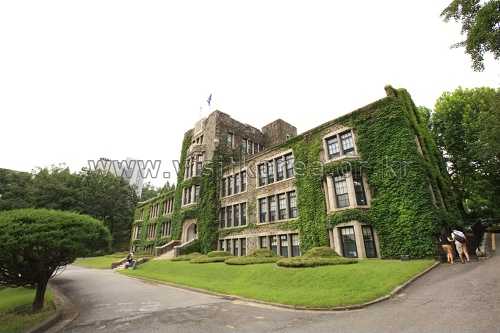
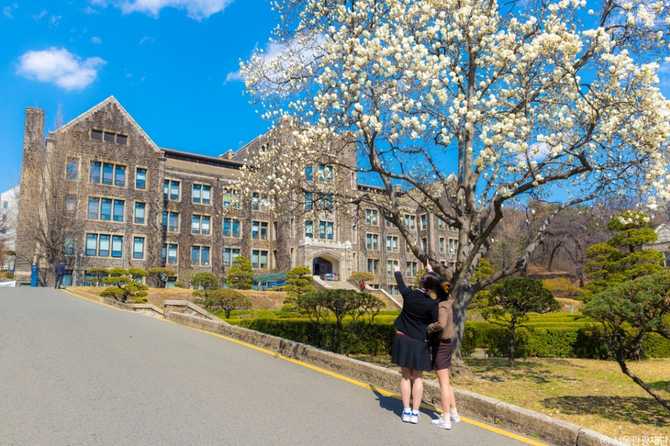
This guide provides comprehensive information about Underwood Hall’s historical background, architectural features, current role, visiting tips, and important precautions for visitors. Whether you’re exploring the site for academic research, historical interest, or campus tourism, knowing the building’s story enhances your appreciation of its significance. As a cornerstone of Korea’s modern history and education, Underwood Hall exemplifies resilience and cultural preservation, making it a must-visit landmark on the Yonsei campus.
At a glance
- Who this is for
-
- Visitors interested in Korea’s modern history and architecture
- Researchers studying Korea’s educational development
- Campus explorers planning a Yonsei University visit
- History and culture enthusiasts
- Key takeaways
-
- Constructed in 1924 with donations from John T. Underwood
- Symbol of Korea’s modernization and educational heritage
- Destroyed during the Korean War and carefully restored
- Currently functions as the university’s administrative headquarters
- Design features include stone construction, a 5-story tower, and historical architecture
- Tips & cautions
-
- Check ahead for internal tour availability via inquiry
- Respect the preservation efforts; avoid damage or disruptive behavior
- Visit early in the day for a quieter experience
- Confirm visiting hours on the official website or by phone
- Bottom line
- Underwood Hall is a vital cultural heritage site that embodies Korea’s educational history and resilience.
Overview of Underwood Hall’s Historical and Architectural Significance
Underwood Hall at Yonsei University stands as a prominent symbol of Korea’s modern educational history. Located within the Sinchon Campus, this historic building has played a vital role in Korea’s educational development since its construction in 1924. Built through the generous donation of John T. Underwood, a key figure in Korea’s early Western-style higher education, the hall embodies the nation’s transition into modernity and Western influence in education.


The building’s architectural design reflects its era, featuring a robust stone structure, a central tower reaching five stories, and a classic Western-style facade. Its construction was overseen under the guidance of Professor Miller, who contributed to shaping its distinctive style. Originally serving as an academic and administrative building, Underwood Hall has witnessed Korea’s turbulent history, including destruction during the Korean War. Despite the damages, it was meticulously restored, preserving its original architectural features and historical essence.
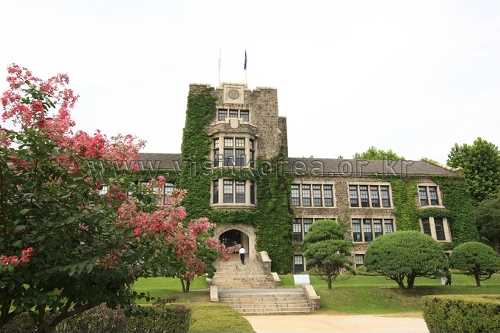
Today, Underwood Hall functions as the administrative hub of Yonsei University, housing the office of the university president and key departments. It is also recognized as a cultural heritage site, embodying Korea’s resilience and dedication to preserving its modern history. Visitors interested in Korea’s educational evolution or architecture will find this building a compelling site, as it encapsulates the story of Korea’s modernization through its architecture, history, and ongoing use.

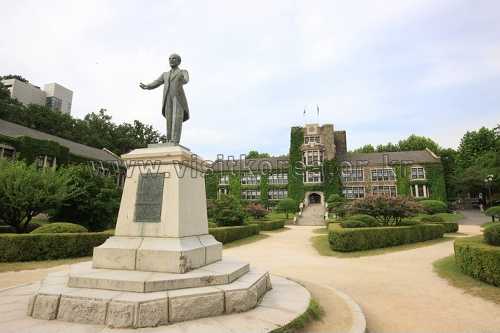
Exploring Underwood Hall offers a unique glimpse into Korea’s past, from its early Western-style educational institutions to its recovery and preservation efforts after wartime destruction. Its significance extends beyond its physical structure, representing Korea’s journey toward modern education and cultural resilience. Whether you are a researcher, history enthusiast, or campus visitor, understanding the historical and architectural importance of Underwood Hall enriches your experience and appreciation of Korea’s educational heritage.


Comparison of Restoration and Preservation of Underwood Hall
| Aspect | Pre-War Condition | Post-War Damage | Restoration & Preservation | Remarks |
|---|---|---|---|---|
| Construction Material | Stone and traditional brick | Partial destruction, especially to the tower | Careful restoration of stonework and structural elements | Maintains original appearance with modern reinforcement |
| Architectural Style | Western classical | Partially damaged, especially roof and interior | Interior restored with modern materials while preserving historical design | Focus on authenticity and structural integrity |
| Structural Integrity | Original stone structure, stable | Damage to some parts, risking stability | Reinforced with modern structural supports | Ensures safety while preserving historical look |
| Historical Value | High, as original construction | Significant damage, but key features retained | Extensive restoration to maintain authenticity | Restoration efforts focused on historical accuracy |
Current Role and Visitor Information for Underwood Hall
- Administrative Center: Underwood Hall currently functions as the main administrative building of Yonsei University, housing the office of the university president and key administrative departments. This role underscores its ongoing importance in university governance and management.
- Historical and Cultural Significance: Besides administrative functions, the hall serves as a cultural heritage site, symbolizing Korea’s modern educational history. It is often used as a venue for academic events, exhibitions, and cultural programs related to Korea’s educational development.
- Visitor Access: While exterior viewing is open to all, interior access is limited. Visitors interested in exploring the inside should contact the university in advance to arrange guided tours or inquire about visiting hours.
- Location and Contact: Located at 50 Yonsei-ro, Seodaemun-gu, Seoul, the building’s contact number is 02-330-1121. For more details, visit the official Yonsei University website or the Korea Heritage Service page.
- Touring Tips: Visiting during weekdays in the morning offers a quieter experience. Be sure to check the official website or call ahead to confirm operational hours and tour availability. Photography is allowed outside, but interior photography may require prior permission.
Tip: To maximize your visit, contact the university beforehand to confirm interior tour options. Respect the preservation efforts by avoiding disruptive behavior and unnecessary touching of artifacts.
Visitor Tips and Precautions for Underwood Hall
| Tip / Precaution | Details |
|---|---|
| Pre-visit Inquiry | Contact the university in advance to confirm interior tour availability and opening hours. |
| Respect Preservation | Avoid touching artifacts or damaging the historic structure to help preserve its integrity. |
| Photography Guidelines | Photograph outside freely; interior photography may require prior permission, and flash should be avoided to prevent damage. |
| Visit Timing | Aim for weekday mornings for a quieter and more contemplative experience. |
| Behavioral Etiquette | Maintain a respectful and quiet demeanor to honor the building’s historical significance. |
Visitor Checklist for Underwood Hall
- Confirm interior tour availability by contacting Yonsei University beforehand.
- Check the official website or call the university to verify visiting hours and tour schedules.
- Respect the preservation efforts; avoid touching artifacts and do not disturb the structural elements.
- Visit early in the day for a more peaceful experience and fewer crowds.
- Refrain from using flash photography inside to protect the historical interior and artifacts.
- Adhere to the guidelines provided by university staff or tour guides during your visit.
- Capture exterior photographs freely, but seek permission for interior shots if required.
- Maintain a quiet and respectful attitude throughout your visit to honor the building’s cultural significance.
Frequently Asked Questions (FAQ)
Q1: When was Underwood Hall at Yonsei University originally built?
Underwood Hall was completed in 1924, following its construction that began in 1921. It was funded by donations from John T. Underwood and his brother, John T. Underwood.
Q2: What architectural style is Underwood Hall designed in?
Underwood Hall features Western classical architecture with a stone structure, a central five-story tower, and a traditional Western facade. Its design reflects early 20th-century Western influences in Korea.
Q3: How has Underwood Hall been affected by the Korean War?
The building was partially destroyed during the Korean War, especially the tower and roof. It was carefully restored afterward to preserve its original architectural features and historical significance.
Q4: What is the current use of Underwood Hall?
Today, Underwood Hall functions as the main administrative building of Yonsei University, housing the office of the university president and key administrative departments. It also serves as a cultural heritage site.
Q5: Can visitors enter Underwood Hall and tour its interior?
Interior visits are limited and require prior arrangement with the university. External viewing is open to the public, but interior tours are available only through pre-approval or guided arrangements.
Q6: Is there an entrance fee to visit Underwood Hall?
No, visiting Underwood Hall is free of charge. However, interior access may require prior permission or booking, and some special exhibitions or events may have fees.
Conclusion: Exploring the Significance of Seoul Yonsei University Underwood Hall
Visiting Seoul Yonsei University Underwood Hall offers a unique opportunity to connect with Korea’s modern educational history and architectural heritage. As a symbol of Korea’s transition into modernity, this historic building embodies resilience, cultural pride, and academic excellence. Its preservation and restoration after the hardships of war highlight the importance placed on maintaining Korea’s cultural landmarks for future generations. Whether you are a history enthusiast, a researcher, or simply a curious traveler, exploring Underwood Hall allows you to appreciate the rich narrative of Korea’s educational development and architectural evolution.
Remember to plan your visit carefully by checking the current visiting hours and tour options in advance. Respect the building’s historical integrity by following visitor guidelines, and take the opportunity to admire its distinctive stone architecture and historical features from outside if interior access is limited. This iconic landmark not only enriches your understanding of Korea’s modern history but also provides a memorable glimpse into the resilience and dedication that have shaped Korea’s educational landscape. Exploring Underwood Hall on the Yonsei University campus is truly a meaningful experience that highlights the enduring importance of Korea’s cultural and educational heritage.