
Seoraksan National Park: Your Ultimate Guide to Outer Seorak
Discover the natural beauty and exploration opportunities at Seoraksan National Park, one of Korea’s most iconic mountain destinations. Whether you’re seeking breathtaking scenery, challenging hikes, or ecological insights, this guide provides essential information to help you plan an unforgettable visit to Outer Seorak within Seoraksan National Park.
At a glance
- Who this is for
-
- Travelers interested in Korea’s scenic natural landscapes
- Hikers and mountain climbing enthusiasts
- Nature lovers and ecological conservation supporters
- Visitors planning a trip to Seoraksan’s Outer Seorak region
- Key takeaways
-
- Designated as a national park since 1970, UNESCO biosphere reserve since 1982
- Major attractions include Cheonbuldong Valley, Ulsanbawi Rock, Biryong Falls, and Geumgang Cave
- Accessible via cable car and walking trails; entrance is free year-round
- Weather conditions may affect access; always check updates before visiting
- Facilities include parking, restrooms, and visitor centers
- Tips & cautions
-
- Confirm weather forecasts before departure to avoid adverse conditions
- Wear suitable hiking gear, including sturdy shoes and rain protection
- Choose trails appropriate to your fitness level; avoid overexertion
- Follow environmental protection rules—no littering or damaging flora and fauna
- Bottom line
- Seoraksan National Park offers a stunning natural escape with diverse trails and scenic spots, perfect for eco-conscious travelers and adventure seekers alike.
Seoraksan National Park, especially its Outer Seorak region, stands as one of Korea’s most treasured natural landmarks. Located primarily in Gangwon Province, the park has been designated as a national park since 1970, showcasing Korea’s majestic mountain landscapes and rich biodiversity. Recognized as a UNESCO biosphere reserve in 1982, Seoraksan is celebrated for its dramatic peaks, crystal-clear valleys, and iconic rock formations such as Ulsanbawi. Visiting Outer Seorak provides an excellent opportunity for nature lovers, hikers, and eco-enthusiasts to immerse themselves in Korea’s pristine environment.
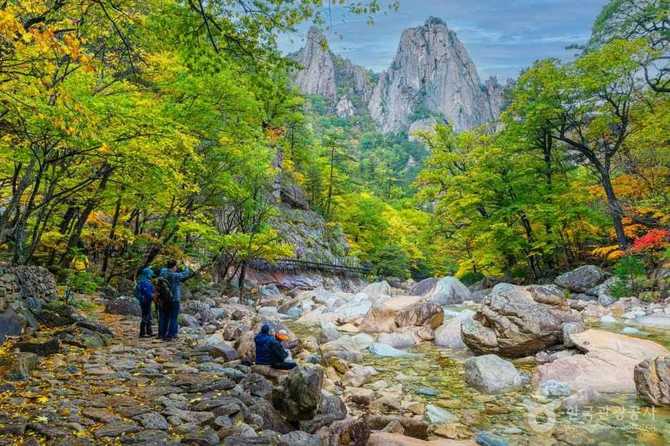
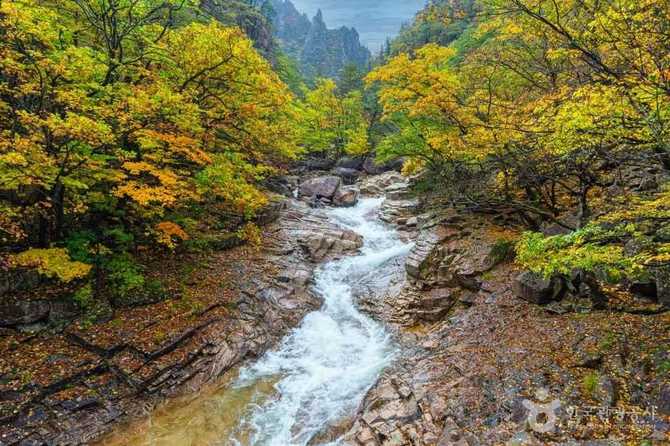
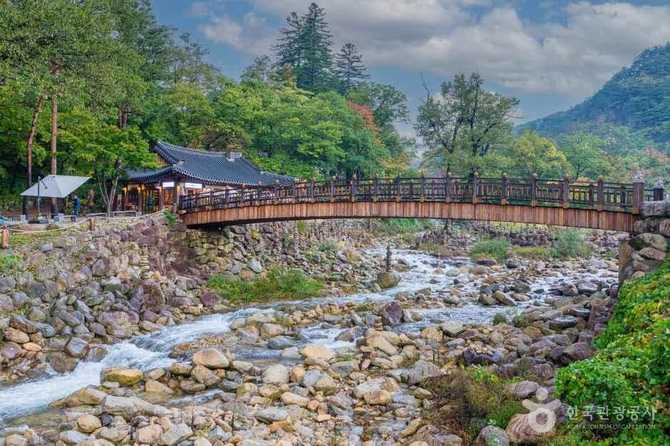
The park features a variety of accessible trails, scenic spots, and cultural sites, making it a versatile destination for all types of travelers. In particular, Outer Seorak is home to popular attractions like Cheonbuldong Valley, Biryong Falls, and Geumgang Cave, which can be enjoyed via walking paths or cable cars. The area is open year-round, with facilities such as parking lots and restrooms readily available, although visitors should always check weather conditions and park alerts before planning their trip to ensure safety and enjoyment.
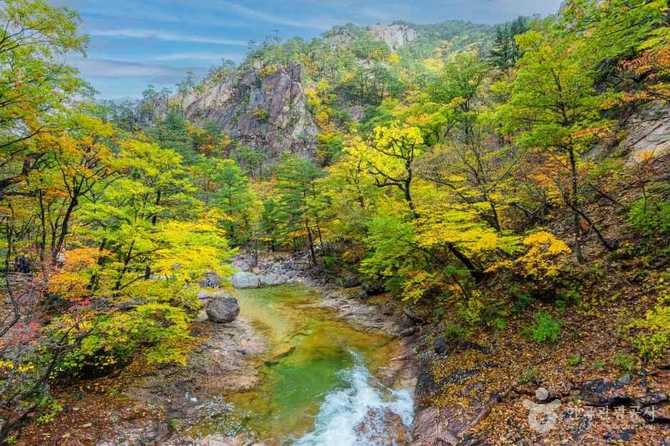
Whether you’re planning a day trip, a short hike, or a longer exploration, understanding the key features and safety tips of Outer Seorak will enhance your experience. This guide provides detailed insights into the main attractions, best visiting seasons, and essential preparation tips, helping you make the most of your visit to Seoraksan National Park’s Outer Seorak region. From breathtaking vistas to ecological preservation, Outer Seorak offers a perfect blend of adventure and tranquility, making it a must-visit destination for nature enthusiasts and travelers seeking Korea’s natural wonders.

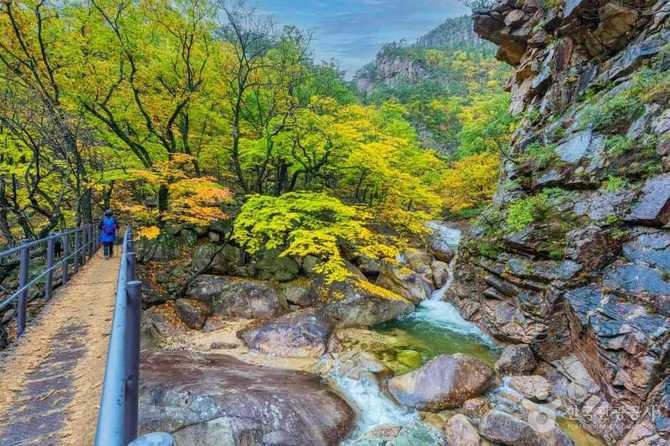
Seoraksan National Park Overview and Natural Beauty
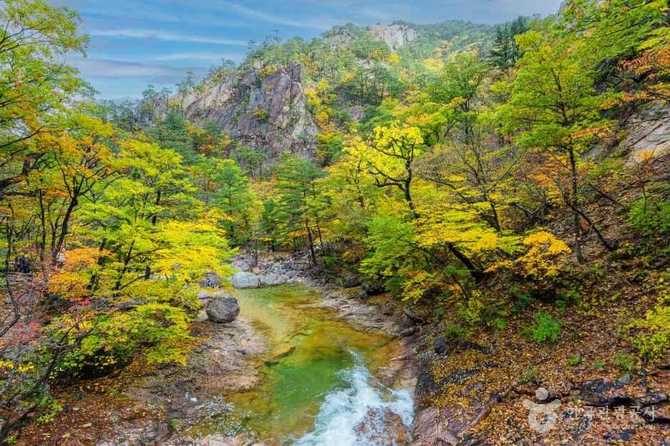
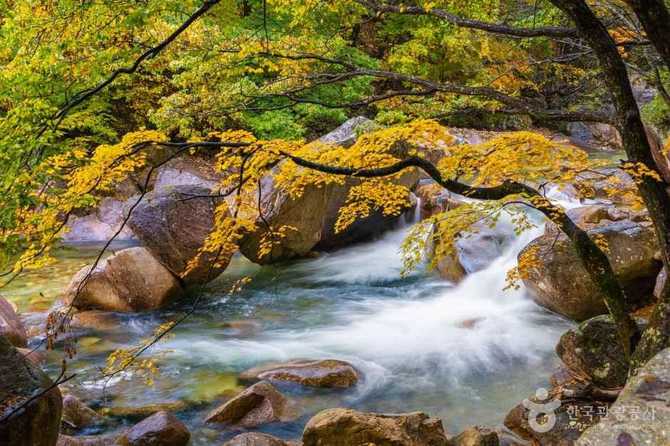
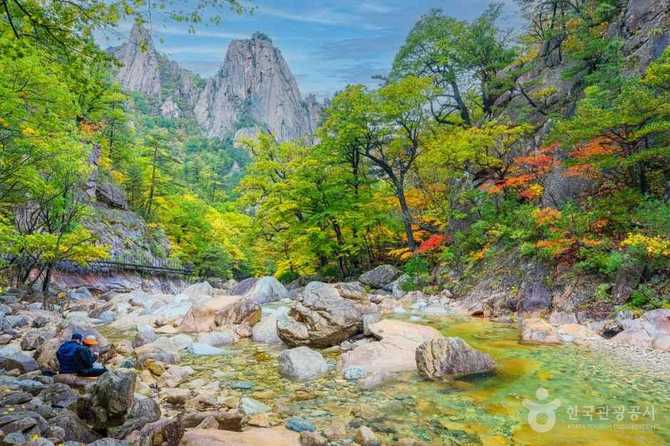
Seoraksan National Park, especially its Outer Seorak region, is one of Korea’s most iconic and scenic natural destinations. Located primarily in Gangwon Province, the park was designated as a national park in 1970 and has since become a symbol of Korea’s rich biodiversity and majestic mountain landscapes. The park’s natural beauty is characterized by towering peaks, lush valleys, crystal-clear streams, and unique rock formations that have captivated visitors for decades. Recognized internationally as a UNESCO biosphere reserve in 1982, Seoraksan is celebrated for its ecological significance and stunning scenery.
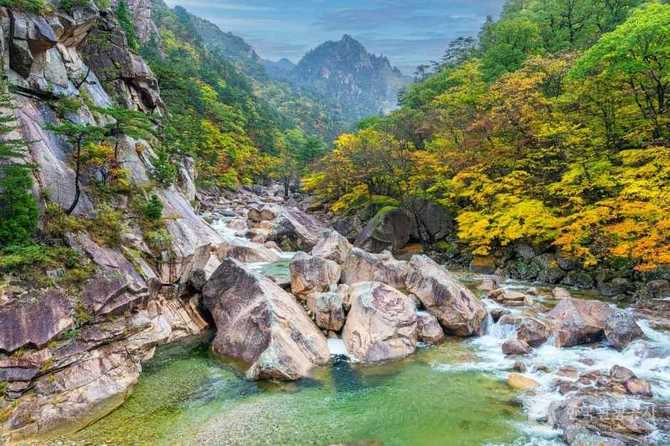
The park covers a vast area, stretching across the cities of Sokcho, Goseong, Inje, and Yangyang. Its most famous feature is the dramatic mountain range with the highest peak, Daecheongbong, standing at 1,708 meters. The park’s diverse ecosystems include dense forests, alpine zones, and rare plant species, making it a vital habitat for various wildlife. Visitors can enjoy a variety of trails, from gentle walks to challenging hikes, offering spectacular views of the surrounding landscape. The park also boasts several cultural and natural landmarks such as Cheonbuldong Valley, Ulsanbawi Rock, and Geumgang Cave, each with its own unique appeal.

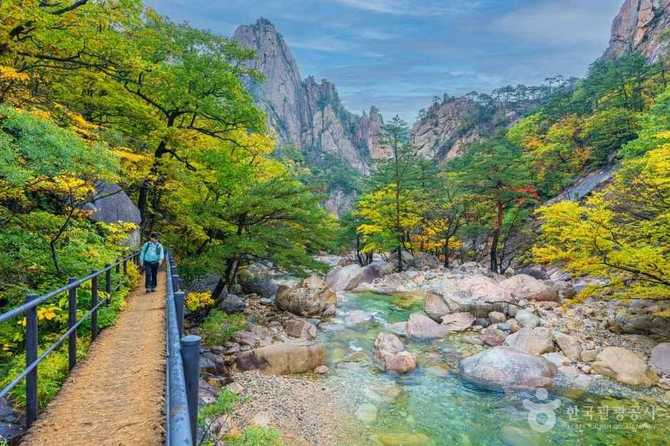
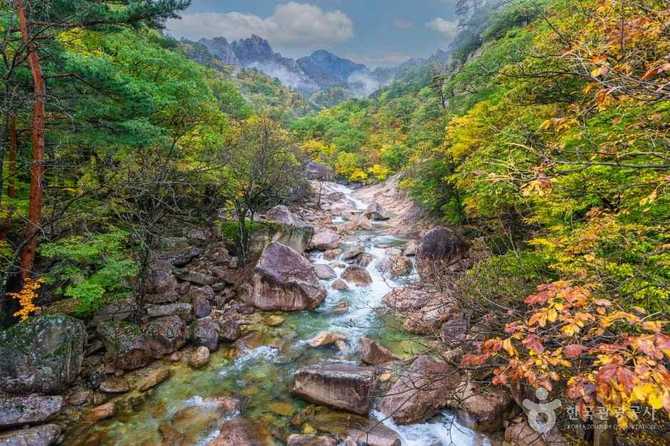
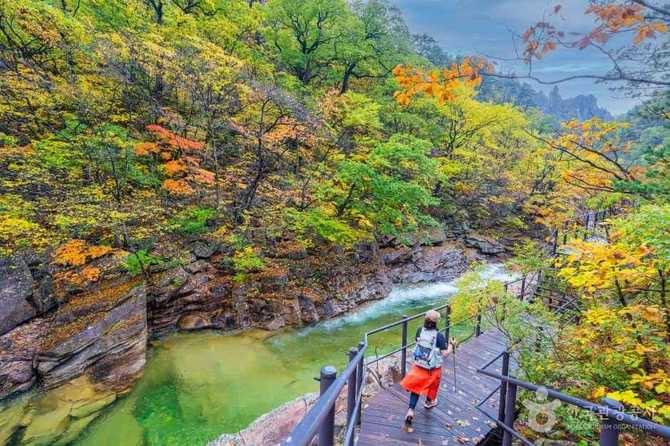
Throughout the year, Seoraksan’s scenery transforms with the seasons, providing a different but equally breathtaking experience in spring, summer, fall, and winter. Spring blossoms, lush summer greenery, vibrant autumn foliage, and snow-capped peaks in winter all contribute to its status as a year-round natural wonder. The park’s well-maintained facilities, including parking areas, visitor centers, and restrooms, ensure a comfortable visit. However, visitors should stay informed about weather conditions and park alerts, as mountain weather can change rapidly and impact accessibility.
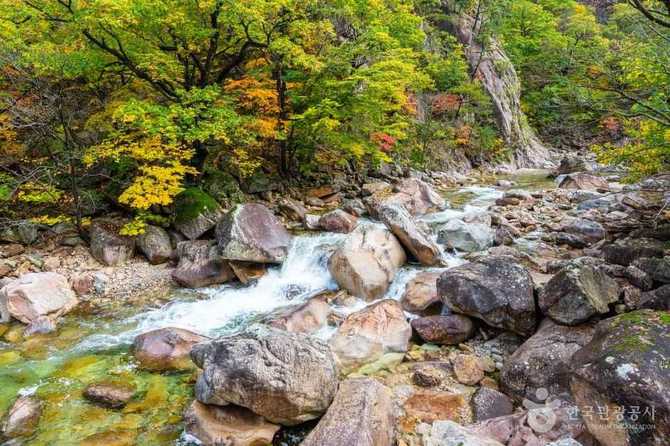
Overall, Seoraksan National Park is a must-visit destination for nature lovers, hikers, and eco-tourists seeking Korea’s pristine wilderness. Its combination of natural grandeur, ecological importance, and cultural significance makes it a top choice for travelers looking to experience Korea’s natural heritage firsthand. Whether exploring its famous peaks or relaxing in its scenic valleys, visitors will find that Seoraksan offers an unforgettable journey into Korea’s natural splendor.

Comparison of Main Attractions and Trails in Outer Seorak
| Attraction / Trail | Features | Accessibility & Notes |
|---|---|---|
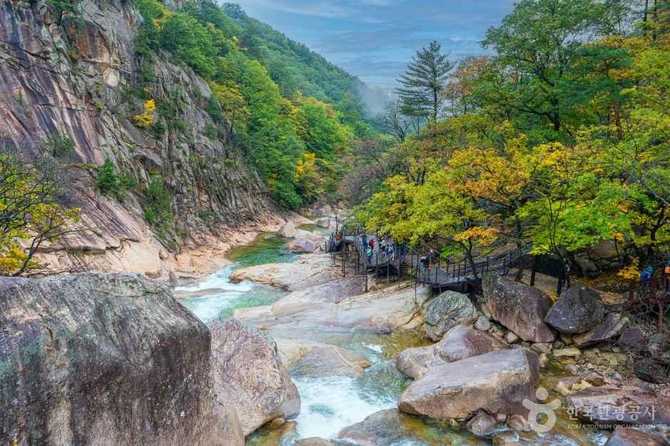
| Cheonbuldong Valley | Scenic valley with waterfalls, lush forests, and vibrant spring and autumn foliage. Suitable for easy walks. | Accessible via well-maintained walking trails; ideal for families and casual hikers. |
| Ulsanbawi Rock | Iconic rock formation with panoramic views; challenging hike with steep sections. | Requires moderate to high physical fitness; trail includes stairs and rocky paths; accessible via designated trails or cable car to nearby points. |
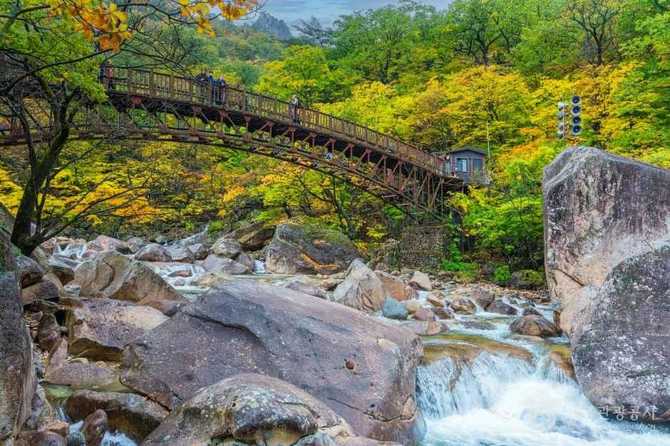
| Biryong Falls | Beautiful waterfall flowing through rocky terrain, surrounded by forested scenery. | Accessible via a well-marked trail; suitable for most hikers; offers great photo opportunities. |
| Geumgang Cave | Natural limestone cave with impressive formations; cultural and natural significance. | Accessible via a short hike; suitable for those interested in geology and natural caves. |
| Seorak Cable Car | Provides a scenic ride offering views of the mountain range and valleys. | Easy access for all ages; convenient way to enjoy panoramic scenery without strenuous hiking. |
Visitor Information & Safety Checklist for Outer Seorak
- Check weather conditions: Always verify the latest weather forecast before heading out, as mountain weather can change rapidly. Tip: Visit the official Seoraksan Park website or call the visitor center for updates.
- Prepare appropriate gear: Wear sturdy hiking shoes, bring rain gear, and pack warm clothing if visiting in cooler seasons. Don’t forget sun protection like hats and sunscreen.
- Choose suitable trails: Select trails that match your fitness level and experience. Avoid overexertion, especially on steep or rocky paths.
- Carry essentials: Bring enough water, snacks, and a basic first aid kit. A flashlight and map are recommended for longer hikes.
- Follow safety and environmental rules: Stay on designated trails, do not disturb wildlife, and dispose of trash properly. Respect park regulations to preserve the natural environment.
By following these safety precautions and preparation tips, you can enjoy a safe and memorable visit to Outer Seorak within Seoraksan National Park. Proper planning ensures you experience the park’s natural beauty without unnecessary risks, making your trip both enjoyable and secure.
Travel Tips & Recommended Itinerary for Outer Seorak
- Start early in the morning: To avoid crowds and enjoy cooler temperatures, plan to arrive at Outer Seorak around sunrise or shortly after park opening.
- Visit Cheonbuldong Valley first: Take a leisurely walk through this scenic valley, enjoying waterfalls, lush forests, and vibrant seasonal foliage. It’s suitable for all ages and offers great photo opportunities.
- Head to Ulsanbawi Rock: For a more challenging experience, hike up to Ulsanbawi. Allocate about 2-3 hours for the round trip, and wear appropriate footwear for steep and rocky sections.
- Enjoy Biryong Falls: After Ulsanbawi, descend to Biryong Falls. Relax and take photos of the cascading water surrounded by natural scenery.
- Visit Geumgang Cave: If time permits, explore this natural limestone cave, which offers insights into Korea’s geological features.
- Take the cable car to Gwongeumseong Fortress: For spectacular panoramic views without strenuous hiking, ride the cable car and enjoy the scenery from the top. It’s a perfect spot for sunset photos.
- End your day with a scenic walk or rest: Relax at the park’s designated rest areas, or take a gentle walk along nearby trails to unwind before heading back.
Outer Seorak Visitor Safety Checklist
- Verify weather conditions: Always check the latest weather forecast before your trip. Mountain weather can change rapidly, and sudden storms or fog can impact safety. Tip: Use the official Seoraksan Park website or contact the visitor center for real-time updates.
- Wear appropriate clothing and gear: Use sturdy hiking shoes, bring rain protection, and dress in layers suitable for the season. Sun protection such as hats and sunscreen is also recommended.
- Plan your trails according to your ability: Choose trails that match your fitness level and experience. Avoid overly strenuous routes if you’re a beginner or unprepared for challenging terrain.
- Carry essentials: Pack enough water, snacks, and a basic first aid kit. For longer hikes, include a flashlight, map, and emergency supplies.
- Follow safety and environmental rules: Stay on designated trails, do not disturb wildlife, and dispose of trash properly. Respect natural and cultural sites to preserve their beauty for future visitors.
- Inform someone of your plans: Always let a friend or family member know your itinerary and estimated return time, especially if hiking in remote areas.
- Be prepared for emergencies: Know the location of the nearest emergency facilities and carry a fully charged mobile phone with emergency contacts saved.
Frequently Asked Questions (FAQ)
Q1: What are the main attractions in Outer Seorak within Seoraksan National Park?
A1: Major attractions include Cheonbuldong Valley, Ulsanbawi Rock, Biryong Falls, and Geumgang Cave. These sites offer scenic views, natural formations, and opportunities for both easy walks and challenging hikes.
Q2: How do I choose the right trail in Outer Seorak for my fitness level?
A2: Trails vary from gentle walks in Cheonbuldong Valley to strenuous hikes to Ulsanbawi Rock. Select a trail based on your experience, physical condition, and the difficulty level indicated for each route.
Q3: When is the best time to visit Outer Seorak for optimal scenery?
A3: Spring and autumn are ideal for viewing vibrant foliage and mild weather. Summer offers lush greenery, while winter provides snow-covered landscapes, though access may be limited due to weather conditions.
Q4: Are there any safety precautions I should take when visiting Outer Seorak?
A4: Always check weather forecasts before your trip, wear suitable hiking gear, and stay on designated trails. Carry enough water, snacks, and emergency supplies, and inform someone of your itinerary.
Q5: Is there an entrance fee to visit Outer Seorak’s attractions?
A5: Entrance to Outer Seorak and its trails is free year-round. However, certain facilities like cable cars may charge a fee for rides or specific services.
Q6: How can I access Outer Seorak if I am traveling from Seoul?
A6: Visitors can take a bus or drive to Sokcho or Goseong, then use local transportation options such as buses or taxis to reach Outer Seorak. The park is approximately a 2.5 to 3-hour drive from Seoul.
Exploring Seoraksan National Park: Your Ultimate Guide to Outer Seorak offers an unforgettable experience immersed in Korea’s breathtaking natural scenery. Whether you’re an avid hiker, a nature lover, or someone seeking tranquility amidst pristine landscapes, Outer Seorak within Seoraksan National Park provides a perfect escape. With its iconic peaks, lush valleys, and scenic trails, this region showcases Korea’s rich ecological and cultural heritage. Planning your visit with proper knowledge of the main attractions, safety precautions, and best seasons ensures a smooth and enjoyable journey. Remember to check weather updates before heading out, prepare suitable gear, and respect the environment to help preserve this natural wonder for future visitors. The accessibility via cable car and well-maintained trails makes Outer Seorak an ideal destination for all levels of hikers and tourists. By prioritizing safety and environmental responsibility, your trip to Seoraksan National Park will be both memorable and eco-friendly. Experience Korea’s majestic mountains and vibrant ecosystems firsthand, and let the natural beauty of Outer Seorak inspire and rejuvenate you. This guide aims to assist you in making the most of your adventure, ensuring you leave with lasting memories of Korea’s stunning wilderness. Enjoy your exploration of Seoraksan National Park and create meaningful moments amidst Korea’s natural splendor.