
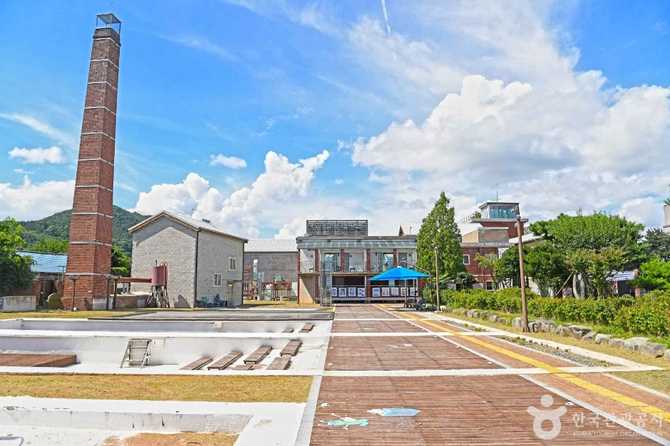
Nabilera Cultural Center: Revitalizing Korea’s Industrial Heritage into a Vibrant Cultural Space
Discover how the Nabilera Cultural Center transforms former industrial sites into dynamic hubs for arts, community engagement, and urban renewal in Naju, Korea. Whether you’re a traveler seeking cultural experiences, a researcher interested in cultural regeneration, or a local resident, this guide provides essential insights into this innovative space.
At a glance
- Who this is for
-
- Visitors interested in Korea’s cultural and urban regeneration projects
- Tourists exploring Naju’s cultural attractions
- Researchers studying adaptive reuse of industrial heritage
- Local residents seeking cultural events and community programs
- Key takeaways
-
- Established in October 2017 on a former industrial site
- Features exhibition halls, a small theater, and cultural spaces
- Offers free admission and ample parking facilities
- Hosts diverse exhibitions, performances, and community events
- Contributes to urban renewal and smart city development in Naju
- Tips & cautions
-
- Check the official website or contact beforehand for special event schedules
- Some exhibitions or events may require prior reservations
- Visit during operating hours from 9 AM to 6 PM for the best experience
- Bottom line
- As a pioneering example of industrial heritage revitalization, Nabilera Cultural Center plays a vital role in Korea’s cultural and urban development landscape.
The Nabilera Cultural Center in Naju exemplifies successful adaptive reuse of a former industrial facility, transforming it into a vibrant hub for arts and community activities. This innovative project, initiated in 2017, has revitalized a once-abandoned site, breathing new life into the local economy and cultural scene. Visitors can explore diverse exhibitions, attend performances, and participate in cultural programs designed to connect the community with its historical roots while embracing contemporary arts.
Located in Naju, Korea, the center is easily accessible and offers free entry, making it an attractive destination for both tourists and locals. The facility’s design incorporates six renovated buildings that host exhibition halls, a small theater, and interactive spaces, fostering a dynamic environment for cultural exchange and urban renewal. The center’s commitment to sustainability and smart city initiatives further enhances its role as a cornerstone of Naju’s development, blending heritage preservation with modern innovation.
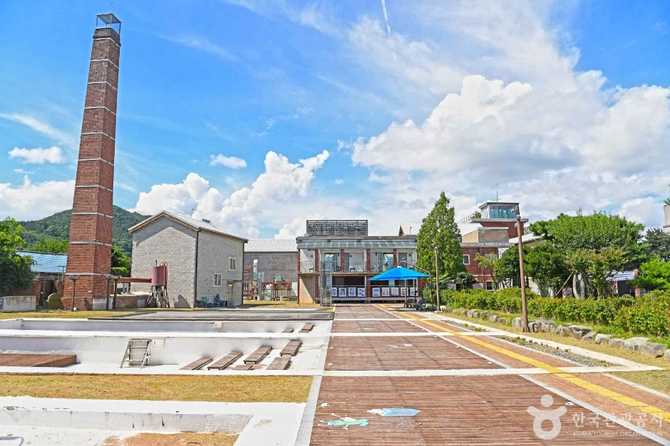
Whether you are interested in Korea’s cultural regeneration stories, seeking engaging cultural experiences, or researching the repurposing of industrial sites, the Nabilera Cultural Center provides a compelling case study and a welcoming space for all. This guide aims to help you understand its significance, plan your visit, and appreciate its contribution to Korea’s cultural landscape.
Nabilera Cultural Center Overview and History
The Nabilera Cultural Center in Naju, Korea, stands as a remarkable example of transforming a former industrial site into a vibrant hub for arts, culture, and community engagement. Established in October 2017, this cultural space embodies the innovative spirit of adaptive reuse, turning abandoned factories and warehouses into lively venues for exhibitions, performances, and cultural programs. Located in the heart of Naju, the center has quickly become a focal point for local cultural revival and urban renewal.
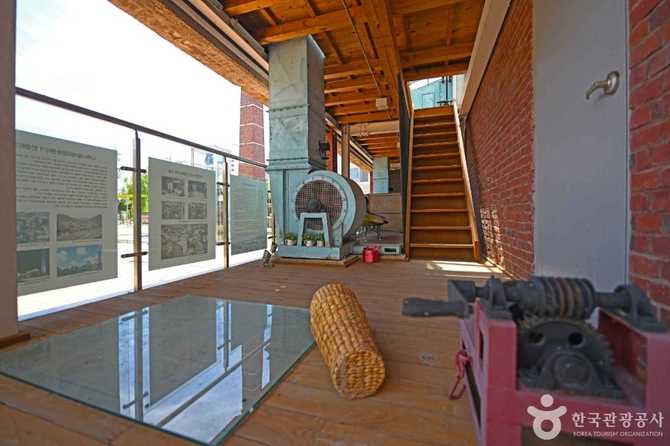
The history of the Nabilera Cultural Center begins with its roots as a decommissioned industrial complex, which had long been a symbol of Korea’s manufacturing past. Recognized for its potential to serve as a catalyst for community development, the site was selected for a major revitalization project supported by the Ministry of Culture, Sports and Tourism. The project aimed to preserve the historical significance of the site while integrating modern cultural facilities that could serve both residents and visitors.
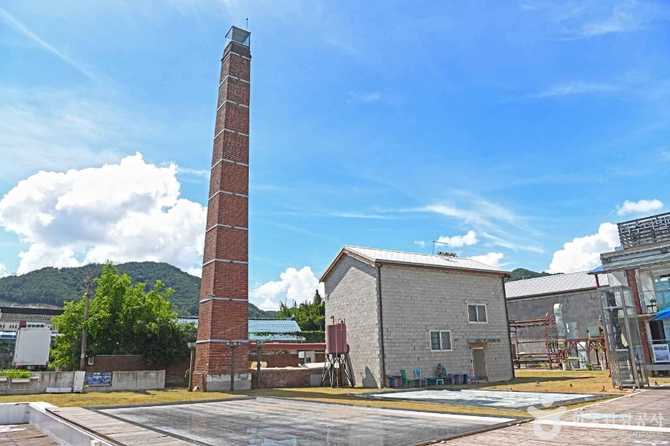
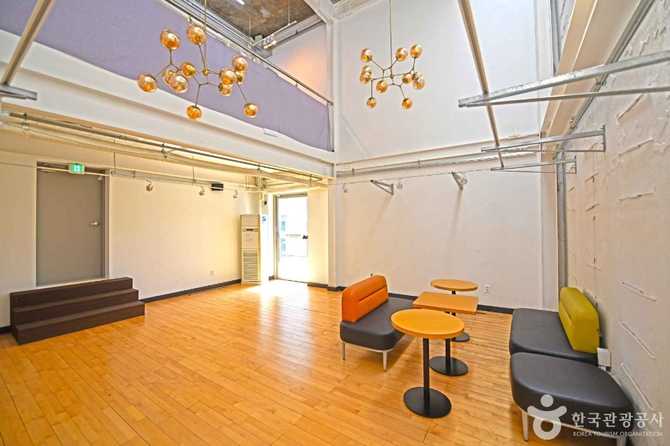
Today, the center features six renovated buildings, each repurposed into different cultural spaces such as exhibition halls, a small theater, and interactive zones. The design emphasizes sustainability and smart city principles, fostering a sustainable urban environment that bridges the past and future. The center hosts a variety of exhibitions, including local art shows, craft displays, and cultural festivals, which are often free of charge to encourage community participation.
The success of the Nabilera Cultural Center demonstrates how industrial heritage can be preserved and reimagined as a vital component of urban cultural life. It serves as a model for other cities seeking to balance historical preservation with contemporary cultural development. Through its ongoing programs and community collaborations, the center continues to contribute significantly to Naju’s cultural landscape, making it a must-visit destination for those interested in Korea’s innovative approaches to cultural regeneration.

Facilities and Exhibitions Comparison
| Facility/Space | Features & Usage | Remarks |
|---|---|---|
| Exhibition Halls | Displays local art, crafts, and historical exhibits | Hosts both permanent and temporary exhibitions |
| Small Theater | Hosts performances, film screenings, and cultural events | Capacity of approximately 100 seats |
| Interactive Zones | Hands-on craft activities, educational programs | Designed for community engagement and learning |
| Additional Spaces | Event spaces, outdoor courtyards | Used for festivals, markets, and outdoor performances |
Visit Planning Checklist and Tips
- Check operating hours: The center is open from 9 AM to 6 PM daily, except for Mondays and public holidays.
- Admission: Entry is free; however, some special exhibitions or events may require prior reservation.
- Parking: Ample free parking is available on-site for visitors.
- Event Schedule: Visit the official website or contact the center beforehand to confirm upcoming exhibitions and performances.
- What to bring: Comfortable walking shoes, a camera, and an interest in local culture and history.
- Consider guided tours: Some local tour operators offer guided visits that include detailed explanations of the site’s history and architecture.
- Respect the exhibits: Follow signage and instructions to preserve the integrity of the displays and facilities.
- Plan for nearby attractions: Combine your visit with other local sites or cultural experiences in Naju for a richer experience.
Community Engagement and Urban Renewal
The Nabilera Cultural Center plays a vital role in fostering community participation and contributing to urban development in Naju. By actively collaborating with local schools, arts organizations, and businesses, the center creates a vibrant cultural ecosystem that benefits residents and attracts visitors. Its programs are designed to promote local arts, support small businesses, and enhance the city’s image as a smart, sustainable city.
Through these partnerships, the center hosts a variety of community-driven events such as local craft markets, cultural festivals, educational workshops, and art classes. These initiatives not only enrich the cultural fabric of Naju but also stimulate local economies by increasing foot traffic and tourism. The center’s commitment to integrating cultural activities with urban renewal efforts exemplifies how historic industrial sites can be reborn as engines of social and economic vitality.
Future Perspectives and Significance
- Ongoing Facility Improvements: The center plans to expand its exhibition spaces and upgrade existing facilities to accommodate larger audiences and more diverse cultural programs.
- Enhanced Community Collaboration: Strengthening partnerships with local schools, artists, and businesses to develop tailored cultural initiatives and educational programs.
- Smart City Integration: Leveraging digital technologies to improve visitor experience, such as virtual tours, interactive displays, and online event scheduling.
- Preservation and Innovation: Continuing to preserve the industrial heritage while integrating innovative art and technology to attract younger generations and international visitors.
- Regional Cultural Hub: Positioning Nabilera Cultural Center as a leading example of cultural regeneration in Korea, inspiring similar projects nationwide and beyond.
Frequently Asked Questions (FAQ)
Frequently Asked Questions (FAQ)
Q1: When was the Nabilera Cultural Center in Naju established?
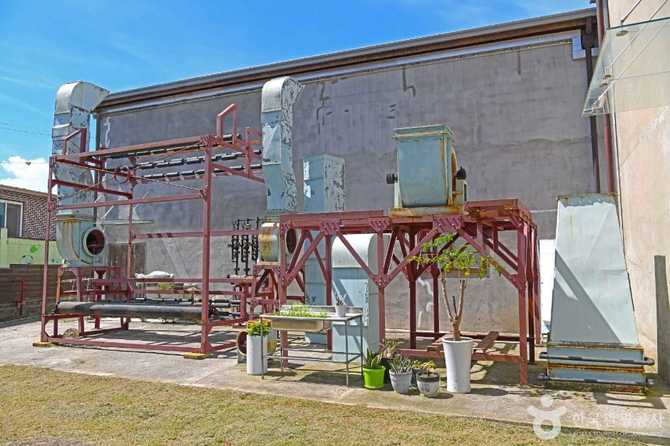
The Nabilera Cultural Center opened in October 2017 as a project to transform a former industrial site into a cultural space.
Q2: What types of exhibitions and activities are held at the center?
The center hosts various exhibitions such as local art, crafts, and historical displays, along with performances, film screenings, and community programs in its small theater and interactive zones.
Q3: What are the visiting hours and days of operation?
The center is open from 9 AM to 6 PM daily, except for Mondays and public holidays when it remains closed.

Q4: Is there an admission fee, and is parking available?
Admission to the Nabilera Cultural Center is free, and ample parking facilities are provided on-site for visitors’ convenience.
Q5: How does the center engage with the local community?
The center collaborates with local schools, arts organizations, and businesses to host cultural festivals, workshops, and markets, promoting community participation and urban renewal.
Q6: What is the significance of converting a former industrial site into a cultural space?
This transformation preserves historical industrial heritage while revitalizing the area through cultural activities, contributing to local economic growth and urban development.
Conclusion: Embracing Korea’s Cultural Heritage at Nabilera Cultural Center
Visiting the Nabilera Cultural Center offers a unique opportunity to experience Korea’s innovative approach to cultural preservation and urban renewal. This space exemplifies how former industrial sites can be transformed into vibrant hubs for arts, community engagement, and sustainable development. As a key example of cultural regeneration, the Nabilera Cultural Center not only preserves the historical significance of the old factories but also breathes new life into the local community through diverse exhibitions, performances, and educational programs. Its strategic location in Naju makes it accessible for both residents and travelers seeking authentic cultural experiences. The center’s commitment to free admission, ample parking, and continuous facility improvements highlights its dedication to inclusivity and community service. Whether you are interested in Korea’s industrial heritage, contemporary arts, or urban development, the Nabilera Cultural Center stands out as a must-visit destination. Exploring this space will deepen your understanding of Korea’s innovative cultural landscape and inspire ideas for sustainable city revitalization. Plan your visit today to witness firsthand how Korea is blending history and modernity seamlessly at the Nabilera Cultural Center.