
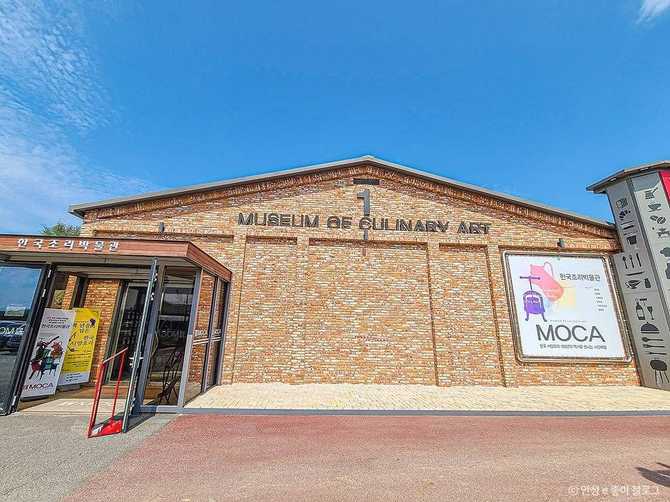
Korean Culinary Museum: Explore Korea’s Food History & Culture
Are you interested in discovering Korea’s rich culinary history and experiencing traditional Korean cooking firsthand? The Korean Culinary Museum offers a unique opportunity to learn about Korea’s food evolution from ancient times to modern days, through engaging exhibits and interactive programs. Whether you’re a food enthusiast, a student, or a family looking for educational entertainment, this museum provides a comprehensive cultural experience that combines history, hands-on activities, and scenic relaxation.
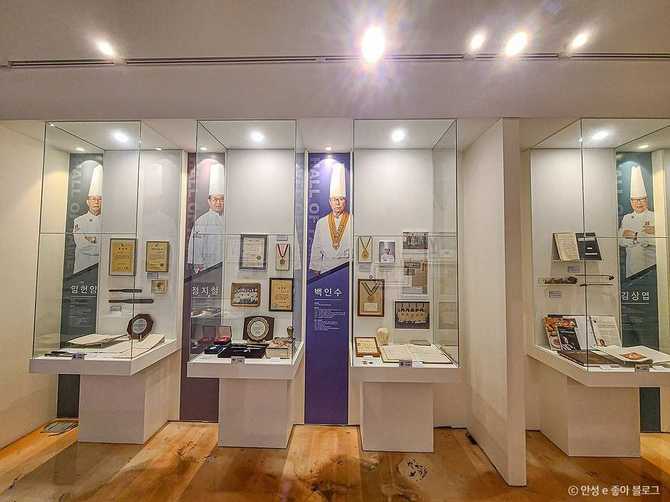
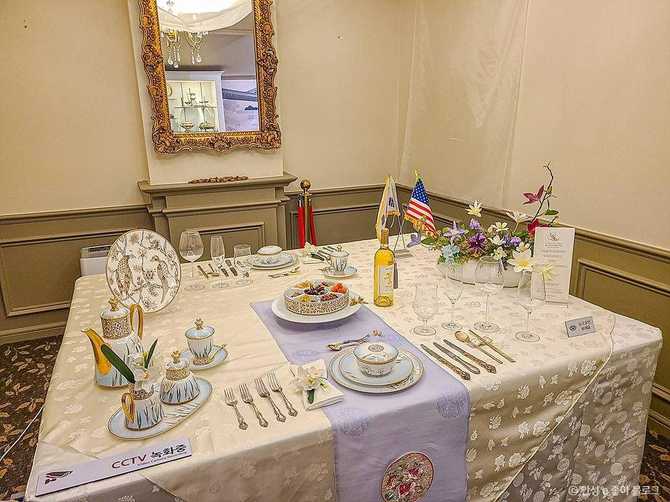
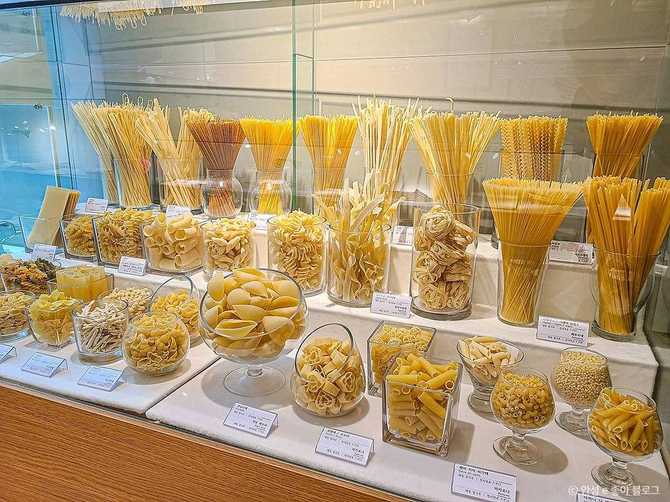
Located in Anseong, Gyeonggi Province, the Korean Culinary Museum is a dedicated space where visitors can explore Korea’s culinary heritage and its influence on contemporary cuisine. The museum features systematic exhibits on Western culinary development from 1895 to 2000, highlighting key figures and their contributions. Visitors can enjoy a variety of experiential activities suitable for all ages, including traditional cooking classes, food demonstrations, and cultural workshops. The museum is also part of a scenic culinary theme park nestled in nature, designed for relaxation and educational enrichment.
At a glance
- Who this is for
-
- Travelers interested in Korean food culture and history
- Food industry professionals and aspiring chefs
- Families seeking educational and fun experiences
- Students and researchers of culinary arts
- Key takeaways
-
- Systematic exhibits on Western and Korean culinary development
- Interactive cooking classes for all age groups
- Historical displays of culinary figures and artifacts
- Beautiful natural setting combining education and relaxation
- Accessible location in Anseong, Gyeonggi Province
- Tips & cautions
-
- Check operating hours and holidays before visiting
- Reservations may be required for certain programs
- Use public transportation during peak times for convenience
- Handle exhibits carefully; follow staff instructions
- Bottom line
- Experience Korea’s culinary history firsthand at this engaging cultural space that appeals to all ages.
The Korean Culinary Museum is a must-visit destination for anyone eager to explore Korea’s rich food history and cultural traditions. Located in Anseong, this museum offers a comprehensive look at Korea’s culinary evolution, from traditional recipes to modern culinary innovations. Its exhibits are thoughtfully organized by historical periods and key figures, providing visitors with a clear understanding of how Korean cuisine has developed over centuries.
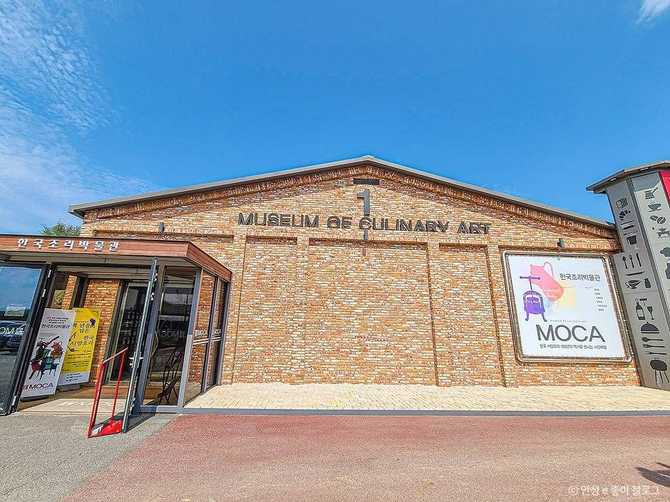
Beyond static displays, the museum offers hands-on cooking experiences suitable for children and adults alike. Visitors can participate in traditional cooking classes, learn about historical culinary techniques, and enjoy interactive demonstrations that bring Korea’s food culture to life. The museum also features a scenic outdoor culinary theme park, where visitors can relax amidst nature while engaging in educational activities.
Whether you are a culinary professional, a student, or a family looking for a meaningful outing, the Korean Culinary Museum provides a rich, educational, and relaxing environment. Be sure to check the opening hours and holiday schedules before your visit to ensure a smooth experience. This cultural space is accessible and designed to inspire curiosity about Korea’s unique culinary heritage, making it an ideal destination for all visitors interested in Korean food and culture.
Korean Culinary Museum Overview & Location
The Korean Culinary Museum is a comprehensive cultural space dedicated to exploring the rich history and evolution of Korea’s traditional and modern cuisine. Located in the scenic city of Anseong, Gyeonggi Province, this museum offers a unique opportunity for visitors to delve into Korea’s culinary heritage through well-curated exhibits, interactive programs, and scenic outdoor spaces. Since its establishment, the museum has served as a vital hub for both food enthusiasts and industry professionals, providing insights into Korea’s culinary development from the late 19th century to the present day.
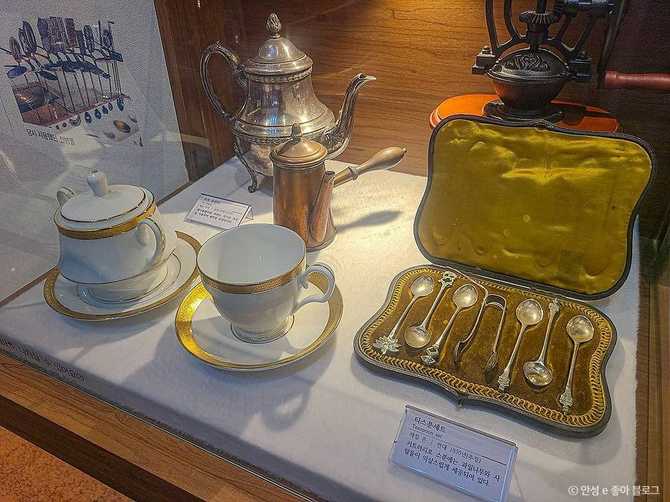
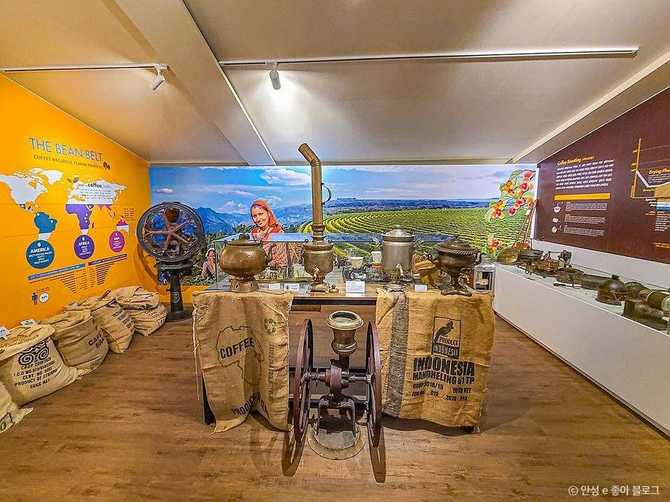
The focus of the Korean Culinary Museum is to systematically showcase the development of Western and Korean culinary arts, highlighting key periods, influential figures, and innovative techniques that have shaped Korea’s food culture. The museum’s exhibits are organized chronologically and thematically, making it easy for visitors to follow the evolution of Korea’s culinary landscape. The museum also emphasizes the importance of traditional cooking methods, food artifacts, and culinary innovations that reflect Korea’s cultural identity.
The museum’s location in Anseong is accessible via major transportation routes, making it convenient for both domestic and international visitors. It is situated within a larger culinary theme park, which combines educational experiences with scenic natural surroundings, perfect for family visits, educational trips, and cultural exploration. Visitors are encouraged to check the museum’s operating hours and holiday schedule before planning their visit, as the museum observes specific days off, including Sundays and Mondays, and adjusts hours seasonally.
Overall, the Korean Culinary Museum stands out as a must-visit destination for those interested in Korea’s food history, culinary arts, and cultural traditions. Its strategic location, diverse exhibits, and engaging programs make it an ideal place to learn, relax, and appreciate Korea’s culinary heritage in a scenic environment.
Comparison of Exhibits & Experience Programs at the Korean Culinary Museum
| Exhibit/Program | Details | Notes |
|---|---|---|
| Western Culinary Development | Displays from 1895 to 2000, showcasing the evolution of Western cuisine in Korea, including influential chefs and culinary innovations. | Includes artifacts, photographs, and videos illustrating key moments in Western culinary history. |
| Korean Food History | Chronological exhibits covering traditional Korean dishes, regional cuisines, and modern culinary trends. | Interactive displays allow visitors to explore recipes and cooking techniques. |
| Culinary Figures & Artifacts | Focuses on prominent chefs, food pioneers, and their contributions with personal artifacts and biographies. | Provides a deeper understanding of Korea’s culinary innovation drivers. |
| Hands-on Cooking Classes | Participants can learn traditional Korean recipes and cooking techniques under expert guidance. | Suitable for children and adults; reservation recommended. |
| Traditional Cooking Method Experience | Engages visitors in preparing dishes using age-old techniques, such as fermentation and stone cooking. | Ideal for cultural immersion and family participation. |
Visiting Hours & Practical Tips for the Korean Culinary Museum
- Operating Hours: During the summer season (April to October), the museum is open from 10:00 AM to 5:00 PM, with a lunch break from 12:00 PM to 1:00 PM. In winter (November to March), hours are from 10:00 AM to 4:00 PM, with the same lunch break.
- Holiday Closures: The museum is closed on Sundays and Mondays. Additionally, it observes closures during national holidays and specific holiday periods like New Year’s Day, Lunar New Year, and Chuseok.
- Gift Shop: The souvenir shop operates only on Saturdays from 11:00 AM to 5:00 PM, so plan your visit accordingly if you want to purchase local culinary souvenirs.
- Parking & Transportation: Ample parking is available on-site; however, during weekends and peak seasons, parking may be limited. Public transportation or taxis are recommended for convenience.
- Verify the museum’s operating hours and holiday closures.
- Make reservations in advance for experiential programs and cooking classes.
- Plan your transportation, considering potential parking congestion during peak times.
- Respect the exhibits by not touching artifacts and following staff instructions.
- Check the souvenir shop’s operating hours if you wish to purchase souvenirs.
Visitor Tips & Precautions for the Korean Culinary Museum
| Tip / Precaution | Details |
|---|---|
| Check Operating Hours and Holidays | Ensure you verify the museum’s current hours and holiday schedule via the official website or contact before your visit, as seasonal changes may occur. |
| Reserve Experience Programs in Advance | Many hands-on cooking classes and workshops require prior reservation. Confirm availability and book early through the museum’s reservation system or by phone. |
| Plan Transportation Carefully | Parking may be limited during weekends and peak seasons. Using public transportation or taxis is recommended for a smoother visit. |
| Respect Exhibits and Artifacts | Do not touch the artifacts or exhibits to prevent damage. Follow staff instructions regarding exhibit handling and photography policies. |
| Visit the Souvenir Shop During Operating Hours | The gift shop is open only on Saturdays from 11:00 AM to 5:00 PM. Plan your visit accordingly if you wish to purchase souvenirs. |
Pre-Visit Checklist for the Korean Culinary Museum
- Confirm the museum’s current operating hours and holiday schedule on the official website or by direct inquiry.
- Check availability and make reservations for any experiential programs or cooking classes you wish to participate in.
- Plan your transportation, considering parking availability and potential congestion during busy times.
- Familiarize yourself with the rules for exhibit interaction—do not touch artifacts and follow staff guidance.
- Note the operating hours of the souvenir shop if you plan to purchase souvenirs, especially since it is only open on Saturdays.
- Prepare any necessary items such as tickets, reservation confirmations, or identification required for entry or participation.
- Review the latest COVID-19 guidelines or health protocols in place at the museum, if applicable.
- Ensure your camera or smartphone is charged for photos, respecting any restrictions on photography in certain areas.
Frequently Asked Questions (FAQ)
Q1: What are the main exhibits at the Korean Culinary Museum?
The museum features exhibits on Western culinary development from 1895 to 2000, traditional Korean food history, and profiles of influential culinary figures with artifacts, photographs, and videos.
Q2: What are the operating hours of the Korean Culinary Museum?
During the summer season (April to October), the museum is open from 10:00 AM to 5:00 PM, with a lunch break from 12:00 PM to 1:00 PM. In winter (November to March), hours are from 10:00 AM to 4:00 PM, also with a lunch break.
Q3: When is the museum closed to visitors?
The museum is closed on Sundays and Mondays, and during national holidays such as New Year’s Day, Lunar New Year, and Chuseok. It may also have special closures during holiday periods, so check in advance.
Q4: How can I participate in the hands-on cooking programs?
Participation in cooking classes and experiential programs typically requires prior reservation. Visitors should check the museum’s website or contact them by phone to confirm booking details and schedules.
Q5: Are there any precautions I should take when visiting the museum?
Visitors should avoid touching exhibits and artifacts to prevent damage. It is recommended to arrive early for parking, use public transportation if possible, and follow staff instructions during the visit.
Q6: Where is the Korean Culinary Museum located, and how can I contact them?
The museum is located at 158-60 Jurea Bonjuk-ro, Ilduk-myeon, Anseong-si, Gyeonggi Province. You can contact them at 031-673-9966 or visit their website at http://moca-museum.co.kr.
Final Tips for Visiting the Korean Culinary Museum
Visiting the Korean Culinary Museum offers a wonderful opportunity to immerse yourself in Korea’s rich culinary history and culture. To ensure a smooth and enjoyable experience, it’s important to plan ahead. Always double-check the museum’s operating hours and holiday schedule before your visit, as seasonal changes or special events may affect opening times. Making reservations for hands-on programs or cooking classes in advance is highly recommended, especially during peak seasons, to secure your spot and avoid disappointment.
Consider your transportation options carefully—public transit or taxis are often more convenient, especially during busy weekends or holiday periods when parking might be limited. Remember to arrive early to maximize your time exploring the exhibits and participating in interactive activities. Respect the exhibits by handling artifacts carefully and following staff instructions to help preserve Korea’s culinary heritage for future visitors. If you wish to purchase souvenirs, check the souvenir shop’s hours beforehand, as it operates only on Saturdays.
Overall, a visit to the Korean Culinary Museum promises a meaningful journey through Korea’s food history, offering both educational insights and relaxing moments amidst scenic surroundings. Proper planning and a curious mindset will help you make the most of your trip, creating memorable experiences that deepen your appreciation for Korea’s culinary traditions. Whether you are a food enthusiast, a family, or a professional in the culinary field, this cultural space is a must-visit destination that will enrich your understanding of Korea’s unique food culture.