출처 : Banana Master
Jongno Cultural Center: Your Guide to Seoul’s Cultural Hub
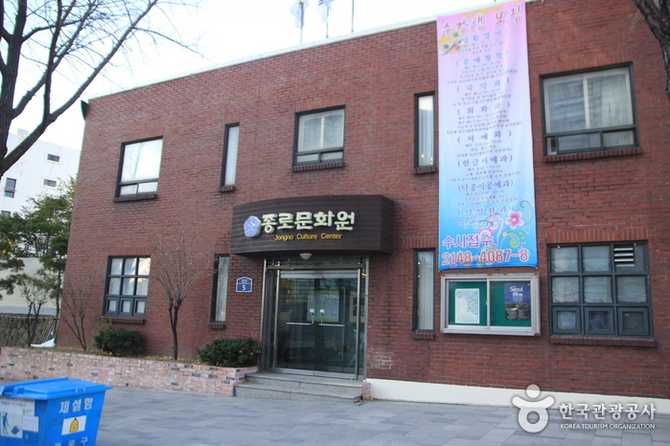
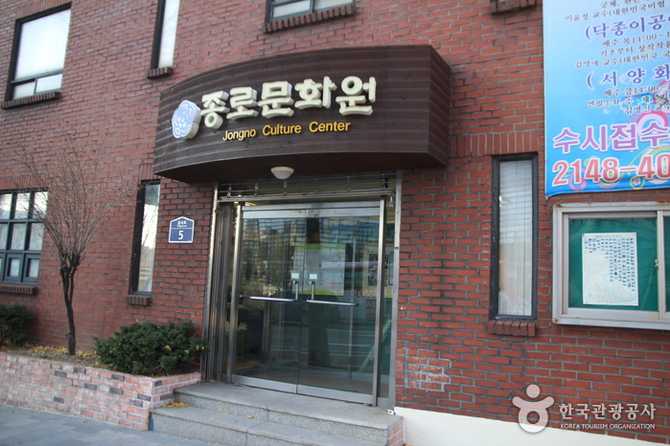
Location 서울특별시 종로구 종로5길 31 (청진동)
Location 서울특별시 종로구 종로5길 31 (청진동)
Discover how the Jongno Cultural Center serves as a vibrant hub for preserving Seoul’s rich cultural heritage while offering diverse programs and activities for locals and visitors alike. Whether you’re interested in traditional arts, cultural festivals, or educational courses, this guide provides essential information to help you experience the best of Jongno’s cultural scene.
Understanding the Jongno Cultural Center is key to exploring Seoul’s historic heart. Located in the bustling Jongno district, this institution plays a vital role in safeguarding Korea’s cultural assets while fostering community engagement through various cultural programs. From language classes and traditional music lessons to cultural festivals and historical archives, the center offers a comprehensive platform for cultural enrichment.
At a glance
- Who this is for
-
- Residents interested in local culture and history
- Visitors seeking cultural experiences in Seoul
- Artists and cultural event organizers
- Students and learners of traditional arts
- Tourists exploring Seoul’s historic district
- Key takeaways
-
- Located at Jongno 5-gil 31, Seoul
- Offers traditional arts classes, cultural festivals, and archives
- Operates daily from 9 AM to 6 PM, closed weekends
- Provides free or low-cost cultural programs
- Plays a central role in preserving Seoul’s cultural heritage
- Tips & cautions
-
- Check the official website for the latest schedule
- Some courses may require fees or prior registration
- No parking available; use public transportation
- Closed on weekends and public holidays
- Visit early for popular programs or events
- Bottom line
- Jongno Cultural Center is a vital cultural institution that enriches Seoul’s heritage and community life through diverse programs and preservation efforts.
The Jongno Cultural Center, situated in the heart of Seoul’s historic Jongno district, stands as a cornerstone for cultural preservation and community engagement. This center actively works to conserve the region’s traditional arts, historical records, and local customs, making it a must-visit for anyone interested in Korean culture. Its wide array of programs includes language courses such as Chinese and Korean traditional music classes, craft workshops like traditional paper art, and cultural festivals that celebrate Korea’s rich history.
Whether you are a local resident eager to deepen your understanding of Seoul’s cultural roots or a tourist wanting to experience authentic Korean arts firsthand, the Jongno Cultural Center offers accessible and enriching experiences. The center also publishes monthly journals and historical archives, ensuring that Korea’s cultural stories are preserved and shared with future generations. Planning your visit with prior knowledge of the schedule, offerings, and facilities will help you make the most of your cultural journey in Seoul’s historic district.
Jongno Cultural Center Overview & Location
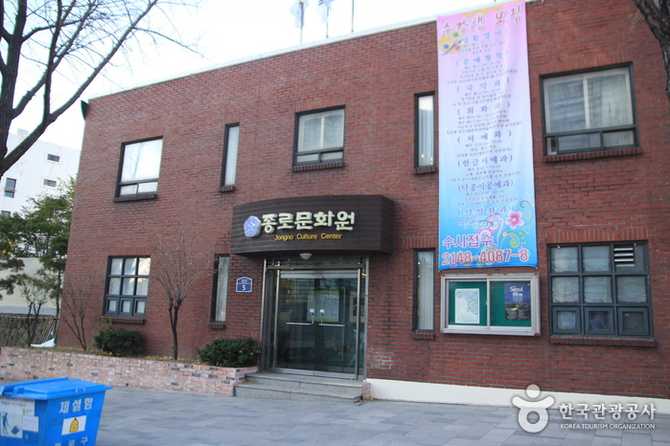
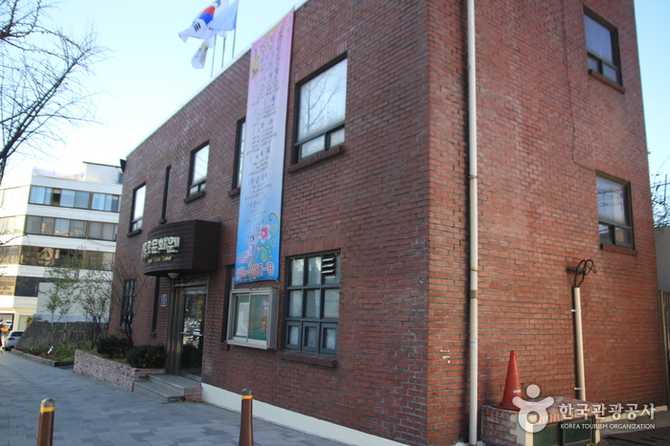
The Jongno Cultural Center is a vital hub for preserving and promoting Seoul’s rich cultural heritage. Situated in the heart of Seoul’s historic Jongno district at 31 Jong-ro 5-gil, Jongno-gu, this institution plays a central role in fostering cultural awareness and community engagement. Its strategic location makes it easily accessible for both local residents and international visitors eager to explore Korea’s traditional arts and history.
The center’s primary focus is to serve as a platform for cultural preservation, offering a wide array of programs, workshops, and exhibitions. It actively conducts research and collection of local historical artifacts, documents, and folk materials, ensuring that Seoul’s cultural legacy is maintained for future generations. As a cornerstone of Jongno’s cultural scene, the center also hosts festivals, traditional music performances, and art exhibitions that highlight Korea’s unique cultural expressions.
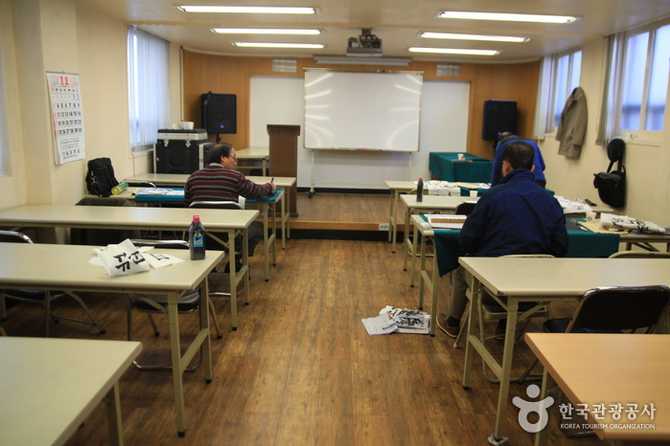
The Jongno Cultural Center is open daily from 9 AM to 6 PM, excluding weekends and public holidays. Its facilities include classrooms for arts and language courses, exhibition halls, and archives. Visitors can participate in various traditional arts classes such as Korean music, craft-making, and language lessons, making it a comprehensive cultural experience. The center’s mission is to enhance cultural literacy among residents and visitors, fostering a deeper understanding of Korea’s historical identity.
Whether you are interested in exploring Korea’s traditional arts, attending cultural festivals, or simply learning about Seoul’s history, the Jongno Cultural Center offers accessible and enriching opportunities. Its location in Seoul’s most historic district makes it an ideal starting point for cultural exploration, providing a meaningful connection to Korea’s past and present.
Comparison of Main Cultural Programs and Courses at Jongno Cultural Center
| Course Name | Content & Focus | Target Audience | Cost & Notes |
|---|---|---|---|
| Chinese Language Course | Basic to conversational Chinese, focusing on speaking and listening skills | Beginners, tourists, residents | Free or low-cost, registration required |
| Traditional Korean Music (Gugak) | Learning Korean folk songs, traditional instruments, and performance techniques | Music enthusiasts, students, tourists | Fee-based, varies by course |
| Danjong Paper Craft (Jangji) | Traditional Korean paper craft making and design | Hobbyists, cultural learners | Affordable, materials included |
| Cultural and Language Workshops | Various workshops on Korean history, arts, and language | All ages, residents, tourists | Varies; check website for details |
The Jongno Cultural Center offers a diverse range of programs tailored to different interests and skill levels. Whether you want to learn a new language, explore traditional Korean music, or participate in craft activities, there are options suitable for everyone. Most courses are affordable, with some free offerings, but it’s recommended to confirm registration details and costs on the official website before visiting.
Cultural Festivals & Events at Jongno Cultural Center: A Checklist
- 3.1 Manse Day Street Festival — Celebrates the spirit of independence movement with parades, performances, and exhibitions. Tip: Check the schedule early as this event attracts many visitors.
- Jongno Youth Gugak Contest — A competition showcasing young talents in traditional Korean music. Tip: Great for families and cultural enthusiasts.
- Senior Citizens Cultural Program — Offers cultural activities like traditional dance, singing, and craft workshops tailored for the elderly. Warning: Some programs may require prior registration.
- Monthly Cultural Publications — The center publishes journals and archives that document local history and cultural stories. Tip: Visit the archives or subscribe to stay updated.
- Annual Cultural Festivals — Includes traditional dance, art exhibitions, and folk performances. These are held periodically throughout the year, often aligned with national holidays.
Visitor Information & Practical Tips for Visiting Jongno Cultural Center
| Item | Details |
|---|---|
| Operating Hours | 9:00 AM – 6:00 PM daily |
| Closed on | Saturdays, Sundays, and public holidays |
| Address | 31 Jong-ro 5-gil, Jongno-gu, Seoul |
| Contact Number | 02-2148-4087 |
| Homepage | http://www.종로문화원.kr/ |
| Parking | No on-site parking; use nearby public parking or public transportation |
| Admission & Fees | Most programs are free or low-cost; check specific course details on the website |
| How to Register | Register via the official website or by phone; procedures vary by program |
Essential Tips for Visiting Jongno Cultural Center
- Check the Schedule in Advance: Visit the official website or contact the center to confirm dates and times for courses and events, as they may change periodically.
- Arrive Early: Popular programs and festivals tend to fill up quickly; arriving early ensures participation and better experience.
- Use Public Transportation: Since there is no parking on-site, utilize Seoul’s extensive subway and bus networks for convenient access.
- Prepare Necessary Documents: For registration or participation in certain programs, bring identification or proof of registration if required.
- Confirm Fees and Registration: Some courses and events may require prior registration or fees; always verify on the official website or by calling ahead.
- Visit During Operating Hours: The center is open from 9 AM to 6 PM; plan your visit accordingly to maximize your experience.
- Plan for Accessibility: If you have mobility concerns, contact the center beforehand to inquire about accessibility features and assistance.
- Stay Updated on Events: Subscribe to newsletters or follow the center’s social media channels for the latest updates on upcoming programs and festivals.
Frequently Asked Questions (FAQ)
Q1: Is the Jongno Cultural Center free to visit?
Some programs and courses at the Jongno Cultural Center are offered free of charge or at low cost. However, certain workshops and classes may require a registration fee, so it is advisable to check the official website for detailed information.
Q2: How can I register for courses at the Jongno Cultural Center?
Registration can be completed online through the center’s official website or in person at the center. Each course may have different registration procedures, so it is recommended to verify details beforehand.
Q3: What are the operating hours of the Jongno Cultural Center?
The center operates daily from 9:00 AM to 6:00 PM. It is closed on weekends and public holidays, so plan your visit accordingly.
Q4: Does the Jongno Cultural Center provide parking facilities?
No, the center does not have dedicated parking facilities. Visitors are encouraged to use nearby public transportation or public parking lots for convenience.
Q5: Are there any language courses available at the Jongno Cultural Center?
Yes, the center offers language courses such as Chinese, focusing on basic conversation skills. These courses are suitable for beginners, residents, and tourists interested in learning Korean or other languages.
Q6: What types of cultural events does the Jongno Cultural Center host?
The center hosts various cultural festivals, traditional music competitions, and community programs throughout the year. These events aim to promote Korea’s cultural heritage and community participation.
Final Tips for Visiting Jongno Cultural Center
Visiting the Jongno Cultural Center offers a unique opportunity to immerse yourself in Seoul’s rich cultural heritage. To make the most of your experience, it’s recommended to check the official website or contact the center ahead of your visit for the latest schedule of programs, exhibitions, and events. Many of the cultural courses and festivals are popular, so early registration or inquiry can help secure your spot and avoid disappointment.
Remember that the center operates from 9 AM to 6 PM, and it is closed on weekends and public holidays, so plan your visit accordingly. Since there is no on-site parking, using public transportation such as subway or bus is highly advisable for convenience. The Jongno district is easily accessible and offers plenty of nearby attractions, making it a perfect starting point for a day of cultural exploration in Seoul.
Whether you are interested in traditional Korean arts, language classes, or cultural festivals, the Jongno Cultural Center is dedicated to enriching your understanding of Korea’s history and arts. Engaging with local programs not only deepens your cultural knowledge but also supports the preservation of Korea’s invaluable cultural assets. Be sure to plan ahead, review the latest updates, and enjoy a meaningful cultural experience in one of Seoul’s most historic districts.