
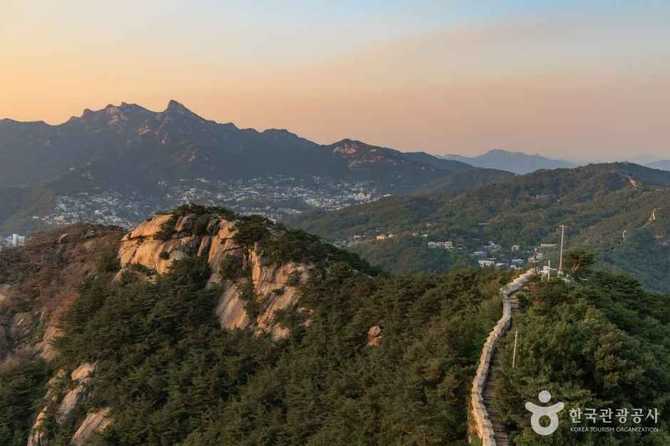
출처 : ⓒ한국관광콘텐츠랩 또는 ⓒ한국관광공사
Inwangsan Mountain: A Natural and Historic Seoul Hiking Spot
Location 서울특별시 종로구 옥인동
Location 서울특별시 종로구 옥인동
Discover the perfect blend of natural beauty and historical heritage at Inwangsan Mountain, one of Seoul’s most beloved urban hiking destinations. Whether you’re seeking scenic views, cultural landmarks, or a peaceful escape within the city, Inwangsan offers an unforgettable experience for all visitors.
At a glance
- Who this is for
-
- Travelers interested in Seoul’s natural scenery and history
- Families or individuals seeking easy urban hikes
- Art and culture enthusiasts exploring famous landscape paintings
- Hikers of all levels, from beginners to experienced
- Key takeaways
-
- Located in Jongno and Seodaemun districts, easily accessible from central Seoul
- Features unique granite formations and scenic mountain views
- Offers historical sites like Taejo’s prayer site and fortress remains
- Connected by popular trails starting at Sajik Tunnel, with scenic descent through Buaam-dong
- Open year-round, free to visit, suitable for family outings and cultural exploration
- Tips & cautions
-
- Check weather conditions before hiking, avoid rainy or snowy days
- Wear sturdy, non-slip footwear for rocky paths
- Be cautious of slippery rocks and steep sections
- Respect natural and cultural sites, carry out trash
- Bottom line
- Inwangsan Mountain combines natural scenic beauty with rich history, making it a must-visit urban hiking destination in Seoul.
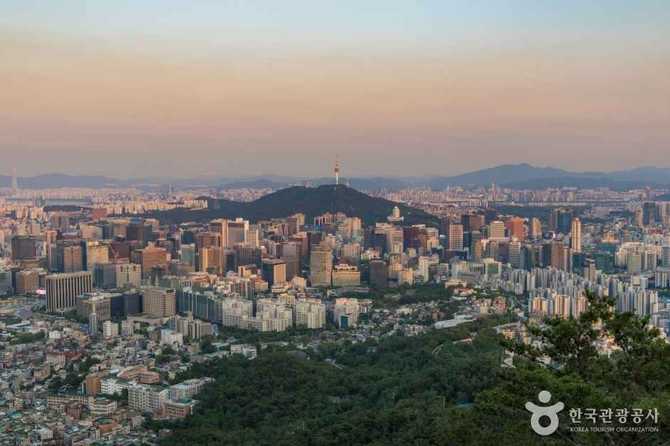
Inwangsan Mountain is a prominent natural landmark nestled in the heart of Seoul, offering visitors a unique opportunity to enjoy both breathtaking landscapes and historical relics. This mountain, primarily composed of granite, features distinctive rock formations such as the Seon Rock, Hat Rock, and Pig Rock, which create a surreal and picturesque environment. From the summit, visitors can enjoy panoramic views of the Gyeongbokgung Palace and the historic inner city, providing a glimpse into Seoul’s royal past and modern vibrancy.
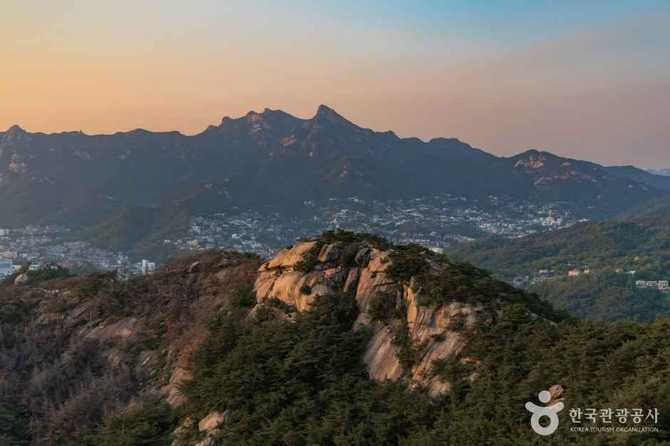
Known for inspiring famous Korean landscape paintings, including Jeong Seon’s Inwangjeonsaekdo, Inwangsan is a cultural treasure that connects art, history, and nature. The mountain also hosts significant historical sites like the Taejo Prayer Site, where King Taejo of Joseon is believed to have prayed, and fortress remnants that once protected the city. Its accessible trails and scenic routes make it an ideal destination for families, solo travelers, and history buffs alike.
Whether you are looking for a leisurely walk, an educational experience, or a challenging hike, Inwangsan Mountain offers a versatile outdoor space. It is open all year round, free of charge, and easily reachable from central Seoul, making it a top choice for urban explorers seeking to escape into nature without leaving the city. Prepare for your visit by checking weather forecasts and wearing suitable footwear to ensure a safe and enjoyable experience.
Inwangsan Mountain Overview & Natural Scenery
Inwangsan Mountain is one of Seoul’s most iconic natural landmarks, renowned for its striking granite formations and panoramic city views. Located within the districts of Jongno and Seodaemun, this mountain offers a unique blend of natural beauty and cultural significance, making it a must-visit destination for travelers exploring Seoul. The focus keyword, Inwangsan Mountain, captures the essence of this scenic and historic site that attracts both casual hikers and seasoned outdoor enthusiasts.
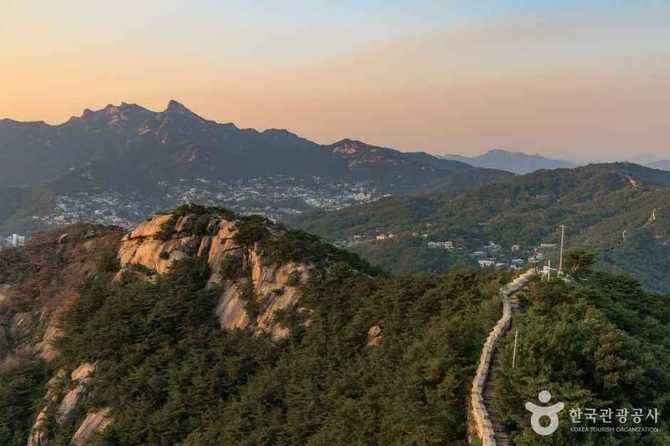
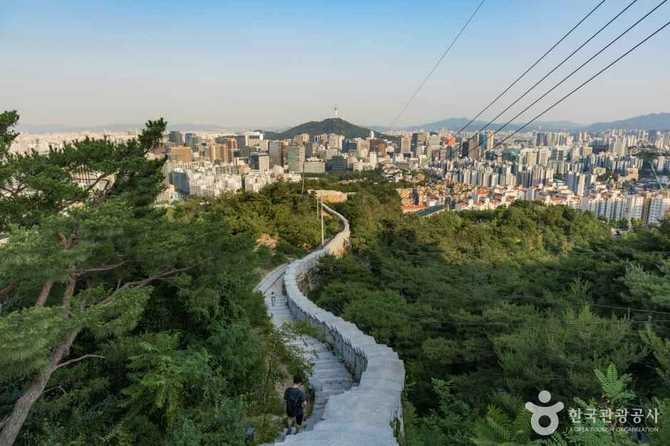
The mountain’s terrain is primarily composed of rugged granite, featuring distinctive rock formations such as Seon Rock, Hat Rock, and Pig Rock, which are popular among visitors for their surreal shapes and photographic appeal. These geological features provide a natural playground for exploration and add a sense of mystique to the landscape. From the summit, visitors are rewarded with sweeping views of Seoul’s skyline, including the historic Gyeongbokgung Palace and the surrounding inner city areas, offering a glimpse into the city’s royal past and modern vibrancy.
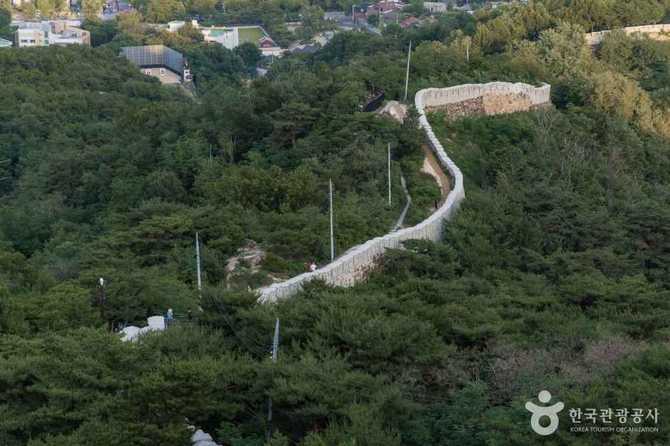
Inwangsan is also celebrated for its cultural and historical significance. The mountain served as a strategic defensive point during the Joseon Dynasty, with remnants of fortress walls and gates still visible along the trails. Additionally, it is home to several important sites, such as Taejo’s prayer site, where King Taejo of Joseon is believed to have prayed for the kingdom’s prosperity, and the site of Buddhist ascetics’ meditation retreats. These historical relics enrich the hiking experience, allowing visitors to connect with Korea’s rich heritage while enjoying the natural environment.
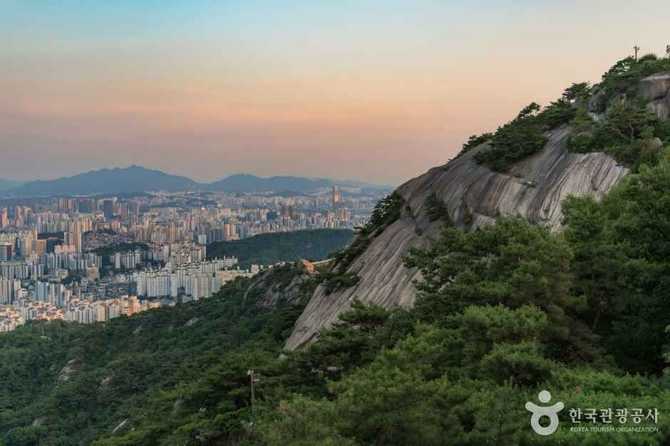
Accessible year-round and free of charge, Inwangsan Mountain is suitable for all levels of hikers, from beginners seeking a gentle walk to experienced climbers looking for a challenging trek. The trails are well-marked, and the ascent to the summit typically takes about 1 to 2 hours, depending on the chosen route. The mountain’s proximity to central Seoul makes it an ideal escape for a quick outdoor activity, with nearby attractions such as Buaam-dong and the famous Sogyeokdong area offering cafes and cultural spots to visit after your hike.
Whether you are interested in scenic views, geological formations, or historical sites, Inwangsan Mountain provides a comprehensive outdoor experience that combines natural beauty and cultural depth. It is a perfect destination for those seeking a peaceful retreat within the bustling city, offering a moment of tranquility amidst Korea’s vibrant urban life.
Comparison of Key Historical Sites and Cultural Features of Inwangsan
| Historical Site / Cultural Feature | Description | Significance |
|---|---|---|
| Taejo Prayer Site | A historic location where King Taejo of Joseon is believed to have prayed for the prosperity of his kingdom. | Represents the spiritual foundation of the Joseon Dynasty and offers insight into royal practices. |
| Mugakdae Prayer Site | A site associated with Buddhist monks and ascetics who meditated and performed rituals here. | Highlights Korea’s Buddhist cultural heritage and spiritual practices. |
| Fortress Remnants and Walls | Sections of ancient city walls and gates that once protected Seoul from invasions. | Reflects historical military architecture and Seoul’s strategic defenses during the Joseon era. |
| Seon Rock and Other Granite Formations | Distinctive natural rock formations that have inspired traditional Korean landscape paintings. | Artistic and geological significance, connecting natural landscape with Korean cultural heritage. |
Recommended Trails & Visiting Tips for Inwangsan
- Starting Point: Begin your hike at Sajik Tunnel, a convenient and scenic entry point that offers easy access and scenic views of the fortress walls.
- Main Trail: Follow the well-marked trail ascending through rocky sections and lush greenery, enjoying views of unique granite formations like Seon Rock and Pig Rock along the way.
- Summit: Reach the top within approximately 1 to 1.5 hours, where you can take in sweeping views of Seoul’s palaces and cityscape, perfect for photography and relaxation.
- Descent Route: Descend via the Buam-dong trail, which passes through charming cafes and local eateries, ideal for a leisurely finish to your hike.
- Check weather conditions before heading out to avoid rain or snow, which can make trails hazardous.
- Respect cultural sites and avoid disturbing any relics or natural formations.
- Carry a small first aid kit and mobile phone with full battery for emergencies.
- Consider visiting during early morning or late afternoon for cooler temperatures and better lighting for photos.
Safety Precautions & Visitor Guidelines for Inwangsan
| Safety Measure / Guideline | Details |
|---|---|
| Check Weather Conditions | Always verify the weather forecast before your hike. Avoid hiking during rain, snow, or fog to prevent accidents on slippery paths. |
| Wear Appropriate Footwear | Use sturdy, non-slip hiking shoes to navigate rocky and uneven terrain safely. |
| Exercise Caution on Steep Sections | Move slowly and carefully on steep or slippery parts, especially when descending or climbing rocks. |
| Respect Cultural and Natural Sites | Do not disturb or damage any relics, flora, or fauna. Follow designated trails and avoid off-path exploration. |
| Carry Safety Equipment | Bring a basic first aid kit, fully charged mobile phone, and sufficient water and snacks for emergencies. |
| Travel with Company or Inform Others | Hike with a companion or inform someone of your plans and expected return time for safety reasons. |
Inwangsan Travel Tips & Visitor Information
- Preparation: Wear comfortable hiking shoes suitable for rocky paths. Dress in layers to adapt to changing weather conditions, and bring a hat and sunscreen for sun protection.
- Essential Items: Carry enough water, light snacks, and a fully charged mobile device. A small first aid kit is recommended for minor injuries.
- Weather & Timing: Check the weather forecast before your visit. Early mornings and late afternoons are ideal for cooler temperatures and better lighting for photos.
- Accessibility: The main trail starts at Sajik Tunnel, which is easily accessible by public transportation. Consider using local buses or taxis to reach the starting point.
- Pets: If bringing pets, ensure they are kept on a leash and follow the park’s regulations to prevent disturbances or accidents.
- Contact & Inquiries: For additional information or questions about visiting Inwangsan, contact the Seoul Jongno District Office’s Urban Green Space Division at 02-2148-2835. You can also visit the official Seoul tourism website for updates and detailed guides.
- Wear appropriate hiking footwear
- Bring sufficient water and snacks
- Check the weather forecast
- Carry a fully charged mobile phone
- Prepare a small first aid kit
- Dress in layers and wear sun protection
- Inform someone about your hiking plan
- Follow designated trails and respect cultural sites
Frequently Asked Questions (FAQ)
Q1: Where is Inwangsan Mountain located in Seoul?
Inwangsan Mountain is situated in the districts of Jongno and Seodaemun in central Seoul, South Korea. It is easily accessible from various parts of the city and is a popular urban hiking destination.
Q2: What are the main attractions or features of Inwangsan Mountain?
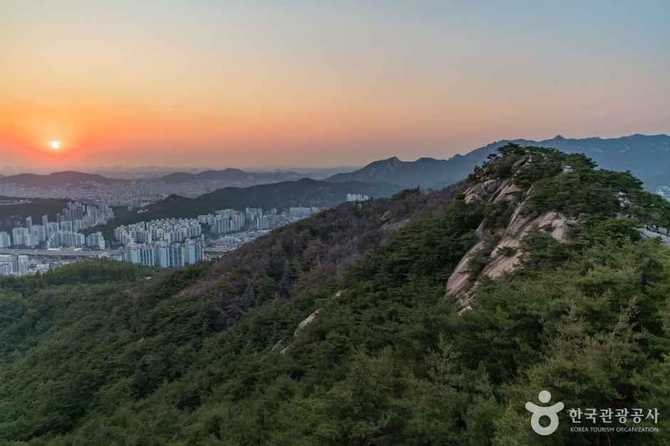
Inwangsan is known for its unique granite rock formations, scenic views of Seoul, and historical sites such as Taejo’s prayer site and fortress remnants. It also offers inspiration for traditional Korean landscape paintings like Jeong Seon’s Inwangjeonsaekdo.
Q3: How long does it typically take to hike to the summit of Inwangsan?
The hike to the summit usually takes about 1 to 1.5 hours, depending on the trail chosen and individual pace. The trails are well-marked and suitable for hikers of all levels.
Q4: Is there an entrance fee to visit Inwangsan Mountain?
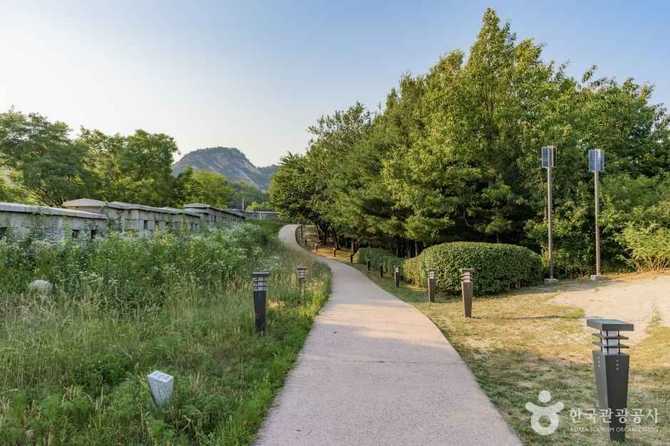
No, Inwangsan Mountain is open to the public free of charge all year round. Visitors can enjoy the natural scenery and historical sites without any admission fee.
Q5: What safety precautions should I take when hiking Inwangsan?
It is important to wear sturdy, non-slip shoes and check weather conditions before hiking. Be cautious of slippery rocks and steep sections, especially during rainy or snowy weather, and carry essentials like water and a first aid kit.
Q6: When is the best time to visit Inwangsan Mountain?
The best times to visit are during spring and autumn when the weather is mild and the scenery is particularly beautiful. Clear days with good visibility offer the best panoramic views of Seoul from the summit.
Final Tips for Visiting Inwangsan Mountain
As you plan your visit to Inwangsan Mountain, keep in mind that preparation is key to a safe and enjoyable experience. The mountain offers a remarkable combination of natural beauty and historical significance, making it a must-see destination for travelers exploring Seoul. To maximize your visit, check the weather forecast beforehand, especially during the rainy or snowy seasons, as the rocky trails can become slippery and hazardous. Wearing sturdy, non-slip footwear will help you navigate the uneven terrain comfortably and safely.
Don’t forget to bring essentials such as water, sun protection, and a hat, particularly if you plan to hike during the warmer months. Respect the natural environment and cultural sites by refraining from disturbing the rocks, relics, or flora along the trail. If you’re hiking with children or elderly family members, choose routes that match their comfort level and avoid steep or unstable sections. Remember to carry a small first aid kit and ensure your mobile phone is fully charged for emergencies.
Inwangsan Mountain is accessible year-round and free to visit, making it an excellent option for spontaneous outings or planned trips. Whether you seek panoramic city views, a glimpse into Korea’s rich history, or a peaceful escape within the city, this mountain provides a memorable experience. Take your time to enjoy the scenery, capture photos of the granite formations, and explore the historical sites at your own pace. With proper planning and respect for the environment, your visit to Inwangsan Mountain will be both safe and enriching, leaving you with lasting memories of Seoul’s natural and cultural treasures.