
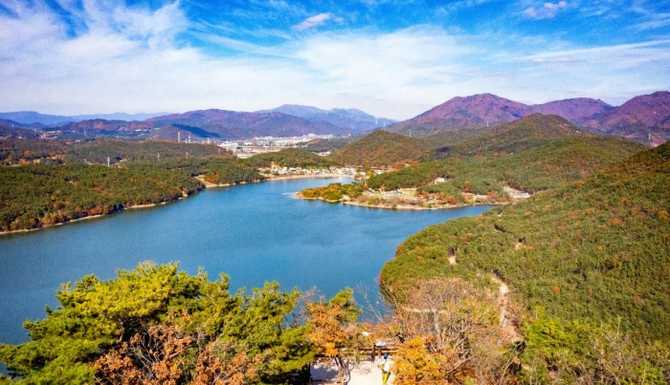
Hae Dong Suwon Reservoir: Nature and History in Busan
Location 부산광역시 금정구 개좌로 147
Discover the beauty of Hae Dong Suwon Reservoir, a unique ecological site in Busan where you can experience both natural landscapes and historical significance. Whether you’re a nature enthusiast, a history lover, or simply seeking a peaceful escape, this site offers a perfect blend of scenic beauty and cultural insight.
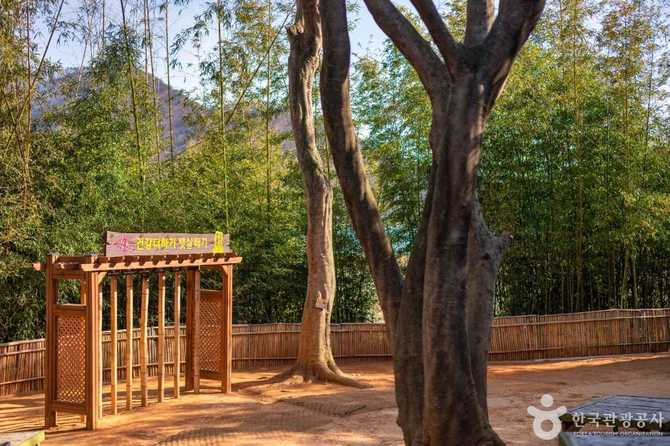
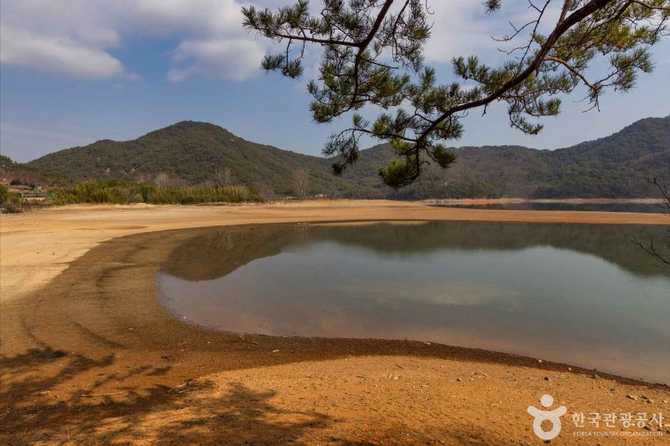
Hae Dong Suwon Reservoir, located on the border of Geumjeong-gu and Yangsan in Busan, is a historic artificial lake built in the late 1930s to address water shortages caused by drought. Since its opening to the public in 2010, it has become a popular destination for locals and visitors alike, offering a tranquil environment for ecological observation and cultural exploration. Surrounded by lush forests and connected to the Ttamme-san yellow soil forest trail, the reservoir provides an accessible and enriching experience for all visitors.
In this guide, you’ll find detailed information about the history and ecological significance of Hae Dong Suwon Reservoir, the walking trails and scenic spots nearby, visitor facilities, and helpful tips to ensure a safe and enjoyable visit. Whether you’re interested in learning about its historical background, enjoying a leisurely walk along the eco-trail, or appreciating the natural beauty of the surrounding landscape, this site offers a comprehensive experience that highlights Korea’s rich natural and cultural heritage.
At a Glance
- Who this is for
-
- Travelers exploring Busan’s natural attractions
- Ecology and environment enthusiasts
- Local residents interested in cultural history
- Nature lovers seeking peaceful outdoor activities
- Families and groups looking for free outdoor recreation
- Key takeaways
-
- Constructed in the late 1930s to alleviate drought issues
- Publicly accessible since 2010, free of charge
- Located on the border of Geumjeong-gu and Yangsan
- Connected to Ttamme-san yellow soil forest trail
- Open year-round with ample parking facilities
- Tips & cautions
-
- Respect natural habitats by avoiding littering
- Stay on designated trails to protect ecological integrity
- Be cautious in certain protected zones
- Carry emergency contact information (051-519-4081)
- Prepare appropriate clothing for weather conditions
- Bottom line
- Hae Dong Suwon Reservoir is a prime ecological and historical site in Busan, offering free access and scenic trails for all visitors to enjoy.
Hae Dong Suwon Reservoir, an important part of Busan’s water management history, was initially created in the late 1930s to combat drought and water shortages. Over the decades, it has played a vital role in supporting local agriculture and daily life. Recognized as a protected water source area in 1964, the reservoir’s natural environment has been preserved and appreciated by the community. Since opening to the public in 2010, it has become a beloved destination for eco-tourism and cultural education.
Surrounded by lush forests and connected to scenic walking trails like the Ttamme-san yellow soil forest path, the site offers visitors a chance to immerse themselves in Korea’s natural beauty while learning about its historical significance. The site is easily accessible by car or public transportation, with well-maintained parking facilities and signage. Visitors can enjoy walking along flat, scenic trails, taking photographs, and relaxing in designated rest areas. This combination of ecology and history makes Hae Dong Suwon Reservoir a must-visit destination for those seeking a meaningful outdoor experience in Busan.

Hae Dong Suwon Reservoir Overview and History
Hae Dong Suwon Reservoir is a significant ecological and historical site located in Busan, South Korea. This artificial lake was originally constructed in the late 1930s, primarily to address water shortages caused by droughts that severely impacted the region. During that period, local agriculture and daily life depended heavily on a stable water supply, and the reservoir played a crucial role in supporting the community’s needs. Over time, Hae Dong Suwon Reservoir evolved from a utilitarian water source into a protected natural area and a popular destination for eco-tourism and cultural appreciation.
In 1964, the reservoir was designated as a water resource protection zone, emphasizing its importance in regional water management and environmental preservation. This status helped safeguard the surrounding natural habitats and maintain the ecological integrity of the area. In 2010, the site was opened to the general public, allowing visitors to enjoy its scenic beauty, learn about its historical background, and experience Korea’s natural environment firsthand. Today, Hae Dong Suwon Reservoir is renowned for its tranquil landscapes, lush forests, and its connection to the Ttamme-san yellow soil forest trail, which offers a peaceful walking experience amid nature.
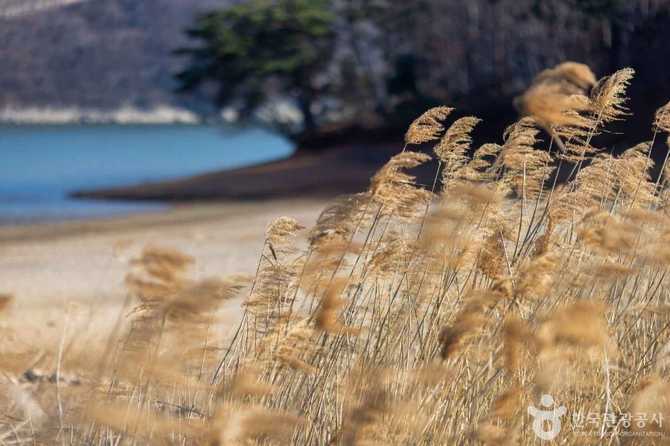
The reservoir’s location on the border of Geumjeong-gu and Yangsan makes it accessible for both local residents and tourists. Its historical significance is intertwined with its ecological value, making it a unique site where history and nature coexist harmoniously. Visitors can explore the surrounding trails, observe local wildlife, and enjoy the scenic views that reflect Korea’s efforts to balance environmental conservation with community development. Overall, Hae Dong Suwon Reservoir stands as a testament to Korea’s commitment to preserving its natural and cultural heritage while providing a space for recreation and education.
Comparison of Hae Dong Suwon Reservoir and Natural Ecosystem
| Aspect | Hae Dong Suwon Reservoir | Natural Ecosystem |
|---|---|---|
| Creation Period | Late 1930s | Evolved naturally over thousands of years |
| Purpose | Water supply and drought mitigation | Habitat for wildlife, ecological balance |
| Design & Construction | Artificially built with dams and embankments | Natural formation, no human intervention |
| Accessibility | Open to public since 2010, free entry | Accessible in natural settings, varies by location |
| Ecological Impact | Supports local flora and fauna, but human activity can impact environment | Supports diverse ecosystems, highly sensitive to environmental changes |
Walking Trails and Scenic Spots at Hae Dong Suwon Reservoir
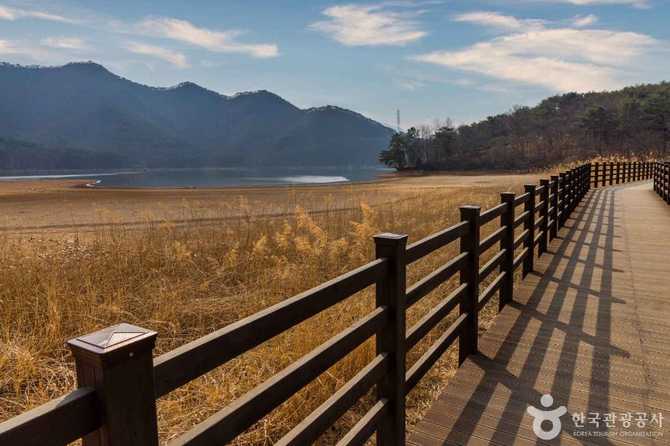
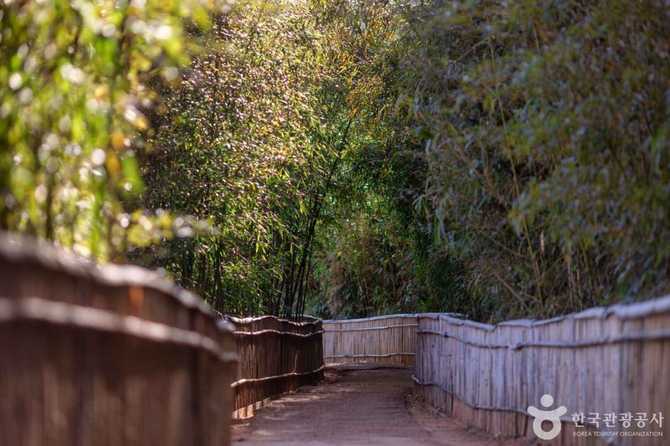
- Choose the Ttamme-san Yellow Soil Forest Trail: This scenic trail runs along the reservoir and connects to the lush forests surrounding the area. It is approximately 1 km long and features flat, well-maintained paths suitable for all ages.
- Enjoy a leisurely walk: The trail is designed for easy walking, allowing visitors to immerse themselves in the natural sounds and sights of Korea’s landscape. Take your time to observe local flora and fauna.
- Capture scenic photos: The tranquil waters, forested backdrop, and scenic viewpoints provide excellent opportunities for photography.
- Rest at designated benches: Several benches and shaded rest areas are available along the trail for relaxation and picnics.
- Visit the observation points: Several viewpoints offer panoramic views of the reservoir and surrounding mountains, perfect for taking memorable photos.
- Wear comfortable shoes suitable for walking.
- Bring water and sun protection during hot days.
- Check weather conditions before visiting to ensure a safe experience.
- Respect natural habitats and avoid making loud noises.
- Carry emergency contact information (051-519-4081) in case of need.
Visitor Information and Facilities at Hae Dong Suwon Reservoir
| Facility | Details |
|---|---|
| Opening Hours | Open year-round, 24 hours (no restrictions) |
| Admission Fee | Free for all visitors |
| Parking Facilities | Available free parking lots nearby, sufficient capacity |
| Accessibility | Accessible by car and public transportation; pathways are flat and suitable for strollers and wheelchairs |
| Rest Areas | Benches and shaded rest spots along trails and viewpoints |
| Visitor Center | Not available; information is provided via signage and maps at entry points |
Precautions and Visitor Tips for Hae Dong Suwon Reservoir
- Respect natural habitats: Do not litter; use designated trash bins or take your trash home to help preserve the environment.
- Stay on designated trails: Venturing off-path can disturb wildlife and damage delicate ecosystems. Stick to the marked walking paths.
- Avoid disturbing wildlife: Keep noise levels down and do not feed or approach animals.
- Prepare for weather conditions: Check the weather forecast before your visit. Wear suitable clothing, bring sun protection, and carry water.
- Emergency preparedness: Memorize or note down the emergency contact number (051-519-4081) in case of accidents or emergencies.
- Be mindful of protected zones: Some areas may be restricted or require caution; follow signage and staff instructions.
- Visitor safety: Walk carefully on uneven surfaces, especially in wet or windy weather, to prevent falls or injuries.
- Photography etiquette: Enjoy capturing scenic views but avoid flash photography near wildlife or sensitive plants.
- Respect other visitors: Keep noise levels low and be considerate of others enjoying the natural surroundings.
- Use eco-friendly products: Refrain from using chemical sprays or soaps that could harm local flora and fauna.
Frequently Asked Questions (FAQ)
Q1: What was the primary purpose of constructing Hae Dong Suwon Reservoir?

Hae Dong Suwon Reservoir was built in the late 1930s to address water shortages caused by droughts in the Busan region. It was initially created to support local agriculture and daily water needs.
Q2: When was Hae Dong Suwon Reservoir opened to the public?
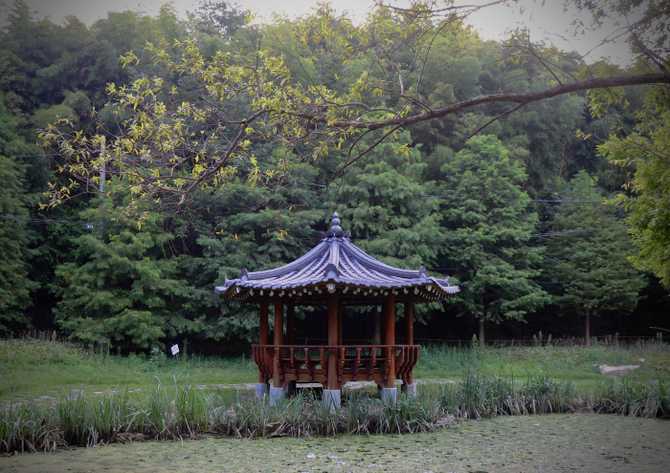
The reservoir was opened to the general public in 2010, allowing visitors to enjoy its natural scenery and historical significance freely.
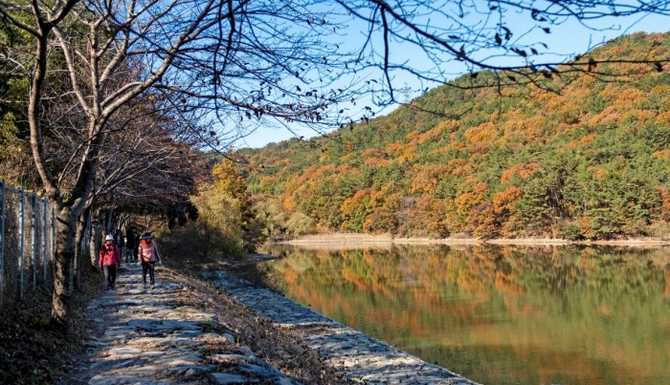
Q3: Are there walking trails around Hae Dong Suwon Reservoir?
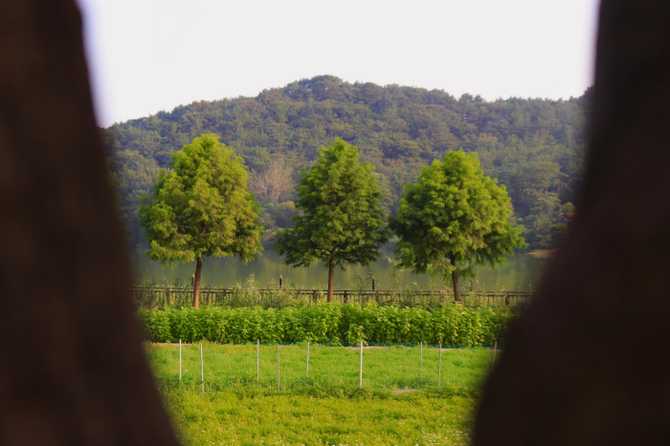
Yes, the main trail is the Ttamme-san Yellow Soil Forest Trail, approximately 1 km long, offering a flat and scenic walking route suitable for all visitors.
Q4: Is there an entrance fee to visit Hae Dong Suwon Reservoir?
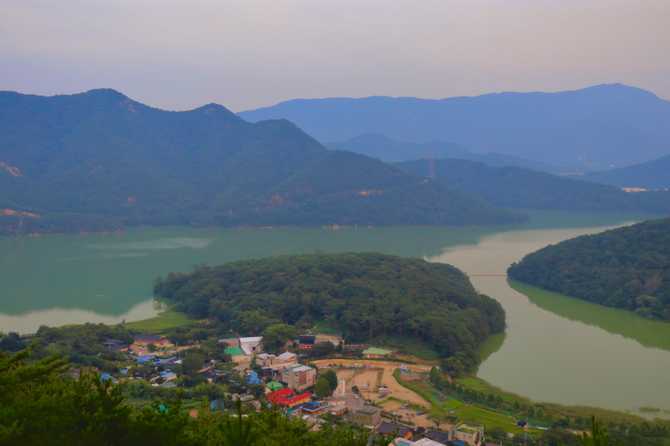
No, the site is open year-round with free admission, and parking facilities are also available at no cost.
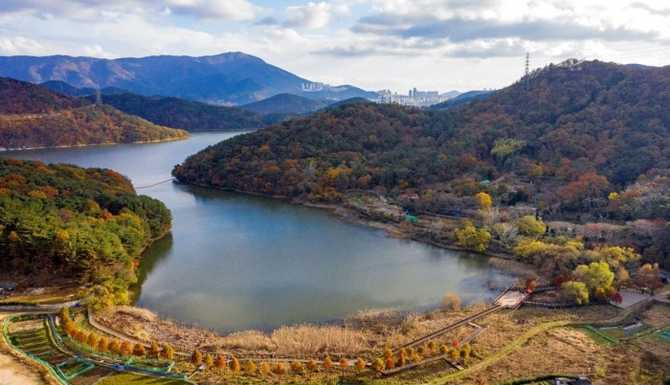
Q5: How can I get to Hae Dong Suwon Reservoir?
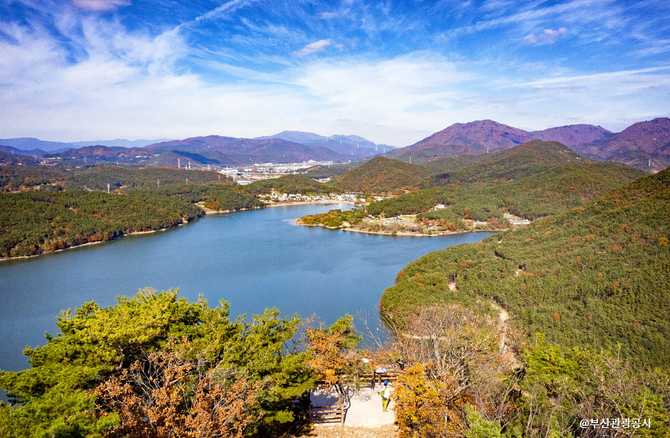
The reservoir is located at 147 Gaejwa-ro, Geumjeong-gu, Busan, accessible by public transportation or car, with parking facilities nearby for convenience.
Q6: What precautions should I take when visiting Hae Dong Suwon Reservoir?
Visitors should avoid littering, stay on designated trails, and refrain from disturbing wildlife to protect the natural environment. It is also advisable to carry emergency contact information (051-519-4081) and check weather conditions before visiting.
Final Tips for Visiting Hae Dong Suwon Reservoir
Visiting Hae Dong Suwon Reservoir offers a wonderful opportunity to connect with Korea’s natural beauty and rich history. To ensure a safe and enjoyable experience, it is important to plan ahead and respect the environment. Remember to wear comfortable walking shoes and bring essentials such as water, sun protection, and weather-appropriate clothing. Since the site is open year-round and free to access, you can visit at your convenience, but always check the weather forecast to avoid unexpected weather conditions that could affect your trip.
While exploring the scenic trails, stay on designated paths to protect the delicate ecosystem and avoid disturbing local wildlife. Carrying a small trash bag to collect your waste helps preserve the pristine environment for future visitors. In case of emergencies or if you need assistance, be sure to remember the contact number (051-519-4081). It is also advisable to inform someone about your visit, especially if you plan to hike or explore less populated areas.
Whether you are interested in taking photographs, enjoying a peaceful walk, or simply relaxing amidst nature, Hae Dong Suwon Reservoir provides a perfect setting. Its accessibility, combined with the natural beauty of the surrounding forests and scenic viewpoints, makes it an ideal destination for families, nature lovers, and anyone seeking a calming outdoor escape. By following these helpful tips, you can make the most of your visit and contribute to the preservation of this valuable ecological and cultural site. Enjoy your time exploring one of Busan’s most treasured natural landmarks, and take home meaningful memories of Korea’s natural and historical heritage.