

출처 : ⓒ한국관광콘텐츠랩 또는 ⓒ한국관광공사
Goesan Muntangri Seonnangdan: Traditional Sacred Site in Korea
Location 충청북도 괴산군 청안면 질마로오리목1길 16-25
Location 충청북도 괴산군 청안면 질마로오리목1길 16-25
Discover the cultural and historical significance of the Seonnangdan in Muntangri, Goesan, a revered traditional shrine that embodies Korea’s rich folk heritage. Whether you’re interested in Korean history, traditional rituals, or cultural preservation, visiting Seonnangdan offers a unique glimpse into local customs passed down since the Joseon Dynasty.
At a glance
- Who this is for
-
- Travelers interested in Korean traditional culture and folk heritage
- History enthusiasts exploring regional cultural sites
- Researchers studying Korean ancestral rituals and sacred sites
- Visitors seeking authentic cultural experiences in Goesan
- Key takeaways
-
- Seonnangdan is a folk shrine dating back to the Joseon era, located in Muntangri, Goesan
- Features a circular stone tower and male genital-shaped stone structure, symbolizing prosperity
- Traditionally, annual rites are held at the start of the lunar New Year; open year-round
- Designated as a cultural heritage site by North Chungcheong Province in 2002
- Free admission; managed by the Goesan Cultural Tourism Office
- Tips & cautions
-
- Respect the sacred space and avoid damaging the site
- During traditional rites, observe local customs and avoid disturbance
- Check for any special event days or restrictions before visiting
- Bottom line
- Seonnangdan in Goesan is a vital cultural asset that offers insight into Korea’s folk traditions and spiritual practices.
Goesan’s Seonnangdan is a significant cultural and historical site that reflects Korea’s rich folk traditions. Located in the scenic region of North Chungcheong Province, this shrine has served as a place of worship and community gathering for centuries. Built during the Joseon Dynasty, it embodies traditional Korean spiritual beliefs centered on local deities responsible for village safety and prosperity.
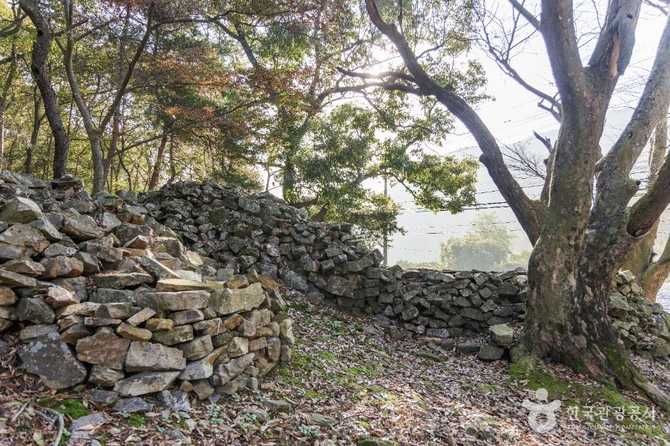
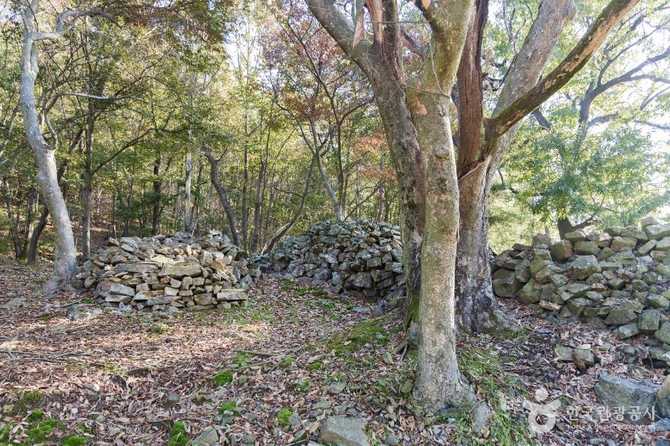
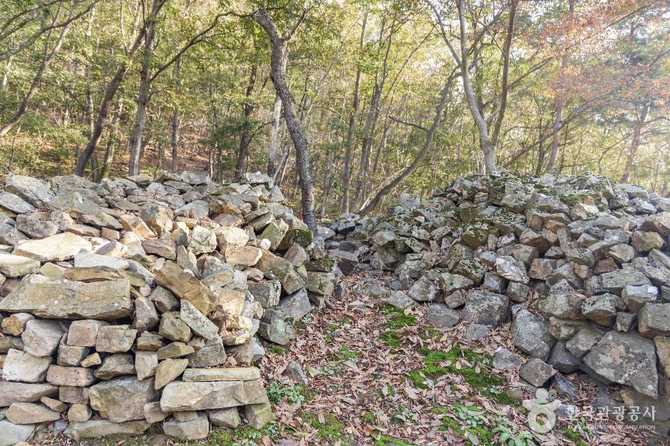
Visitors to Seonnangdan can explore its unique architectural features, including the ancient stone tower and the male genital-shaped stone monument, which symbolize fertility and abundance. The site is traditionally used for annual rites, especially during the Lunar New Year, when villagers perform offerings and prayers to ensure a prosperous year ahead. Today, the shrine is open all year round, allowing travelers and locals alike to experience Korea’s enduring folk rituals firsthand.
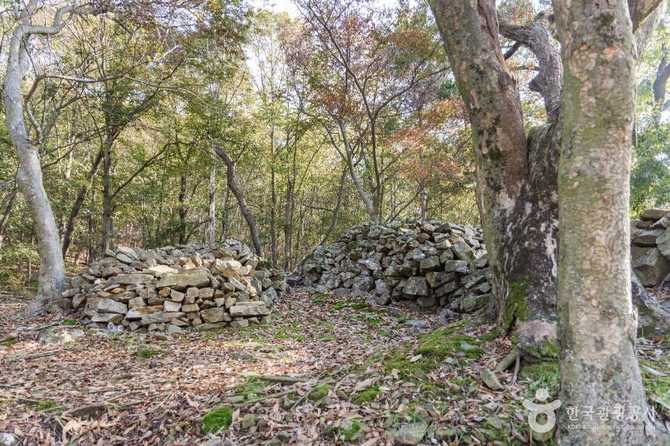
Recognized as a cultural heritage site by North Chungcheong Province in 2002, Seonnangdan is protected under regional preservation laws. Its management by the local cultural tourism authority ensures its preservation and accessibility. Visiting Seonnangdan provides a meaningful opportunity to understand Korea’s rural traditions and spiritual life, making it a must-see for those interested in Korea’s intangible cultural assets.
Overview of Seonnangdan in Goesan: A Sacred Folk Shrine
Seonnangdan in Goesan is a historically significant folk shrine that embodies Korea’s rich spiritual and cultural heritage. This sacred site, which has been preserved since the Joseon Dynasty, serves as a place of worship dedicated to local deities responsible for village safety, prosperity, and agricultural abundance. Located in Muntangri, within the scenic landscape of North Chungcheong Province, Seonnangdan is a prime example of traditional Korean spiritual architecture intertwined with natural surroundings. Its significance extends beyond religious practices, representing a vital part of regional identity and cultural continuity. Recognized as a designated cultural heritage site, Seonnangdan continues to be a focal point for community rituals, especially during the Lunar New Year, when villagers gather to perform ancestral rites and offerings. The site features a distinctive circular stone tower, known as a doltap, and a male genital-shaped stone monument symbolizing fertility and prosperity, reflecting Korea’s traditional fertility rites. Visitors interested in Korea’s folk traditions, rural spirituality, and cultural preservation will find Seonnangdan an enriching destination. Its open access throughout the year allows travelers to experience Korea’s living cultural heritage firsthand, observing the harmonious relationship between natural environment and spiritual practice. As a protected cultural asset, Seonnangdan offers insights into the indigenous beliefs and community life of rural Korea, making it an essential site for those exploring Korea’s intangible cultural assets and traditional rituals.
Comparison of Structural Features of Seonnangdan
| Feature | Details | Remarks |
|---|---|---|
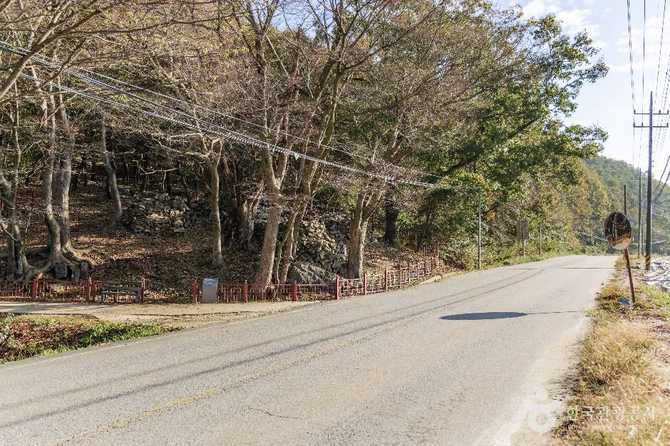
| Location | Muntangri Village Entrance, Goesan | Central position in the village, easily accessible |
| Main Structure | Circular stone tower (doltap) and male genital-shaped stone monument | Symbolizes fertility and prosperity |
| Size | Doltap: approximately 1.5 meters high; Stone monument: about 1 meter long | Designed to be prominent yet harmonious with surroundings |
| Structural Composition | Stone materials, natural integration with environment | Reflects traditional Korean stone craftsmanship |
| Additional Features | Stone altar for offerings, connecting pathway to mountain | Enhances spiritual ambiance and ritual function |
Traditional Rituals and Cultural Significance of Seonnangdan
- Annual Rituals: The most important ceremony takes place at the start of the lunar New Year, where villagers gather to perform ancestral rites, offering food, incense, and prayers to the local deities for safety and prosperity.
- Offerings: During rituals, colorful cloths called ‘heung’ are tied to the sacred tree or the central deity figure, symbolizing respect and communication with spirits.
- Fertility Symbols: The male genital-shaped stone monument plays a central role in fertility rites, representing the community’s hope for abundant harvests and prosperous lives.
- Community Participation: Traditionally, villagers participate actively in the rites, with elders leading the ceremonies and younger generations learning the customs to preserve cultural continuity.
- Respect the site: Do not disturb or damage the stone structures or surrounding natural environment.
- Participate respectfully: If invited to join rituals, follow local customs and dress modestly.
- Timing: The best time to experience traditional rituals is during the Lunar New Year or local festival days, but the site remains open for casual visits year-round.
Visiting Information and Practical Tips for Seonnangdan
| Item | Details |
|---|---|
| Address | 충청북도 괴산군 청안면 질마로오리목 1길 16-25 |
| Operating Hours | Open year-round, 24 hours, no restrictions |
| Admission Fee | Free of charge |
| Management | Goesan County Cultural Tourism Office |
| Contact | 043-830-3432 |
| Visit Tips |
|
Protection and Preservation of Seonnangdan as a Cultural Heritage
- Recognized as a designated cultural heritage site by North Chungcheong Province since July 12, 2002.
- Managed and protected by the Goesan County Cultural Tourism Office to ensure preservation.
- Strictly prohibited from unauthorized alterations, vandalism, or damage to the stone structures and natural surroundings.
- Regular maintenance and conservation efforts are carried out to sustain the site’s integrity.
- Visitors are encouraged to respect the site’s cultural significance and follow guidelines to prevent deterioration.
- Educational programs and community activities promote awareness of its historical value and importance of preservation.
Whether you visit during the day or evening, Goesan Muntangri Seonnangdan is a meaningful stop on any Seoul itinerary for history-minded travelers.
Frequently Asked Questions (FAQ)
What is Seonnangdan in Goesan?
Seonnangdan is a traditional Korean folk shrine located in Muntangri, Goesan, built to honor local deities for village safety and prosperity. It features a circular stone tower and male genital-shaped stone monument, symbolizing fertility and abundance.
When can I visit Seonnangdan?
Seonnangdan is open year-round and can be visited at any time. It is accessible 24 hours a day without restrictions, allowing visitors to experience Korea’s cultural heritage at their convenience.
Are there any specific times for traditional rituals at Seonnangdan?
Traditional rituals are mainly held during the Lunar New Year, when villagers perform ancestral rites. However, visitors can observe the site and participate respectfully at any time, as it remains open throughout the year.
Is there an entrance fee to visit Seonnangdan?
No, admission to Seonnangdan is free of charge. It is managed by the Goesan County Cultural Tourism Office and is open to the public without any fees.
How do I get to Seonnangdan?
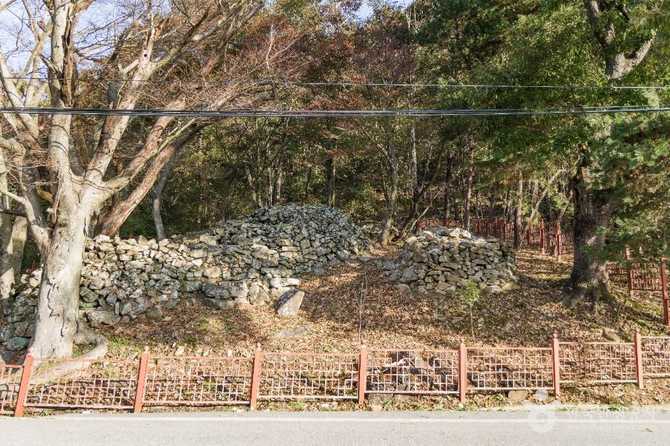
Seonnangdan is located at 충청북도 괴산군 청안면 질마로오리목 1길 16-25. It is easily accessible by car or local transportation, with clear directions from the village entrance in Muntangri.
Are there any cultural customs I should observe when visiting Seonnangdan?
Visitors should show respect by not touching or damaging the stone structures and natural surroundings. During rituals, it is advised to follow local customs and dress modestly if participating in ceremonies.
Conclusion: Experience the Cultural Significance of Seonnangdan in Korea
Visiting Seonnangdan in Goesan offers a unique opportunity to immerse yourself in Korea’s rich folk traditions and spiritual heritage. This sacred site, with its centuries-old history, embodies the enduring cultural practices of local communities dedicated to village safety, prosperity, and fertility. Recognized as a designated cultural heritage site by North Chungcheong Province, Seonnangdan’s significance extends beyond its physical structures, representing a living testament to Korea’s rural spiritual life and ancestral worship. As you explore this remarkable site, you’ll gain a deeper appreciation for traditional Korean rituals and the natural harmony that surrounds them. Whether you visit during the Lunar New Year or at any time of the year, the site provides a meaningful connection to Korea’s indigenous beliefs and community values. Respectful exploration of Seonnangdan allows visitors to better understand the importance of preserving regional cultural assets. Engaging with this historic shrine not only enriches your travel experience but also contributes to the appreciation and protection of Korea’s intangible cultural heritage. Make sure to plan your visit with respect for local customs, and enjoy the opportunity to witness Korea’s vibrant cultural legacy firsthand.