
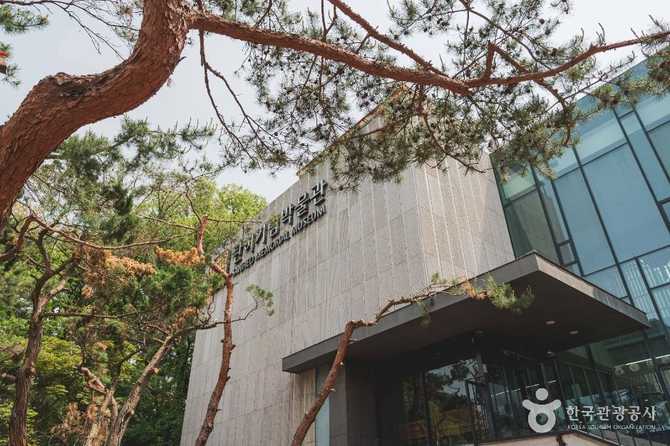
Explore the Tanheo Memorial Buddhist Museum: Korea’s Center for Buddhist and Confucian Culture
Discover Korea’s rich spiritual heritage through immersive exhibits and cultural experiences at the Tanheo Memorial Buddhist Museum, a hub for understanding Buddhist, Zen, and Confucian philosophies.
At a glance
- Who this is for
-
- Visitors interested in Buddhist and Zen philosophies
- Those seeking to deepen their understanding of Korean cultural heritage
- Culture and art enthusiasts wanting engaging educational programs
- Key takeaways
-
- Features relics of the Great Monk and rare Buddhist scriptures
- Impressive exterior adorned with the Diamond Prajnaparamita Sutra
- Offers free admission and parking all year round
- Located in Seoul’s Gangnam district, open 10:00–17:00
- Hosts diverse cultural events and educational programs
- Tips & cautions
-
- Check operating hours and holidays before visiting
- Closed every Monday and public holidays
- Special holiday schedules during Lunar New Year and Chuseok
- Arrive early to enjoy full access to exhibits and programs
- Bottom line
- Visit the Tanheo Memorial Buddhist Museum to experience Korea’s spiritual and cultural richness firsthand in a welcoming, free environment.
The Tanheo Memorial Buddhist Museum stands as a prominent cultural institution dedicated to showcasing Korea’s Buddhist, Zen, and Confucian traditions. Located in Seoul’s vibrant Gangnam district, this museum offers visitors a unique opportunity to explore ancient relics, sacred texts, and immersive cultural programs that deepen understanding of Korea’s spiritual history. Whether you are a devotee, a scholar, or simply curious about Korea’s religious heritage, the museum provides a comprehensive experience that combines educational exhibits with engaging cultural activities.
Established in the early 2000s to honor the legacy of the Great Monk Tanheo, the museum serves as a bridge connecting traditional spiritual teachings with contemporary cultural expressions. Its exhibits include relics of the Great Monk, rare Buddhist scriptures, and the impressive exterior featuring the Diamond Prajnaparamita Sutra, symbolizing the sacredness and solemnity of Buddhist teachings. The museum’s mission is to foster spiritual growth and cultural understanding through its carefully curated displays and programs.

Visitors can participate in various cultural events, educational workshops, and art exhibitions that highlight the harmonious integration of Buddhist, Zen, and Confucian philosophies. As a regional cultural hub, the museum actively contributes to community engagement and promotes Korea’s rich spiritual and artistic traditions. Best of all, entry is free, and ample parking is available, making it accessible for all visitors seeking a meaningful cultural experience.
Before planning your visit, it’s advisable to check the official operating hours and holiday schedules, especially during major Korean holidays like Lunar New Year and Chuseok, when the museum may operate on different hours or be temporarily closed. Whether you’re interested in exploring religious artifacts, participating in cultural programs, or simply enjoying the tranquil atmosphere, the Tanheo Memorial Buddhist Museum offers a profound and enriching experience for all interested in Korea’s spiritual and cultural heritage.
Museum Overview and Historical Background
The Tanheo Memorial Buddhist Museum is a prominent cultural institution dedicated to showcasing Korea’s rich Buddhist, Zen, and Confucian traditions. Located in Seoul’s vibrant Gangnam district, this museum serves as a vital space for cultural preservation, education, and spiritual exploration. Established in the early 2000s, the museum was built to honor the legacy of the revered monk, Tanheo, and to promote a deeper understanding of Korea’s spiritual heritage. Its mission is to connect traditional religious teachings with contemporary cultural expressions, fostering a sense of spiritual growth and cultural appreciation among visitors of all ages.
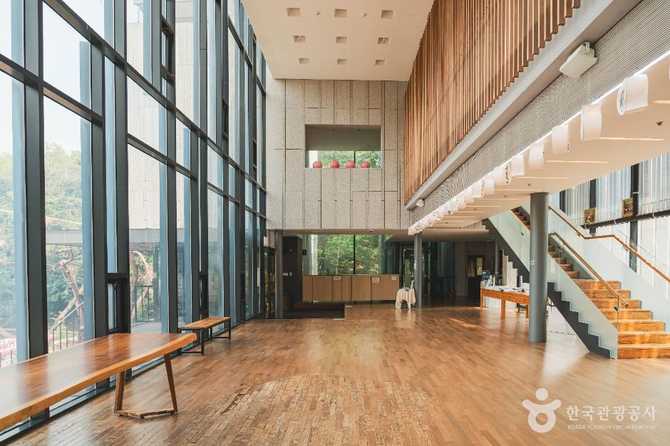
The museum’s origins trace back to efforts by local religious communities and cultural organizations aiming to create a dedicated space for religious artifacts, sacred texts, and educational programs. Its exterior, adorned with the elegant inscription of the Diamond Prajnaparamita Sutra, symbolizes the sacredness and solemnity of Buddhist teachings. The design reflects a harmonious blend of traditional Korean architecture and modern aesthetics, making it a visually striking landmark in the city.
Throughout its history, the Tanheo Memorial Buddhist Museum has played a key role in promoting Korean Buddhist culture and philosophy. It houses relics of the Great Monk Tanheo, including personal artifacts, rare scriptures, and historical documents that illustrate the spiritual journey and teachings of this influential figure. The museum’s collection also features a wide array of Buddhist scriptures, ancient manuscripts, and religious art, which serve as valuable resources for scholars and spiritual seekers alike.
The museum is more than just a repository of artifacts; it actively engages the community through cultural events, educational workshops, and art exhibitions that highlight the integration of Buddhist, Zen, and Confucian thought. Its role as a regional cultural hub helps foster dialogue between tradition and modernity, making it a vital space for cultural exchange and spiritual reflection. Visitors can experience a tranquil atmosphere conducive to learning and introspection, making the Tanheo Memorial Buddhist Museum a must-visit destination for those interested in Korea’s spiritual and cultural history.
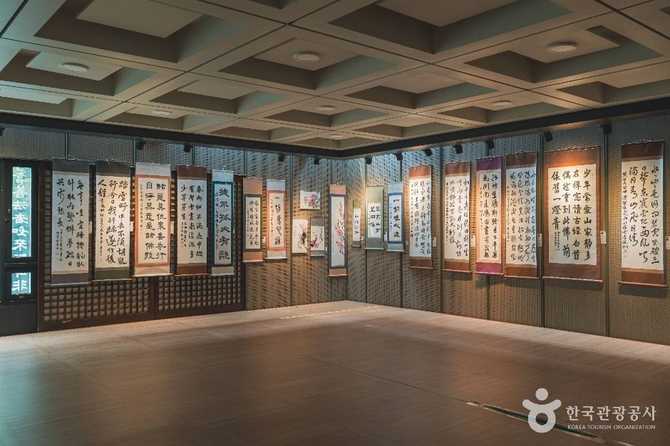
Comparison of Exhibits and Cultural Programs
| Exhibit / Program | Details | Highlights |
|---|---|---|
| Relics of the Great Monk Tanheo | Personal artifacts, robes, and manuscripts of Tanheo | Provides insight into Tanheo’s spiritual journey and teachings |
| Rare Buddhist Scriptures | Ancient texts including the Diamond Prajnaparamita Sutra | Showcases Korea’s religious literary heritage |
| Cultural Events and Workshops | Regular programs including meditation sessions, lectures, and art classes | Engages visitors actively with spiritual and artistic practices |
| Educational Programs | School visits, guided tours, and interactive learning sessions | Ideal for students and scholars seeking in-depth knowledge |
| Art Exhibitions | Display of Buddhist paintings, sculptures, and calligraphy | Highlights Korea’s artistic expressions of faith |
Visitor Information and How to Visit
- Check Operating Hours: The museum is open daily from 10:00 AM to 5:00 PM, except for Mondays and major public holidays. During peak seasons like Lunar New Year and Chuseok, hours may vary, so it’s best to verify before visiting.
- Admission: Free for all visitors. Parking is also complimentary, with ample space available in the designated lot.
- Location: 13-51, Bamgogae-ro 14-gil, Jakok-dong, Seoul, South Korea. The museum is easily accessible via public transportation or car.
- Getting There:
- By Subway: Take Line 3 to Apgujeong Station, then transfer to bus or taxi to the museum.
- By Bus: Several local buses stop near the museum’s address, including routes 4212, 341, and 342.
- By Car: Use GPS to navigate to the address above. Free parking is available on-site.
- Preparation Tips: Wear comfortable shoes, bring water, and check the weather forecast. Arrive early to enjoy the exhibits without crowds, especially during weekends or holidays.
- Note: Be sure to confirm the museum’s hours and holiday schedule before your visit, as special events or holidays may affect opening times.
Operating Hours and Holidays
| Aspect | Details |
|---|---|
| Operating Hours | Daily from 10:00 AM to 5:00 PM (excluding lunch break from 12:00 PM to 1:00 PM) |
| Closed on | Every Monday, January 1st, during Lunar New Year and Chuseok holidays, and on Labor Day |
| Special Holiday Hours | Hours may vary during major Korean holidays; it is recommended to verify before your visit |
- Check Operating Hours and Holidays: Always verify the museum’s hours and holiday schedule before your visit, especially during Korean holidays or special events, to avoid inconvenience.
- Plan Your Arrival: Arrive early in the day to enjoy the exhibits fully, and consider using public transportation or free parking facilities nearby.
- Prepare for the Visit: Wear comfortable shoes, bring water, and check the weather forecast to ensure a pleasant experience.
- Utilize Free Admission and Parking: The museum offers free entry and parking, making it accessible for all visitors.
- Contact in Advance: For any questions or to confirm special event schedules, call the museum at 02-445-8486 or visit their official website at www.tanheo.org.
Whether you visit during the day or evening, Explore the Tanheo Memorial Buddhist is a meaningful stop on any Seoul itinerary for history-minded travelers.
Frequently Asked Questions (FAQ)
Q1: What is the purpose of the Tanheo Memorial Buddhist Museum?
The Tanheo Memorial Buddhist Museum aims to honor the legacy of the Great Monk Tanheo by showcasing Buddhist relics, scriptures, and artifacts. It serves as a cultural and educational space to promote understanding of Korea’s Buddhist, Zen, and Confucian philosophies.
Q2: What are the main exhibits at the museum?
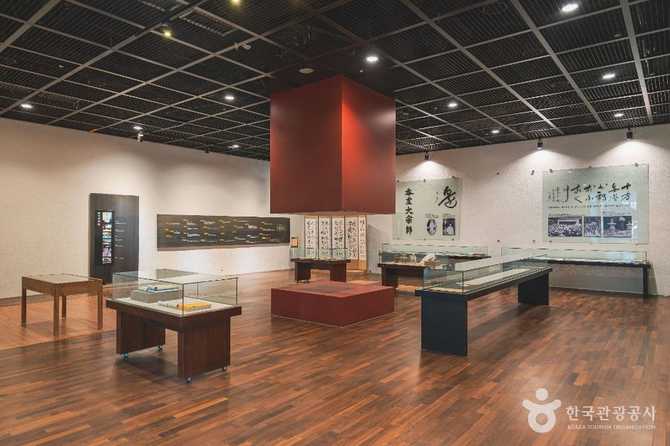
The museum features relics of the Great Monk Tanheo, including personal artifacts and manuscripts, as well as rare Buddhist scriptures like the Diamond Prajnaparamita Sutra. It also hosts art exhibitions and cultural programs related to Korean spiritual traditions.
Q3: What are the operating hours and closed days of the museum?
The museum operates daily from 10:00 AM to 5:00 PM, except on Mondays, public holidays, and during the Lunar New Year and Chuseok holidays. It is closed during these days and may have special hours during major holidays.

Q4: Is there an admission fee to visit the museum?
No, the Tanheo Memorial Buddhist Museum offers free admission and free parking for all visitors, making it accessible for everyone interested in Korea’s spiritual heritage.
Q5: How can I get to the museum and what is its location?

The museum is located at 13-51, Bamgogae-ro 14-gil, Jakok-dong, Seoul. It is accessible via subway (Line 3 to Apgujeong Station) and local buses, with free parking available on-site.
Q6: What should I keep in mind before visiting?
Visitors should check the museum’s operating hours and holiday schedule beforehand. Arrive early, wear comfortable shoes, and confirm any special events or closures to ensure a smooth visit.
Final Thoughts on Visiting the Tanheo Memorial Buddhist Museum
Visiting the Tanheo Memorial Buddhist Museum offers a unique opportunity to deepen your understanding of Korea’s rich spiritual and cultural heritage. As a prominent center for exploring Buddhist, Zen, and Confucian philosophies, this museum provides an enriching experience through its extensive collection of relics, sacred texts, and engaging cultural programs. Whether you are a devout practitioner, a history enthusiast, or simply curious about Korea’s religious traditions, the museum’s exhibits and activities are designed to inspire and educate.
Remember, the museum’s free admission and ample parking make it accessible for all visitors. To make the most of your visit, plan ahead by checking the operating hours and holiday schedule, especially during major Korean holidays or special events, as these may affect opening times. The tranquil atmosphere and thoughtfully curated displays create an ideal environment for reflection, learning, and cultural appreciation. By exploring the relics of the Great Monk Tanheo and immersing yourself in the diverse spiritual and artistic exhibits, you will gain valuable insights into Korea’s religious history and cultural identity.
Overall, the Tanheo Memorial Buddhist Museum stands out as a meaningful destination for anyone interested in Korean spiritual traditions and cultural heritage. Its role as a regional hub for education and cultural exchange ensures that every visitor leaves with a deeper appreciation and understanding of Korea’s profound religious legacy. Make sure to visit with ample time, respect the guidelines, and take full advantage of the free resources and programs offered. Your visit to this remarkable museum will surely be a memorable and enlightening experience, enriching your knowledge of Korea’s spiritual and cultural landscape.