
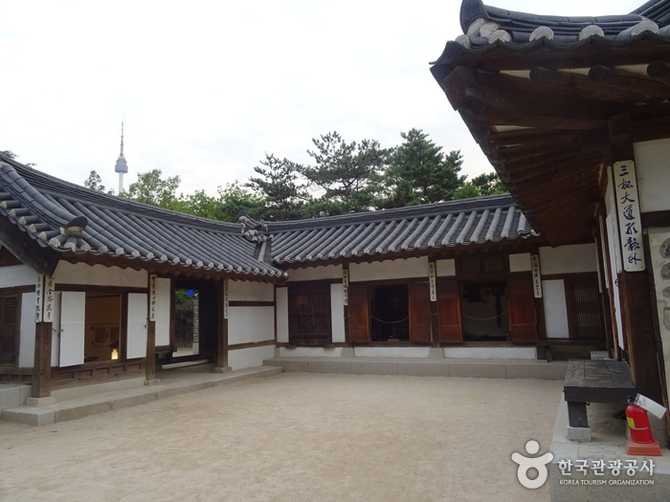
Explore the Historic Samcheong-dong Owi Jang Kim Chun Young Hanok in Seoul
Discover the beauty and cultural significance of traditional Korean architecture at the Samcheong-dong Owi Jang Kim Chun Young Hanok, a treasured cultural heritage site in Seoul’s historic district.
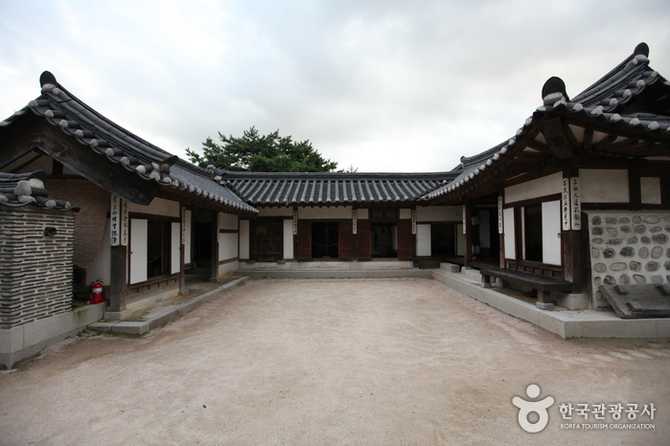
At a glance
- Who this is for
-
- Travelers interested in Korea’s traditional architecture and history
- Students and researchers studying Korean cultural heritage
- Tourists seeking authentic Hanok experiences and photography opportunities
- Cultural enthusiasts wanting to explore Joseon Dynasty homes
- Key takeaways
-
- Built in the 1890s, representing Joseon-era Seoul housing styles
- Relocated to Namsan Hanok Village in 1996 for preservation
- Traditional Hanok structure with 안채 (main house), 사랑채 (side house), and 대문채 (main gate)
- Designated as Seoul Folk Cultural Heritage, free to visit
- Accessible via public transportation, no parking available
- Tips & cautions
-
- Check visiting hours and availability by phone before your visit
- Respect cultural etiquette during your visit
- Use public transport as parking is unavailable
- Photography allowed but personal use only
- Bottom line
- Visiting the Samcheong-dong Owi Jang Kim Chun Young Hanok offers a unique glimpse into Korea’s traditional architecture and history, making it a must-see cultural heritage site in Seoul.
Embark on a journey into Korea’s rich past by exploring the Samcheong-dong Owi Jang Kim Chun Young Hanok, a beautifully preserved example of late Joseon Dynasty residential architecture. Located in the heart of Seoul’s historic district, this Hanok provides visitors with an authentic experience of traditional Korean living and construction styles. Built in the 1890s, the house reflects the architectural principles of the period, including the distinctive layout of 안채 (main house), 사랑채 (side house), and the ornate 대문채 (main gate). Its relocation in 1996 to the Namsan Hanok Village was part of a broader effort to preserve Korea’s cultural heritage, ensuring that future generations can appreciate its historical and architectural significance.

Whether you are a history enthusiast, a student of Korean culture, or simply a traveler seeking unique photo opportunities, the Samcheong-dong Owi Jang Kim Chun Young Hanok offers a meaningful glimpse into the past. The site is recognized as a Seoul Folk Cultural Heritage, and free guided visits are available, making it accessible for all interested visitors. Keep in mind that there is no parking on-site, so plan your transportation accordingly, and always verify opening hours before your visit. Experience the charm of traditional Korean architecture and learn about the lifestyle of the Joseon era at this invaluable cultural site in Seoul.

Overview and Historical Background of Samcheong-dong Owi Jang Kim Chun Young Hanok
The Samcheong-dong Owi Jang Kim Chun Young Hanok is a significant cultural heritage site located in the heart of Seoul’s historic district. Built in the 1890s during the Joseon Dynasty, this traditional Korean house exemplifies the architectural style and residential layout characteristic of that era. Originally constructed as the residence of Kim Chun Young, who served as an officer in the royal court, the house reflects the social status and lifestyle of the period’s upper class.
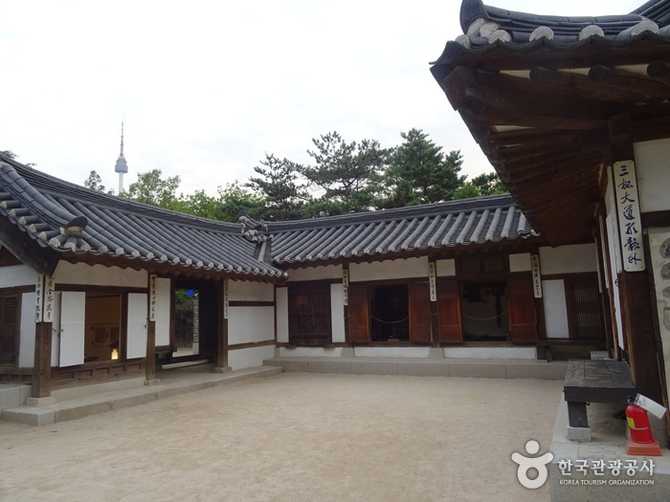
The house’s architecture is a beautiful representation of traditional Hanok design, with features such as wooden beams, tiled roofs, and a harmonious layout that emphasizes harmony with nature. Its structure comprises main components like the 안채 (main house), 사랑채 (side house), and 대문채 (main gate), each serving specific social and functional purposes. The house’s design not only showcases aesthetic beauty but also embodies practical aspects of traditional Korean living, such as privacy, family hierarchy, and social interaction.

In 1996, the house was relocated to the Namsan Hanok Village as part of a broader effort to preserve Korea’s cultural heritage amidst urban development. Despite the move, the house has been meticulously preserved to maintain its original form and architectural integrity. Today, it serves as an educational site and a window into Korea’s past, allowing visitors to experience the beauty and cultural significance of traditional Hanok architecture. Recognized as a Seoul Folk Cultural Heritage, the house is open to the public free of charge, offering an authentic glimpse into the lifestyle of the late Joseon period and the architectural ingenuity of Korean craftsmen.

Comparison of Traditional Hanok Structure and Features
| Component | Description | Remarks |
|---|---|---|
| 안채 (Main House) | The central living area for the family, typically with a two-room layout, used for daily activities and family gatherings. | Designed to provide privacy and comfort for the head of the household. |
| 사랑채 (Side House) | A secondary building used for hosting guests, family meetings, or accommodating visitors. | Often more open and accessible, reflecting its social function. |
| 대문채 (Main Gate) | The entrance structure, often a two-story gate with a courtyard, serving as a boundary and security feature. | Typically decorated with traditional motifs and woodwork, symbolizing status. |
| Layout | The traditional layout follows a ㄱ-shaped or ㄷ-shaped plan, with harmony between indoor and outdoor spaces. | Designed to maximize natural ventilation and lighting. |
| Materials | Primarily wood, clay tiles, and paper for doors and windows, emphasizing natural materials. | Materials chosen for insulation and aesthetic harmony. |
Relocation and Visiting Guidelines for Samcheong-dong Owi Jang Kim Chun Young Hanok
- Original Location: The house was originally situated in the Samcheong-dong area of Seoul in the 1890s.
- Relocation Process: In 1996, the house was carefully moved to the Namsan Hanok Village as part of a preservation project. The move involved dismantling the structure with minimal damage, then reassembling it at its new site while maintaining its original form.
- Current Location: The house is now located at 28 Toegye-ro 34-gil, Jung-gu, Seoul, within the Namsan Hanok Village, a designated cultural heritage site.
- Important Tips:
Tip: Always check the latest visiting hours and availability by calling before your visit. The site is free to enter, but guided tours or special programs may require prior booking.
- Accessibility: The house is accessible via public transportation; however, there is no parking on-site, so plan to use buses or subways.
- Visitor Etiquette: Respect the preservation efforts by refraining from touching or damaging the structure. Photography is allowed for personal use, but avoid flash photography to protect the artifacts.
Visiting Information and Access to Samcheong-dong Owi Jang Kim Chun Young Hanok
- Location: 28 Toegye-ro 34-gil, Jung-gu, Seoul, within Namsan Hanok Village.
- Contact Information: Phone: 02-2261-0571 | Website: https://www.heritage.go.kr/heri/
- Operating Hours: Details vary; it is recommended to call ahead to confirm visiting hours.
- Admission Fee: Free of charge.
- Transportation:
- Public transit is highly recommended as there is no parking available on-site.
- Accessible via Seoul subway and bus services to Namsan Hanok Village area.
- Visiting Tips:
- Check the latest opening hours and availability by phone before visiting.
- Respect the preservation efforts: avoid touching or damaging the structure.
- Photography is permitted for personal use; avoid flash photography to protect artifacts.
At a glance
- How to access the site
-
- Use public transportation—buses and subways—to reach Namsan Hanok Village.
- No parking facilities are available; plan to arrive via public transit.
- Best time to visit
-
- Spring and autumn offer pleasant weather and scenic views.
- Weekdays are less crowded; weekends can be busier.
- Check weather conditions and opening hours before planning your visit.
- Visitor guidelines
-
- Maintain respectful behavior to help preserve the site.
- Refrain from touching or climbing the structures.
- Use designated paths and avoid obstructing the view of other visitors.
Cultural Significance and Preservation of Samcheong-dong Owi Jang Kim Chun Young Hanok
- Historical Importance: Recognized as a valuable cultural asset representing late Joseon Dynasty residential architecture.
- Preservation Efforts: Since its designation as a Seoul Folk Cultural Heritage in 1977, ongoing conservation activities include structural maintenance, environmental management, and careful restoration to retain its original form.
- Educational Role: The site serves as a living museum, offering educational programs and cultural activities to promote understanding of traditional Korean architecture and lifestyle.
- Community Engagement: Local authorities and cultural organizations actively involve the community in preservation projects and cultural events.
- Sustainable Conservation: Regular inspections and expert interventions ensure the longevity of the Hanok, balancing historical authenticity with modern preservation standards.
Whether you visit during the day or evening, Explore the Historic Samcheong is a meaningful stop on any Seoul itinerary for history-minded travelers.
Frequently Asked Questions (FAQ)
Q1: When was the Samcheong-dong Owi Jang Kim Chun Young Hanok built?
The house was constructed in the 1890s during the Joseon Dynasty, reflecting traditional Korean residential architecture of that period.

Q2: What are the main architectural features of this Hanok?
The Hanok features a main house (안채), side house (사랑채), and a main gate (대문채), all built in the traditional ㄱ- and ㄷ-shaped layouts typical of Joseon-era homes.

Q3: How was the house relocated to its current site?
In 1996, the house was carefully dismantled and moved from its original location in Samcheong-dong to Namsan Hanok Village, preserving its structure and design during the process.

Q4: Is there an entrance fee to visit the Hanok?
No, admission to the Samcheong-dong Owi Jang Kim Chun Young Hanok is free of charge, and it is open to the public as a cultural heritage site.

Q5: How can I get to the Hanok without parking facilities?
The site is accessible via public transportation, such as buses and the Seoul subway, as there is no parking available on-site. Visitors are encouraged to use public transit for convenience.

Q6: Why is this Hanok considered culturally significant?
This Hanok is a representative example of Joseon Dynasty residential architecture and has been designated as a Seoul Folk Cultural Heritage, illustrating traditional Korean lifestyle and craftsmanship.
Discover the Cultural Significance of Samcheong-dong Owi Jang Kim Chun Young Hanok
Visiting the Samcheong-dong Owi Jang Kim Chun Young Hanok offers a rare opportunity to immerse yourself in Korea’s rich cultural heritage and experience traditional architecture firsthand. This historic house, built in the 1890s during the Joseon Dynasty, stands as a testament to Korea’s architectural ingenuity and social history. Its relocation to Namsan Hanok Village in 1996 was a significant effort to preserve this invaluable cultural asset amidst Seoul’s urban development. As you explore the house’s beautifully preserved structure, you gain insights into the lifestyle, social hierarchy, and craftsmanship of the late Joseon period.
Whether you are a history enthusiast, a student, or a traveler seeking authentic Korean experiences, this Hanok provides a meaningful connection to Korea’s past. Its designation as a Seoul Folk Cultural Heritage underscores its importance, and free access makes it an accessible destination for all visitors. Respectful behavior during your visit ensures the preservation of this cultural treasure for future generations. Remember to check operational hours and transportation options beforehand, as parking is unavailable. By exploring the Samcheong-dong Owi Jang Kim Chun Young Hanok, you will deepen your understanding of Korea’s traditional architecture and cultural history, making your trip to Seoul truly memorable.