
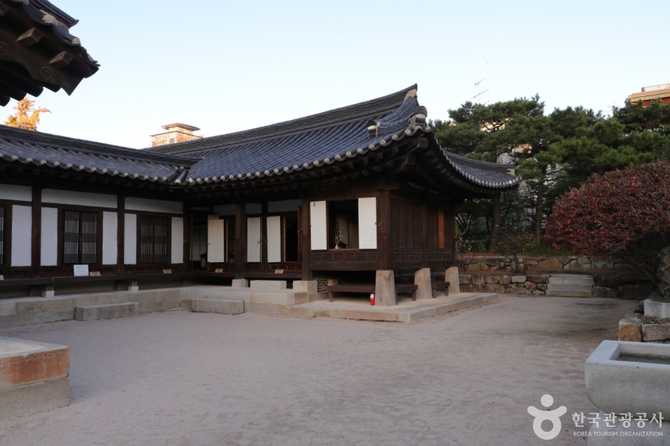
Explore the Historic Haepung Buwon-gun Yoon Taek-Young Jae-sil in Seoul
Discover the rich history and traditional architecture of Haepung Buwon-gun Yoon Taek-Young Jae-sil, a valuable cultural heritage site in Seoul that offers a glimpse into Korea’s royal past and architectural beauty.
Are you interested in exploring Korea’s traditional hanok structures and understanding their historical significance? This guide provides detailed insights into the history, architectural features, and visiting tips for Haepung Buwon-gun Yoon Taek-Young Jae-sil, a must-visit site for history enthusiasts, architecture lovers, and cultural explorers.
At a glance
- Who this is for
-
- Visitors interested in traditional Korean architecture and cultural heritage
- Travelers planning historical site explorations in Seoul
- Researchers focused on cultural preservation and restoration
- Key takeaways
-
- Built in 1906 during the reign of Emperor Sunjong
- Utilizes reclaimed wood from Gyeongung Palace, mainly Hong Song timber
- Features a unique rectangular, ‘ㅡ’-shaped layout with traditional hanok design
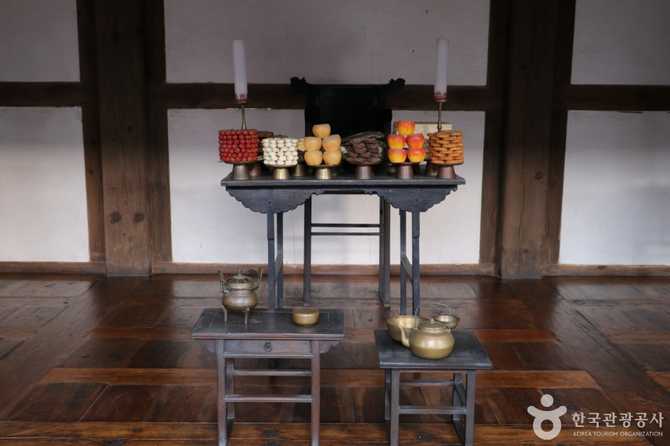
- Includes a restored shrine and stone-constructed flower beds
- Design showcases traditional paljak-style roof and samryang furniture
- Tips & cautions
-
- Closed every Monday; check opening hours before visiting
- No parking available; use public transportation
- No restroom facilities on-site; plan accordingly
- Respect the preservation efforts by avoiding damage or unnecessary photography
- Bottom line
- Haepung Buwon-gun Yoon Taek-Young Jae-sil offers a unique opportunity to experience Korea’s traditional architecture and royal history firsthand.
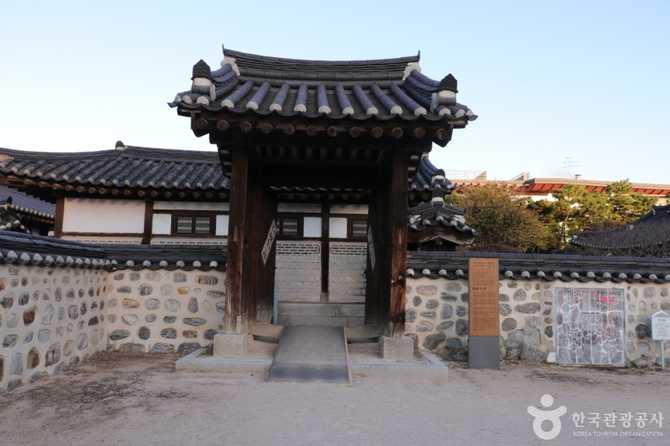
Seoul’s Haepung Buwon-gun Yoon Taek-Young Jae-sil stands as a testament to Korea’s royal heritage and traditional hanok architecture. Located in the historic district of Jeong-dong, this site was constructed in 1906 to honor the royal family member Yoon Taek-Young, the father of Queen Sunjeong. Its architectural features reflect the elegance and craftsmanship of the Joseon Dynasty, with a distinctive rectangular shape and a ‘ㅡ’-shaped layout that exemplifies traditional Korean design principles.
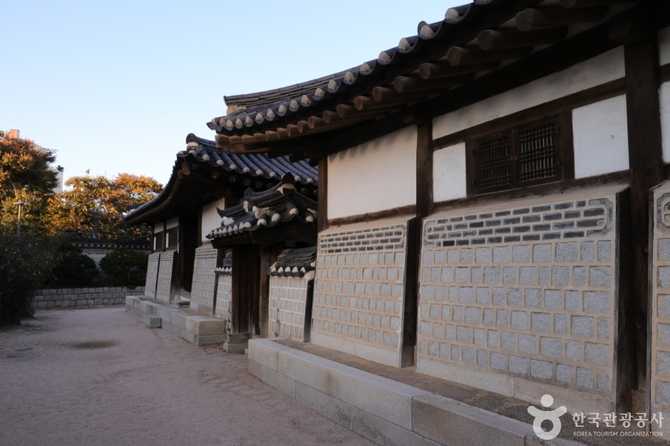
Visitors to this cultural site can explore the original structure built with reclaimed wood from Gyeongung Palace, showcasing the sustainable practices and craftsmanship of early 20th-century Korea. The building’s roof features the classic paljak style, and the interior incorporates traditional samryang furniture, offering a comprehensive view of royal residence architecture. The site also includes a restored shrine and stone flower beds, which highlight the spiritual and aesthetic values of the era.
Understanding the historical context of Haepung Buwon-gun Yoon Taek-Young Jae-sil enhances appreciation of Korea’s cultural heritage. This site not only reflects the architectural ingenuity of the period but also serves as a symbol of Korea’s royal lineage and cultural preservation efforts. Whether you are a history enthusiast, an architecture student, or a cultural traveler, visiting this site provides a meaningful connection to Korea’s past.
Historical Background of Haepung Buwon-gun Yoon Taek-Young Jae-sil
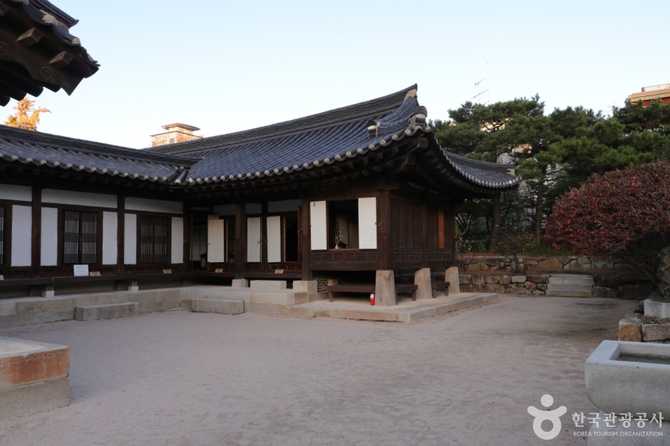
Haepung Buwon-gun Yoon Taek-Young Jae-sil is a significant cultural heritage site in Seoul that embodies Korea’s rich royal history and traditional architecture. Built in 1906, this historic residence was constructed during the late Joseon Dynasty, specifically to honor Yoon Taek-Young, a prominent royal figure and father of Queen Sunjeong. The construction of this structure coincided with the period when Korea was undergoing significant social and political changes, yet the architecture retained its traditional elegance and craftsmanship.
The site’s historical importance is closely linked to its association with the royal family and the aristocracy. Yoon Taek-Young’s daughter, Queen Sunjeong, was a beloved figure in Korea’s royal history, and the residence reflects the status and cultural values of the era. The building was originally designed to serve as a private residence that combined both functional living spaces and spiritual elements, such as a shrine dedicated to ancestral worship.
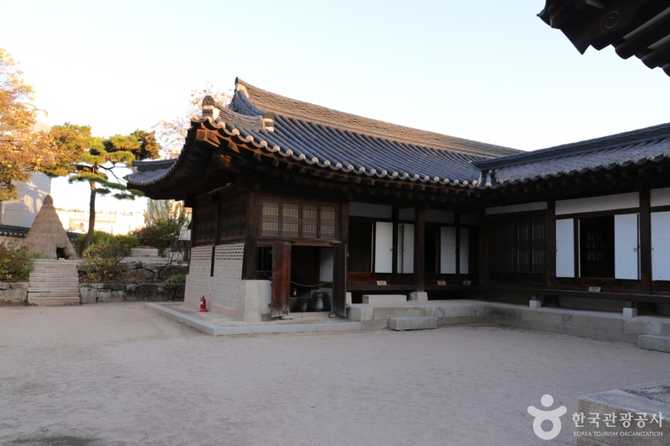
Architecturally, Haepung Buwon-gun Yoon Taek-Young Jae-sil showcases traditional Korean design principles, utilizing reclaimed wood from Gyeongung Palace, primarily made of Hong Song timber, which was prized for its durability. Its rectangular, ‘ㅡ’-shaped layout is a distinctive feature, allowing for a harmonious flow between indoor and outdoor spaces. The structure’s roof features the iconic paljak style, characterized by elegant curves and tiled surfaces, which are typical of Joseon Dynasty architecture.
Over the years, the residence faced challenges such as deterioration and damage, especially after the destruction of the shrine in 1960. However, extensive restoration efforts have been undertaken to preserve its historical integrity. In 1977, it was designated as a cultural heritage site by Seoul, recognizing its importance as a tangible link to Korea’s royal past. Today, the site serves as an educational resource and a symbol of Korea’s cultural preservation, offering visitors a glimpse into the architectural and historical richness of the early 20th century.
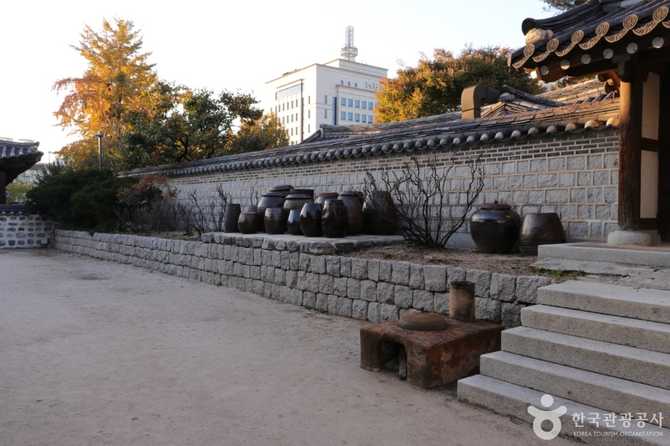
Comparison of Architectural Features of Haepung Buwon-gun Yoon Taek-Young Jae-sil
| Feature | Details | Remarks |
|---|---|---|
| Construction Material | Reclaimed wood from Gyeongung Palace, mainly Hong Song timber | Traditional and durable materials used for authenticity |
| Layout | Rectangular, ‘ㅡ’-shaped plan | Unique design facilitating harmonious space flow |
| Roof Style | Paljak style, tiled roof with elegant curves | Traditional roofing reflecting Joseon Dynasty aesthetics |
| Interior Features | Samryang furniture, traditional wooden structures | Highlights traditional Korean interior craftsmanship |
| Additional Structures | Restored shrine and stone flower beds | Enhances spiritual and aesthetic value |
Restoration and Preservation of Haepung Buwon-gun Yoon Taek-Young Jae-sil
- 1960: The shrine within the residence was destroyed due to neglect and damage over time.
- Restoration Efforts: Extensive work was carried out to restore the building’s original form, including structural reinforcement and material replacement, ensuring historical accuracy.
- 1977: The site was officially designated as a Seoul Cultural Heritage by the local government, recognizing its historical and architectural significance.
- Restoration Principles: The process prioritized preserving original materials, especially the reclaimed wood and traditional roofing, to maintain authenticity.
- Regular maintenance and conservation work are ongoing to prevent deterioration.
- Legal protections ensure the site’s preservation for future generations.
- Restoration projects follow strict guidelines to retain the building’s original design and materials.
- Public awareness and educational programs support ongoing preservation efforts.
Visiting Information and Tips for Haepung Buwon-gun Yoon Taek-Young Jae-sil
| Item | Details |
|---|---|
| Location | 서울특별시 중구 퇴계로34길 28, 남산골한옥마을 내 |
| Contact Number | 02-6358-5533 |
| Opening Hours | 하절기: 09:00~21:00 / 동절기: 09:00~20:00 |
| Closed on | 매주 월요일 |
| Parking | 주차 공간 없음, 대중교통 이용 권장 |
| Facilities | 화장실 없음, 방문 전 참고 필요 |
Tips for visiting Haepung Buwon-gun Yoon Taek-Young Jae-sil:
- Check the official website or contact the visitor center to confirm operating hours and holidays before your visit.
- Use public transportation such as buses or subway lines to reach the site, as parking is unavailable.
- Prepare in advance since there are no restroom facilities on-site.
- Focus on observing and appreciating the restored architecture and original structure.
- Respect the preservation efforts by avoiding damage or disruptive behavior during your visit.
Significance and Cultural Value of Haepung Buwon-gun Yoon Taek-Young Jae-sil
Visitor Checklist for Haepung Buwon-gun Yoon Taek-Young Jae-sil
- Verify operating hours and holidays: Always confirm before your visit to avoid inconvenience.
- Plan your transportation: Use public transit options, as parking is not available.
- Prepare for facilities: Bring your own supplies as there are no restrooms on-site.
- Respect the site: Do not damage or alter the structure; follow preservation guidelines.
- Engage with the history: Take time to appreciate the architectural beauty and historical context.
- Follow cultural etiquette: Be mindful of the cultural significance and maintain respectful behavior.
Whether you visit during the day or evening, Explore the Historic Haepung Buwon is a meaningful stop on any Seoul itinerary for history-minded travelers.
Frequently Asked Questions (FAQ)
Q1: When was the Haepung Buwon-gun Yoon Taek-Young Jae-sil built?
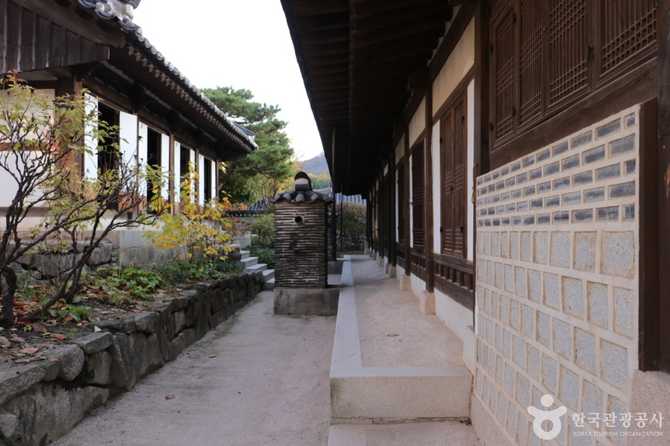
An: This historic residence was constructed in 1906 during the reign of Emperor Sunjong to honor Yoon Taek-Young, a royal figure and father of Queen Sunjeong.
Q2: What are the main architectural features of Haepung Buwon-gun Yoon Taek-Young Jae-sil?
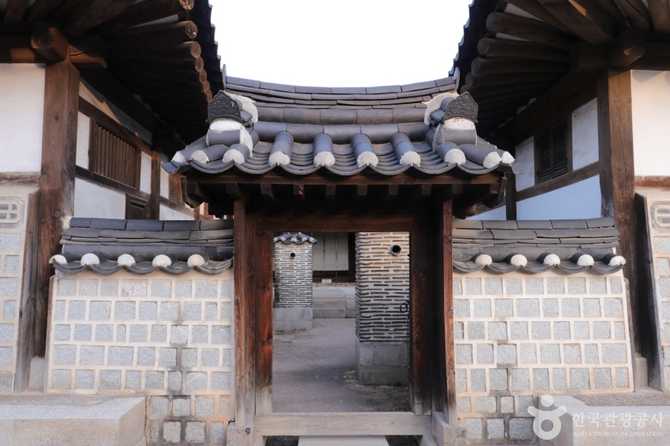
An: The building features traditional Korean architecture with a rectangular, ‘ㅡ’-shaped layout, a paljak-style tiled roof, reclaimed wood from Gyeongung Palace, and interior elements like samryang furniture.
Q3: How has the residence been preserved or restored over the years?
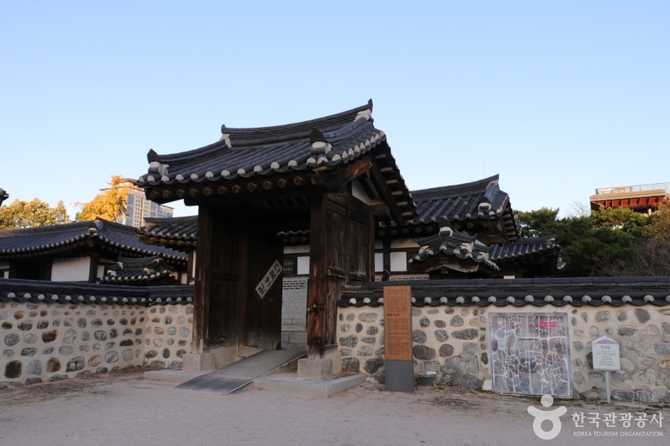
An: Restoration began after the shrine’s destruction in 1960, with efforts to maintain the original structure and materials. It was designated as a cultural heritage site in 1977, ensuring ongoing preservation.
Q4: What are the visiting hours and days for Haepung Buwon-gun Yoon Taek-Young Jae-sil?
An: The site is open from 09:00 to 21:00 in summer and 09:00 to 20:00 in winter, closed every Monday. It is recommended to check the official website before visiting.
Q5: Is there parking available at the site?
An: No, there is no parking space on-site. Visitors are advised to use public transportation such as buses or the subway to reach the location.
Q6: What should visitors keep in mind when visiting Haepung Buwon-gun Yoon Taek-Young Jae-sil?
An: Visitors should confirm opening hours beforehand, avoid damaging the structures, and remember that there are no restroom facilities on-site. Respect for preservation efforts is highly recommended.
Conclusion: Experience Korea’s Traditional Heritage at Haepung Buwon-gun Yoon Taek-Young Jae-sil
Visiting Haepung Buwon-gun Yoon Taek-Young Jae-sil offers a rare opportunity to immerse yourself in Korea’s rich royal history and traditional architecture. This historic site, built in 1906 during a pivotal period in Korea’s past, beautifully exemplifies the craftsmanship and design principles of the Joseon Dynasty. Its unique rectangular, ‘ㅡ’-shaped layout, crafted with reclaimed wood from Gyeongung Palace and adorned with the iconic paljak-style tiled roof, provides a glimpse into Korea’s architectural elegance and cultural values.
As a well-preserved cultural heritage site, this reassembled residence not only highlights the traditional construction techniques but also symbolizes Korea’s efforts in cultural preservation. Whether you are an architecture enthusiast, history buff, or simply a curious traveler, experiencing the authenticity and serenity of this site will deepen your appreciation for Korea’s cultural legacy. Remember to check the visiting hours and plan your trip accordingly, as the site is closed every Monday and has no parking facilities. Arriving by public transportation is highly recommended to ensure a smooth and respectful visit.
Ultimately, Haepung Buwon-gun Yoon Taek-Young Jae-sil stands as a testament to Korea’s dedication to conserving its royal and architectural heritage. Visiting this site not only enriches your understanding of Korea’s historical landscape but also provides a meaningful connection to its cultural roots. Be sure to follow the guidelines for respectful visitation, and enjoy the opportunity to step back in time through Korea’s traditional hanok architecture and storied past.