
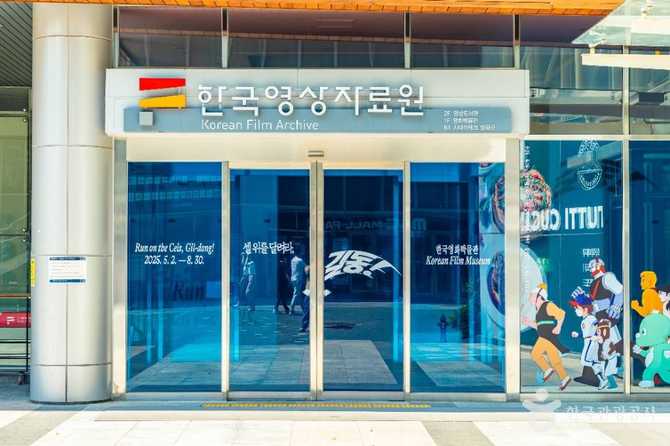
출처 : ⓒ한국관광콘텐츠랩 또는 ⓒ한국관광공사
Explore Korea’s Film and Video Archive: Korean Film Museum & Resources
Location 서울특별시 마포구 월드컵북로 400 (상암동)
Location 서울특별시 마포구 월드컵북로 400 (상암동)
Are you passionate about Korean cinema and video culture? Discover the Korea Film Archive, a premier destination for film enthusiasts, researchers, and families seeking to explore Korea’s rich audiovisual heritage. Located in Seoul, this cultural hub offers access to extensive film collections, immersive exhibitions, and online resources that bring Korea’s cinematic history to life. Whether you’re interested in classic Korean movies, contemporary films, or educational programs, the Korea Film Archive provides a comprehensive experience for all visitors.

As a key institution dedicated to the preservation and promotion of Korea’s film and video heritage, the Korea Film Archive (KOFA) serves as a bridge between Korea’s cinematic past and present. Situated in the vibrant DMC district of Seoul, it houses one of the largest film collections in the country, including rare classics, independent films, and modern masterpieces. Visitors can enjoy film screenings, explore interactive exhibits, and access digital archives that support research and education. The facility also offers online streaming services, making Korea’s film treasures accessible worldwide.

Planning your visit? This guide provides detailed information on opening hours, holiday closures, parking tips, and how to make the most of your experience at Korea’s leading film and video resource center. Whether you’re a film scholar, a family looking for cultural activities, or a tourist interested in Korean entertainment, the Korea Film Archive offers a meaningful cultural journey. Dive into Korea’s cinematic history, explore innovative digital content, and enjoy a variety of programs designed to celebrate Korea’s vibrant film culture.
At a glance
- Who this is for
-
- Film enthusiasts interested in Korean cinema
- Researchers and students studying film and media
- Families seeking cultural and educational experiences
- Tourists exploring Korea’s cultural heritage
- Key takeaways
-
- Established in 1974, located in Seoul’s DMC district
- Houses Korea’s largest film archive and offers film screenings
- Operates a Korean Film Museum and digital content platform
- Open year-round except Sundays and Mondays
- Provides online access to classic and contemporary Korean films
- Tips & cautions
-
- Check operating hours and holiday closures in advance
- Parking may be limited; use public transportation when possible
- Bring necessary identification for research or participation
- Follow facility rules to preserve exhibits and recordings
- Bottom line
- Korea Film Archive is a vital cultural institution that preserves Korea’s cinematic legacy and offers engaging experiences for all visitors.
Korea Film Archive Overview & Location
The Korea Film Archive, also known as KOFA, is a cornerstone of Korea’s audiovisual cultural heritage. Established in 1974, this institution is dedicated to the collection, preservation, and dissemination of Korea’s film and video materials. Located in Seoul’s vibrant DMC district in Sangam-dong, the Korea Film Archive serves as a vital hub for film enthusiasts, researchers, students, and families interested in Korea’s cinematic history. Its primary mission is to safeguard Korea’s rich film heritage, making it accessible for public viewing, research, and educational purposes.
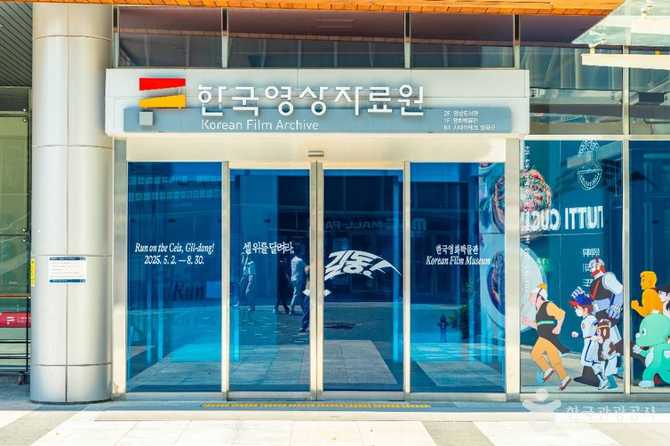
The Korea Film Archive’s main facility is situated at 서울특별시 마포구 월드컵북로 400, within the Seoul Digital Media City (DMC). The location is easily accessible via public transportation, with nearby subway stations and bus stops. The institution’s strategic placement within the DMC district allows visitors to enjoy a modern, technology-rich environment that complements its focus on digital archives and online content.
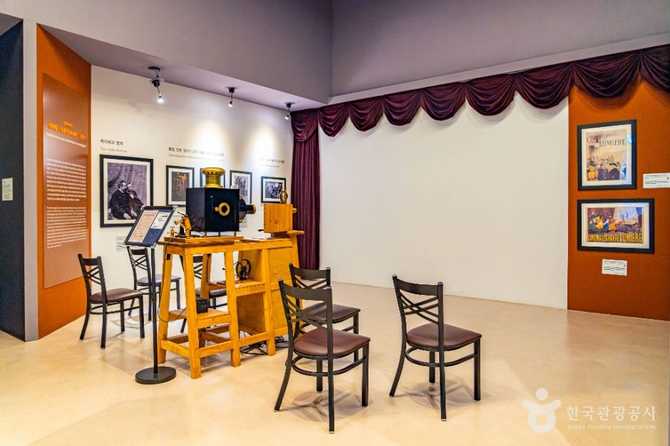
Since its inception, the Korea Film Archive has grown into Korea’s largest film and video resource center. It houses an extensive collection of films, photographs, posters, and related audiovisual materials, spanning from classic Korean movies to contemporary productions. The archive not only preserves these materials but also offers a variety of public programs, including film screenings, exhibitions, and educational workshops. Its online platform further extends access to Korea’s film treasures, allowing global audiences to explore Korea’s cinematic history from anywhere in the world.
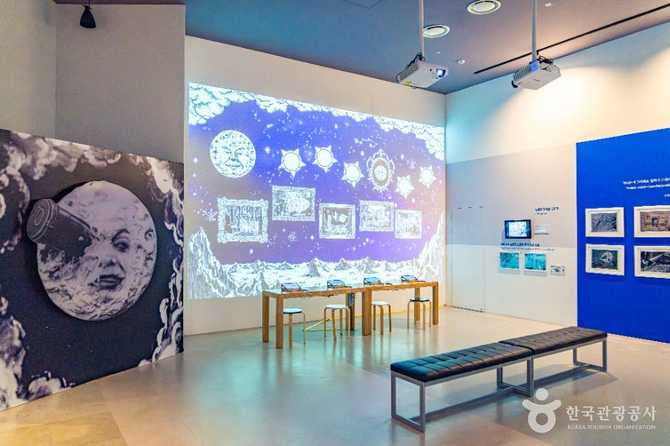
Whether you are a researcher seeking rare footage, a film lover wanting to watch Korean classics, or a family interested in cultural activities, the Korea Film Archive provides a welcoming environment for all. Its facilities include a cinema, a film museum, and a digital library, making it a comprehensive hub for Korea’s film and video culture. Planning your visit? Be sure to check the opening hours, holiday closures, and transportation options to make the most of your experience at this important cultural institution.
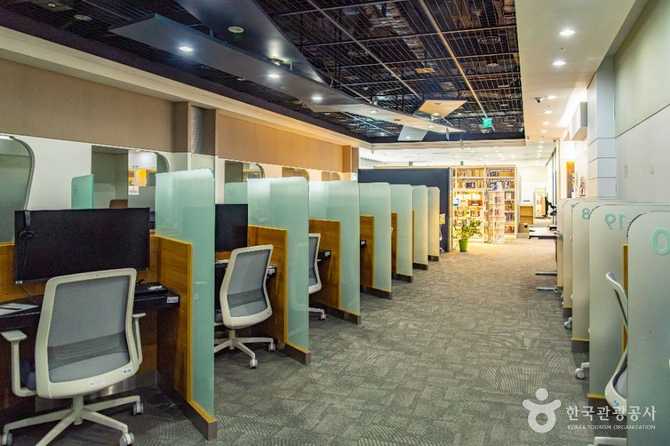
Main Facilities & Services Comparison
| Facility/Service | Main Features | Location & Access |
|---|---|---|
| Korea Film Archive Main Building | Film collection storage, public viewing, research support, digital archives, online content | Seoul DMC, Seoul, accessible via public transport |
| Korean Film Museum | Exhibits on Korean film history, interactive displays, film memorabilia | Within the main building, easy access for visitors |
| Film Screening Theater | Regular screenings of Korean classics and contemporary films, special events | Part of the main complex, open to the public during events |
| Online Platform & Digital Archives | Access to Korean classic films, research materials, virtual exhibitions, VOD services | Accessible worldwide via official website |
Visiting Checklist & Tips
- Check operating hours: The main building is open from 10:00 AM to 7:00 PM on weekdays, with the Korean Film Museum opening at 10:30 AM. Always verify hours before your visit, especially during holidays.
- Plan for holidays: The Korea Film Archive is closed every Sunday and Monday, as well as during major Korean holidays like Lunar New Year and Chuseok. Be sure to review the holiday schedule in advance.
- Transportation tips: Public transportation is recommended due to limited parking. The nearest subway station is Sangam Station (Line 6), which is within walking distance.
- Prepare necessary documents: Bring your ID, student card, or research credentials if you plan to access special collections or participate in workshops.
- Visit during special events: The archive hosts film screenings, exhibitions, and educational programs. Check the official website for event schedules.
Online Content & Digital Archives Access
The Korea Film Archive offers a wide range of online resources that allow global audiences to explore Korea’s cinematic heritage from anywhere. These digital services include streaming classic Korean films, accessing research materials, and participating in virtual exhibitions. Here are the main online content platforms and how to utilize them:
- Korea Classic Film VOD Service: This platform provides access to a curated selection of Korean classic movies and renowned masterpieces. Users can stream films online after registering on the website. Some content is available for free, while other titles may require a fee.
- Research & Digital Archive System: The archive’s online portal allows users to search for and view detailed records of films, posters, photographs, and related materials. Filters include film titles, directors, release years, and genres, making research efficient and accessible.
- Virtual Exhibitions & Special Collections: The Korea Film Archive regularly hosts online exhibitions that showcase thematic collections, rare footage, and educational content. These exhibitions are accessible via the official website and are designed to deepen understanding of Korea’s film history.
- Online Events & Webinars: The archive organizes webinars, film discussions, and educational programs that can be attended virtually. These events are announced on their digital platforms, offering opportunities for interactive learning and engagement.
To access these online services, visitors are encouraged to create an account on the Korea Film Archive’s official website. Once registered, users can enjoy seamless browsing, streaming, and research experience, making Korea’s film and video treasures available worldwide without physical visit constraints.

Visitor Guidelines & Checklist for Korea Film Archive
- Verify operating hours: The main facility operates from 10:00 AM to 7:00 PM on weekdays, with the Korean Film Museum opening at 10:30 AM. Confirm hours before your visit, especially during holidays or special events.
- Check holiday closures: The Korea Film Archive is closed every Sunday and Monday, as well as on major Korean holidays such as Lunar New Year, Chuseok, New Year’s Day, and national commemorative days. Review the schedule on their official website.
- Transportation recommendations: Due to limited parking, using public transportation is highly recommended. The nearest subway station is Sangam Station (Line 6), which is within walking distance.
- Bring necessary identification: For accessing special collections or participating in workshops, carry your ID, student card, or research credentials.
- Participate in events: The archive hosts screenings, exhibitions, and educational programs. Check the schedule online and plan accordingly to maximize your experience.
- Prepare for your visit: Wear comfortable clothing, and if you plan to browse or participate in hands-on activities, bring your own writing tools or research materials if needed.
- Follow facility rules: To preserve exhibits and recordings, adhere to guidelines on photography, recording, and behavior within the premises. Unauthorized filming or audio recording is prohibited without permission.
Whether you visit during the day or evening, Explore Korea’s Film and Video is a meaningful stop on any Seoul itinerary for history-minded travelers.

Frequently Asked Questions (FAQ)
Q1: What types of film and video materials are preserved at the Korea Film Archive?
The Korea Film Archive collects and preserves a wide range of materials including films, photographs, posters, and related audiovisual content. Its collection features Korean classics, independent films, and contemporary works for research and public viewing.
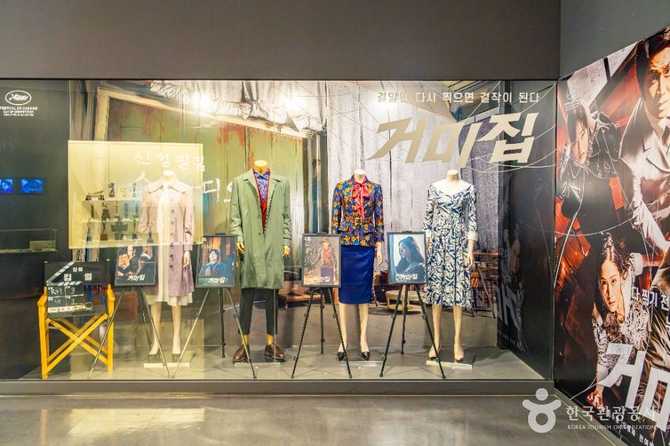
Q2: Where is the Korea Film Archive located, and how can I get there?
The Korea Film Archive is located at 400 World Cup Buk-ro, Mapo-gu, Seoul, within the Seoul Digital Media City (DMC). It is accessible via public transportation, with Sangam Station (Line 6) nearby, making travel convenient for visitors.
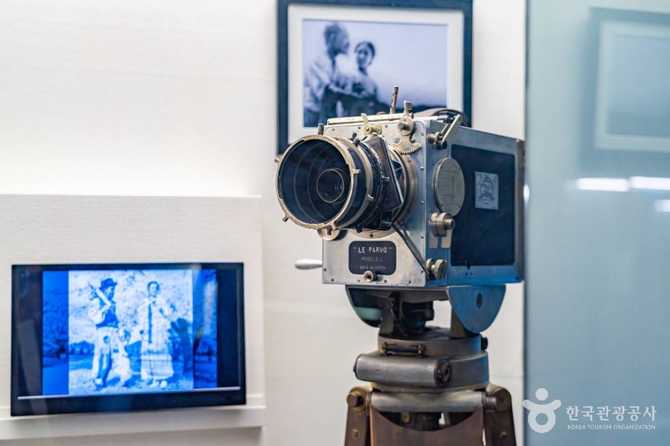
Q3: What facilities and services does the Korea Film Archive offer to visitors?
The archive provides film screenings, a Korean Film Museum, a digital library, and online content platforms. It also offers research support, educational programs, exhibitions, and a cinema for public viewing of Korean films.
Q4: What are the operating hours and holiday closures for the Korea Film Archive?
The main building operates from 10:00 AM to 7:00 PM on weekdays, with the Korean Film Museum opening at 10:30 AM. It is closed every Sunday and Monday, as well as during major Korean holidays like Lunar New Year and Chuseok.
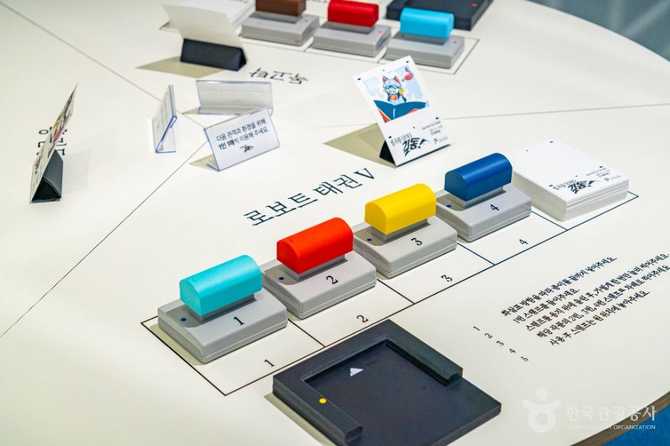
Q5: Can I access Korean classic films online through the Korea Film Archive?
Yes, the archive offers online streaming services such as the Korea Classic Film VOD platform, where registered users can watch selected Korean films. Some content is free, while others may require a fee for access.

Q6: What should I keep in mind when planning a visit to the Korea Film Archive?
It is recommended to check operating hours and holiday closures in advance. Public transportation is preferred due to limited parking, and visitors should follow facility rules to protect exhibits and recordings. Bringing ID or research credentials may be necessary for certain activities.
Discover the Rich Cultural Heritage at Korea’s Film and Video Archive
Visiting the Korea Film Archive offers an enriching experience for anyone interested in Korean cinema and video culture. Whether you’re a researcher, a film enthusiast, or a family looking for a meaningful cultural outing, this institution provides a comprehensive platform to explore Korea’s cinematic history. From its extensive film collections and interactive exhibitions to its online archives and virtual screenings, the Korea Film Archive makes Korea’s audiovisual heritage accessible and engaging for all visitors. Planning your trip with the provided details on opening hours, holiday closures, and transportation options will ensure a smooth and enjoyable visit. Remember to check the schedule for special events or exhibitions that might enhance your experience. The facility’s combination of physical and digital offerings means you can enjoy Korea’s film treasures both on-site and online, making it a versatile destination for cultural exploration. Whether you’re delving into Korean classics or discovering contemporary works, the Korea Film Archive is a vital gateway to Korea’s vibrant film and video culture.