
Explore Gyeonghwa Yeonmijeong: A Traditional Pavilion with Rich History and Scenic Beauty
Are you looking to experience Korea’s cultural heritage while enjoying stunning natural landscapes? Gyeonghwa Yeonmijeong is a historic traditional pavilion located in Ganghwa Island, offering visitors a unique blend of history, architecture, and natural scenery. This article provides an in-depth guide to Yeonmijeong, including its history, architectural features, location, and visiting tips, helping you plan an enriching trip to this iconic site.
Whether you’re a history enthusiast, a lover of traditional Korean architecture, or simply seeking a peaceful spot immersed in nature, Gyeonghwa Yeonmijeong promises a memorable experience. Situated at the confluence of the Han and Imjin Rivers, this pavilion not only embodies Korea’s cultural legacy but also provides breathtaking views of the surrounding waterways. Its restoration history, architectural style, and significance as a cultural heritage site make it a must-visit destination on your Korea travel itinerary.
At a glance
- Who this is for
-
- Travelers interested in Korea’s cultural heritage and history
- Visitors seeking scenic natural landscapes and traditional architecture
- History researchers and preservation enthusiasts
- Key takeaways
-
- Location: 242 Wolgok-ri, Ganghwa-eup, Incheon
- Built: Exact date unknown, restored multiple times
- Architectural style: Hanok-style with paljak roof and stone pillars
- Open: Year-round, open daily, free admission
- Special features: Located at the junction of Han and Imjin Rivers, harmonizes with natural scenery
- Tips & cautions
-
- Restored site may differ from original structure
- Keep pets on a leash and clean up after them
- Parking available but may be crowded on weekends or holidays
- Check weather and traffic conditions before visiting
- Bottom line
- Gyeonghwa Yeonmijeong offers an authentic experience of Korea’s natural beauty and cultural history, making it a must-visit destination on Ganghwa Island.
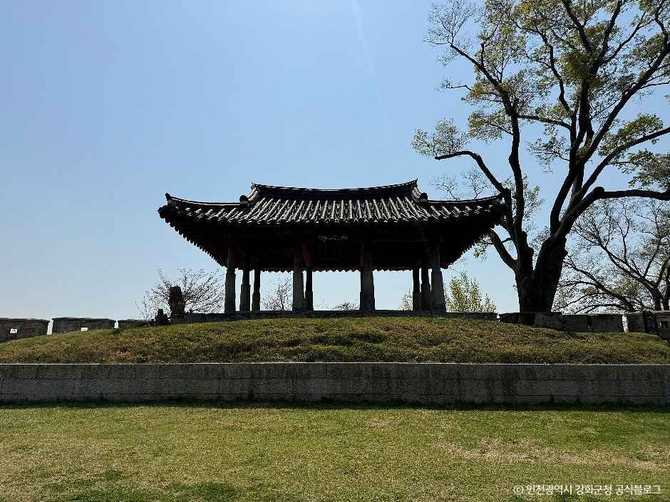
Welcome to Gyeonghwa Yeonmijeong, a traditional Korean pavilion that beautifully combines natural scenery with historical significance. Located on Ganghwa Island, this site has been cherished for centuries as a place for scholarly pursuits, enjoying scenic views, and cultural reflection. Its architecture reflects traditional Hanok design, featuring paljak-style roofs and stone pillars that harmonize with the surrounding environment.
As a cultural heritage site, Yeonmijeong has undergone multiple restorations after suffering damages from historical conflicts and natural disasters. Today, it stands as a symbol of Korea’s rich history and dedication to preserving its cultural landmarks. Visitors can explore the restored structure, enjoy panoramic views of the rivers, and immerse themselves in Korea’s traditional aesthetic and historical ambiance.
Overview of Yeonmijeong: A Historic Pavilion with Natural Beauty
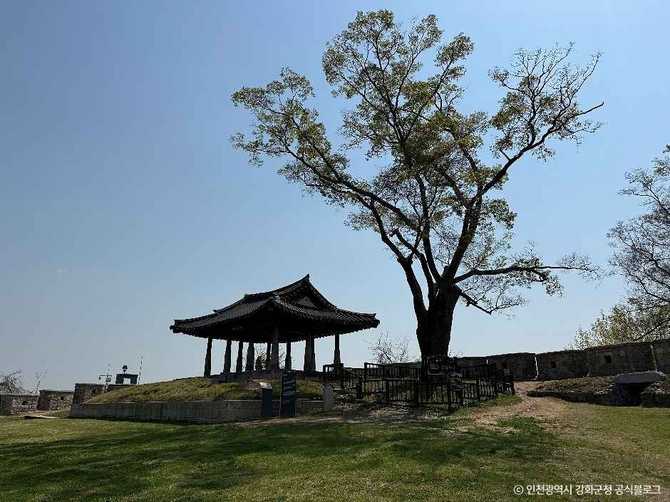
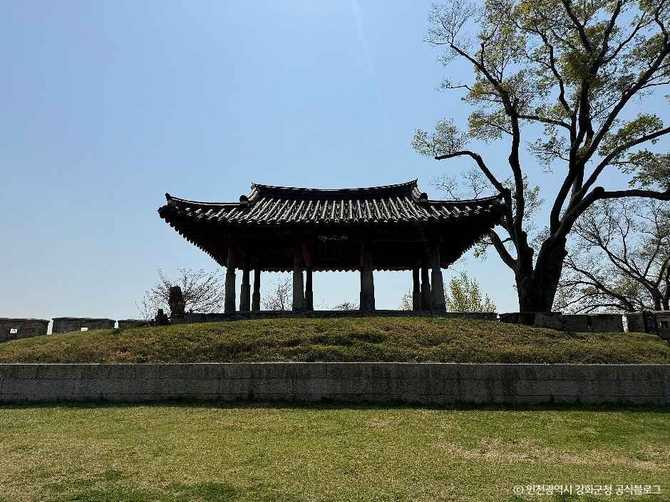
Yeonmijeong is a renowned traditional Korean pavilion located on Ganghwa Island, celebrated for its harmonious blend of natural scenery and historical significance. As one of the most iconic cultural heritage sites in the region, Yeonmijeong embodies Korea’s rich architectural tradition and scenic landscape, making it a must-visit destination for travelers interested in Korea’s cultural and natural treasures. Situated at the confluence of the Han and Imjin Rivers, this historic pavilion offers visitors a unique opportunity to experience Korea’s historical architecture amidst stunning natural surroundings.
The pavilion’s origins trace back several centuries, although the exact construction date remains unknown. It has undergone multiple restorations over the years due to damages caused by wars, natural disasters, and aging. Despite these restorations, Yeonmijeong retains its traditional architectural style, characterized by a paljak-style roof and stone pillars, which harmonize beautifully with the surrounding environment. Visitors can enjoy panoramic views of the rivers, lush greenery, and the tranquil setting that has inspired scholars, poets, and visitors for generations.

This site is not only a symbol of Korea’s cultural heritage but also a place for scholarly reflection, relaxation, and appreciation of natural beauty. Its strategic location at the river junction provides a picturesque backdrop, especially during seasonal changes when the landscape transforms with spring blooms, vibrant autumn foliage, or winter serenity. Whether you are a history enthusiast, architecture lover, or nature admirer, Yeonmijeong offers a meaningful experience that combines Korea’s historical legacy with its scenic landscapes.
Comparison of Architectural Features of Yeonmijeong
| Feature | Details | Remarks |
|---|---|---|
| Architectural Style | Paljak-style roof with layered eaves | Traditional Korean pavilion design |
| Structural Elements | Stone pillars supporting wooden beams | Ensures stability and aesthetic harmony |
| Construction Material | Wood, stone, and traditional clay tiles | Materials reflect historical Korean architecture |
| Location & Layout | At the river junction, with scenic views | Designed to maximize natural scenery |
| Restoration History | Multiple restorations after damages from wars and natural disasters | Maintains historical integrity while ensuring stability |
Overall, Yeonmijeong’s architecture exemplifies traditional Korean pavilion design, emphasizing harmony with nature and structural elegance. Its combination of layered paljak roof, stone pillars, and scenic location makes it a distinctive cultural landmark.

Visitor Checklist for Yeonmijeong
- Check the weather forecast before your visit to dress appropriately for the season.
- Arrive early in the day to avoid crowds, especially during peak seasons like spring and autumn.
- Wear comfortable footwear suitable for walking on natural terrain and uneven paths.
- Bring a camera or smartphone to capture scenic views, but be mindful to preserve the natural environment.
- Bring water and snacks if you plan to spend extended time exploring the area.
- Respect the site’s preservation rules: do not climb on the structures or disturb the natural surroundings.
- Park in designated areas; note that parking may be limited during busy times.
Visitor Information and Practical Tips for Yeonmijeong
| Aspect | Details |
|---|---|
| Address | Incheon, Ganghwa-gun, Ganghwa-eup, Wolgok-ri 242 |
| Contact | Ganghwa County Office, Cultural Heritage Department, 032-930-3893 |
| Opening Hours | Open year-round, 24 hours (no restrictions) |
| Parking | Available; may be crowded during peak times |
| Accessibility | Accessible by car; walking paths suitable for visitors |
Visitor Checklist for a Safe and Enjoyable Experience at Yeonmijeong
- Check the weather forecast before your visit and dress accordingly to ensure comfort during outdoor exploration.
- Plan your visit during early morning or late afternoon to avoid crowds and enjoy a more peaceful experience.
- Wear comfortable, sturdy footwear suitable for walking on uneven natural terrain.
- Bring a camera or smartphone to capture scenic views, but be cautious to avoid damaging the environment or structures.
- Carry water and light snacks, especially if you plan to stay for an extended period or enjoy the surrounding natural scenery.
- Respect the site’s preservation rules: do not climb on the structures, touch historical artifacts, or disturb the natural surroundings.
- Use designated parking areas; arrive early to secure a spot, especially during weekends or holiday seasons.
- Be mindful of other visitors and maintain a respectful distance when taking photographs or exploring the site.
- Prepare for seasonal changes—bring sun protection in summer or warm clothing in winter.
- Check traffic conditions and plan your route ahead of time to avoid delays, especially during peak visiting hours.
Whether you visit during the day or evening, Explore Gyeonghwa Yeonmijeong is a meaningful stop on any Seoul itinerary for history-minded travelers.

Frequently Asked Questions (FAQ)
Q1: When was Yeonmijeong originally built?
Yeonmijeong’s exact construction date is unknown, but it has undergone multiple restorations over the centuries due to damages from wars and natural disasters. It is recognized as a historical site that has been preserved through various reconstruction efforts.
Q2: What architectural style does Yeonmijeong feature?
Yeonmijeong features traditional Korean architecture with a paljak-style roof, layered eaves, stone pillars, and wooden beams. Its design emphasizes harmony with natural surroundings and reflects classic Korean pavilion aesthetics.
Q3: How does Yeonmijeong integrate with the natural landscape?
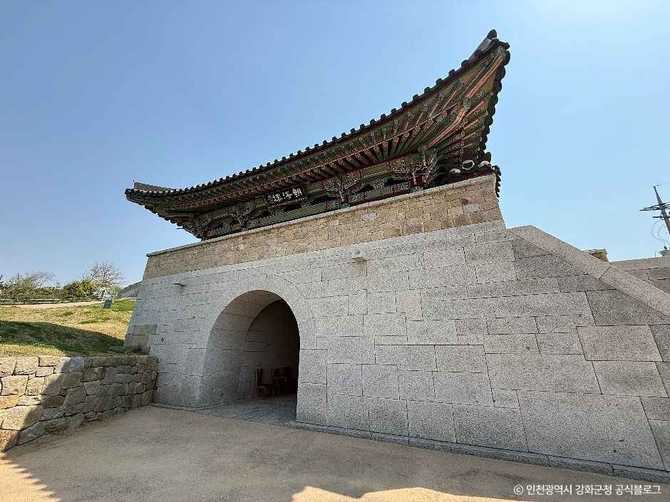
Located at the junction of the Han and Imjin Rivers, Yeonmijeong is designed to maximize scenic views of the waterways. Its position allows visitors to enjoy picturesque natural scenery alongside historical architecture.
Q4: What are the visiting hours and accessibility details?
Yeonmijeong is open year-round, 24 hours a day, with no restrictions. It is accessible by car, with walking paths suitable for visitors, and parking is available, although it may be crowded during peak times.
Q5: Is there an entrance fee to visit Yeonmijeong?
No, Yeonmijeong is a public cultural heritage site that is open free of charge. Visitors can explore the pavilion and surrounding area without any admission fee.
Q6: What should visitors keep in mind when visiting Yeonmijeong?
Visitors should respect the restored structures and natural environment, avoid climbing on the buildings, and keep pets on a leash. It is also advisable to check weather conditions and parking availability before planning your visit.
Final Tips for Visiting Yeonmijeong
When planning your visit to Yeonmijeong, the traditional pavilion in Ganghwa Island, a little preparation can enhance your experience significantly. Be sure to check the weather forecast before heading out, especially if you wish to enjoy the scenic views during sunrise or sunset, which are particularly stunning times to visit. Wearing comfortable shoes suitable for uneven terrain will help you explore the site more comfortably and safely. Remember to bring your camera or smartphone to capture the picturesque surroundings, but always be mindful of preserving the natural environment and the historic structures.
Respect the site’s preservation guidelines by avoiding climbing on the structures or disturbing the natural landscape. If you are bringing pets, ensure they are on a leash and that you clean up after them to maintain the cleanliness and integrity of the area. Parking is available, but during peak seasons or weekends, it may be crowded, so plan your visit accordingly. Lastly, keep an eye on local traffic and weather updates to ensure a smooth and enjoyable trip. By following these simple tips, you can fully appreciate the beauty and historical significance of Yeonmijeong, making your visit both memorable and respectful of Korea’s cultural heritage.