
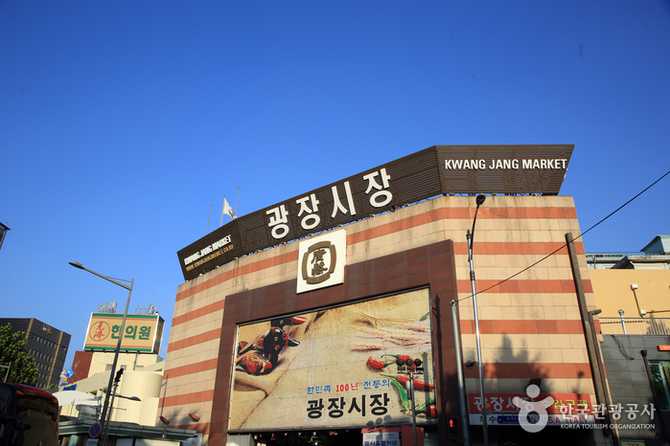
출처 : ⓒ한국관광콘텐츠랩 또는 ⓒ한국관광공사
Explore Gwangjang Market: Seoul’s Historic Traditional Market and Foodie Destination
Location 서울특별시 종로구 창경궁로 88
Location 서울특별시 종로구 창경궁로 88
Discover the vibrant atmosphere, rich history, and diverse offerings of Gwangjang Market, one of Seoul’s most iconic traditional markets. Whether you’re a first-time visitor or a seasoned traveler, exploring Gwangjang Market provides an authentic glimpse into Korea’s cultural heritage, local cuisine, and bustling marketplace life.
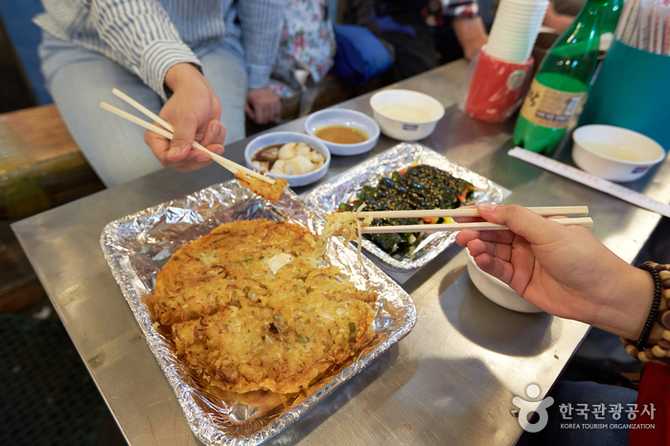
Gwangjang Market, located in the heart of Seoul’s Jongno district, is renowned for its long-standing history dating back to 1905, making it Korea’s first permanent market. This historic marketplace has grown into a lively hub where tradition and modernity blend seamlessly, offering everything from traditional clothing and fabrics to mouth-watering street foods. Visitors from around the world flock here to experience Korea’s unique market culture, taste authentic dishes like bindaetteok (mung bean pancakes), and shop for handcrafted goods.
Planning a visit to Gwangjang Market? Whether you’re interested in trying regional delicacies, shopping for traditional textiles, or immersing yourself in local culture, this guide provides all the essential information and tips to make your trip enjoyable and memorable. From opening hours and transportation options to must-try foods and cultural experiences, learn everything you need to know about exploring Gwangjang Market effectively.
At a glance
- Who this is for
-
- Travelers planning to explore Seoul’s traditional markets
- Food enthusiasts eager to taste authentic Korean street foods
- Foreign visitors interested in Korean culture and shopping
- Local vendors and market industry professionals
- Key takeaways
-
- Established in 1905, Korea’s first permanent market
- Approximately 5,000 shops selling textiles, clothing, and food
- Popular for traditional Korean street foods like bindaetteok and tteokbokki
- Located centrally in Seoul’s Jongno district with easy access via subway
- Varying operating hours and holidays—check before visiting
- Tips & cautions
-
- Confirm shop hours and closures before visiting
- Use public transportation for convenience; parking is limited
- Try a variety of street foods for the full experience
- Respect local customs and shop etiquette
- Bottom line
- Gwangjang Market is a must-visit destination that beautifully combines Seoul’s rich history, vibrant culture, and culinary delights, offering an unforgettable experience for all visitors.
Gwangjang Market, located in Seoul’s Jongno district, is a historic and lively marketplace that has been serving locals and tourists since 1905. As Korea’s first permanent traditional market, it holds a special place in the country’s modern history and continues to be a bustling hub for shopping, eating, and cultural exchange.
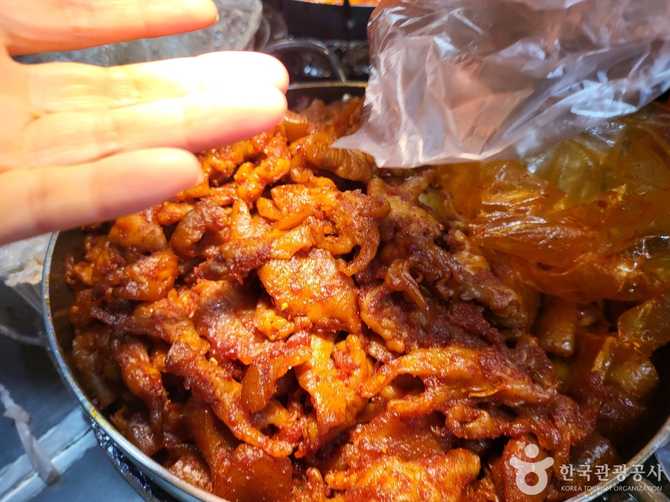
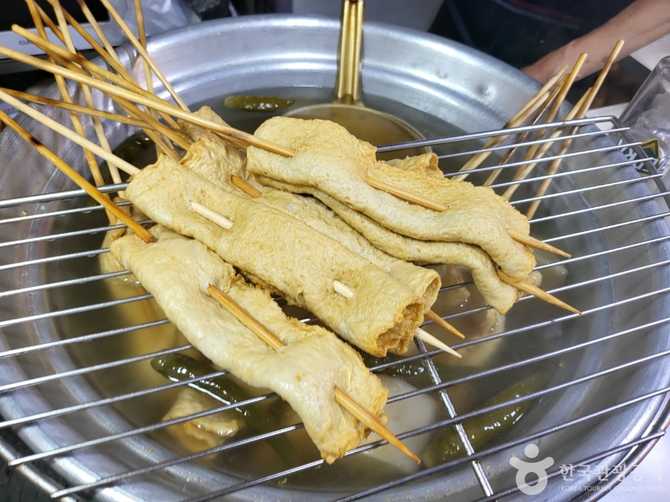
Visitors to Gwangjang Market can explore over 5,000 shops offering a wide array of products, including traditional Korean clothing like hanbok, textiles, handcrafted goods, and fresh produce. The market is especially famous for its street food alleys, where you can indulge in authentic dishes such as mung bean pancakes, spicy rice cakes, and savory skewers. Its central location in Seoul makes it easily accessible via public transportation, making it a popular destination for both locals and international tourists.
Whether you’re interested in shopping for traditional crafts, sampling Korea’s culinary heritage, or simply soaking up the lively atmosphere, Gwangjang Market provides a comprehensive cultural experience. To make the most of your visit, it’s recommended to check opening hours and shop closures beforehand, arrive via subway, and be prepared to enjoy a wide variety of flavors and sights that encapsulate Seoul’s vibrant market culture.
Gwangjang Market Overview and History
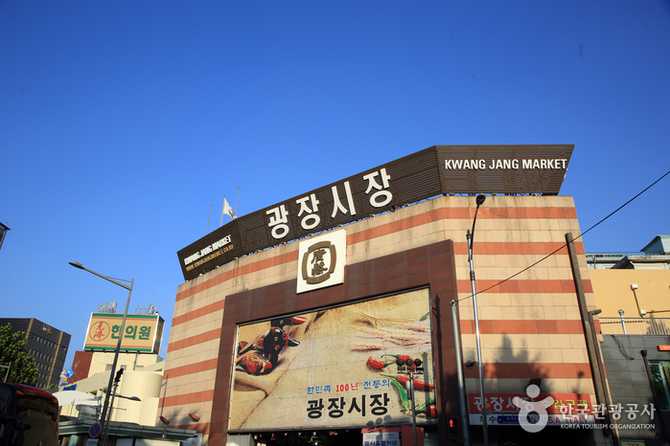
Gwangjang Market stands as one of Seoul’s most iconic traditional markets, with a history dating back to 1905. Recognized as Korea’s first permanent market, Gwangjang Market has played a vital role in Seoul’s economic development and cultural preservation. Located in the heart of the Jongno district, this bustling marketplace offers visitors an authentic experience of Korea’s vibrant market culture, blending historic charm with modern flair.
Originally established to facilitate local trade in agricultural and fishery products, Gwangjang Market has evolved into a comprehensive shopping and dining destination. The market’s name, meaning “large square,” reflects its expansive layout, which accommodates over 5,000 shops and stalls. These vendors sell a wide array of goods, including traditional Korean clothing like hanbok, textiles, handcrafted souvenirs, and fresh produce. Its historical significance is also reflected in its role during Korea’s modernization, serving as a hub for cultural exchange and local enterprise.

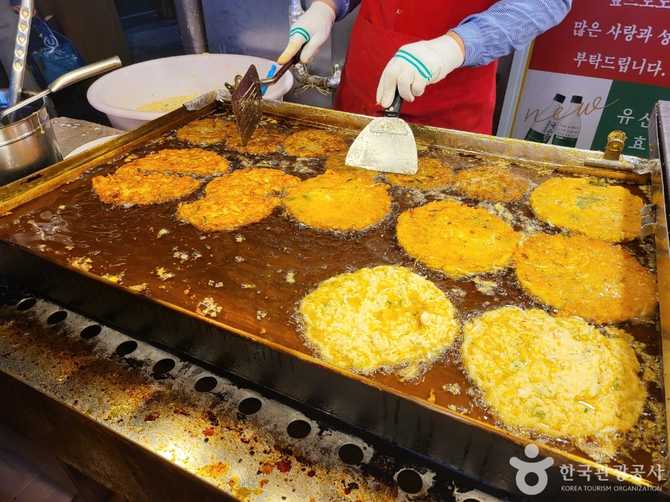
Today, Gwangjang Market is renowned for its lively street food alleys, where visitors can indulge in authentic Korean dishes such as mung bean pancakes (bindaetteok), spicy rice cakes (tteokbokki), and savory skewers. Its central location makes it easily accessible via Seoul’s subway system, attracting both locals and international tourists eager to experience Korea’s traditional market atmosphere. The market’s rich history and diverse offerings make it a must-visit destination for anyone interested in Korean culture, history, and cuisine.
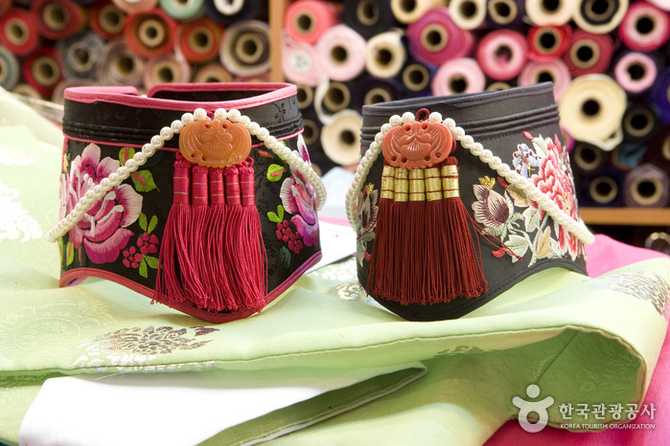
Whether exploring its historic stalls or sampling its famous street foods, Gwangjang Market offers an immersive experience into Seoul’s past and present. Its blend of tradition and modernity continues to attract a wide range of visitors, making it a vibrant symbol of Korea’s cultural heritage. Planning your visit with an understanding of its historical background and current offerings will ensure a memorable experience at this lively marketplace.
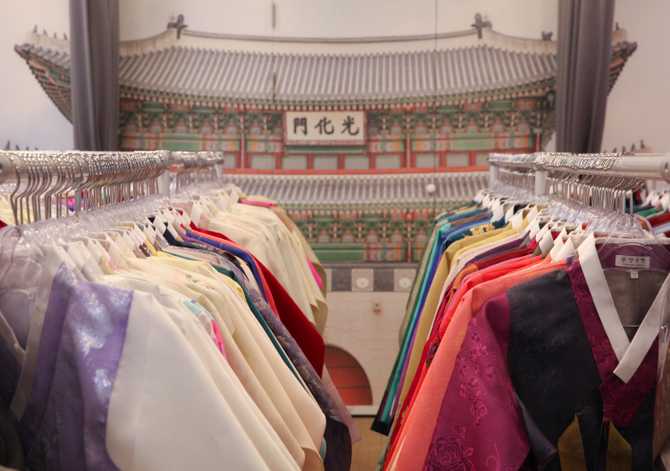
Comparison of Main Features and Products at Gwangjang Market
| Feature / Product | Details |
|---|---|
| Market Age | Established in 1905, Korea’s first permanent traditional market |
| Number of Shops | Over 5,000 vendors and stalls |
| Main Goods | Traditional Korean clothing (hanbok), textiles, handcrafted souvenirs, fresh produce, seafood, dried foods |
| Popular Food Items | Bindaetteok (mung bean pancakes), tteokbokki (spicy rice cakes), mayak kimbap (mini rice rolls), skewers, and other street foods |
| Location | Central Seoul, Jongno district, accessible via subway (Jongno 3-ga and Jongno 5-ga stations) |
| Operating Hours | Generally 10:00 AM to 8:00 PM, but varies by shop; check before visiting |
| Atmosphere | Vibrant, lively, blending traditional market ambiance with modern shopping experiences |
Visitor Tips and Practical Checklist for Gwangjang Market
- Check operating hours and shop closures: As each shop has different hours, verify before your visit to avoid missing out on key vendors.
- Use public transportation: The market is easily accessible via Seoul subway lines, especially Jongno 3-ga and Jongno 5-ga stations. Parking is limited, so plan to arrive by subway or on foot.
- Bring cash and small bills: Many vendors prefer cash payments, and some may not accept credit cards.
- Sample local street foods: Don’t miss popular dishes like bindaetteok, tteokbokki, and mayak kimbap. Be adventurous and try a variety of flavors.
- Respect local customs: Be courteous when shopping and dining, and follow market etiquette.
To enhance your experience, plan your visit during the daytime when the market is most lively. Arrive early in the morning or during lunchtime to enjoy the full vibrancy of the market atmosphere. Remember to carry cash, wear comfortable shoes, and be ready to immerse yourself in Korea’s rich market culture.
Recommended Tours and Cultural Experiences at Gwangjang Market
- Street Food Tasting Tour: Join a guided tour that takes you through the bustling food alleys, allowing you to sample signature dishes like bindaetteok (mung bean pancakes), tteokbokki (spicy rice cakes), and mayak kimbap (mini rice rolls). Many local tour operators offer immersive experiences with explanations of each dish’s history and preparation methods.
- Traditional Craft Workshop: Participate in hands-on workshops where you can learn traditional Korean crafts such as making hanbok accessories, fabric dyeing, or handcrafted souvenirs. These sessions often include a brief introduction to Korea’s textile and craft history, providing cultural insight along with practical skills.
- Cultural Performance and Folk Music: Some cultural centers or market spaces host traditional Korean performances, including samulnori (percussion ensemble), fan dances, or folk singing. Attending these shows offers a deeper understanding of Korea’s performing arts and cultural heritage.
- Historical and Architectural Tour of Jongno District: Combine your market visit with a walking tour of nearby historical sites such as Cheonggyecheon Stream, Jongmyo Shrine, or Gyeongbokgung Palace. These landmarks provide context to Seoul’s rich history and its traditional architecture.
- Food and Culture Combo Package: Opt for a comprehensive tour that includes market exploration, street food tasting, and visits to cultural landmarks. Many travel agencies offer these packages, perfect for travelers who want an all-in-one experience of Seoul’s traditional charm.
Visitor Checklist for Gwangjang Market
- Check operating hours and shop closures: Confirm the opening and closing times of shops and food stalls, especially during holidays or special events.
- Plan transportation: Use Seoul’s subway system to access Jongno 3-ga or Jongno 5-ga stations; parking is limited, so consider arriving by public transit or walking.
- Prepare cash: Many vendors prefer cash payments; carry small bills to facilitate transactions.
- Wear comfortable shoes: Expect a lot of walking on uneven surfaces and crowded streets, so comfortable footwear is essential.
- Bring a reusable bag: For shopping souvenirs, textiles, or food items, a sturdy bag will be helpful.
- Try a variety of foods: Be adventurous and sample different street foods like bindaetteok, tteokbokki, and skewers to enjoy the full culinary experience.
- Respect local customs: Follow market etiquette, such as waiting your turn, asking politely, and being courteous to vendors and fellow visitors.
- Check nearby attractions: Consider visiting nearby cultural sites like Gyeongbokgung Palace or Cheonggyecheon Stream to enrich your trip.
- Visit during peak hours: Arrive early in the morning or during lunchtime to experience the lively atmosphere at its best.
- Stay hydrated and take breaks: The market can be busy and warm, so keep water handy and rest when needed to fully enjoy your visit.
Whether you visit during the day or evening, Explore Gwangjang Market is a meaningful stop on any Seoul itinerary for history-minded travelers.
Frequently Asked Questions (FAQ)
Q1: What are the operating hours of Gwangjang Market?
Most shops and food stalls in Gwangjang Market operate from around 10:00 AM to 8:00 PM. However, hours can vary depending on the individual vendor, so it is recommended to check in advance before visiting.
Q2: Is there parking available at Gwangjang Market?
Parking spaces within the market are limited, and public transportation is highly recommended. Nearby public parking lots and subway stations such as Jongno 3-ga and Jongno 5-ga provide convenient access.
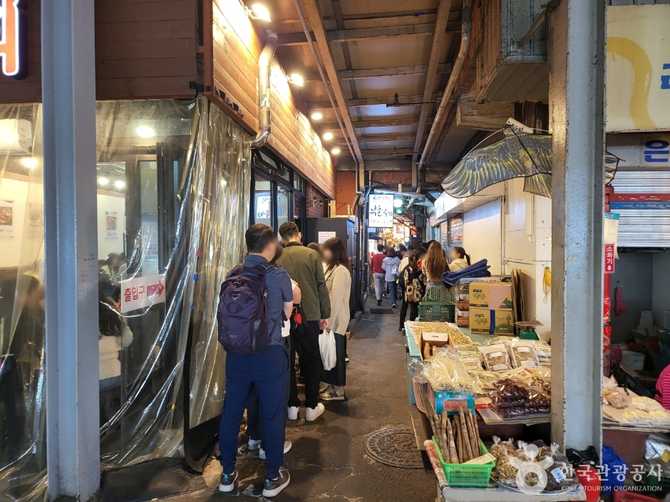
Q3: What are the must-try foods at Gwangjang Market?
Popular dishes include mung bean pancakes (bindaetteok), spicy rice cakes (tteokbokki), and mayak kimbap (mini rice rolls). These street foods are highly recommended for first-time visitors.
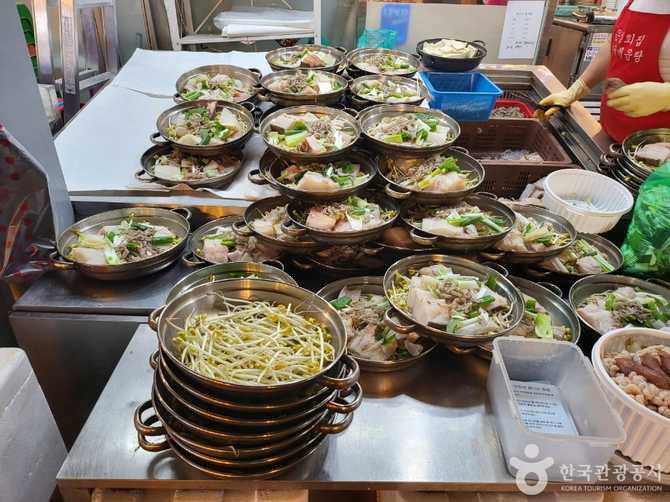
Q4: What products can I buy at Gwangjang Market?
Visitors can purchase traditional Korean clothing (hanbok), textiles, handcrafted souvenirs, dried seafood, fresh produce, and various street foods. The market offers a wide range of both traditional and modern goods.
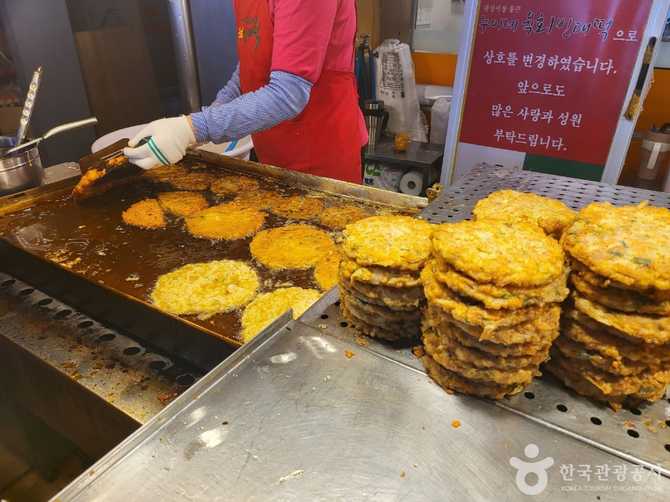
Q5: Are there any cultural experiences available at Gwangjang Market?
Yes, visitors can participate in traditional craft workshops, such as making hanbok accessories or fabric dyeing. Cultural performances and local demonstrations are also occasionally held within the market area.
Q6: When is the best time to visit Gwangjang Market?
The market is most lively during the daytime, especially around lunchtime and early afternoon. Visiting on weekdays or early mornings can help avoid larger crowds and enjoy a more relaxed experience.
Experience the Best of Seoul at Gwangjang Market
Visiting Gwangjang Market offers a unique opportunity to immerse yourself in Seoul’s vibrant traditional culture while enjoying a wide array of authentic Korean foods and handcrafted goods. As one of Korea’s oldest and most iconic markets, it provides an authentic glimpse into the country’s rich history and bustling marketplace life. Whether you’re a foodie eager to taste local specialties like mung bean pancakes and spicy rice cakes, or a shopper looking for traditional textiles and souvenirs, Gwangjang Market delivers a lively and memorable experience.
To make the most of your visit, plan ahead by checking the market’s operating hours and shop closures, as these can vary. Arrive early or during lunchtime to enjoy the full vibrancy of the market, and consider using public transportation—especially subway lines near Jongno 3-ga or Jongno 5-ga stations—to avoid parking hassles. Remember to bring cash for small vendors and be respectful of local customs. With its blend of history, culture, and culinary delights, Gwangjang Market remains a must-visit destination for anyone exploring Seoul. Embrace the lively atmosphere, indulge in delicious street foods, and take home some traditional crafts to remember your trip by. A visit to Gwangjang Market promises an enriching experience that captures the essence of Seoul’s dynamic heritage and modern charm.