
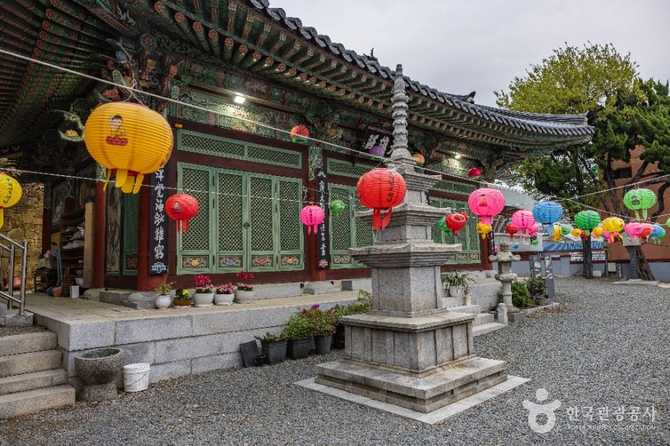
Explore Busan Yeondeunsa Temple: A Peaceful Urban Buddhist Heritage Site
Are you seeking a tranquil escape within the bustling city of Busan? Discover Yeondeunsa, a historic Buddhist temple nestled in the heart of Busan’s Dong-gu district. This sacred site offers visitors a unique blend of spiritual serenity, traditional architecture, and cultural treasures, making it a must-visit destination for travelers interested in Korea’s rich Buddhist heritage.
Busan Yeondeunsa Temple is more than just a place of worship; it is a living monument that embodies centuries of Korean Buddhist history and artistry. Located conveniently near the Busan subway line, this temple provides an accessible retreat where visitors can experience the peaceful ambiance of a traditional temple amidst the urban landscape. Whether you are a history enthusiast, a cultural explorer, or simply looking for a quiet place to reflect, Yeondeunsa offers an enriching experience for all.
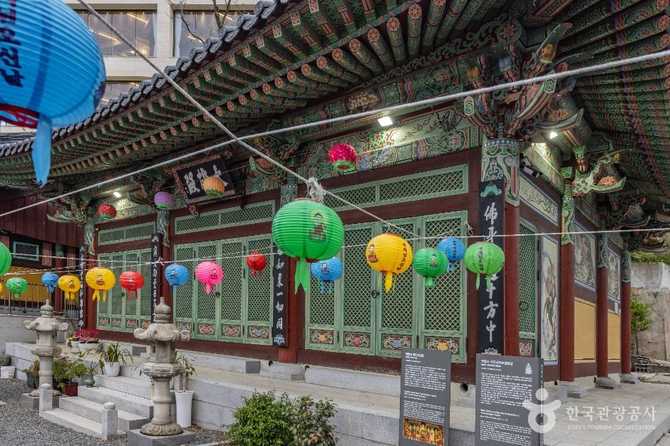
In this guide, we will explore the history, key cultural assets, visiting tips, and essential information to help you plan your visit to Yeondeunsa Temple. From its founding in the 19th century to its treasured artifacts, learn why this temple remains a vital part of Busan’s cultural landscape. Prepare to immerse yourself in Korea’s spiritual traditions and enjoy the scenic beauty that surrounds this historic site.
At a glance
- Who this is for
-
- Travelers exploring Busan’s cultural and religious sites
- Individuals interested in Korean Buddhist heritage
- Visitors seeking a peaceful, urban temple experience
- Key takeaways
-
- Located in Busan Dong-gu, near Chojang Station
- Founded in the 1860s, with the current structure completed in 1882
- Features Main Hall (Daeungjeon), Samgeum Pavilion, and cultural artifacts
- Open year-round, free admission, with ample parking
- Designated as a cultural heritage site by Busan City
- Tips & cautions
-
- Check cultural asset viewing restrictions before visiting
- Maintain silence and respect temple etiquette
- Wear modest attire suitable for a religious site
- Be mindful of preserved cultural artifacts
- Bottom line
- Yeondeunsa Temple offers a serene glimpse into Korea’s Buddhist traditions right in the heart of Busan.
Busan Yeondeunsa Temple stands as a beacon of Korea’s spiritual and cultural history, conveniently situated in the city’s vibrant Dong-gu district. This historic temple, rooted in the late Joseon Dynasty, continues to serve as a place of worship and cultural preservation. Its architecture, including the Main Hall (Daeungjeon) and the Samgeum Pavilion, reflects traditional Korean Buddhist design, while its collection of cultural assets provides insight into Korea’s religious art and history.
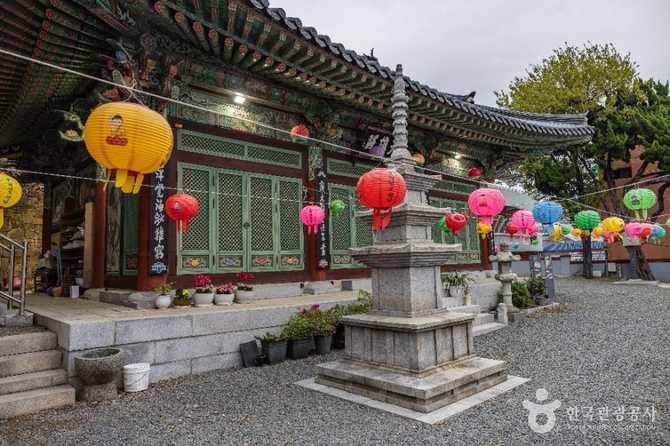
Visitors can enjoy a peaceful walk through the temple grounds, appreciating the intricate carvings, statues, and historic paintings. The temple’s proximity to Chojang Station on Busan’s Subway Line 1 makes it an easily accessible destination for both locals and tourists. Open throughout the year without any admission fee, Yeondeunsa is a perfect spot for those seeking tranquility amid urban life, with facilities like free parking and restrooms ensuring a comfortable visit.
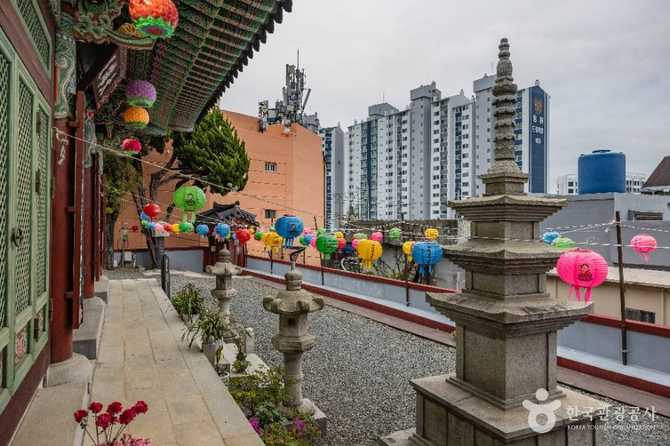
Overview and Location of Yeondeunsa Temple
Nestled in the heart of Busan’s Dong-gu district, Yeondeunsa Temple is a revered Buddhist site that offers visitors a peaceful retreat within an urban environment. This historic temple is a significant cultural landmark that embodies Korea’s rich spiritual heritage and traditional architecture. Located conveniently near Chojang Station on Busan’s Subway Line 1, Yeondeunsa is easily accessible for both locals and tourists seeking to explore Korea’s religious and cultural history.
Founded in the 1860s, the temple has a long-standing history that reflects the resilience and continuity of Korean Buddhism. Although the exact date of its establishment remains uncertain, historical records indicate that a dedicated monk set up an initial shrine around that period, which was later expanded and formalized into the current structure in 1882 by the monk Deoksan. The name “Yeondeunsa” translates to “Lotus Lantern Temple,” symbolizing wisdom and enlightenment, core themes in Buddhist teachings.
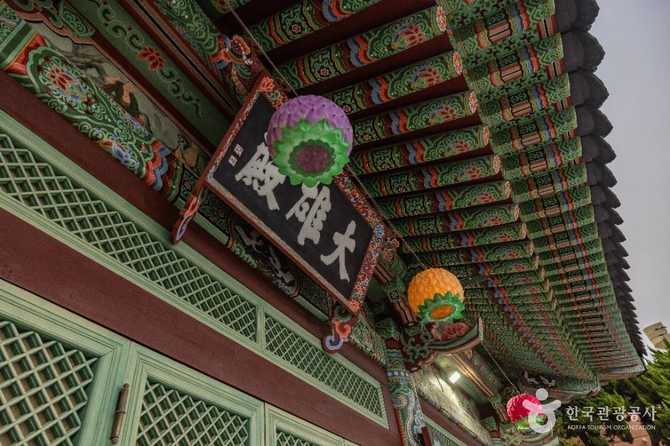
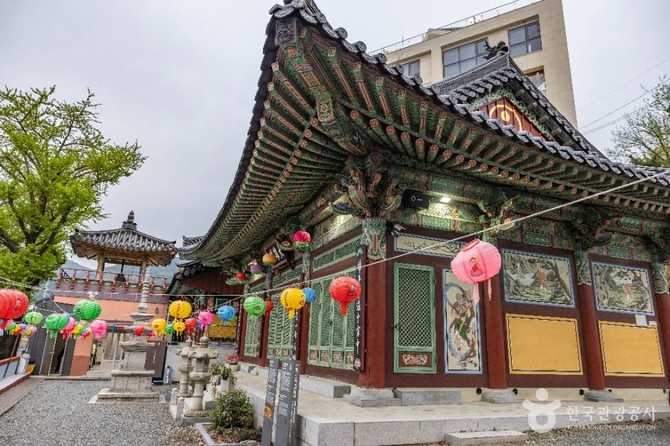
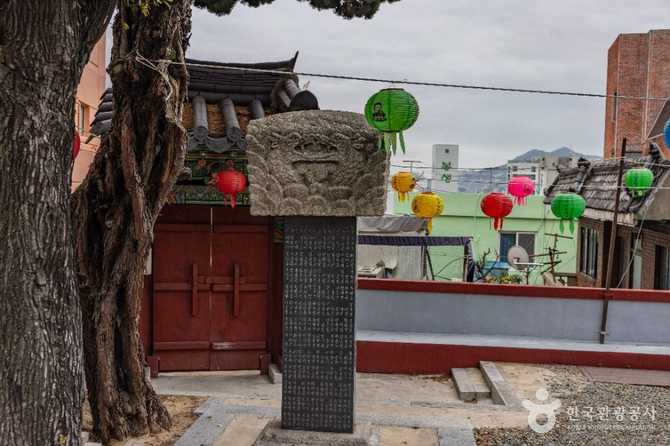
Today, Yeondeunsa is renowned for its well-preserved traditional Korean architecture, including the Main Hall (Daeungjeon), the Samgeum Pavilion, and a variety of cultural artifacts such as statues and paintings. Visitors can enjoy a serene atmosphere, with scenic surroundings that highlight Korea’s spiritual artistry. The temple’s location within the city makes it an ideal destination for those interested in experiencing Korea’s religious culture without traveling far from urban amenities.
The site is open all year round, providing free admission and ample parking facilities. Its proximity to public transportation and the availability of amenities such as restrooms make it a comfortable visit for travelers of all ages. Whether you are a spiritual seeker, a history enthusiast, or a casual tourist, Yeondeunsa offers a meaningful glimpse into Korea’s Buddhist traditions amidst the vibrant cityscape of Busan.
Comparison of Cultural Assets at Yeondeunsa Temple
| Type of Cultural Asset | Description | Significance |
|---|---|---|
| Buddhist Statues | Includes statues of Amitabha Buddha, Avalokiteshvara (Gwaneum Bosal), and Great Seji Bodhisattva | Represent core figures in Korean Buddhism, dating from early 20th century, showcasing traditional craftsmanship |
| Wooden Carvings | Intricate wooden statues, such as the Avalokiteshvara seated statue from the late Joseon period | Exemplify traditional Korean woodwork and religious artistry |
| Stone Sculptures | Includes stone statues of Jizo Bodhisattva and other guardian figures | Highlights the durability and spiritual symbolism in Korean Buddhist sculpture |
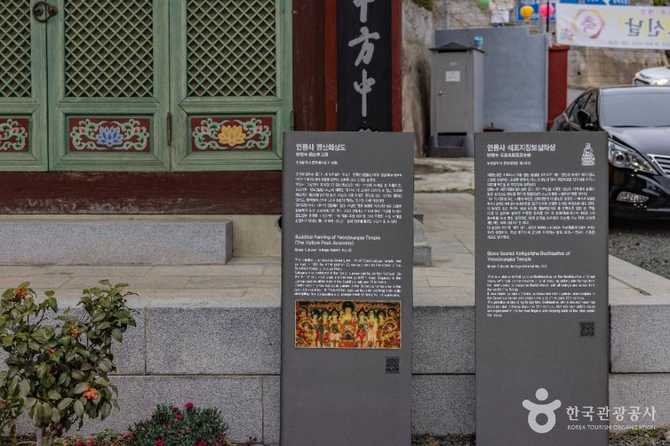
| Paintings (Tanghwa) | Includes the famous Yeongsan Hoejisaengdo (Yongsan Assembly Painting) and other Buddhist murals | Depict stories from Buddhist scriptures, illustrating religious teachings and artistic styles |
| Cultural Heritage | The Yeongsan Hoejisaengdo (Yongsan Assembly Painting) designated as a cultural heritage | Recognized for its historical and artistic value, representing Korean Buddhist art of the late Joseon period |
Cultural Assets and Visitor Checklist at Yeondeunsa Temple
- Visit the Main Hall (Daeungjeon): Admire the traditional architecture and the main Buddha statue. Tip: Arrive early in the morning for a quieter experience.
- Explore the Samgeum Pavilion: Check out the unique pavilion housing important Buddhist relics and offerings.
- View the Stone and Wooden Statues: Observe the intricate carvings of Bodhisattvas and guardian figures. Note: Some statues are protected and may have restricted access.
- Appreciate Buddhist Paintings (Tanghwa): View the colorful murals depicting Buddhist stories. Tip: Use a guidebook or audio guide for detailed explanations.
- Attend Cultural Events: Participate in seasonal ceremonies or temple festivals if visiting during special times.
Visitor Information and Tips for Yeondeunsa Temple
| Aspect | Details |
|---|---|
| Opening Hours | Open year-round, 24 hours a day, with no restrictions on visiting time |
| Parking Facilities | Free parking available for visitors |
| Accessibility | Close to Chojang Station on Busan Subway Line 1; easy access for public transportation |
| Facilities | Restrooms available; multiple signage points for guidance |
| What to Bring | Comfortable clothing, water, and optional small snacks for a pleasant visit |
| Cultural Respect | Follow signs and guidelines; avoid loud noises; respect the sacred environment |
Visitor Precautions and Etiquette at Yeondeunsa Temple
- Respect Restricted Areas: Some cultural artifacts and certain sections may be off-limits to protect their integrity. Always observe and follow posted signs and instructions from staff.
- Maintain Silence and Reverence: Keep noise levels low to preserve the tranquil atmosphere. Speak softly and avoid unnecessary disturbances.
- Dress Modestly: Wear modest attire, covering shoulders and knees, especially when entering main halls or participating in ceremonies.
- Handle Artifacts Carefully: Do not touch or climb on statues, paintings, or relics. These are protected cultural assets.
- Dispose of Trash Properly: Use designated bins to keep the temple grounds clean and respectful of the environment.
- Personal Items and Safety: Keep personal belongings secure to prevent loss. Be cautious of uneven pathways or steps.
- Emergency Contacts: In case of emergencies, contact the temple staff at 051-632-0546 for assistance.
- Photography: Photography may be restricted in certain areas; please respect signs indicating where photography is not permitted.
Whether you visit during the day or evening, Explore Busan Yeondeunsa Temple is a meaningful stop on any Seoul itinerary for history-minded travelers.
Frequently Asked Questions (FAQ)
Q1: When was Yeondeunsa Temple founded?
The exact founding year of Yeondeunsa is not documented, but it is believed to have been established in the 1860s by a dedicated monk. The current structure was completed in 1882, marking its historical development.
Q2: What are the main cultural assets at Yeondeunsa Temple?
Yeondeunsa houses various cultural assets including statues of Amitabha Buddha, Avalokiteshvara, and Bodhisattvas, as well as traditional paintings (Tanghwa) and stone sculptures. Notable artifacts include the Yeongsan Hoejisaengdo painting, designated as a cultural heritage.
Q3: Is Yeondeunsa Temple open year-round and what are its visiting hours?
Yes, Yeondeunsa is open throughout the year with 24-hour access, allowing visitors to explore at any time. There are no restrictions on visiting hours, making it a flexible destination for travelers.
Q4: Does Yeondeunsa provide parking facilities?
Yes, the temple offers free parking for visitors. The parking lot is spacious and easily accessible, ensuring a convenient visit for those arriving by car.
Q5: What should visitors be aware of when visiting Yeondeunsa?
Visitors should respect the cultural and religious significance of the site by maintaining silence and dressing modestly. Certain areas and artifacts may be restricted to protect the cultural assets, so follow signage and guide instructions.
Q6: What is the best time to visit Yeondeunsa Temple?
The temple can be visited year-round, with spring and autumn offering particularly scenic views. Seasonal festivals and ceremonies also provide unique cultural experiences during specific times of the year.
Closing Remarks: Experience the Serenity of Busan Yeondeunsa Temple
Visiting Busan Yeondeunsa Temple offers a unique opportunity to immerse yourself in Korea’s rich Buddhist heritage right within the vibrant city of Busan. This historic temple, with its centuries-old traditions and beautifully preserved cultural assets, provides a peaceful sanctuary amid urban life. Whether you are drawn by its architectural beauty, spiritual significance, or cultural treasures, Yeondeunsa promises a meaningful and enriching experience for all visitors.
The temple’s convenient location near Chojang Station on Busan’s Subway Line 1 makes it easily accessible, inviting travelers to explore Korea’s religious and cultural history effortlessly. Its open, free-to-enter grounds, along with amenities like free parking and clean restrooms, ensure a comfortable visit. Remember to observe proper etiquette, respect the sacred space, and enjoy the tranquil atmosphere that has been preserved for centuries.
Whether you are a spiritual seeker, a history enthusiast, or a casual tourist, Busan Yeondeunsa Temple stands as a testament to Korea’s enduring Buddhist traditions and cultural artistry. Make sure to plan your visit during the peaceful hours of the day, and take your time to appreciate the intricate statues, murals, and architecture that tell stories of faith and artistry. This site is not only a place of worship but also a cultural treasure that enriches your understanding of Korea’s spiritual landscape. Come and experience the serenity and historical depth of Yeondeunsa, where tradition and tranquility come together in perfect harmony.