
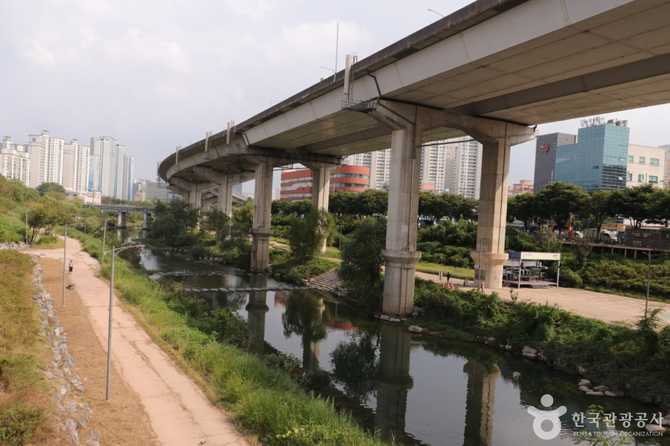
출처 : ⓒ한국관광콘텐츠랩 또는 ⓒ한국관광공사
Explore Budeul Wetland: A Natural Escape in Seoul’s Urban Heart
Location 서울특별시 성동구 용답동 179
Location 서울특별시 성동구 용답동 179
Looking for a peaceful natural spot within Seoul to experience local ecosystems and observe diverse wildlife? Discover Budeul Wetland, a hidden ecological gem that offers visitors a chance to connect with nature right in the city.
At a glance
- Who this is for
-
- Nature enthusiasts interested in urban ecosystems
- Families seeking eco-friendly city outings
- Students and researchers studying biodiversity and wetlands
- Visitors wanting a peaceful retreat within Seoul
- Key takeaways
-
- Located within the Cheonggyecheon restoration area in Seongdong-gu
- Offers habitat for aquatic plants, fish, and bird species
- Designated as a bird protection zone, ideal for birdwatching
- Open year-round, free access with amenities available
- Supports ecological conservation and environmental education
- Tips & cautions
-
- Visit early morning or evening for optimal bird observation
- Respect wildlife by avoiding disturbance and littering
- Check weather conditions before visiting, as environment varies seasonally
- Follow all protection rules to help conserve the wetland ecosystem
- Bottom line
- Experience Seoul’s natural biodiversity firsthand at Budeul Wetland, a city oasis perfect for eco-conscious visitors and nature lovers alike.
In the heart of Seoul, Budeul Wetland provides a unique opportunity to encounter local flora and fauna within an urban setting. This ecological space is part of the Cheonggyecheon restoration project, transforming a formerly neglected area into a thriving habitat for aquatic plants, fish, and birds. Visitors can enjoy a tranquil environment where they can observe various species, learn about wetland ecosystems, and appreciate the importance of urban conservation efforts.
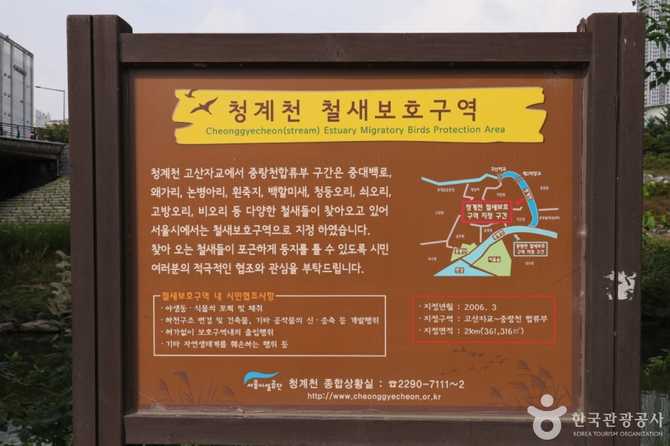
Whether you are a family looking for a relaxing day outdoors, a student conducting ecological research, or a nature lover seeking a peaceful retreat, Budeul Wetland offers an accessible and educational experience. The wetland is open all year, free of charge, and equipped with basic amenities, making it an ideal destination for all ages. Remember to respect the natural environment by adhering to conservation guidelines and avoiding activities that could harm the habitat.
Plan your visit to Budeul Wetland and immerse yourself in Seoul’s natural beauty. For the latest updates on opening hours, weather conditions, and any seasonal restrictions, contact the local management at 02-2290-6114 before your trip.
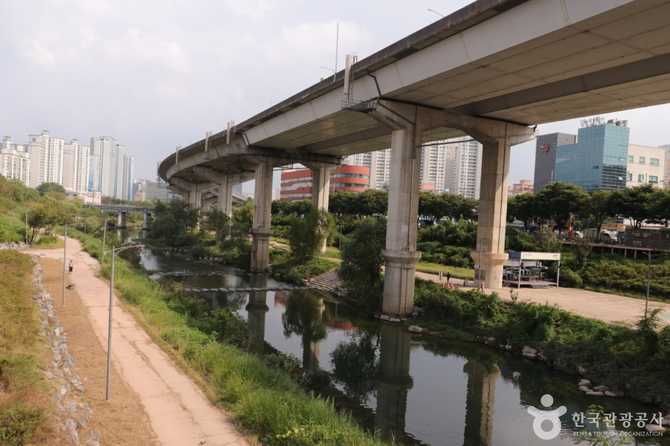
Budeul Wetland: An Urban Natural Sanctuary in Seoul
Budeul Wetland is a remarkable urban ecological space located within Seoul, offering visitors a unique opportunity to experience nature and biodiversity amidst the bustling city environment. As part of the Cheonggyecheon restoration project, this wetland has been carefully designed to preserve and showcase local aquatic ecosystems, providing a peaceful retreat for nature lovers, families, students, and researchers alike. The focus keyword, urban natural sanctuary in Seoul, perfectly encapsulates the essence of Budeul Wetland, a protected area that highlights the importance of ecological conservation within city limits.
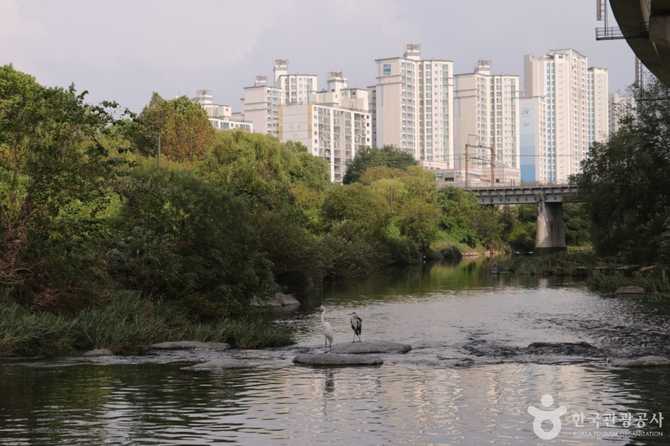
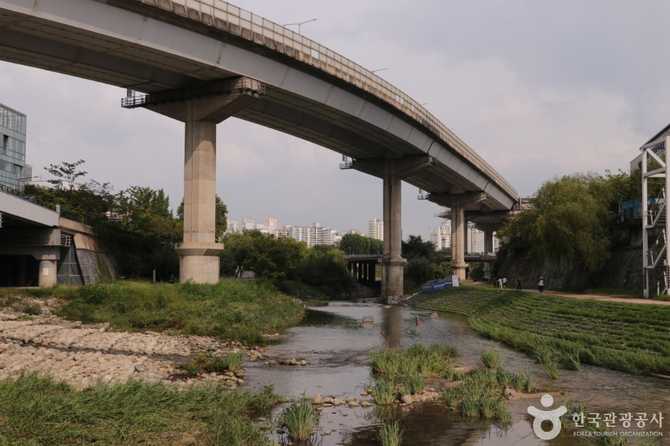
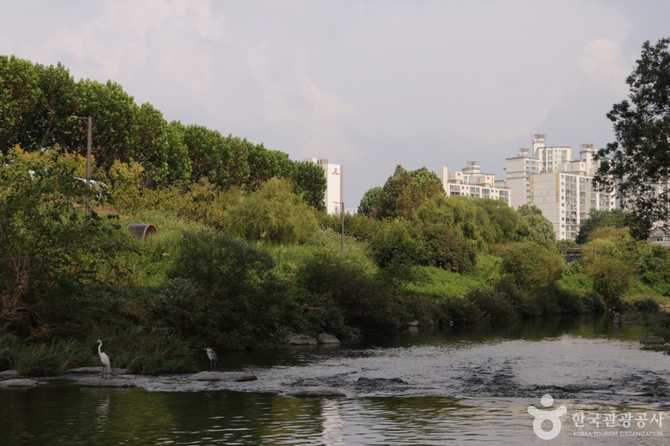
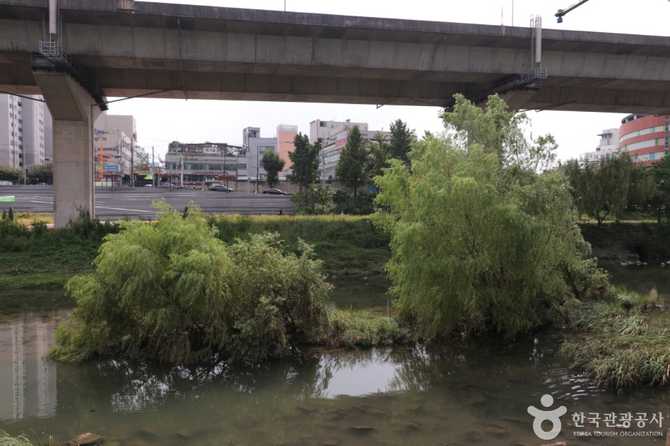
This ecological haven spans a modest yet vital section of the Cheonggyecheon restoration zone in Seongdong-gu, offering a habitat for a variety of aquatic plants, fish, and bird species. Visitors can stroll along well-maintained pathways, observe wildlife, and learn about wetlands’ ecological significance. The site is open all year round, free of charge, and equipped with amenities such as restrooms and informational signage, making it accessible and convenient for everyone. The wetland’s design emphasizes natural habitat preservation, with designated bird protection zones that attract numerous bird species, including ducks and herons, making it an excellent spot for birdwatching.
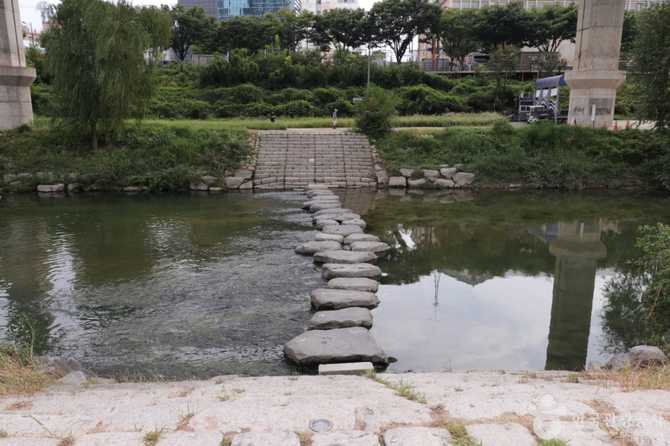
Importantly, Budeul Wetland emphasizes environmental education and conservation awareness. Visitors are encouraged to respect the natural environment by refraining from activities like littering or disturbing wildlife. Seasonal changes influence the wetland’s appearance and the activity of its inhabitants, so planning visits during early mornings or late evenings can enhance wildlife observation experiences. Overall, Budeul Wetland stands out as a vital urban natural sanctuary in Seoul that fosters ecological understanding and provides a calming natural escape within the city.
Comparison of Key Species at Budeul Wetland
| Category | Examples | Ecological Role / Notes |
|---|---|---|
| Aquatic Plants | Gatteo, Flowering Rush (꽃창포), Reed (갯버들), Water Smartweed (매자기) | Provide habitat and food for aquatic life; help maintain water quality and ecosystem stability. |
| Fish Species | Catfish (메기), Wels Catfish (버들치), Pysi (피라미) | Support aquatic food chains; indicators of water health and quality. |
| Birds | Mallard (청둥오리), Black-crowned Night Heron (중대백로), Eastern Spot-billed Duck (흰뺨검둥오리) | Key species for birdwatching; contribute to ecological balance and seed dispersal. |
Budeul Wetland hosts a diverse array of species, each playing a vital role in maintaining the health of the wetland ecosystem. The presence of native aquatic plants like Gatteo and Flowering Rush provides essential habitat for fish and bird species, while the variety of fish such as catfish and Pysi indicates good water quality. Birdwatchers can observe species like mallards and herons, which are attracted to the protected bird zones. This biodiversity underscores the ecological significance of the wetland and highlights its role as a vital habitat within Seoul’s urban landscape.
Visitor Tips and Checklist for Budeul Wetland
- Best times to visit: Early morning and late evening are ideal for birdwatching and observing wildlife activity.
- What to bring: Binoculars, camera with zoom lens, insect repellent, and comfortable walking shoes.
- Environmental awareness: Always stay on designated paths, avoid littering, and refrain from disturbing wildlife.
- Facilities: Restrooms, informational signage, and benches are available for visitor convenience.
- Weather considerations: Check the weather forecast before visiting, as rain or fog can affect visibility and habitat conditions.
- Reminder: Respect the natural environment by not collecting plants or animals, and avoid making loud noises that could disturb wildlife.
- Safety note: Be cautious around water edges and follow all posted guidelines for a safe visit.
Protection Policies and Regulations at Budeul Wetland
| Policy/Regulation | Details |
|---|---|
| No Collection of Plants or Animals | Visitors are strictly prohibited from collecting or removing any aquatic plants or animals to preserve ecological balance. |
| Restricted Access to Sensitive Areas | Entry to designated wildlife protection zones is limited to minimize disturbance to bird and animal habitats. |
| No Littering | All visitors must dispose of waste properly in designated bins to prevent pollution and habitat degradation. |
| Quiet Observation | Loud noises and disruptive behavior are forbidden to avoid disturbing wildlife, especially during breeding seasons. |
| No Feeding Wildlife | Feeding birds or other animals is prohibited to prevent dependency and behavioral changes that could harm their health. |
| Compliance with Signage and Guidelines | Visitors are required to follow all posted instructions and guidelines to ensure the protection of the wetland’s ecosystem. |
Visitor Checklist for Budeul Wetland
- Prepare for your visit: Check weather conditions and dress appropriately for outdoor activities.
- Bring essential gear: Binoculars, camera, insect repellent, and comfortable walking shoes.
- Respect the environment: Stay on designated paths, avoid littering, and do not disturb wildlife.
- Observe quietly: Use low noise levels, especially during early mornings and late evenings for optimal birdwatching.
- Utilize amenities: Restrooms, informational signs, and benches are available for your convenience.
- Plan your timing: Early mornings and evenings are best for wildlife observation, particularly bird activity.
- Follow all rules: Adhere to protection policies, including no collection or feeding of wildlife.
- Leave no trace: Take all trash with you and leave the area as pristine as you found it.
- Stay informed: Contact the management at 02-2290-6114 for current conditions or updates before your visit.
Whether you visit during the day or evening, Explore Budeul Wetland is a meaningful stop on any Seoul itinerary for history-minded travelers.
Frequently Asked Questions (FAQ)
Q1: Can I collect plants or animals at Budeul Wetland?
No, collecting or removing any aquatic plants or animals from Budeul Wetland is strictly prohibited to protect the ecosystem and maintain biodiversity.
Q2: When is the best time to visit Budeul Wetland for birdwatching?
The optimal times for birdwatching are early morning and late evening when bird activity is at its peak. These periods offer the best chances to observe a variety of bird species in their natural habitat.
Q3: Is there an entrance fee to visit Budeul Wetland?
No, Budeul Wetland is open to the public free of charge. Visitors can enjoy the natural environment and amenities without any admission fee.
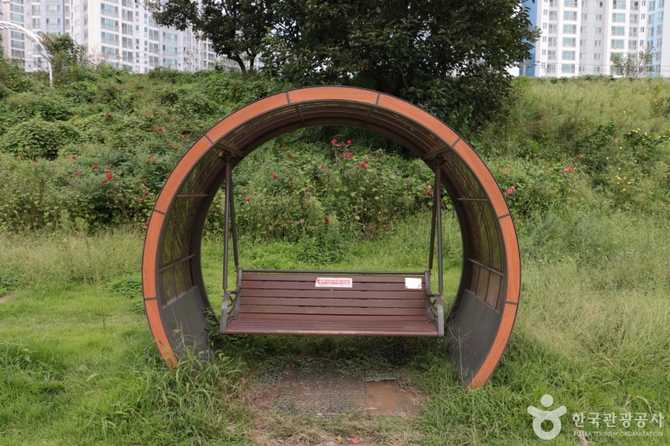
Q4: Are there facilities available at Budeul Wetland?
Yes, the site provides amenities such as restrooms, informational signage, and benches for visitors’ convenience. The area is designed to support eco-friendly and accessible visits.
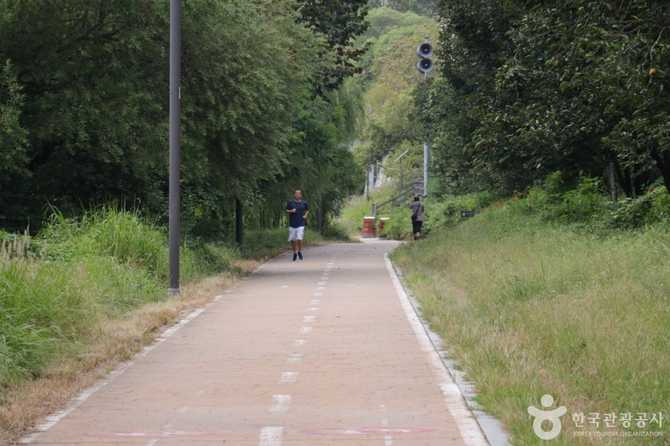
Q5: What activities are restricted in the protected zones of Budeul Wetland?
Activities such as littering, making loud noises, disturbing wildlife, and entering restricted areas are prohibited to ensure the preservation of the habitat and safety of wildlife.
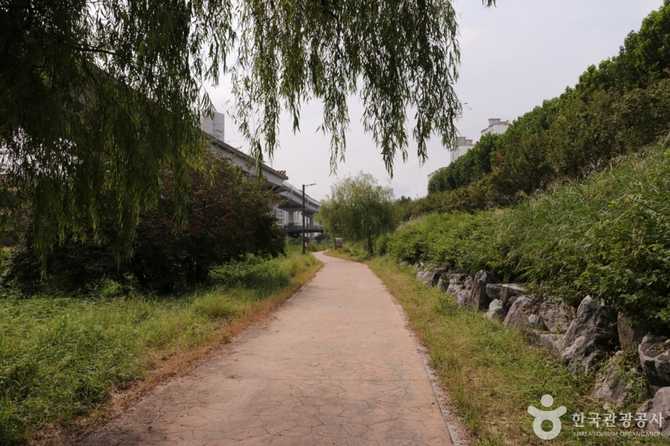
Q6: How can I best observe wildlife at Budeul Wetland?
Visit during early mornings or late evenings for better wildlife sightings. Using binoculars and keeping noise levels low will enhance your observation experience and minimize disturbance to animals.
Experience the Natural Beauty of Seoul at Budeul Wetland
Visiting 청계8경 버들습지 offers a unique opportunity to immerse yourself in Seoul’s rich natural environment right within the city. This urban ecological sanctuary provides a peaceful retreat where visitors can observe a diverse range of aquatic plants, fish, and bird species, all thriving in a protected wetland habitat. Whether you are a nature enthusiast, a family seeking an educational outdoor activity, or a student interested in ecology, Budeul Wetland is an accessible and enriching destination that highlights the importance of urban conservation efforts.
The wetland’s location in Seongdong-gu makes it easy to reach, and its year-round free access ensures that everyone can enjoy this natural space at any time. Visitors are encouraged to respect the environment by following established rules, such as refraining from collecting plants or disturbing wildlife. Engaging with this protected area not only offers a calming escape from city life but also fosters awareness of ecological preservation and biodiversity. Remember to prepare for your visit by checking weather conditions and bringing essential items like binoculars or cameras to capture the beauty of Seoul’s hidden ecological gem. With proper care and respect, your experience at Budeul Wetland will be both enjoyable and meaningful, contributing to the ongoing effort to preserve Seoul’s natural heritage for future generations.