

출처 : ⓒ한국관광콘텐츠랩 또는 ⓒ한국관광공사
Experience Traditional Markets at Songjeong Traditional Market in Gijang
Location 부산광역시 기장군 철마면 두송길 7-31
Location 부산광역시 기장군 철마면 두송길 7-31
Are you looking to explore authentic local markets in Korea? Discover the charm of Songjeong Traditional Market, a historic marketplace in Gijang that offers a glimpse into Korea’s vibrant trading culture. Whether you’re interested in fresh produce, dried seafood, or local crafts, this market provides an authentic experience for travelers seeking to immerse themselves in Korean tradition.
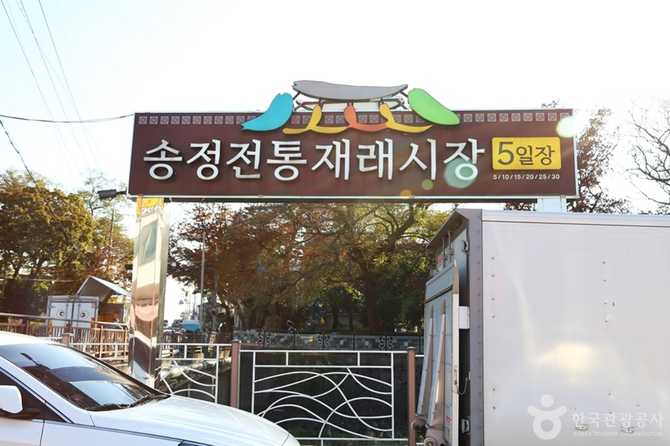
Located just a short drive from Busan, Songjeong Traditional Market has been serving the local community since the Japanese colonial era. Its long history is reflected in its traditional trading days and the variety of goods sold. Visiting this market allows visitors to enjoy a genuine Korean market atmosphere, sample local foods, and purchase unique souvenirs. The market operates on specific days each month, mainly the 5th and 10th, making it a special destination for those interested in Korea’s historical marketplaces.
At a glance
- Who this is for
-
- Travelers interested in Korean traditional markets
- Food enthusiasts seeking local produce and seafood
- History buffs exploring Korea’s marketplace heritage
- Shoppers looking for unique local goods and souvenirs
- Key takeaways
-
- Historic market established around the 1940s
- Operates mainly on the 5th and 10th of each month
- Located in Gijang-gun, Busan, just 6 minutes from Nopo Station
- Sells agricultural produce, dried seafood, clothing, and miscellaneous goods
- No parking available; contact for detailed hours and holiday info
- Tips & cautions
-
- Check operating days and hours before visiting
- Contact the market or local authorities for holiday closures
- Be prepared for limited parking options
- Bring cash as some vendors may not accept credit cards
- Bottom line
- Experience Korea’s traditional market culture at Songjeong Market for an authentic local shopping adventure.
Situated in the coastal area of Gijang-gun, Songjeong Traditional Market is a historic marketplace that offers a rich glimpse into Korea’s trading past. Established during the Japanese colonial period, the market has been a vital part of local life for decades. Today, it remains a lively spot where residents and visitors alike can enjoy fresh local produce, dried seafood, clothing, and various household goods.
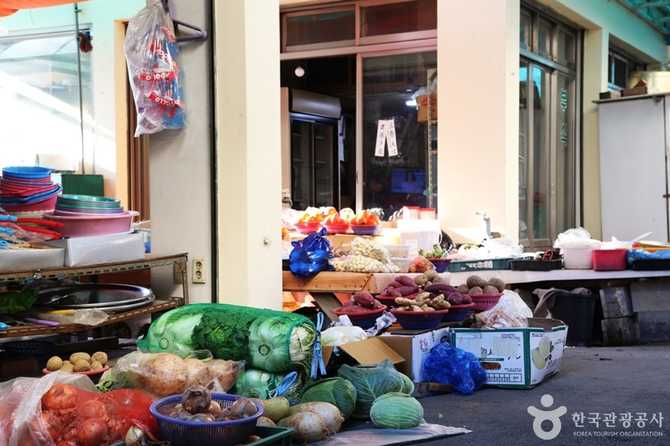
Despite its long history, the market has a modest size, making it a manageable and authentic experience for visitors. Its proximity to Busan’s Nopo Station—only a 6-minute drive—makes it easily accessible for travelers exploring the region. The market’s operation on specific days—particularly the 5th and 10th of each month—adds to its traditional charm, as these days often feature special trading activities and local events.
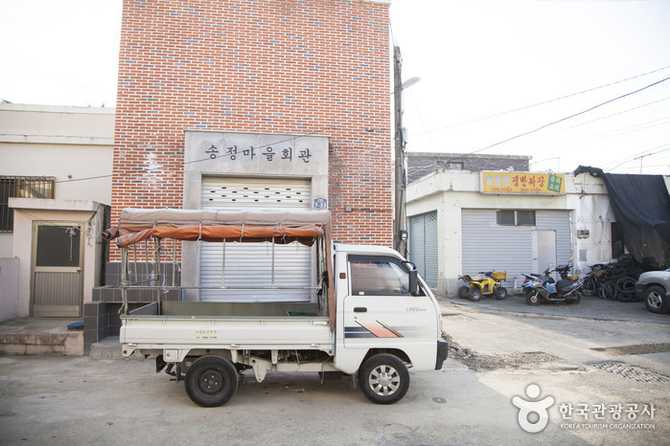
If you’re planning to visit, keep in mind that the market does not offer parking, so public transportation or local arrangements are recommended. For detailed hours, holiday closures, and other visitor information, contacting the market or local authorities is advised. Whether you’re interested in sampling fresh produce, buying dried seafood, or simply exploring Korea’s traditional market culture, Songjeong Traditional Market provides an authentic and memorable experience.
Explore the vibrant history and lively atmosphere of Songjeong Market, and enjoy a taste of Korea’s local trading traditions firsthand.
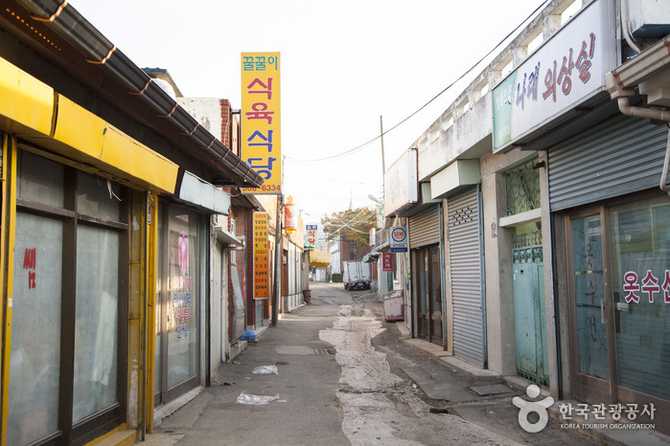
Overview of Songjeong Traditional Market in Gijang
Songjeong Traditional Market is a historic marketplace located in Gijang-gun, Busan, South Korea. As one of the region’s longstanding markets, it offers visitors a unique glimpse into Korea’s traditional trading culture. Established during the Japanese colonial period, the market has a rich history that dates back to the 1940s. It mainly functions as a local market where residents and tourists alike can purchase fresh produce, dried seafood, clothing, and various household goods. The market’s origins are tied to the broader development of local commerce in the area, with records indicating that it was originally opened as a 5-day market during the colonial era, specifically on days that include the 5th and 10th of each month.
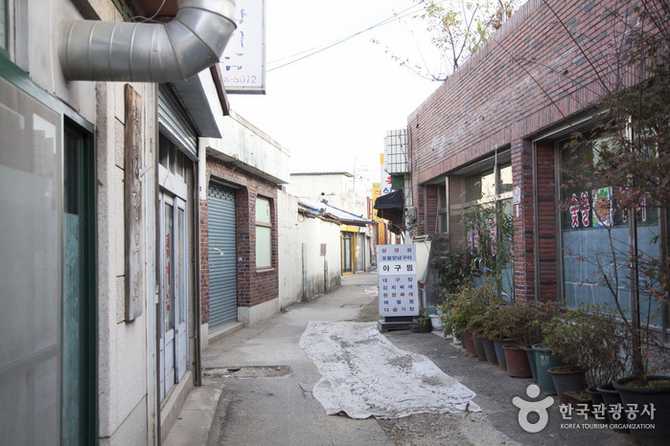
Today, Songjeong Market continues to serve as a vital part of the local community, maintaining its traditional charm despite its modest size compared to larger markets like Busan’s Gukje Market or Jagalchi Fish Market. Its proximity to Busan’s Nopo Station—just a 6-minute drive—makes it accessible for visitors exploring the coastal region of Gijang. The market’s historical significance and its ongoing role in local daily life make it a compelling destination for travelers interested in Korea’s cultural heritage.
While the market’s exact opening date and the full scope of its historical trading items are not precisely documented, it is widely believed to have been established around the 1940s. The market operates mainly on the 5th and 10th of each month, reflecting its origins as a 5-day market during the Japanese era. This schedule makes it a special occasion for visitors to experience traditional Korean market days, which often feature lively trading activities and local festivities. Despite its small size, the market’s authentic atmosphere offers a memorable experience for those seeking to explore Korea’s local trading traditions and enjoy fresh, local products.
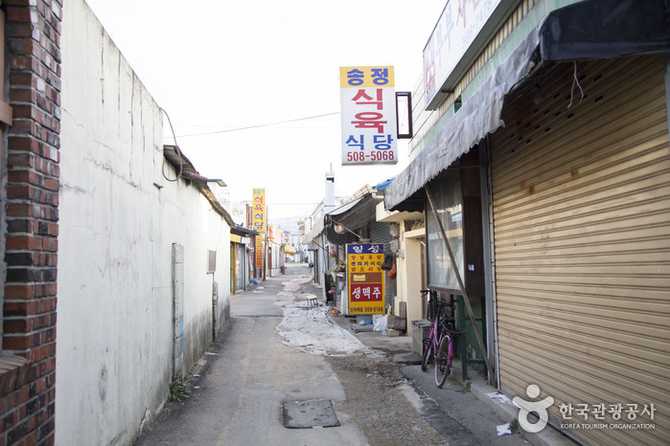
Comparison of Market Details
| Feature | Details |
|---|---|
| Location | Gijang-gun, Busan, South Korea Address: 7-31 Duso-gil, Cheolma-myeon, Gijang-gun, Busan |
| Historical Background | Established during the Japanese colonial era, around the 1940s. Originally operated as a 5-day market, specifically on days including the 5th and 10th of each month. |
| Operating Days | Mainly on the 5th and 10th of each month |
| Operating Hours | Details vary; contact the market for specifics |
| Distance from Nopo Station | Approximately 6 minutes by car |
| Main Goods Sold | Agricultural products, dried seafood, clothing, miscellaneous goods |
| Parking | Not available |
| Contact | Market Office: 051-508-5072 Gijang-gun Economy Department: 051-709-4472 |
Market Operating Schedule and Visitor Tips
- Market Days: The market mainly operates on the 5th and 10th of each month, aligning with its historical roots as a traditional 5-day market.
- Operating Hours: Specific hours are not fixed; visitors are advised to contact the market directly for detailed opening times.
- Holiday Closures: The market does not have a fixed holiday schedule. It is recommended to call ahead to confirm if it is open on your planned visit date.
- Parking: Parking facilities are not available at the market, so visitors should plan to arrive via public transportation or local arrangements.
What to Expect at Songjeong Traditional Market
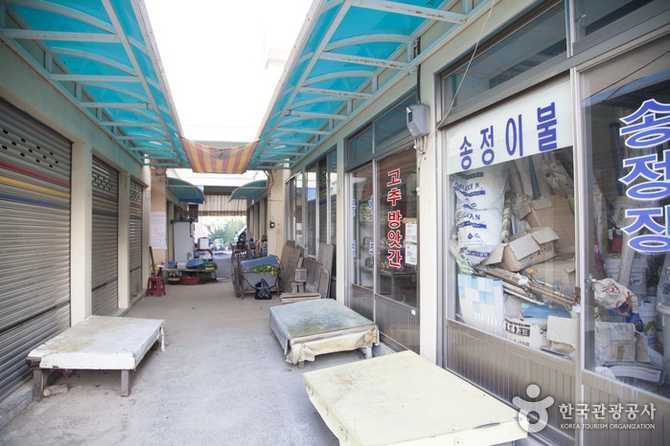
- Fresh Produce and Local Goods: Visitors can browse a variety of agricultural products, including seasonal vegetables, fruits, and herbs. The market offers fresh, locally sourced produce that reflects Korea’s agricultural richness.
- Dried Seafood and Specialty Items: As a traditional market, Songjeong features an array of dried seafood such as squid, anchovies, and seaweed, which are popular ingredients in Korean cuisine.
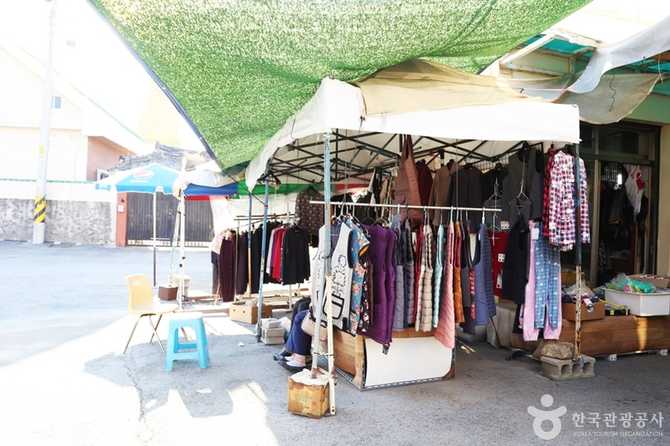
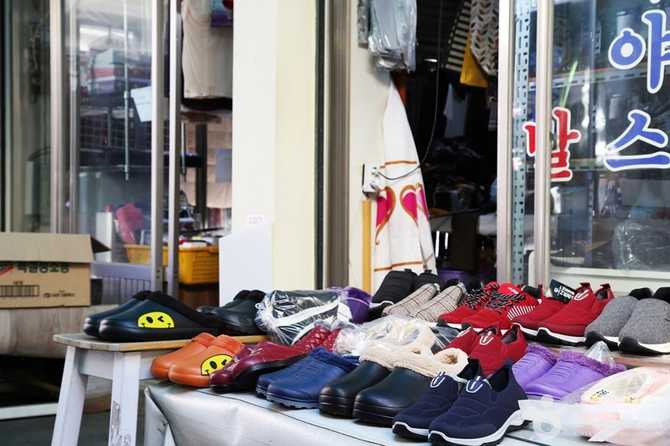
- Clothing and Household Goods: The market also sells clothing, accessories, and miscellaneous household items, providing a one-stop shopping experience for daily needs.
- Local Food Tasting: Numerous food stalls and small eateries serve traditional Korean snacks, freshly prepared dishes, and street foods, allowing visitors to enjoy authentic flavors on-site.
- Traditional Market Atmosphere: The bustling environment, lively vendors, and vibrant interactions offer an immersive cultural experience, perfect for travelers wanting to see Korea’s local trading customs firsthand.
Visitor Tips and Important Information for Songjeong Traditional Market
- Confirm the market’s operating days and hours by contacting the market directly before your visit.
- Be aware that parking is not available; plan to arrive via public transportation or arrange local parking options.
- Since the market mainly operates on the 5th and 10th of each month, plan your visit accordingly to experience market activities at their peak.
- Carry cash, as some vendors may not accept credit cards or electronic payments.
- Contact the market or local authorities for holiday closures or special events to avoid inconvenience.
- Arrive early in the day to enjoy the freshest goods and avoid crowds, especially on market days.
- Engage with vendors to learn about their products and Korean market traditions, enhancing your cultural experience.
Whether you visit during the day or evening, Experience Traditional Markets at Songje is a meaningful stop on any Seoul itinerary for history-minded travelers.
Frequently Asked Questions (FAQ)
Q1: When is the best time to visit Songjeong Traditional Market?
An: The market mainly operates on the 5th and 10th of each month, which are traditional trading days. It is recommended to visit on these days to experience the full market atmosphere. Check with local sources for specific hours and holiday closures before planning your visit.
Q2: How can I get to Songjeong Traditional Market from Busan?
An: The market is approximately a 6-minute drive from Nopo Station on Busan Subway Line 1. Visitors can take public transportation or a taxi for quick and easy access. There is no dedicated parking at the market, so public transit is recommended.
Q3: What types of goods are sold at Songjeong Traditional Market?
An: The market offers agricultural products, dried seafood, clothing, accessories, and miscellaneous household items. It is known for fresh local produce and traditional Korean dried seafood such as squid and seaweed.

Q4: Is there parking available at Songjeong Traditional Market?
An: No, parking facilities are not available at the market. Visitors are advised to use public transportation or arrange local transportation options to reach the market.
Q5: Are there any special events or festivals at Songjeong Traditional Market?
An: The market primarily operates on the 5th and 10th of each month, reflecting its traditional trading days. Specific festivals or events are not regularly scheduled, so it is best to contact the market for any special occasions during your visit.
Q6: How can I find out the market’s hours and holiday closures?
An: Since operating hours and holidays vary, it is recommended to contact the market directly at 051-508-5072 or the Gijang-gun Economic Department at 051-709-4472 for the most accurate and up-to-date information before your visit.
Final Tips for Visiting Songjeong Traditional Market in Gijang
Visiting Songjeong Traditional Market in Gijang offers a unique opportunity to experience Korea’s rich trading history firsthand. As a historic marketplace dating back to the 1940s, it provides an authentic glimpse into traditional Korean commerce, especially on the days it operates—primarily the 5th and 10th of each month. To make the most of your visit, it’s highly recommended to contact the market or local authorities beforehand to confirm operating hours and holiday closures, as these can vary. Since parking is unavailable at the market, plan your transportation accordingly—public transit or local arrangements are the best options for easy access.
Remember to bring cash, as some vendors may not accept credit cards. Exploring the market on its designated days allows you to enjoy lively trading activities, sample fresh local produce, dried seafood, and traditional Korean street foods, and immerse yourself in Korea’s vibrant local culture. Whether you’re a history enthusiast, a foodie, or simply looking to experience authentic Korean markets, Songjeong Traditional Market in Gijang promises a memorable and culturally enriching experience. Plan your visit carefully, and take the time to enjoy the bustling atmosphere and warm interactions that make this market a special destination in Korea.