
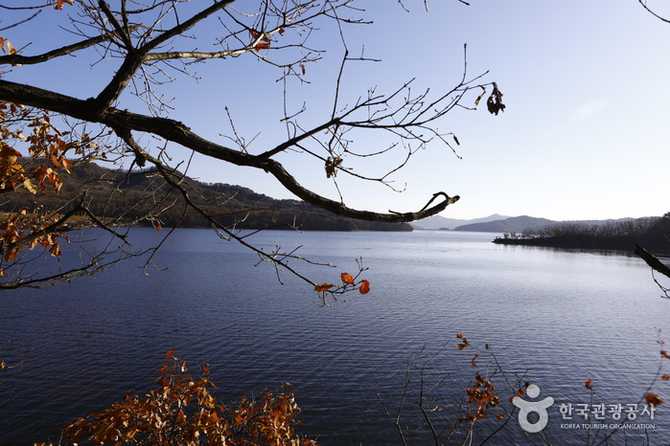
Discover Toge Reservoir: Korea’s Prime Birdwatching and Nature Spot
Are you looking for an ideal destination in Korea to enjoy birdwatching and immerse yourself in pristine natural scenery? Toge Reservoir in Cheorwon offers a perfect blend of ecological beauty and wildlife observation, especially for those interested in migratory birds like cranes. As Korea’s largest artificial reservoir, Toge provides a unique opportunity to witness endangered species such as the common crane and hooded crane during their winter months, all while enjoying stunning lake views and a rich natural environment.
Whether you’re a nature enthusiast, a family seeking eco-friendly activities, or a traveler eager to explore Korea’s ecological heritage, Toge Reservoir stands out as a must-visit destination. Open year-round and free to the public, this ecological sanctuary not only supports vital bird habitats but also offers visitors a chance to experience Korea’s natural beauty firsthand. From peaceful birdwatching to ecological education, Toge Reservoir is a highlight for eco-tourism in the Cheorwon region.
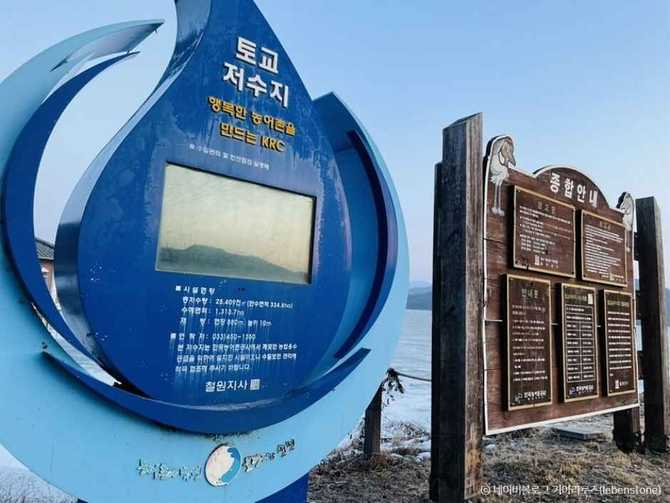
At a Glance
- Who this is for
-
- Wildlife and birdwatching enthusiasts
- Eco-tourists and nature lovers
- Families seeking eco-friendly outings
- Travelers interested in Korea’s ecological sites
- Key takeaways
-
- Constructed in 1976, Toge Reservoir is Korea’s largest artificial lake in Gangwon Province.
- Serves as a crucial winter habitat for endangered cranes like the common crane and hooded crane.
- Offers stunning views, rich aquatic life, and ecological activities all year round.
- Located near Cheorwon’s Second Tunnels, combining natural beauty with historical sites.
- Free admission, open 365 days, with optimal birdwatching during migration seasons.
- Tips & cautions
-
- Visit during autumn (October-November) or early spring (March-April) for best bird activity.
- Respect wildlife by avoiding loud noises or disruptive behavior.
- Stay within designated observation areas to protect the habitat.
- Bring binoculars, hats, and sun protection for a comfortable experience.
- Bottom line
- Experience Korea’s rich birdlife and natural scenery at Toge Reservoir, a vital ecological haven and perfect eco-tourism destination.
Located in Cheorwon County, Toge Reservoir is a remarkable ecological site where visitors can enjoy Korea’s natural beauty and observe migratory birds, especially during the winter months. Built in the 1970s, this artificial lake was designed to support local agriculture and natural ecosystems, making it an important habitat for endangered species such as cranes. The reservoir’s clear waters and abundant fish populations further enhance its ecological significance, attracting birdwatchers and nature lovers alike.
For travelers eager to combine ecological observation with cultural exploration, Toge Reservoir offers a peaceful retreat close to the historic Cheorwon Second Tunnels and other natural attractions. Its year-round accessibility and free entry make it a convenient destination for all visitors interested in Korea’s environmental conservation and bird migration phenomena. Whether you’re here for a quick visit or a dedicated birdwatching trip, Toge Reservoir promises a memorable experience immersed in Korea’s natural heritage.
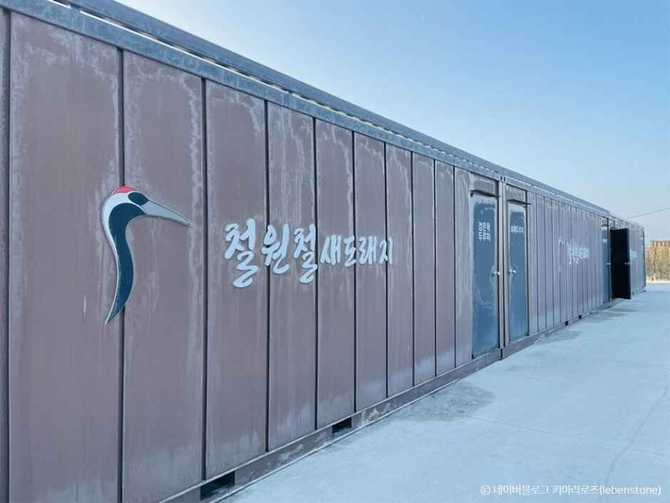
Toge Reservoir Overview and Historical Background
Toge Reservoir, also known as Cheorwon Toge Bird Sanctuary, is a prominent ecological site in Gangwon Province, Korea. As the largest artificial reservoir in the region, it plays a vital role in supporting Korea’s natural environment and migratory bird populations. This reservoir was constructed in 1976, following a government initiative that began in 1972, with the primary purpose of regulating water flow and supporting local agriculture. Its creation was also aimed at preserving the ecological balance of the Cheorwon area, which is rich in natural habitats and biodiversity.
The history of Toge Reservoir is intertwined with Korea’s post-war development and environmental conservation efforts. Before its construction, the area was part of the traditional water management system linked to the historic Bongnae Lake, which supplied water to the surrounding farmland. The reservoir was designed to redirect water from the upstream regions, helping to stabilize water supply during dry seasons and support farming activities. Over the years, it has become a critical habitat for endangered species such as the hooded crane and the common crane, especially during their winter migration periods.

Today, Toge Reservoir is recognized not only as a vital water resource but also as a protected ecological zone. Its clear waters and abundant fish populations attract numerous bird species, making it a popular destination for birdwatchers and eco-tourists. The site’s accessibility, free entry, and proximity to other natural and historical attractions make it an ideal location for eco-education and nature exploration. Visitors can enjoy scenic views, observe migratory birds, and learn about Korea’s efforts in ecological preservation. The reservoir’s historical significance and ecological importance make it a must-visit destination for those interested in Korea’s natural heritage and environmental conservation.
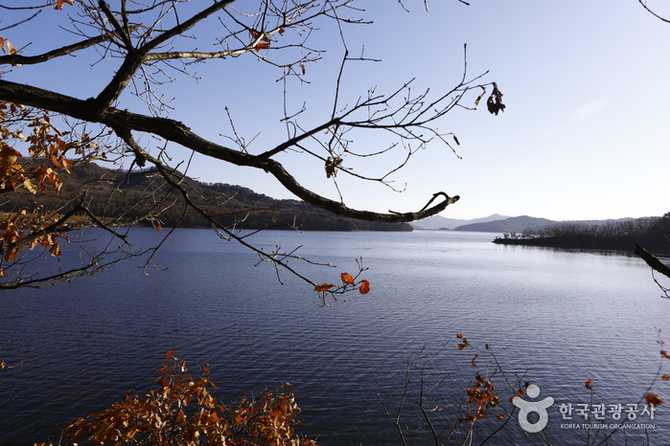
Toge Reservoir as a Bird Migration and Ecological Site: Comparison Table
| Feature | Details | Significance |
|---|---|---|
| Primary Purpose | Water regulation, ecological support, agriculture | Supports local farming and natural habitats |
| Main Ecological Role | Winter habitat for endangered cranes (e.g., hooded crane, common crane) | Vital for conservation of migratory and endangered bird species |
| Visitor Activities | Birdwatching, ecological observation, photography | Provides immersive nature experiences and eco-education opportunities |
| Accessibility | Open year-round, free admission, near Cheorwon Second Tunnels | Easy access for all visitors, promoting eco-tourism |
| Best Visiting Seasons | Autumn (October-November) and early Spring (March-April) | Optimal for observing bird migrations and flock formations |
Visitor Checklist and Tips for Toge Reservoir
- Timing your visit: Plan your trip during autumn (October-November) or early spring (March-April) for the best birdwatching experience.
- Prepare necessary gear: Bring binoculars, a camera with zoom, sun protection (hat, sunglasses), and comfortable walking shoes.
- Respect wildlife: Keep noise levels low, avoid sudden movements, and stay within designated observation zones to prevent disturbing the birds.
- Environmental conservation: Dispose of trash properly and follow guidelines to minimize ecological impact.
- Best viewing times: Early mornings, around dawn, are ideal for witnessing the cranes’ flock formations and their morning flight.
- Additional activities: Combine birdwatching with visits to Cheorwon’s Second Tunnels or nearby natural scenic spots for a comprehensive eco-tour experience.
Travel Tip
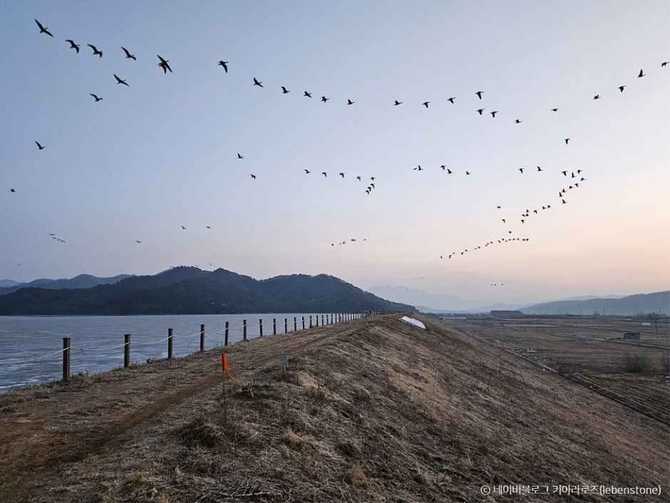
Visit during the migration seasons to witness the majestic crane formations at dawn. Remember to be patient and quiet—these moments are truly special and require a respectful approach to preserve the habitat.
Ecological Preservation and Visitor Guidelines at Toge Reservoir
| Aspect | Guidelines | Purpose |
|---|---|---|
| Respect Wildlife | Maintain low noise levels, avoid sudden movements, and stay within designated observation zones. | Minimize disturbance to the birds, especially during their wintering and breeding seasons. |
| Environmental Care | Properly dispose of trash in designated bins and avoid littering. | Protect the pristine natural environment and prevent pollution. |
| Habitat Conservation | Follow signage and stay within marked paths and observation points. | Ensure minimal ecological impact and support habitat preservation. |
| Breeding Season Awareness | Avoid activities that could disturb nesting or breeding during spring and early summer. | Protect the reproductive success of migratory birds. |
Recommended Visit Strategies and Tips for Toge Reservoir
- Optimal Visiting Seasons: Plan your trip during autumn (October-November) or early spring (March-April) to observe peak bird migration and flock formations.
- Time of Day: Early mornings, around dawn, are ideal for witnessing cranes taking flight and forming large flocks.
- Preparation: Bring binoculars, a camera with a zoom lens, sun protection (hat, sunglasses), and comfortable walking shoes for an enjoyable experience.
- Respect and Patience: Maintain a quiet demeanor and keep your distance to avoid disturbing the wildlife. Patience enhances the chance of capturing great sightings.
- Combine Activities: After birdwatching, consider exploring nearby attractions such as the Cheorwon Second Tunnels or scenic natural spots for a fuller eco-tour experience.
- Environmental Responsibility: Always dispose of trash properly and avoid making loud noises or sudden movements that could scare the birds.
- Weather Considerations: Check weather forecasts before your visit and dress appropriately for the season to ensure comfort during your outdoor activities.
Travel Tip
Visit during the migration seasons for the most spectacular views of crane flocks at dawn. Remember to keep a respectful distance and move quietly—these moments are precious and depend on preserving the natural habitat.
Whether you visit during the day or evening, Discover Toge Reservoir is a meaningful stop on any Seoul itinerary for history-minded travelers.
Frequently Asked Questions (FAQ)
Q1: What is the purpose of Toge Reservoir in Cheorwon?
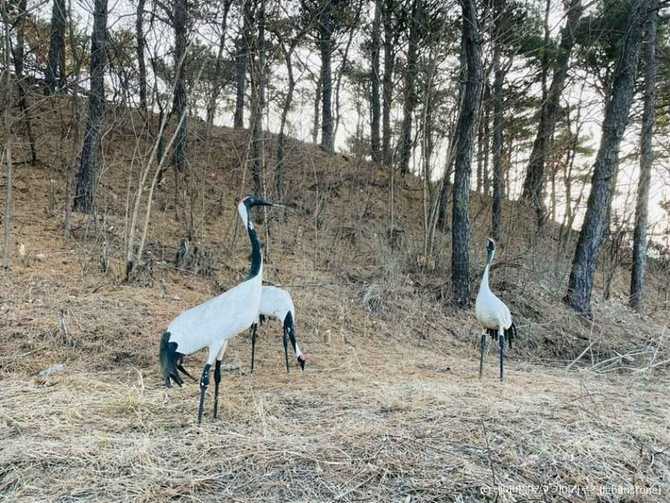
The primary purpose of Toge Reservoir is water regulation, supporting local agriculture, and ecological conservation. It also serves as a habitat for migratory birds, especially endangered cranes during winter.
Q2: Which migratory birds can be observed at Toge Reservoir?

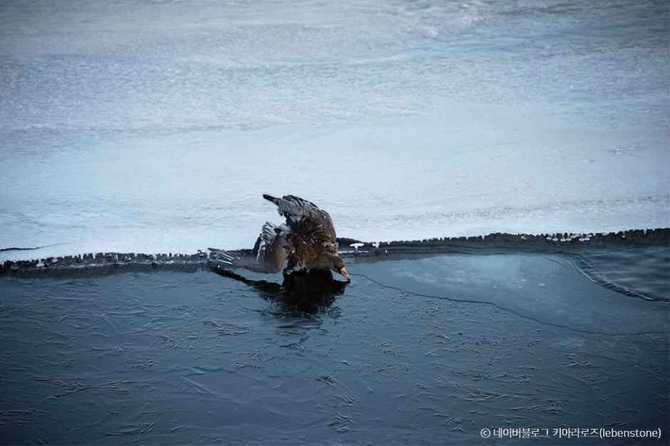
Endangered crane species such as the hooded crane and common crane are commonly observed during their winter migration at Toge Reservoir. Visitors may also see various waterfowl and migratory bird flocks.
Q3: When is the best time to visit Toge Reservoir for birdwatching?
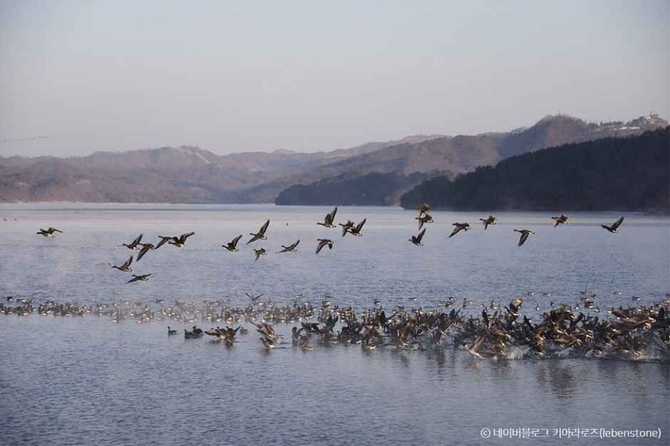
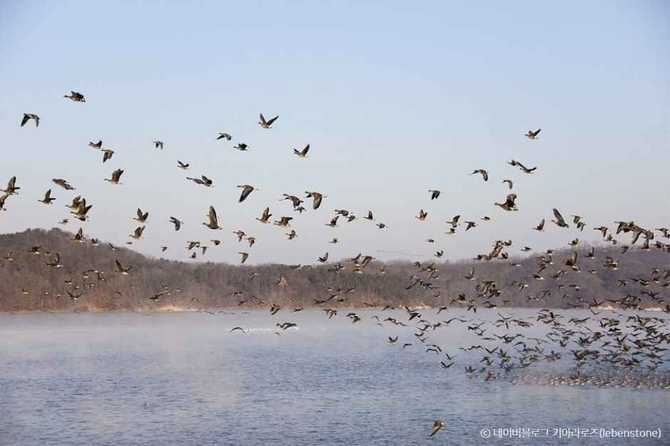
The optimal visiting periods are during autumn (October to November) and early spring (March to April), when migratory birds are most active and their flock formations are visible.
Q4: Is there an entrance fee to visit Toge Reservoir?
No, Toge Reservoir is open year-round with free admission, allowing anyone to visit and enjoy the natural scenery and birdwatching opportunities.

Q5: How can visitors help protect the ecological environment at Toge Reservoir?
Visitors should avoid loud noises, stay within designated observation zones, and dispose of trash properly to minimize disturbance to the wildlife and preserve the habitat.
Q6: What activities can visitors enjoy at Toge Reservoir?
Visitors can observe migratory birds, enjoy scenic natural views, participate in ecological observation, and combine their visit with nearby attractions like the Cheorwon Second Tunnels for a comprehensive eco-tour experience.
Final Tips for Visiting Toge Reservoir
Visiting Toge Reservoir, Korea’s prime birdwatching and nature spot, offers a unique opportunity to experience Korea’s rich ecological heritage. To make the most of your visit, plan ahead by choosing the right season—autumn (October-November) and early spring (March-April)—when migratory birds like cranes are most active and visible. Remember to bring essential gear such as binoculars, a camera with zoom, and sun protection to enhance your birdwatching experience. Respect for the environment and wildlife is crucial; keep noise levels low, stay within designated observation areas, and dispose of trash properly to help preserve this vital habitat. Visiting early in the morning will give you the best chance to witness the majestic crane formations during their dawn flight. Combining your trip with nearby attractions like the Cheorwon Second Tunnels can enrich your ecological exploration. By following these tips, you will enjoy a meaningful and responsible eco-tourism experience at Toge Reservoir. This site not only showcases Korea’s natural beauty but also highlights the importance of conservation efforts, making your visit both enjoyable and environmentally conscious.