
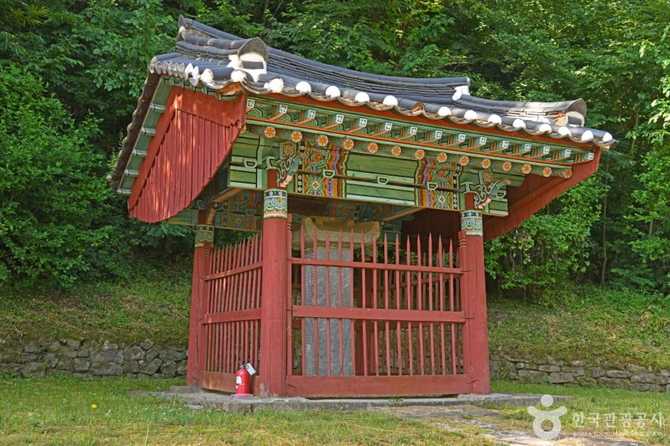
출처 : ⓒ한국관광콘텐츠랩 또는 ⓒ한국관광공사
Discover the Significance of the Kwon Chung-min Gong Sunjeolbi: Korea’s Historic Loyalty Monument
Location 충청남도 금산군 제원면 저곡리 산25-1
Location 충청남도 금산군 제원면 저곡리 산25-1
Are you interested in Korea’s rich cultural heritage and historical landmarks that honor loyalty and sacrifice? Explore the Kwon Chung-min Gong Sunjeolbi, a vital cultural relic that commemorates regional patriotism during the Imjin War, and learn how this monument offers a unique window into Korea’s history and values.
At a glance
- Who this is for
-
- Visitors interested in Korean history and cultural heritage
- Students and researchers studying the Imjin War and regional patriotism
- Travelers exploring historic sites in Geumsan, Chungcheongnam-do
- History enthusiasts seeking meaningful cultural experiences
- Key takeaways
-
- The Kwon Chung-min Gong Sunjeolbi commemorates loyalty during the Imjin War
- Located in Geumsan County, Chungcheongnam-do, at Jeogok-ri, Jemyon-myeon
- Established in 1878 and restored in 1941, protected by local communities
- Features inscriptions by notable scholars and calligraphers
- Nearby attractions include Gireogi Park and Geumgang Ecological Science Center
- Tips & cautions
-
- The monument was damaged during Japanese occupation but was restored afterward
- Visit with respect for the historical site and surrounding natural environment
- Combine your visit with nearby scenic spots for a richer experience
- Bottom line
- Visiting the Kwon Chung-min Gong Sunjeolbi offers a profound insight into Korea’s patriotism and history, making it a meaningful cultural experience.
The Kwon Chung-min Gong Sunjeolbi is an important cultural relic located in Geumsan County, Chungcheongnam-do, South Korea. This historic monument was erected to honor the loyalty and sacrifice of local officials during the tumultuous period of the Imjin War (1592–1598). As a symbol of regional patriotism, the monument not only commemorates the bravery of the military figures but also embodies the enduring spirit of loyalty deeply rooted in Korean culture. Visitors interested in Korea’s history, especially the stories of sacrifice and patriotism during wartime, will find this site a compelling destination. The monument’s historical significance is complemented by its scenic surroundings, including nearby parks and ecological centers, making it an ideal spot for both cultural learning and nature appreciation.
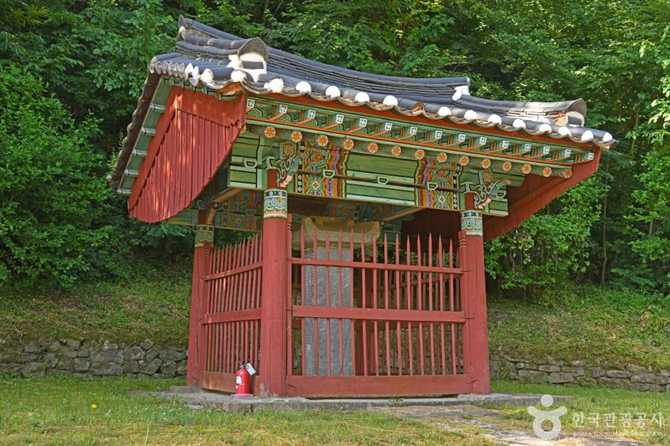
Understanding the background of the Kwon Chung-min Gong Sunjeolbi enriches your visit, offering insights into Korea’s regional history and the values that have shaped its national identity. Whether you are a history enthusiast, a student, or a traveler seeking authentic cultural experiences, this monument provides a meaningful connection to Korea’s past. Its location, history, and ongoing preservation efforts highlight the importance of remembering and honoring those who displayed unwavering loyalty in times of crisis. Prepare to explore a site that blends historical depth with natural beauty, and gain a deeper appreciation for Korea’s rich cultural landscape.
Kwon Chung-min Gong Sunjeolbi: Overview and Historical Background
The Kwon Chung-min Gong Sunjeolbi is a significant cultural monument located in Geumsan County, Chungcheongnam-do, South Korea. This historic memorial was erected to honor the loyalty and sacrifice of local officials during the Imjin War (1592–1598), a pivotal period in Korea’s history marked by Japanese invasions. The monument specifically commemorates the unwavering loyalty of Governor Kwon Jong and his son, Kwon Jun, who chose to sacrifice their lives rather than betray their country during this turbulent time. As a symbol of regional patriotism and moral integrity, the Sunjeolbi embodies core values deeply rooted in Korean culture—namely loyalty, sacrifice, and integrity.
Constructed in 1878 (during the reign of King Gojong), the monument has endured through Korea’s tumultuous history, including the Japanese occupation, during which it was damaged but later restored. Its inscriptions, written by notable scholars such as Lee Seung-bo and calligraphed by Jeong Hyun, reflect the profound respect the local community holds for these historical figures. The monument’s preservation highlights the importance placed on remembering Korea’s patriotic sacrifices and fostering a sense of national identity.
Today, the Kwon Chung-min Gong Sunjeolbi is not only a site of historical reflection but also an educational resource for visitors interested in Korea’s history of resistance and loyalty. Its location, surrounded by scenic natural landscapes, offers an immersive experience that combines cultural heritage with the beauty of the natural environment. Visiting this monument provides valuable insights into the values that have shaped Korea’s national character and offers a meaningful connection to the past, making it an essential destination for history enthusiasts and cultural explorers alike.
Location and Detailed Information of the Kwon Chung-min Gong Sunjeolbi
| Comparison Item | Details |
|---|---|
| Location | Geumsan County, Chungcheongnam-do, South Korea |
| Specific Address | Jeogok-ri, Jemyon-myeon, Geumsan-gun, Chungcheongnam-do, South Korea ( 산25-1 저곡리) |
| Nearest Landmark | Approx. 50 meters southwest of the Jeonamdaegyo entrance |
| Established | 1878 (during the reign of King Gojong) |
| Restoration & Preservation | Restored in 1941; protected under a dedicated pavilion since 1974 |
| Current Status | Designated cultural heritage site, well-preserved with ongoing maintenance |
The monument’s precise location makes it accessible for visitors exploring Geumsan County’s cultural sites. Its proximity to other scenic spots, such as Geumgang Ecological Science Center and Gireogi Park, enhances the overall experience of visiting the area. The site is open year-round, allowing visitors to appreciate Korea’s historical heritage amidst natural beauty. When planning your visit, consider combining it with nearby attractions to enrich your cultural journey and enjoy the scenic environment surrounding the monument.
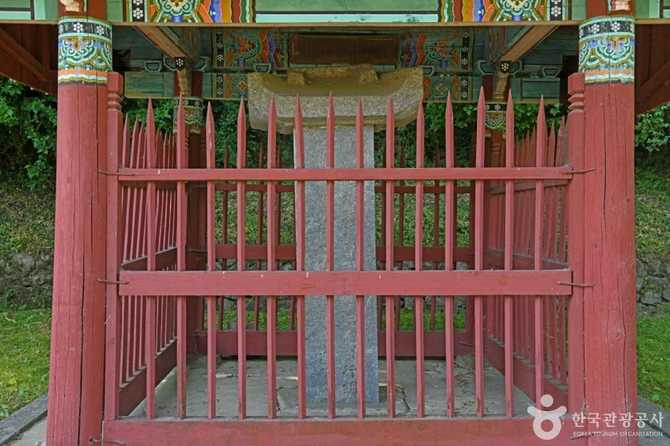
Inscription and Calligraphy Significance of the Kwon Chung-min Gong Sunjeolbi
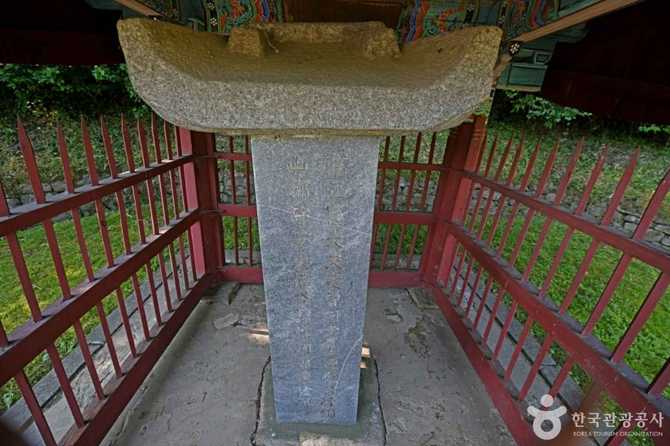
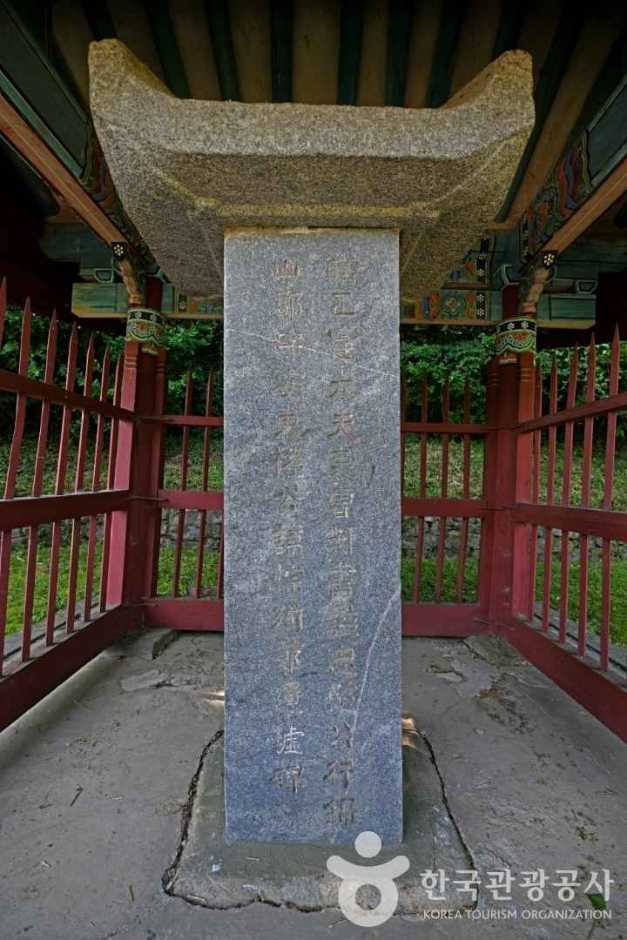
- Inscriptions: The main inscription on the monument reads ‘증정헌대부이조판서시충민공행금산군수안동권공휘종순절유허비’, emphasizing the dedication to loyalty and sacrifice of Governor Kwon Jong and his son.
- Calligraphy: The calligraphy was crafted by Jeong Hyun, a renowned Korean calligrapher, whose elegant brushwork adds artistic value to the monument.
- Author of the inscription: The inscription was written by Lee Seung-bo, a respected scholar, reflecting the scholarly appreciation of the figures’ patriotism.
- Content focus: The text highlights themes of loyalty, sacrifice, and moral integrity, serving as a moral lesson for future generations.
Restoration and Preservation Efforts of the Kwon Chung-min Gong Sunjeolbi
| Restoration/Preservation Aspect | Details |
|---|---|
| Initial Damage | The monument was damaged during the Japanese occupation in 1941 |
| Restoration Year | Restored in 1941 after damage |
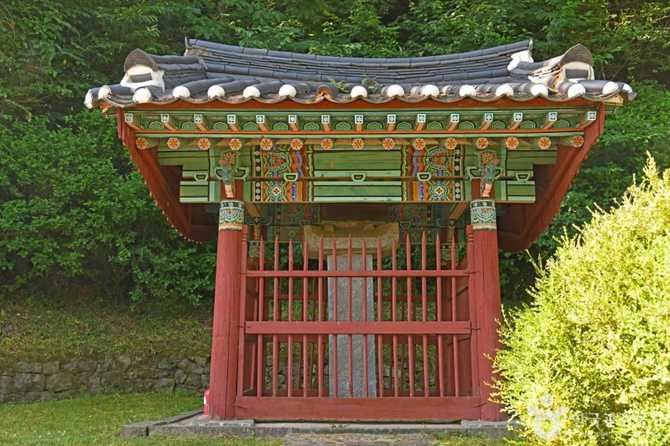
| Protection Structure | A dedicated pavilion (비각) was constructed in 1974 to protect the monument |
| Current Maintenance | Ongoing management by local authorities and cultural preservation groups |
| Community Involvement | Local residents and scholars participate in preservation efforts |
The preservation of the Kwon Chung-min Gong Sunjeolbi has been a continuous effort, ensuring the monument remains a vital part of Korea’s cultural heritage. After suffering damage during the Japanese occupation, the monument was carefully restored in 1941. Recognizing its importance, a protective pavilion was erected in 1974, providing physical safeguarding against natural elements and vandalism. Today, the site is maintained through regular inspections, conservation work, and active community involvement, reflecting Korea’s commitment to preserving its historical sites for future generations.
Visiting Tips and Nearby Attractions of the Kwon Chung-min Gong Sunjeolbi
- Plan your visit during spring or autumn for optimal weather and scenic beauty.
- Combine your trip with nearby natural attractions such as Gireogi Park and Geumgang Ecological Science Center.
- Respect the monument and surrounding environment; avoid littering and causing damage.
- Take time to appreciate the calligraphy and inscriptions, which reflect Korea’s artistic heritage.
- Use the nearby parking facilities and public transportation options for convenient access.
- Bring a camera or smartphone to capture the scenic landscapes and cultural relics.
- Consider visiting during local festivals or cultural events to enhance your experience.
Whether you visit during the day or evening, Discover the Significance of the is a meaningful stop on any Seoul itinerary for history-minded travelers.
Frequently Asked Questions (FAQ)
Q1: What is the historical significance of the Kwon Chung-min Gong Sunjeolbi?
The Kwon Chung-min Gong Sunjeolbi commemorates the loyalty and sacrifice of Governor Kwon Jong and his son during the Imjin War. It symbolizes regional patriotism and the enduring spirit of loyalty in Korean culture.
Q2: Where is the Kwon Chung-min Gong Sunjeolbi located?
It is situated in Geumsan County, Chungcheongnam-do, South Korea, specifically at Jeogok-ri, Jemyon-myeon, near the entrance of the Jeonamdaegyo Bridge, approximately 50 meters southwest.
Q3: What does the inscription on the monument say?

The inscription reads ‘증정헌대부이조판서시충민공행금산군수안동권공휘종순절유허비,’ highlighting the loyalty and sacrifice of Governor Kwon Jong and his son. The calligraphy was created by Jeong Hyun, and the inscription was written by Lee Seung-bo.
Q4: When was the Kwon Chung-min Gong Sunjeolbi erected?
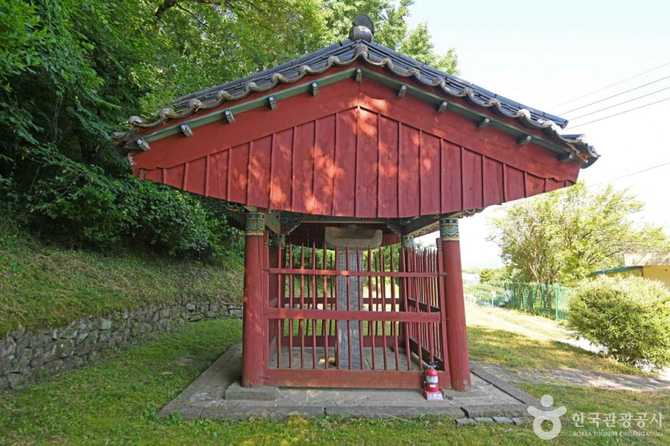
The monument was established in 1878 during the reign of King Gojong. It was damaged during the Japanese occupation in 1941 but was later restored and protected under a pavilion since 1974.
Q5: How has the monument been preserved and protected over the years?
The monument was damaged during the Japanese occupation but was restored in 1941. A dedicated pavilion was built in 1974 for protection, and ongoing maintenance is carried out by local authorities and cultural groups.
Q6: What nearby attractions can visitors explore when visiting the Kwon Chung-min Gong Sunjeolbi?
Nearby attractions include Gireogi Park, the Geumgang Ecological Science Center, and scenic spots along the Geumgang River, offering a combination of cultural and natural experiences.
Final Thoughts on Visiting the Kwon Chung-min Gong Sunjeolbi
Visiting the Kwon Chung-min Gong Sunjeolbi offers a meaningful opportunity to connect with Korea’s rich history of loyalty and patriotism. This historic monument stands as a powerful reminder of the sacrifices made by local officials during the turbulent times of the Imjin War, embodying the enduring values that continue to shape Korean identity today. When planning your trip, take the time to appreciate not only the historical significance of the monument but also its scenic surroundings, including nearby parks and ecological centers. Combining your visit to the Kwon Chung-min Gong Sunjeolbi with exploration of the natural environment creates a well-rounded cultural experience that enhances your understanding of Korea’s regional heritage. Remember to respect the site and its preservation efforts, as it remains an important cultural asset for future generations. Whether you are a history enthusiast, a student, or a traveler seeking authentic cultural insights, this site provides a profound glimpse into Korea’s patriotic spirit. Visiting this monument will undoubtedly leave a lasting impression and deepen your appreciation for Korea’s historical and cultural landscape.