

출처 : ⓒ한국관광콘텐츠랩 또는 ⓒ한국관광공사
Discover the Seoul Education Museum: Korea’s Educational Heritage
Location 서울특별시 종로구 북촌로5길 48 (화동)
Location 서울특별시 종로구 북촌로5길 48 (화동)
Are you interested in exploring Korea’s rich educational history and understanding how education has shaped modern society? The Seoul Education Museum offers an insightful journey into Korea’s pedagogical evolution, making it an ideal destination for students, educators, and history enthusiasts alike.
Located in the heart of Seoul, the Seoul Education Museum provides a comprehensive look at Korea’s educational development through engaging exhibits, historical artifacts, and multimedia displays. Whether you’re curious about past teaching methods, curriculum changes, or the future of education in Korea, this museum offers a meaningful experience for visitors of all ages.
At a glance
- Who this is for
-
- Students and researchers interested in Korean education history
- Teachers and education professionals
- Cultural and museum visitors exploring Korea’s educational heritage
- History enthusiasts seeking insights into Korea’s societal development
- Key takeaways
-
- Established in 1995 as a dedicated education museum in Seoul
- Features exhibits on Korea’s educational evolution, including artifacts, photos, and documents
- Open weekdays from 09:00 to 18:00 and weekends from 09:00 to 17:00
- Free admission with no parking fee, but closed on certain holidays and Wednesdays
- Offers a unique opportunity to learn about Korea’s educational values and future visions
- Tips & cautions
-
- Check operating hours and holidays before visiting
- Avoid touching exhibits and follow photography rules
- Reserve group visits in advance if possible
- Refrain from bringing food and drinks into the museum
- Bottom line
- Visit the Seoul Education Museum to experience Korea’s educational journey firsthand and gain insights into the future of learning in Korea.
The Seoul Education Museum stands as a vital cultural institution dedicated to preserving and showcasing the history of education in Korea. Since its opening in 1995, it has served as a hub for understanding how educational policies, curricula, and teaching practices have evolved over the decades. Located in Jongno-gu, Seoul, this museum offers visitors a chance to explore a wide array of educational artifacts, photographs, and documents that illustrate Korea’s commitment to learning and societal development.

Whether you are a student researching Korea’s education system, a teacher looking for historical context, or a tourist interested in cultural heritage, the Seoul Education Museum provides an enriching experience. Its exhibits not only highlight the past but also inspire future educational innovations. With free entry and accessible facilities, it invites everyone to delve into Korea’s educational legacy and reflect on the values that continue to shape its society.
Before planning your visit, be sure to check the museum’s operating hours and holidays, as it closes on certain days, including the first and third Wednesdays of each month and public holidays. The museum’s friendly staff can assist with group reservations and provide additional information to ensure a smooth and educational visit. Discover how Korea’s education system has grown and transformed over the years, and imagine the future of learning at this important cultural site.

Overview and History of Seoul Education Museum
The Seoul Education Museum is a dedicated cultural institution that offers visitors an insightful look into Korea’s educational evolution. Located in the heart of Seoul, specifically in Jongno-gu at 48 Bukchon-ro 5-gil, this museum serves as a vital repository of Korea’s educational history, showcasing artifacts, photographs, and documents that reflect the development of the country’s schooling system over the decades. Since its opening in 1995, the museum has played a crucial role in preserving and presenting Korea’s rich educational heritage to both locals and international visitors.
The primary focus of the Seoul Education Museum is to provide an educational experience that connects the past, present, and future of Korean education. It aims to deepen visitors’ understanding of how Korea’s education system has transformed through various historical periods, from traditional Confucian schooling to modern, innovative teaching methods. The museum’s exhibits include a wide array of educational artifacts, such as old textbooks, teaching tools, photographs of historical classrooms, and official documents, which illustrate the significant milestones in Korea’s educational journey.
Established on June 15, 1995, the museum was created with the vision of fostering a greater appreciation for Korea’s educational achievements and challenges. It also emphasizes future educational visions, encouraging visitors to think about how Korea’s education can continue to evolve in the context of global trends and technological advancements. The museum’s role extends beyond mere preservation; it actively promotes educational research and cultural exchange, making it a hub for scholars, students, teachers, and anyone interested in Korea’s educational legacy.
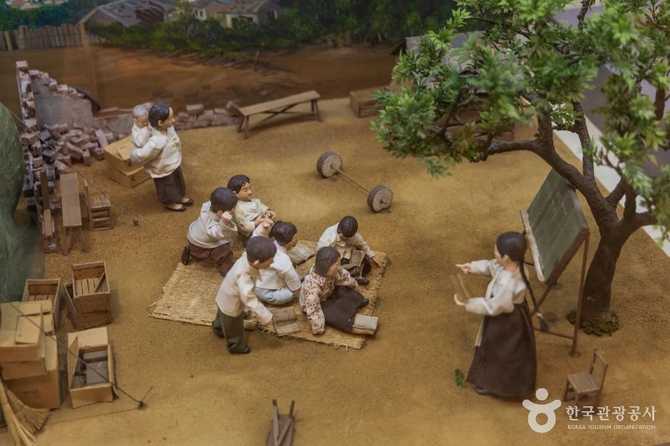
In summary, the Seoul Education Museum is a comprehensive space that not only chronicles Korea’s educational history but also inspires ongoing dialogue about educational innovation. Its strategic location in Seoul makes it accessible for both local residents and international tourists eager to explore Korea’s societal development through the lens of education. Visiting this museum provides a meaningful opportunity to understand the values, struggles, and triumphs that have shaped Korea’s educational landscape over the years.
Comparison of Exhibits and Collections at Seoul Education Museum
| Exhibit Category | Description | Notable Items |
|---|---|---|
| Historical Educational Artifacts | Displays of traditional teaching tools, old textbooks, and classroom materials from different eras. | Confucian school implements, early 20th-century textbooks, and examination papers. |
| Photographic Archives | Collection of photographs capturing Korea’s educational environments and key historical moments. | Classroom scenes from the 1950s, graduation ceremonies, and school festivals. |
| Official Documents & Records | Official policies, curriculum frameworks, and administrative records illustrating education reforms. | Education law amendments, reform plans, and historical curriculum documents. |
| Interactive and Multimedia Displays | Digital exhibits and multimedia presentations that explain educational concepts and history. | Video documentaries, interactive timelines, and virtual classroom experiences. |
Visiting the Seoul Education Museum: Checklist and Tips
- Check Operating Hours: The museum is open on weekdays from 09:00 to 18:00 and on weekends from 09:00 to 17:00.
- Plan Your Visit: Remember that the museum is closed on the first and third Wednesdays of each month, as well as public holidays.
- Admission: Entry is free, so be sure to bring your ID or relevant documentation if needed.
- Group Reservations: For school trips or large groups, it’s recommended to contact the museum in advance to reserve your visit.
- Parking: Parking facilities are available nearby; however, plan accordingly during busy hours.
- Prepare for Exhibits: Avoid touching artifacts and follow photography rules to preserve the exhibits.
- Bring Snacks: Food and drinks are not allowed inside, so plan to enjoy refreshments outside the museum.
- Visit During Off-Peak Hours: To enjoy a more relaxed experience, consider visiting early in the morning or later in the afternoon.
Visitor Tips and Guidelines for Seoul Education Museum
| Tip or Guideline | Details |
|---|---|
| Check Operating Hours | The museum is open on weekdays from 09:00 to 18:00 and on weekends from 09:00 to 17:00. Verify hours before your visit to avoid missing out. |
| Be Aware of Closed Days | The museum is closed every first and third Wednesday of the month, as well as on public holidays. Plan your visit accordingly. |
| Admission is Free | There is no entrance fee, but bringing valid ID may be helpful for verification if needed. |
| Group Visits | For school groups or large parties, contact the museum in advance to reserve your visit and ensure smooth entry. |
| Parking Facilities | Parking is available nearby; however, during peak times, arrive early or consider public transportation. |
| Photography Rules | Photography is permitted in designated areas. Do not touch exhibits or flash photos to preserve artifacts. |
| Food and Drinks | Eating and drinking inside the museum are not allowed. Plan to enjoy refreshments outside the premises. |
| Visit During Off-Peak Hours | To enjoy a quieter experience, consider visiting early in the morning or later in the afternoon on open days. |
Getting to Seoul Education Museum & Visitor Checklist
- Address: 48 Bukchon-ro 5-gil, Jongno-gu, Seoul
- Phone: 02-2011-5780
- Official Website: https://edumuseum.sen.go.kr/edumuseum
- Operating Hours: Weekdays 09:00–18:00, Weekends 09:00–17:00
- Closed on: First and third Wednesdays of each month, public holidays
- Admission Fee: Free
- Parking: Available nearby; plan accordingly during busy periods
- Verify the museum’s operating hours and holiday schedule before your visit.
- Prepare your ID or relevant documentation to facilitate entry if required.
- Make a reservation in advance for group visits to ensure smooth access.
- Plan your transportation, considering parking options or public transit routes.
- Dress comfortably and follow all museum guidelines for a respectful visit.
- Bring a camera within permitted zones to capture memories of your educational journey.
- Check the weather forecast to dress appropriately, especially if you plan to park or walk outside.
Whether you visit during the day or evening, Discover the Seoul Education Museum is a meaningful stop on any Seoul itinerary for history-minded travelers.
Frequently Asked Questions (FAQ)
Q1: When was the Seoul Education Museum established?
The Seoul Education Museum opened on June 15, 1995, as a specialized institution dedicated to preserving Korea’s educational history and artifacts.
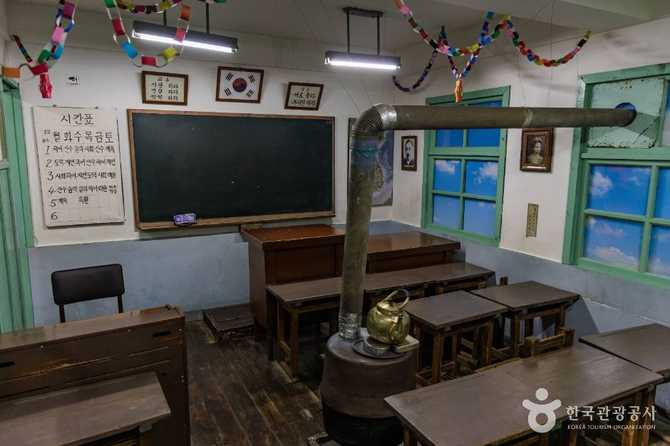
Q2: What are the operating hours of the Seoul Education Museum?
The museum is open from 09:00 to 18:00 on weekdays and from 09:00 to 17:00 on weekends. It is closed on the first and third Wednesdays of each month and public holidays.
Q3: Is there an entrance fee for visiting the Seoul Education Museum?
No, admission to the Seoul Education Museum is free of charge, making it accessible for all visitors interested in Korea’s educational heritage.
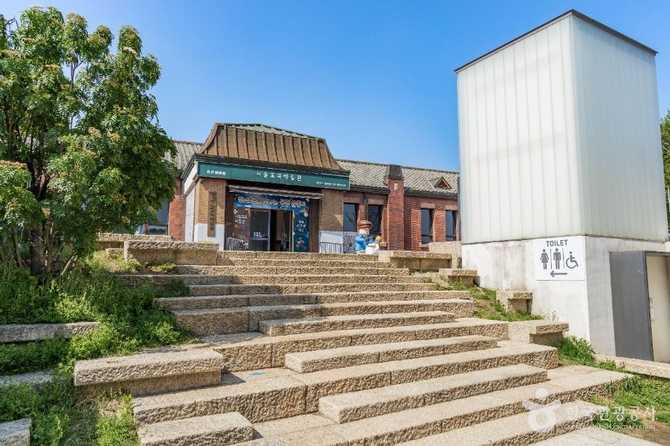
Q4: Can I park my vehicle at the Seoul Education Museum?
Yes, parking facilities are available nearby the museum. Visitors are advised to plan accordingly during busy hours, especially on weekends and holidays.
Q5: What types of exhibits are displayed at the Seoul Education Museum?
The museum showcases educational artifacts, photographs, documents, and multimedia displays related to Korea’s educational development, including historical textbooks, teaching tools, and official records.
Q6: Do I need to make a reservation for group visits?
Yes, group visits, especially school or large group tours, require prior reservation. It is recommended to contact the museum in advance to arrange your visit.
Final Tips for Visiting the Seoul Education Museum
Visiting the Seoul Education Museum offers a valuable opportunity to deepen your understanding of Korea’s educational history and reflect on the future of learning. To ensure a smooth and enriching experience, it is essential to plan your visit carefully. Be sure to verify the museum’s operating hours and holiday closures before heading out, especially since the museum is closed on the first and third Wednesdays of each month, as well as public holidays. This will help you avoid disappointment and make the most of your time exploring the exhibits.
Remember that admission is free, but certain rules are in place to preserve the exhibits. Refrain from touching artifacts and follow photography guidelines, which typically restrict flash photography or photographing certain sensitive displays. If you’re visiting with a group, especially school trips or large parties, it is advisable to make a reservation in advance to ensure a smooth entry and guided experience. Parking is available nearby; however, during peak hours, it may be crowded, so plan accordingly.
To enhance your visit, consider arriving during off-peak hours early in the morning or later in the afternoon when the museum tends to be less crowded. Bring some snacks to enjoy outside, as food and drinks are not permitted inside the museum to protect the exhibits. By following these practical tips, you can fully appreciate the educational treasures on display and gain meaningful insights into Korea’s rich educational heritage. Remember, the Seoul Education Museum is a unique space that combines history, culture, and future visions of education, making it an inspiring destination for all visitors eager to explore Korea’s educational journey.