
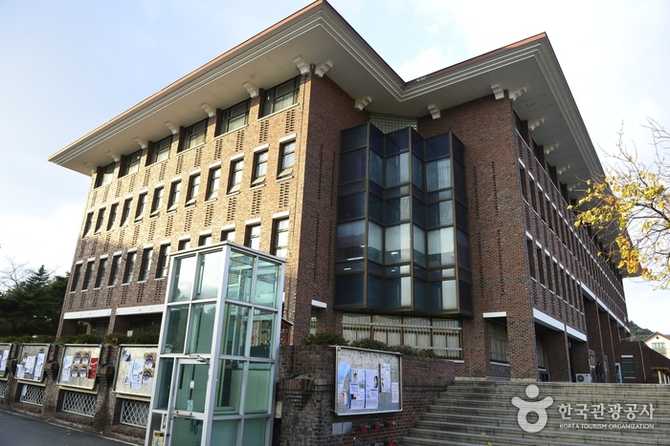
Discover the Rich Heritage at Gyeongju Dongguk University WISE Campus Museum
Are you interested in exploring Korea’s ancient Buddhist artifacts and archaeological sites? Visiting the Gyeongju Dongguk University WISE Campus Museum offers a unique opportunity to delve into Korea’s rich cultural history through its extensive collection of relics and archaeological discoveries. This museum, located in the historic city of Gyeongju, specializes in Buddhist artifacts and ancient excavations, providing visitors with an enriching cultural experience.
Whether you are a history enthusiast, a researcher, or a traveler eager to learn about Korea’s ancient Buddhist culture, the Gyeongju Dongguk University WISE Campus Museum is a must-visit destination. It houses approximately 3,000 relics, including metal objects, jade and stone carvings, pottery, and calligraphy works, all meticulously preserved and displayed. The museum’s facilities include exhibition halls, storage rooms, and research laboratories, making it a hub for scholarly activity and cultural preservation.
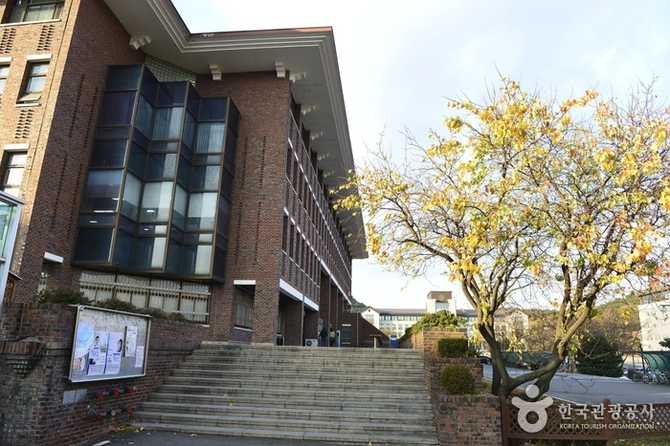
Established in 1983, the museum has grown into a vital cultural institution that not only showcases relics but also actively conducts archaeological excavations around Gyeongju, uncovering ancient sites like Seokjang-dong and Namsan Cheonryongsa. The museum’s mission is to promote understanding of Korea’s Buddhist heritage and ancient history through its research and exhibitions. Best of all, admission is free, making it accessible to all visitors eager to explore Korea’s fascinating past.
At a glance
- Who this is for
-
- History and cultural heritage enthusiasts
- Researchers and scholars of Korean Buddhism and archaeology
- Travelers exploring Gyeongju’s historic sites
- Students and educators interested in Korean history
- Key takeaways
-
- Founded in 1983, focusing on Buddhist relics and archaeological research
- Houses around 3,000 artifacts including metal, jade, pottery, and calligraphy
- Significant excavations include Seokjang-dong and Cheonryongsa sites
- Free entry with facilities like exhibition halls, storage, and research labs
- Closed on weekends and public holidays; group visits require prior arrangement
- Tips & cautions
-
- Check operating hours and holiday closures before visiting
- Advance booking recommended for group tours
- Parking is available; public transportation is convenient
- Respect museum guidelines to preserve artifacts
- Bottom line
- Gyeongju Dongguk University WISE Campus Museum is a cultural treasure trove that offers profound insights into Korea’s Buddhist history and archaeological achievements.
Located in the historic city of Gyeongju, the Dongguk University WISE Campus Museum is a renowned cultural institution dedicated to the research and display of Korea’s Buddhist relics and ancient archaeological sites. Since its opening in 1983, the museum has played a pivotal role in preserving and showcasing Korea’s rich cultural heritage, especially its Buddhist history and artifacts.
The museum’s collection features approximately 3,000 relics, including metal artifacts, jade and stone carvings, pottery, and calligraphy, all carefully curated to reflect Korea’s ancient past. Visitors can explore excavations from significant sites such as Seokjang-dong and Cheonryongsa, which have yielded invaluable insights into Korea’s Buddhist and archaeological history. The museum actively conducts research and excavations, contributing to the understanding of Korea’s ancient civilizations.
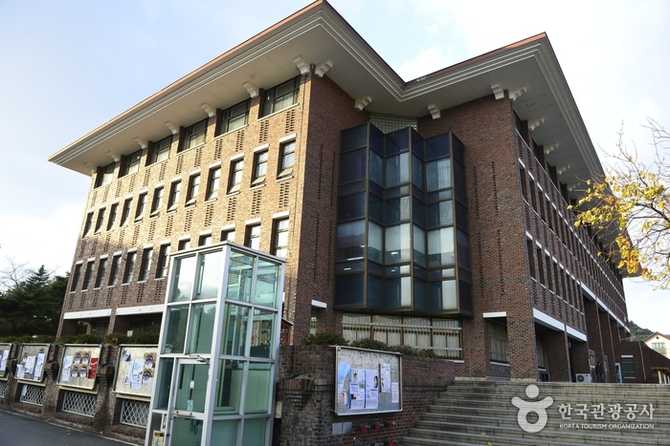
Accessibility is a key feature of the museum, with free admission and facilities designed to support both casual visitors and scholars. Its exhibition halls, research labs, and storage areas are dedicated to the preservation and study of relics. The museum is closed on weekends and public holidays, so planning ahead is recommended. For group visits, prior arrangements are necessary to ensure a smooth experience.
Whether you are interested in Korea’s ancient religious artifacts or archaeological discoveries, the Gyeongju Dongguk University WISE Campus Museum offers an immersive experience into Korea’s cultural and spiritual history. Its strategic location in Gyeongju, a city famous for its ancient tombs and temples, makes it an ideal destination for cultural exploration and learning.
Museum Overview & History
The Gyeongju Dongguk University WISE Campus Museum is a prominent cultural institution dedicated to the preservation, research, and exhibition of Korea’s ancient Buddhist artifacts and archaeological sites. Located in the historic city of Gyeongju, renowned for its rich cultural heritage and ancient tombs, the museum plays a vital role in deepening understanding of Korea’s Buddhist history and archaeological achievements. Established in 1983, the museum was founded with the core purpose of fostering academic research and spiritual cultivation based on Buddhist principles. Over the decades, it has expanded its collection and facilities, becoming a hub for scholars, students, and visitors interested in Korea’s ancient past.
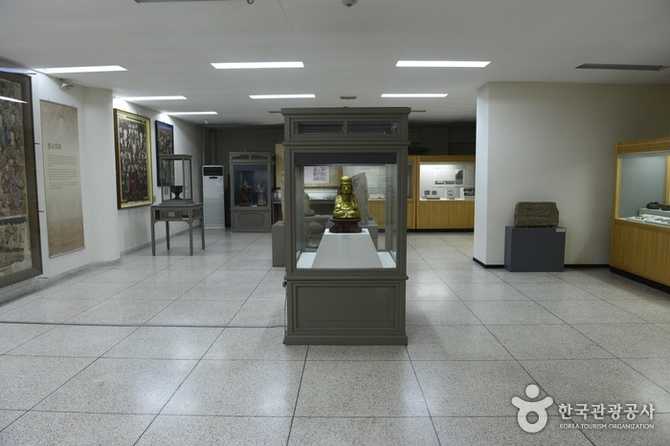
Initially housed within the university’s library building, the museum has undergone significant modernization and expansion. Today, it boasts dedicated exhibition halls, research laboratories, and storage facilities that support its mission of cultural preservation and scholarly research. The museum’s collection of approximately 3,000 relics includes metal artifacts, jade and stone carvings, pottery, and calligraphy works, each carefully curated to reflect Korea’s rich Buddhist and ancient history. The museum actively conducts archaeological excavations at key sites such as Seokjang-dong and Namsan Cheonryongsa, uncovering invaluable relics that shed light on Korea’s religious and social life during various historical periods.
Throughout its history, the museum has contributed significantly to the understanding of Korea’s ancient civilizations through its research activities and public exhibitions. It also serves as an educational resource for students and scholars, promoting academic exchanges and archaeological studies. Visitors can explore excavated sites, view ancient relics, and learn about the historical context of Korea’s Buddhist culture. The museum’s commitment to public education is reflected in its free admission policy, making it accessible to everyone interested in Korea’s cultural heritage. Whether you are a history enthusiast, a researcher, or a traveler exploring Gyeongju’s historic landscape, the Gyeongju Dongguk University WISE Campus Museum offers a comprehensive insight into Korea’s ancient and spiritual past.
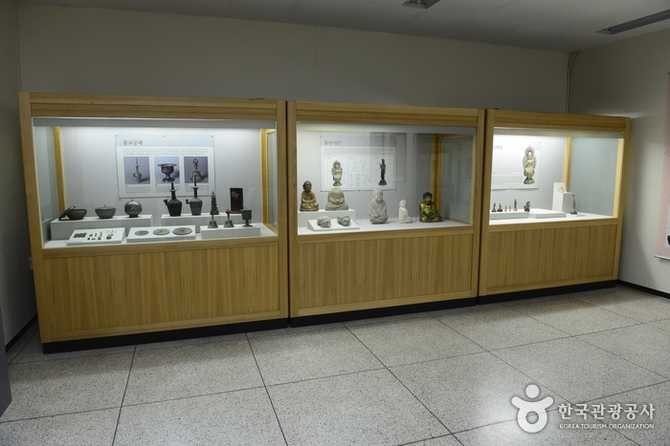
Comparison of Major Artifacts and Collections
| Artifact Type | Number of Items | Features & Highlights |
|---|---|---|
| Metal Artifacts | 483 | Includes Buddhist sculptures, ceremonial objects, and decorative metalworks, showcasing craftsmanship from various periods. |
| Jade and Stone Carvings | 311 | Refined carvings used in religious rituals and as decorative items, illustrating advanced craftsmanship and spiritual symbolism. |
| Pottery | 1,622 | Includes daily-use vessels, ritual pottery, and funerary urns from ancient sites, reflecting social and religious practices. |
| Calligraphy & Paintings | 99 | Buddhist paintings and calligraphy works that depict religious themes and historical scenes, emphasizing artistic expression. |
Excavated Sites & Research Achievements
- Seokjang-dong Excavation: An important archaeological site where numerous Buddhist relics and stone sculptures were uncovered, providing insights into early Buddhist practices in Korea.
- Namsan Cheonryongsa Temple Site: Excavations revealed ancient temple remains, stone pagodas, and ritual objects, highlighting the religious landscape of Namsan Mountain.
- 1994 Gold-Inlaid Rock Carving Discovery: A significant find of ancient rock carvings with gold inlay, considered a valuable piece of Korean religious art and craftsmanship.
- 2011 Silla Dynasty Tombs: Excavations of royal tombs from the Unified Silla period, offering valuable information about royal burials, artifacts, and social hierarchy.
The research achievements of the Gyeongju Dongguk University WISE Campus Museum significantly contribute to understanding Korea’s ancient history and Buddhist culture. The excavations at these sites have uncovered invaluable relics, including stone sculptures, temple remains, and ancient inscriptions, which are critical for scholarly analysis. The 1994 discovery of gold-inlaid rock carvings, for example, is regarded as a masterpiece of Korean religious art, reflecting advanced craftsmanship and religious symbolism. The 2011 excavation of Silla royal tombs shed light on burial customs, social hierarchy, and material culture of Korea’s ancient aristocracy.
The museum’s active excavation and research programs ensure that new findings continually enhance the understanding of Korea’s Buddhist and ancient history. Visitors and researchers are encouraged to stay updated with the latest discoveries through the museum’s publications and exhibitions. These archaeological achievements not only enrich academic knowledge but also foster a deeper appreciation of Korea’s cultural heritage.
Visitor Information & Tips for Visiting the Museum
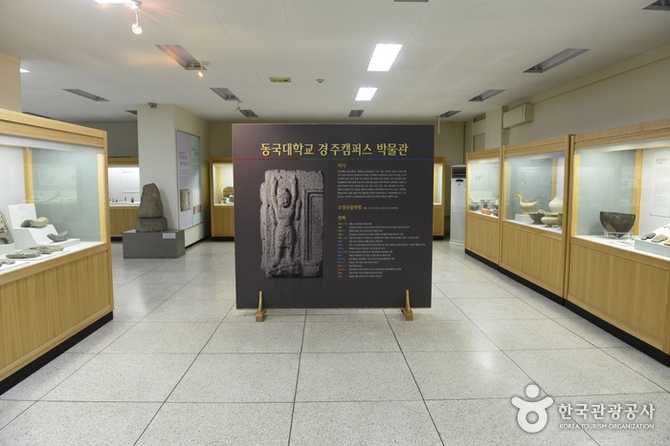
Planning your visit to the Gyeongju Dongguk University WISE Campus Museum ensures a smooth and enriching experience. The museum is dedicated to preserving Korea’s Buddhist relics and archaeological sites, and understanding its visiting hours, facilities, and guidelines will help you make the most of your trip.
| Item | Details |
|---|---|
| Operating Hours | 10:00 AM – 4:00 PM |
| Closed Days | Every Saturday, Sunday, and public holidays |
| Admission Fee | Free |
| Parking | Available on-site |
| Contact Number | 054-770-2462 |
| Website | https://museum.dongguk.ac.kr/ |
To ensure a pleasant visit, please check the museum’s official website or contact the staff before your trip for the latest updates on operating hours and holiday closures. Arriving early within the operating hours allows ample time to explore the exhibits thoroughly. If you are visiting in a group, especially with students or tour groups, it is recommended to make a reservation in advance to facilitate guided tours and special arrangements.
Visitor Tips for a Memorable Experience
- Check Operating Hours: Visit during open hours (10:00–16:00) to avoid disappointment.
- Plan Around Closed Days: The museum is closed on weekends and public holidays, so plan your visit accordingly.
- Use Public Transportation or Parking: The museum has parking facilities; however, public transport options like buses are convenient and eco-friendly.
- Bring Your ID or Student Card: Although admission is free, bringing identification can be helpful for group or educational visits.
- Respect the Artifacts: Follow museum guidelines, do not touch exhibits unless permitted, and keep noise levels low.
- Allocate Sufficient Time: Spend at least 1–2 hours to explore the main exhibits and research areas comfortably.
- Join Guided Tours: Inquire about guided tours or educational programs to enrich your understanding of the relics.
Visitor Checklist for Visiting Gyeongju Dongguk University WISE Campus Museum
- Confirm the museum’s operating hours and holiday schedule on the official website or by phone.
- Plan your arrival within the opening hours (10:00–16:00).
- Check whether parking is available or if public transportation is more convenient.
- Decide if you want to join a guided tour or explore independently.
- Prepare any necessary identification or educational materials if visiting as part of a group or school trip.
Frequently Asked Questions (FAQ)
Q1 What types of artifacts are housed at the Gyeongju Dongguk University WISE Campus Museum?
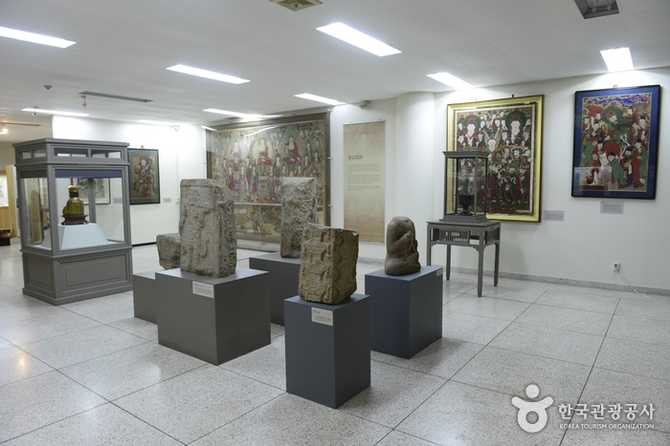
The museum holds approximately 3,000 relics, including metal Buddhist sculptures and ceremonial objects, jade and stone carvings, pottery from daily and religious use, and calligraphy artworks. These artifacts reflect Korea’s rich Buddhist and archaeological history.
Q2 When was the Gyeongju Dongguk University WISE Campus Museum established, and what are its main research focuses?
The museum was established in 1983 and primarily focuses on collecting, studying, and exhibiting Buddhist relics and archaeological sites. Its research emphasizes Korea’s ancient Buddhist culture and historical artifacts uncovered through excavations.
Q3 Which archaeological sites are associated with the museum’s research and excavations?
The museum conducts excavations at significant sites such as Seokjang-dong, Namsan Cheonryongsa Temple, and the 1994 gold-inlaid rock carvings. It also uncovered royal tombs from the Silla Dynasty in 2011, providing valuable insights into Korea’s ancient history.
Q4 What facilities are available for visitors at the Gyeongju Dongguk University WISE Campus Museum?
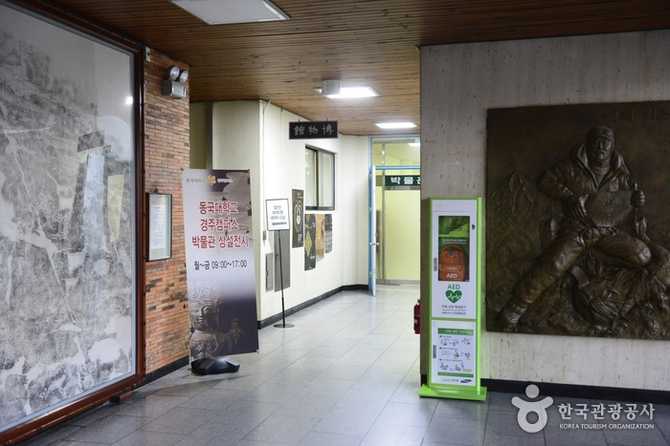
The museum offers exhibition halls, storage rooms, research laboratories, and administrative offices. Admission is free, and visitors can access restrooms and parking facilities. The museum operates from 10:00 AM to 4:00 PM, closed on weekends and public holidays.
Q5 Is there any special significance to the artifacts discovered at the museum’s excavation sites?
Yes, artifacts like the 1994 gold-inlaid rock carvings are considered masterpieces of Korean religious art, showcasing advanced craftsmanship. Excavations at sites like Namsan Cheonryongsa reveal ancient temples and religious practices, enriching understanding of Korea’s spiritual history.
Q6 How can I prepare for a visit to the museum to ensure a productive experience?
Check the museum’s operating hours and holiday closures in advance. Since admission is free, plan your visit during open hours (10:00 AM to 4:00 PM) and consider group reservations if applicable. Confirm parking or transportation options beforehand for a smooth visit.
Discover the Rich Heritage at Gyeongju Dongguk University WISE Campus Museum
Visiting the Gyeongju Dongguk University WISE Campus Museum offers a unique opportunity to immerse yourself in Korea’s ancient Buddhist history and archaeological achievements. This museum, located in the historic city of Gyeongju, is dedicated to the preservation, research, and exhibition of invaluable relics that tell the story of Korea’s spiritual and cultural development. Whether you are a history enthusiast, a scholar, or a curious traveler, this institution provides a profound learning experience through its extensive collection of artifacts and archaeological discoveries.
The museum’s focus on Korea’s Buddhist heritage and ancient sites makes it a significant destination for those interested in Korean culture and history. With approximately 3,000 relics—including metal objects, jade carvings, pottery, and calligraphy—the museum offers a comprehensive view of Korea’s spiritual and social past. Its active archaeological research, including excavations at Seokjang-dong and Namsan Cheonryongsa, continually enriches our understanding of Korea’s ancient civilization. Best of all, the museum’s free admission and accessible location make it an inviting place for all visitors to explore and appreciate Korea’s cultural treasures.
By visiting the Gyeongju Dongguk University WISE Campus Museum, you gain insight into Korea’s rich Buddhist traditions and archaeological history. The museum’s dedication to scholarly research and cultural preservation ensures that each visit is both educational and inspiring. Its well-maintained facilities, including exhibition halls, research labs, and storage areas, support ongoing studies and public exhibitions. Whether you’re exploring Korea’s ancient tombs, religious relics, or archaeological sites, this museum stands out as a vital cultural hub that deepens your appreciation for Korea’s historical and spiritual legacy. Plan your visit carefully by checking operating hours and holiday closures, and take advantage of the free entry to enjoy a meaningful cultural experience in Gyeongju, the cradle of Korea’s ancient civilization.