
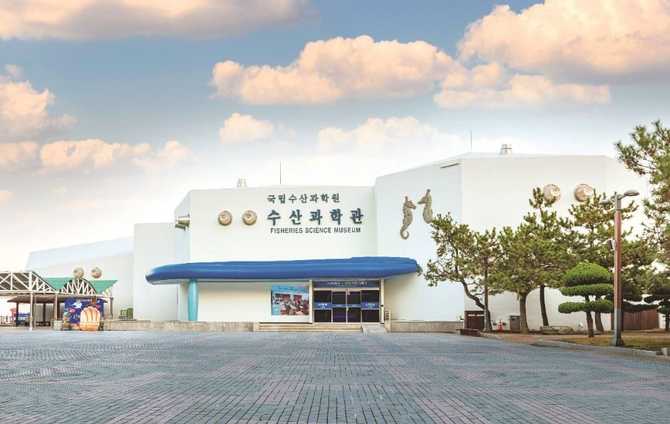
출처 : ⓒ한국관광콘텐츠랩 또는 ⓒ한국관광공사
Discover the National Fisheries Science Museum in Korea
Location 부산광역시 기장군 기장읍 기장해안로 216
Location 부산광역시 기장군 기장읍 기장해안로 216
Are you interested in marine science, aquaculture, or marine biodiversity? The National Fisheries Science Museum in Korea offers an engaging experience for visitors of all ages, providing insights into Korea’s rich maritime heritage and marine resources. Whether you’re a student, researcher, or family planning a trip, this museum is the perfect destination to explore Korea’s oceanic wonders and understand sustainable fisheries practices.
Located in Busan’s Gijang-gun, the National Fisheries Science Museum has been a leading institution since its opening in 1997. It features extensive exhibits on marine life, aquaculture, and ocean research, making complex scientific topics accessible and fun. With over 1,900 exhibits across various themed sections, the museum caters to diverse interests—from interactive experiences for children to in-depth educational displays for scholars.
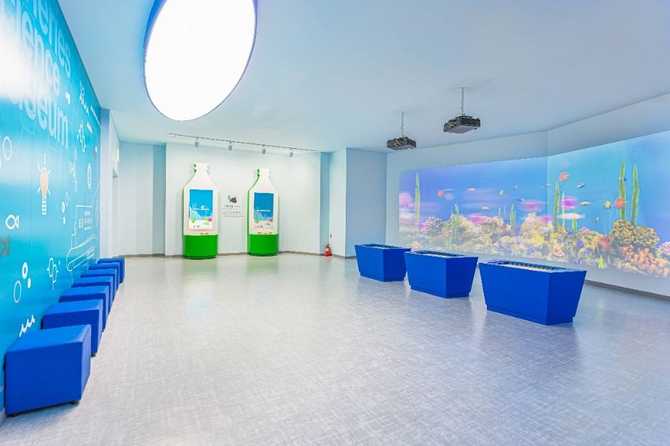
At a glance
- Who this is for
-
- Students and educators interested in marine science and fisheries
- Families seeking educational outings about ocean biodiversity
- Researchers and professionals in marine and aquaculture fields
- Tourists exploring Busan and surrounding areas
- Key takeaways
-
- Established in 1997 in Busan’s Gijang-gun, Korea
- Offers free admission and year-round operation
- Features over 1,900 exhibits across multiple themed zones
- Includes a ship display, multimedia theater, and interactive programs
- Open daily except Mondays, with holiday exceptions
- Tips & cautions
-
- Check holiday schedules and closures during Lunar New Year and Chuseok
- Advance reservation recommended for children’s programs
- Arrive early to enjoy all exhibits before closing time
- Free parking available; arrive with enough time to explore
- Bottom line
- The National Fisheries Science Museum is Korea’s premier destination for marine education and exploration, offering engaging exhibits and programs for all visitors.
The National Fisheries Science Museum in Korea is a must-visit for anyone fascinated by the ocean, marine life, and sustainable fisheries. Since opening in 1997, it has become a hub for marine research and public education, showcasing Korea’s vital maritime resources and scientific advancements. The museum’s diverse exhibits include detailed displays of marine organisms, models of ships, and multimedia presentations that make complex scientific concepts easy to understand.
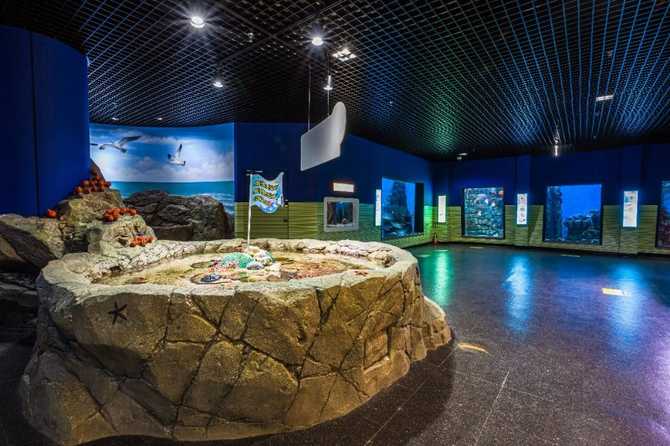
Visitors can enjoy a variety of interactive experiences, such as touch tanks, educational films, and guided tours. The museum’s location in Busan’s Gijang-gun makes it accessible for both local residents and international travelers exploring Korea’s southeastern coast. Admission is free, and the museum operates year-round, making it an ideal destination for family outings, school trips, or solo exploration. Before planning your visit, be sure to check the operational hours and holiday schedules to maximize your experience.
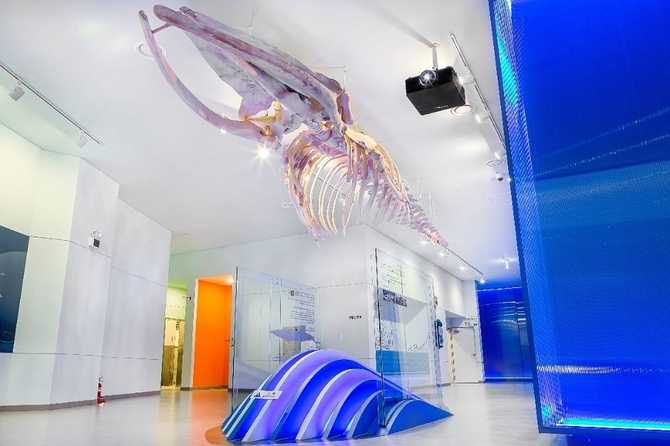
Overview of the National Fisheries Science Museum
The National Fisheries Science Museum is Korea’s leading institution dedicated to marine and fisheries research, education, and public outreach. Established in 1997 and located in Gijang-gun, Busan, this museum serves as a vital hub for understanding Korea’s rich maritime heritage, marine biodiversity, and sustainable fisheries practices. It aims to provide visitors with a comprehensive insight into Korea’s oceanic resources through engaging exhibits, educational programs, and interactive experiences.
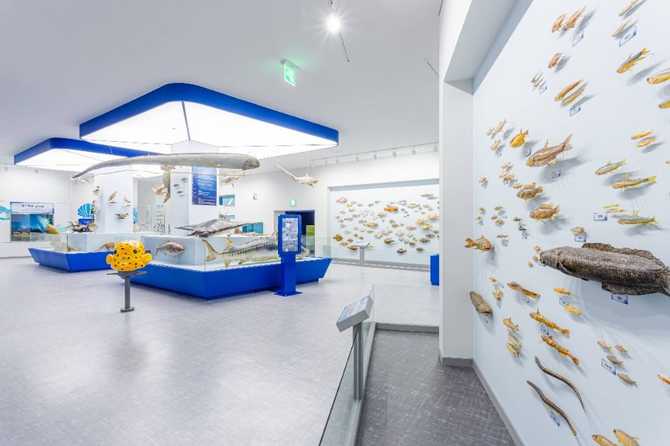
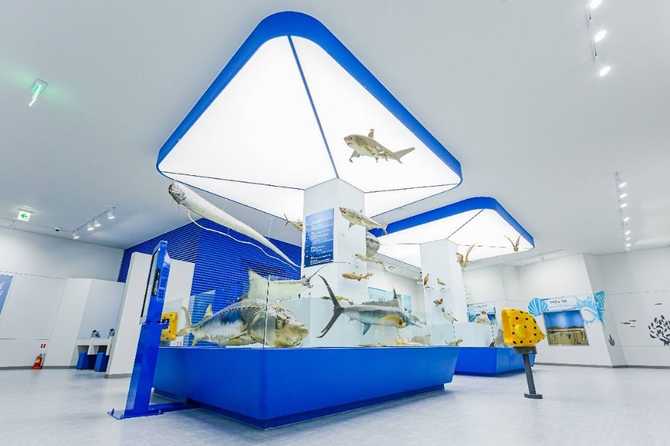
The museum’s primary focus is to promote awareness of marine ecosystems and the importance of sustainable resource management. It features a wide array of exhibits covering various aspects of marine science, including marine organisms, ocean ecology, and fisheries technology. With over 1,900 exhibits spanning multiple themes, the museum caters to diverse audiences—from young children and students to researchers and marine professionals.
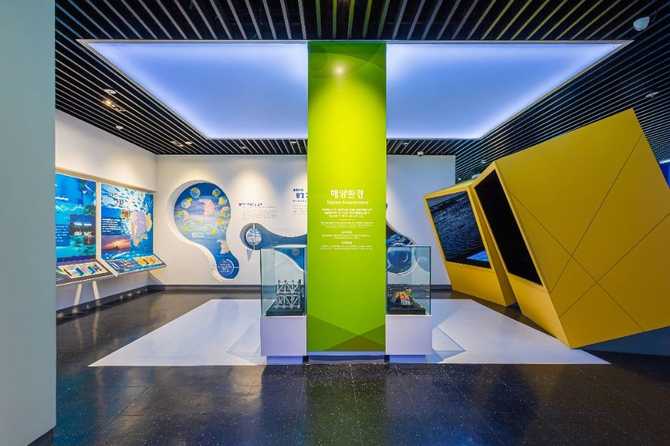
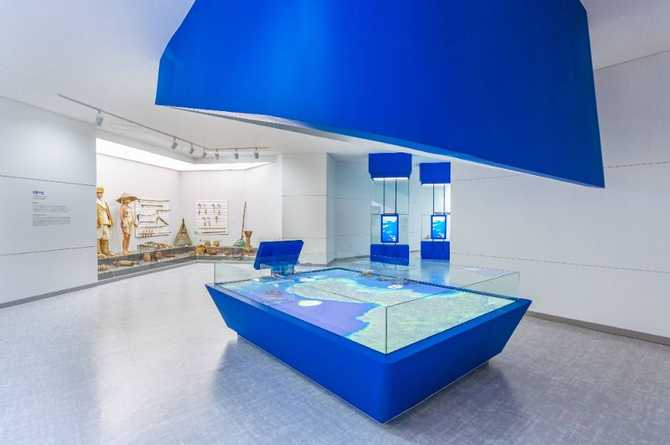
The facility comprises several distinct sections, including the main building with its extensive exhibit halls, a ship display zone, and a multimedia theater. Visitors can explore models of ships, watch documentaries about marine life, and participate in hands-on educational activities. The museum’s goal is to make complex scientific concepts accessible and engaging, fostering a deeper understanding of Korea’s oceanic environment.
Admission is free, and the museum operates year-round, except for certain holidays. It is open daily from 9:00 am to 6:00 pm, with last entry at 5:30 pm. The museum’s strategic location in Gijang-gun makes it an ideal destination for both local residents and international tourists exploring Korea’s southeastern coast. Visitors are encouraged to check the operating hours and holiday schedules before their trip to ensure a smooth experience.
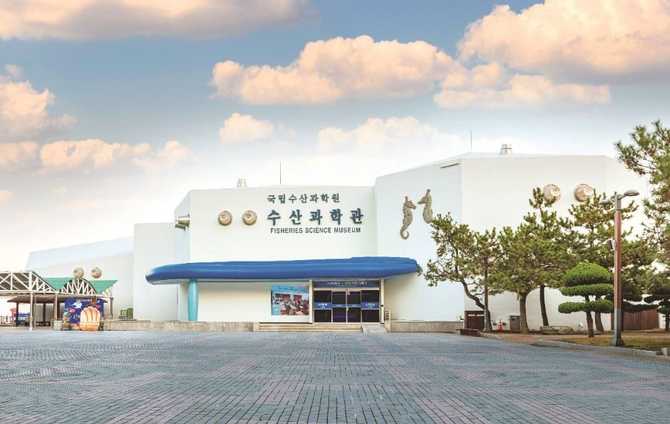
Overall, the National Fisheries Science Museum is a must-visit destination for anyone interested in marine science, fisheries, or Korea’s maritime culture. Its diverse exhibits and educational programs provide an enjoyable and informative experience for all ages, making it a perfect place to learn about Korea’s oceanic resources and the importance of marine conservation.
Main Exhibits and Interactive Programs at the Fisheries Science Museum
| Exhibit Area | Main Features | Highlights |
|---|---|---|
| Main Building | Extensive exhibits on marine life, ecosystems, and resource conservation | Over 1,900 items, themed displays for different marine species and habitats |
| Ship Display Zone | Models of traditional and modern ships, marine equipment | Realistic ship models and maritime tools for educational exploration |
| Multimedia Theater | Documentaries, educational videos, and interactive multimedia content | Shows about marine ecosystems, fisheries technology, and ocean conservation |
| Children’s & Education Zone | Hands-on activities, touch tanks, and educational workshops | Interactive learning for children and students of all ages |
The museum’s exhibits are designed to be both educational and engaging, offering visitors the chance to learn about marine biodiversity, fisheries technology, and ocean ecosystems through visual displays, models, and multimedia presentations. Special programs include guided tours, hands-on activities, and interactive workshops aimed at inspiring interest in marine sciences among young visitors and students. Whether exploring the detailed marine organism displays or watching documentaries in the multimedia theater, visitors gain a comprehensive understanding of Korea’s marine environment.
Visitor Information and Essential Checklist for Visiting the Fisheries Science Museum
- Check Operating Hours: The museum is open daily from 9:00 am to 6:00 pm, with last entry at 5:30 pm.
- Verify Holidays and Closures: Closed every Monday, but open on public holidays. During Lunar New Year and Chuseok holidays, the museum may be closed or have adjusted hours. Always check the official website or contact the museum beforehand.
- Admission & Parking: Free entry and parking are available. Arrive early to secure parking and avoid crowds, especially during weekends and holiday seasons.
- Reservation for Programs: For children’s or educational programs, pre-book via the museum’s website or at the information desk to guarantee participation.
- Prepare for Your Visit: Wear comfortable shoes, bring a camera, and consider bringing a notebook or educational materials for children.
Operating Hours and Holiday Closures of the Fisheries Science Museum
| Aspect | Details |
|---|---|
| Operating Hours | Open daily from 9:00 am to 6:00 pm. Last admission at 5:30 pm. |
| Weekly Closure | Closed every Monday, except when Monday is a public holiday. |
| Holiday Closures | Potential closures during Lunar New Year (Seollal) and Chuseok holidays. The museum may also close or have adjusted hours during major Korean holidays. Always verify schedules before your visit. |
| Special Notes | Operational hours and holiday schedules are subject to change, especially during holiday seasons. Confirm the latest details via the official website or by phone prior to your trip. |
Visitor Checklist for a Smooth Experience at the Fisheries Science Museum
- Check Operating Hours: Confirm the museum’s opening times (9:00 am to 6:00 pm) and last admission (5:30 pm) before your visit.
- Verify Holiday Schedules: Ensure the museum is open on your planned visit date, especially during public holidays like Lunar New Year and Chuseok, when closures or hours adjustments may occur.
- Plan Your Arrival: Arrive early to enjoy all exhibits and participate in programs without rush. Parking is free, but arriving early helps secure a spot.
- Pre-Book Programs: For children’s educational activities or special workshops, reserve your spot in advance through the museum’s official website or at the information desk.
- Prepare Necessary Items: Wear comfortable shoes, bring a camera for photos, and consider bringing a notebook or educational materials for children’s activities.
- Check for Closures: Review the latest updates on holiday closures or schedule changes to avoid disappointment.
- Arrive Prepared: Bring water, and snacks if needed, and ensure your devices are charged if you plan to take photos or videos.
- Respect Museum Rules: Follow signage and staff instructions, especially in interactive zones and during guided tours.
Whether you visit during the day or evening, Discover the National Fisheries Science is a meaningful stop on any Seoul itinerary for history-minded travelers.
Frequently Asked Questions (FAQ)
Q1: When was the National Fisheries Science Museum in Korea established?
The museum was opened in 1997 in Gijang-gun, Busan, as Korea’s leading institution dedicated to marine and fisheries research and education.
Q2: What are the main exhibits available at the Fisheries Science Museum?
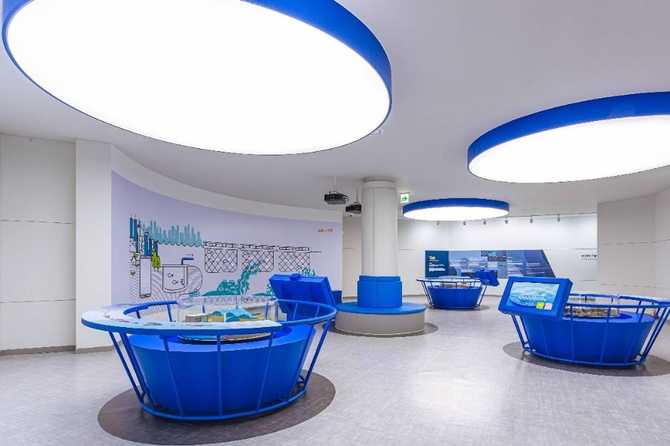
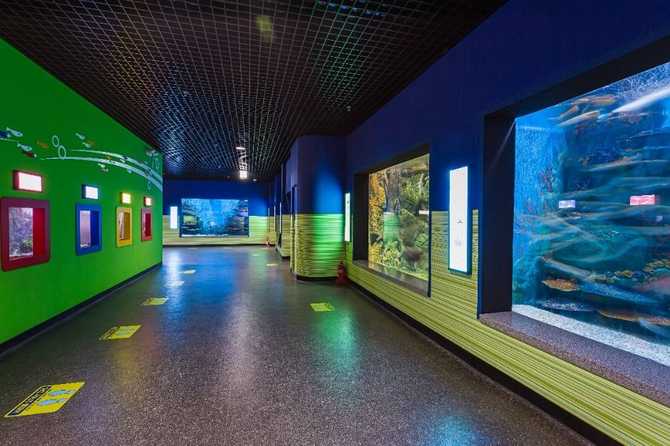
The museum features over 1,900 exhibits including marine organisms, ecosystems, fisheries technology, ship models, and multimedia documentaries about ocean life and conservation.
Q3: What are the operating hours of the Fisheries Science Museum?
The museum is open daily from 9:00 am to 6:00 pm, with the last entry at 5:30 pm. It is closed every Monday, except on public holidays.
Q4: Is there an admission fee for visiting the Fisheries Science Museum?
No, admission is free. Parking is also available at no cost, making it accessible for all visitors.
Q5: How can children participate in educational programs at the museum?
Children’s programs require prior reservation through the museum’s website or at the information desk. These programs include hands-on activities and workshops designed for young visitors.
Q6: Are there any days when the museum is closed or has special holiday schedules?
The museum is closed every Monday and may be closed or have reduced hours during Lunar New Year and Chuseok holidays. It is recommended to check the official website or contact the museum before your visit.
Final Tips for Visiting the National Fisheries Science Museum
Planning a trip to the National Fisheries Science Museum ensures a memorable and educational experience for visitors of all ages. To make the most of your visit, it is essential to double-check the museum’s operating hours and holiday schedule before heading out. Although the museum is open year-round from 9:00 am to 6:00 pm, it closes every Monday and may have altered hours during major Korean holidays such as Lunar New Year and Chuseok. Being aware of these closures helps avoid disappointment and allows you to plan your day effectively.
Arriving early is recommended, especially during weekends or peak holiday seasons, to enjoy the exhibits without crowds. Don’t forget to confirm if any special programs or workshops require prior reservation, particularly for children’s activities or educational tours. The museum offers free admission and parking, making it a convenient destination for families, school groups, and solo travelers alike. Remember to wear comfortable shoes and bring a camera or notebook to capture your learning moments. Overall, a well-prepared visit to the National Fisheries Science Museum will provide enriching insights into Korea’s marine resources and oceanic heritage, leaving you with a greater appreciation for the importance of marine conservation and scientific research in Korea’s maritime sector.