
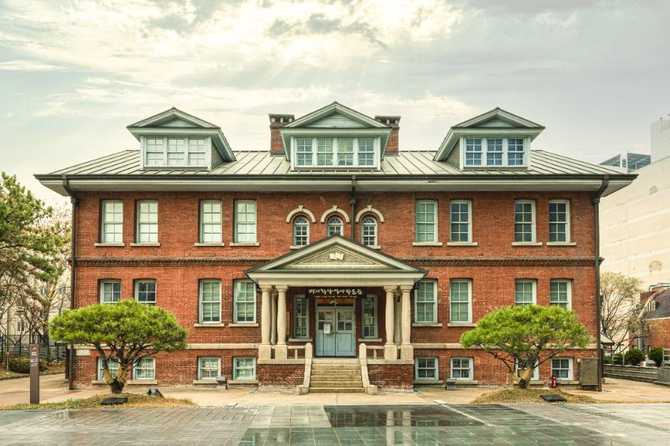
출처 : ⓒ한국관광콘텐츠랩 또는 ⓒ한국관광공사
Discover the History and Education at Pajuakdang Museum in Seoul
Location 서울특별시 중구 서소문로11길 19 (정동)
Location 서울특별시 중구 서소문로11길 19 (정동)
Are you interested in exploring Korea’s modern history and educational development? The Pajuakdang Museum offers a comprehensive glimpse into Korea’s transformative past, showcasing artifacts, architecture, and exhibits that highlight the nation’s journey through modernization and cultural change. Visiting this museum is a perfect way for history enthusiasts, students, and travelers to deepen their understanding of Korea’s educational and historical evolution, all within an accessible and engaging environment.
Located in Seoul’s Jung-gu district, the Pajuakdang Museum is dedicated to preserving and presenting the rich history of Korea’s modern era, focusing especially on the development of education since the late 19th century. Established in 2008, the museum is housed in a historic building that dates back to 1916, symbolizing Korea’s early modernization efforts. Its exhibits include original educational materials, photographs, and architectural features that narrate Korea’s journey from traditional to modern education systems.
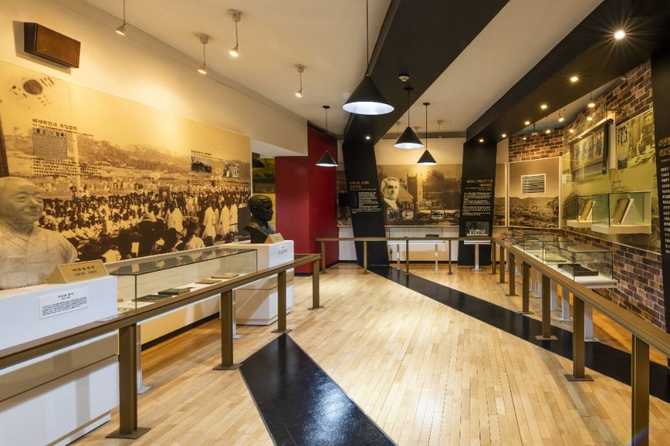
If you are passionate about Korea’s cultural heritage, architecture, or educational history, the Pajuakdang Museum provides an insightful and enriching experience. The museum is open daily from 10 a.m. to 5 p.m., except on Mondays and Sundays, offering free admission to all visitors. Its strategic location in central Seoul makes it easy to visit via public transportation, and its exhibits are designed to cater to both casual visitors and serious researchers alike.
At a glance
- Who this is for
-
- History enthusiasts interested in Korea’s modern era
- Students and researchers studying Korean education history
- Travelers exploring Seoul’s cultural heritage
- Architectural and cultural heritage explorers
- Key takeaways
-
- Established in 1885 by American missionary Apenzeller, Korea’s first Western-style modern educational institution
- Houses historic buildings, including the 1916 modern architecture, and exhibits related to Korea’s educational reform
- Offers free entry with access to diverse artifacts, photographs, and educational materials
- Located at 19 Seosomun-ro 11-gil, Jung-gu, Seoul
- Open from 10 a.m. to 5 p.m., closed on Mondays and Sundays
- Tips & cautions
-
- Check operating hours and holidays on the official website before visiting
- Use public transportation for easier access due to limited parking
- Handle exhibits carefully and avoid touching artifacts
- Plan your visit during non-holiday periods for a more relaxed experience
- Bottom line
- Visiting the Pajuakdang Museum offers a meaningful opportunity to explore Korea’s modern history and educational development firsthand.
The Pajuakdang Museum is a vital cultural site in Seoul that vividly illustrates Korea’s journey toward modernization through its rich collection of historical artifacts and architecture. Whether you are a history buff, an educator, or a curious traveler, this museum provides a deep dive into Korea’s educational reforms and social changes that shaped the nation’s modern identity.
Its location in the heart of Seoul makes it an accessible destination for anyone eager to learn about Korea’s past. The museum’s exhibits include original documents, photographs, and architectural features that reflect Korea’s transition from traditional Confucian education to Western-style schooling. The site also hosts various educational programs and guided tours, enriching visitors’ understanding of Korea’s historical context.
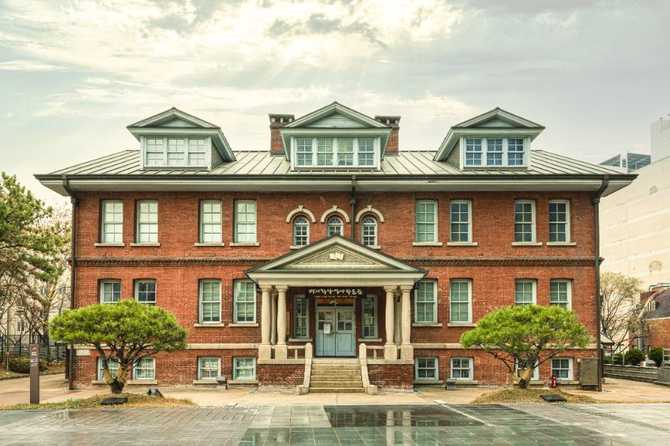
Plan your visit to the Pajuakdang Museum by confirming hours and closures on the official website or by calling ahead. The museum’s free admission policy makes it an excellent choice for budget-conscious travelers seeking cultural enrichment. Remember to arrive via public transportation, as parking is limited, and enjoy a comprehensive journey into Korea’s modern educational and cultural history.
Overview and Historical Background of Pajuakdang Museum
The Pajuakdang Museum is a significant cultural institution dedicated to showcasing Korea’s modern history and educational development. Located in Seoul’s Jung-gu district, this museum provides visitors with a comprehensive look at Korea’s transition from traditional to modern society, focusing especially on the evolution of education since the late 19th century. Established in 2008, the museum is housed within a historic building that dates back to 1916, symbolizing Korea’s early modernization efforts. It is built on the grounds of the original Pajuakdang, Korea’s first Western-style educational institution founded in 1885 by American missionary Apenzeller.
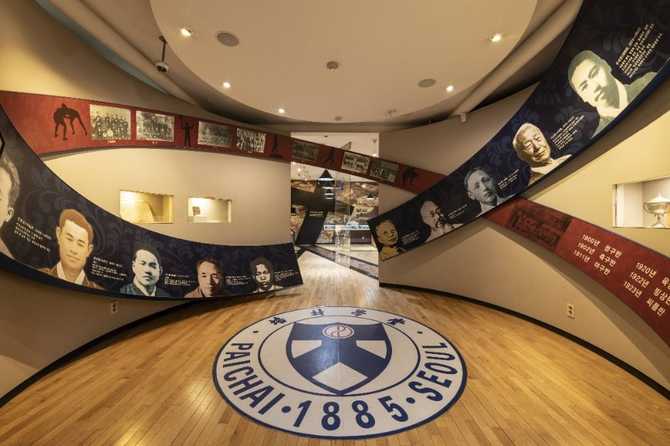
The museum’s core exhibits include original educational materials, photographs, and architectural features that illustrate Korea’s journey through reform and modernization. The historic buildings, especially the 1916 modern architecture, serve as tangible representations of Korea’s early 20th-century development. The museum also highlights the significance of the royal designation given by Emperor Gojong, who officially named the institution “Pajuakdang” in 1887, recognizing its importance as a pioneering educational hub.
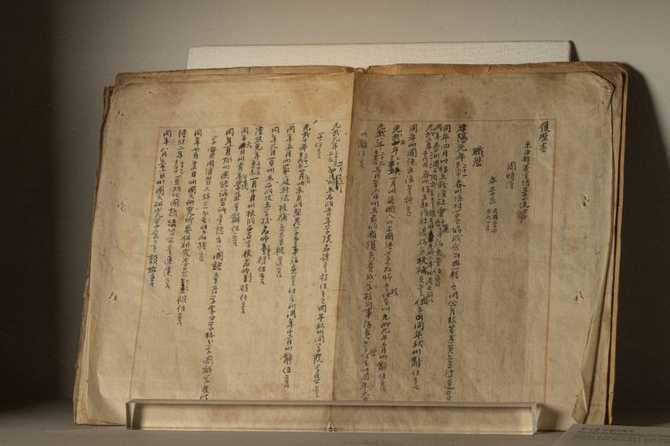
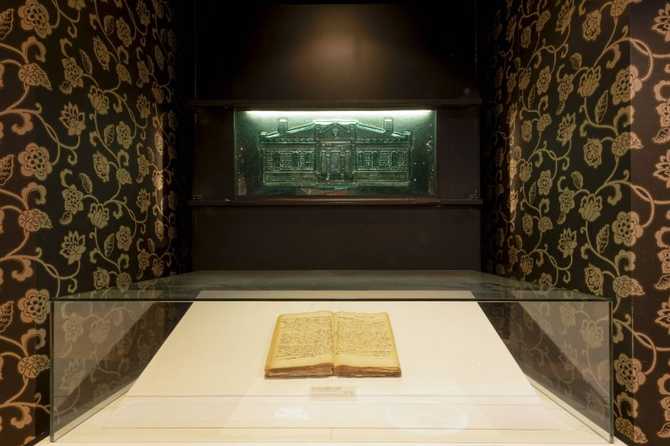
Visitors can explore a variety of exhibits that include early English textbooks, school uniforms, and teaching tools, which provide insight into the educational practices of the era. The museum’s collection also features photographs, official documents, and architectural plans that help contextualize Korea’s social and cultural shifts during modernization. As a key site for understanding Korea’s educational reform, the Pajuakdang Museum attracts history enthusiasts, students, and researchers interested in Korea’s social transformation and educational history.
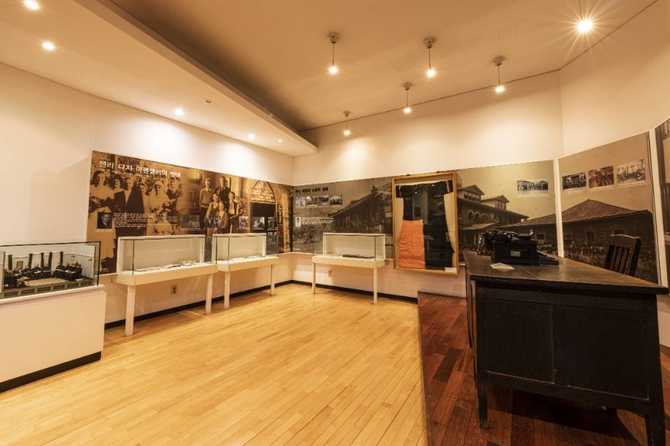
Overall, the Pajuakdang Museum offers an immersive experience into Korea’s journey toward modernization, emphasizing the development of Western-style education and its impact on Korean society. Its accessible location, free admission, and rich collection make it an essential destination for anyone eager to understand Korea’s modern history in depth.
Comparison of Main Exhibits and Collections at Pajuakdang Museum
| Exhibit Category | Details | Significance |
|---|---|---|
| Educational Artifacts | Early English textbooks, school uniforms, teaching tools | Showcases the foundation of Western-style education in Korea |
| Historical Photographs & Documents | Photos of the original school, official documents, and letters | Provides context for Korea’s social and educational reforms |
| Architectural Exhibits | The 1916 modern building, architectural plans, and restoration models | Highlights Korea’s early modern architecture and construction efforts |
| Cultural and Historical Context | Exhibits related to Emperor Gojong’s designation, early Korean reform movements | Connects the educational history with Korea’s broader modernization efforts |
Visitor Information and Access to Pajuakdang Museum
- Operating Hours: 10:00 a.m. to 5:00 p.m. (last admission at 4:30 p.m.)
- Closed on: Mondays and Sundays, January 1st, Lunar New Year’s Day, Chuseok holidays, public holidays, and Labor Day.
- Admission Fee: Free for all visitors.
- Location: 19 Seosomun-ro 11-gil, Jung-gu, Seoul
- Transportation: Accessible via Seoul Subway Line 1 or 2, or bus routes serving Jung-gu district. Parking is limited, so public transport is recommended.
- Checklist for Visiting:
- Verify opening hours and holiday closures on the official website or by phone.
- Plan your route using subway or bus to avoid parking issues.
- Wear comfortable shoes suitable for walking around the exhibits.
- Bring your camera or smartphone for photos, but handle exhibits carefully.
- Respect the rules for artifact handling and photography during your visit.
Tips for Visiting and Precautions at Pajuakdang Museum
- Verify Operating Hours: Before your visit, always check the official website or contact the museum at 02-319-5578 to confirm current opening hours and holiday closures, especially during special holidays or events.
- Use Public Transportation: Since parking is limited, plan to arrive by subway or bus. The museum is accessible via Seoul Subway Line 1 or 2, with nearby bus stops in Jung-gu district.
- Handle Exhibits Carefully: Do not touch or handle artifacts unless explicitly permitted. Respect the museum’s preservation rules to protect the historical items.
- Dress Comfortably: Wear suitable walking shoes and comfortable clothing, as exploring the exhibits may involve some walking around the historic buildings and display areas.
- Photography Etiquette: Feel free to take photos with your smartphone or camera, but avoid using flash or taking pictures where prohibited. Always follow the staff’s instructions regarding photography.
- Plan Your Visit: Arrive early in the day to enjoy a relaxed experience, especially on weekends or peak visiting times. Allocate enough time to explore all exhibits thoroughly.
- Respect the Rules: Follow the signage and instructions from staff regarding artifact handling, smoking areas, and behavior within the museum premises.
Visitor Checklist for Pajuakdang Museum
- Have you checked the official website or called the museum to confirm operating hours and holiday closures?
- Are you planning to arrive via public transportation, considering limited parking options?
- Did you wear comfortable shoes suitable for walking around the exhibits and historic buildings?
- Have you prepared your camera or smartphone for photos, ensuring you follow photography rules?
- Did you review the museum’s rules regarding artifact handling and visitor conduct?
- Have you allocated sufficient time for your visit to explore all exhibits without rushing?
- Are you aware of the museum’s closing time (last admission at 4:30 p.m.) and plan accordingly?
Whether you visit during the day or evening, Discover the History and Education is a meaningful stop on any Seoul itinerary for history-minded travelers.
Frequently Asked Questions (FAQ)
Q1: What are the opening hours of Pajuakdang Museum?
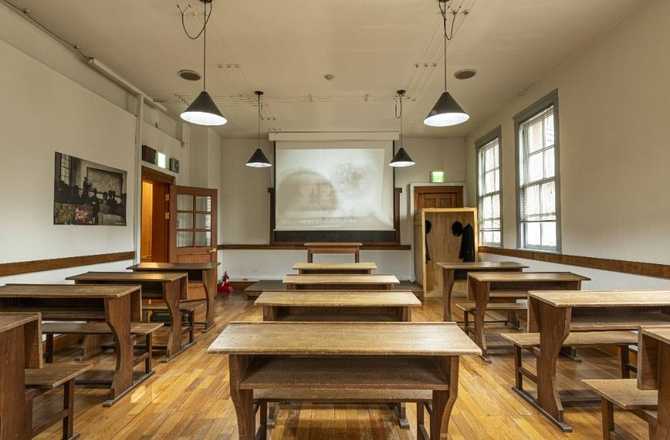
The museum operates daily from 10:00 a.m. to 5:00 p.m., with the last admission at 4:30 p.m. It is closed every Monday and Sunday, as well as on public holidays and during the Lunar New Year and Chuseok holidays.
Q2: Is there an entrance fee for Pajuakdang Museum?
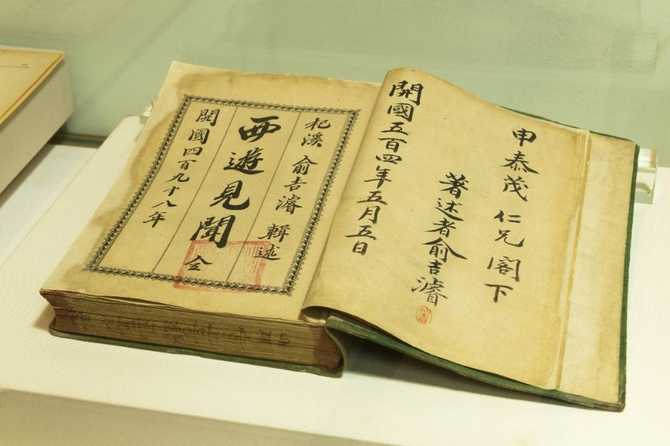
No, admission to the museum is free for all visitors. However, visitors are advised to check the official website or contact the museum for any temporary changes or special programs that may require fees.
Q3: What exhibits can I expect to see at Pajuakdang Museum?
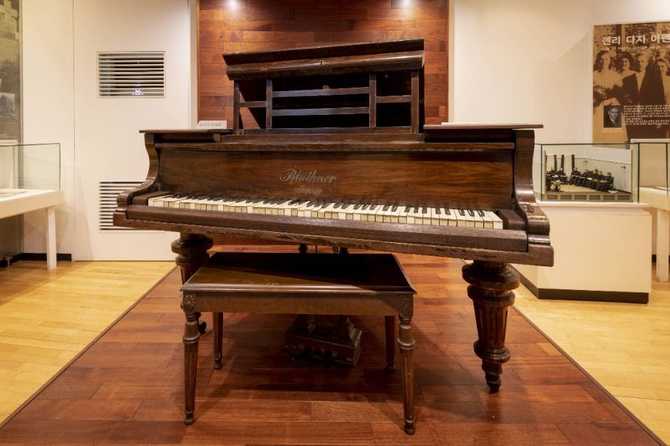
The museum features exhibits of early English textbooks, school uniforms, teaching tools, historical photographs, documents, and the 1916 modern architecture building. These displays highlight Korea’s early Western-style education and modernization efforts.
Q4: How can I get to Pajuakdang Museum?
The museum is accessible via Seoul Subway Line 1 or 2, and bus routes serving Jung-gu district. It is located at 19 Seosomun-ro 11-gil, Seoul. Due to limited parking, public transportation is recommended for convenience.
Q5: Are there any tips for visiting Pajuakdang Museum?
Yes, visitors should verify operating hours and holiday closures beforehand. Arriving early, using public transport, and handling exhibits carefully are recommended to ensure a smooth and respectful visit.
Q6: What should I keep in mind when visiting Pajuakdang Museum?
Visitors should not touch or handle the exhibits without permission, follow photography rules, and be respectful of the preservation efforts. It is also advisable to check the museum’s schedule in advance to avoid closures.
Final Tips for Visiting Pajuakdang Museum
Visiting the Pajuakdang Museum offers a unique opportunity to explore Korea’s modern history and educational development firsthand. To make the most of your visit, it is highly recommended to check the official website or contact the museum by phone at 02-319-5578 before heading out. Confirming operating hours and holiday closures will help you plan your trip smoothly and avoid disappointment. Remember that the museum is closed on Mondays and Sundays, as well as during major holidays such as Lunar New Year and Chuseok, so scheduling your visit accordingly is essential.
Since parking space is limited, utilizing public transportation is the most convenient option. The museum’s central Seoul location makes it easily accessible via subway lines 1 and 2 or bus routes serving Jung-gu district. Wearing comfortable shoes and bringing a camera will enhance your experience, but be sure to handle exhibits with care and respect the museum’s preservation rules. Arriving early in the day will give you ample time to explore the exhibits without feeling rushed. Overall, a thoughtful visit to the Pajuakdang Museum will deepen your understanding of Korea’s modern history and educational reforms, leaving you with meaningful insights and memorable experiences.