
출처 : ⓒ한국관광콘텐츠랩 또는 ⓒ한국관광공사
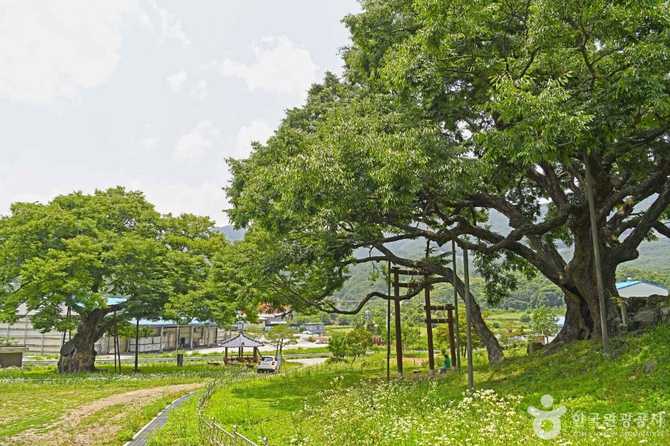
Discover the Historic Neuti Tree in Goesan: Korea’s Natural Treasure
Location 충청북도 괴산군 장연면 오가리 867-1
Location 충청북도 괴산군 장연면 오가리 867-1
Looking for a unique natural landmark in Korea? Explore the ancient Neuti Tree in Goesan, a designated natural monument with over 800 years of history, cultural significance, and stunning natural beauty.
At a glance
- Who this is for
-
- Visitors interested in Korea’s natural and cultural heritage
- History and folklore enthusiasts
- Researchers studying natural monuments
- Local residents and cultural preservation advocates
- Key takeaways
-
- Estimated 800-year-old Neuti Tree consisting of three main trunks
- Designated as Korea’s Natural Monument since 1996
- Located in Ogarri, Jangyeon-myeon, Goesan County, Chungcheongbuk-do
- Height: Up to 25 meters; protected through ongoing conservation efforts
- Integral part of local folk traditions, especially during Jeongwol Daeboreum
- Tips & cautions
-
- Limited parking; consider using public transportation
- Avoid damaging the tree or collecting parts without permission
- Respect local customs and participate in traditional events responsibly
- Bottom line
- Protecting Korea’s natural and cultural heritage, like the Neuti Tree, requires ongoing community effort and visitor awareness.
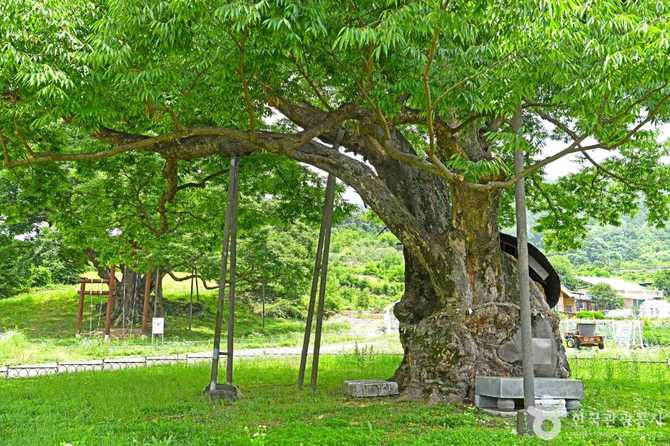
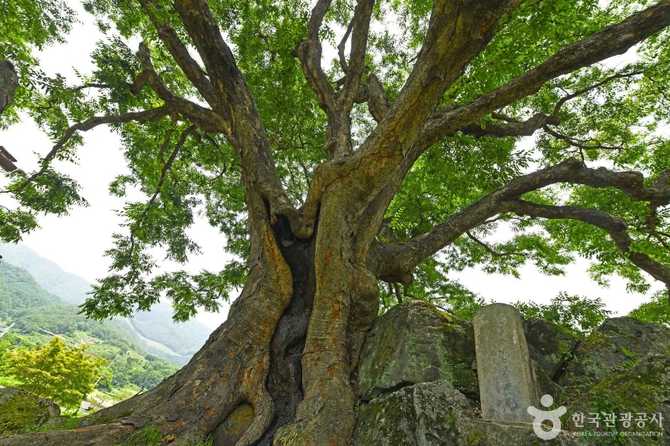
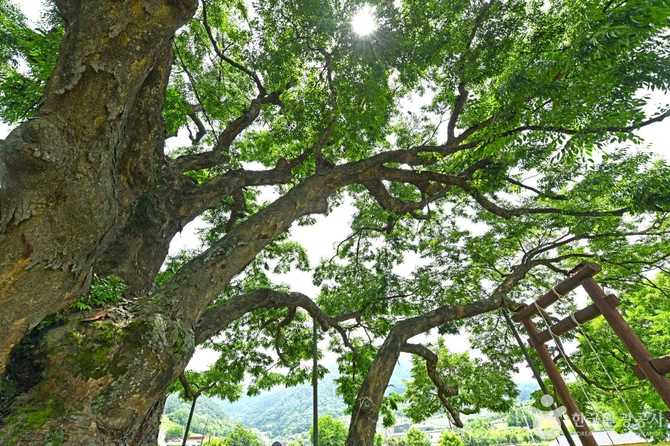
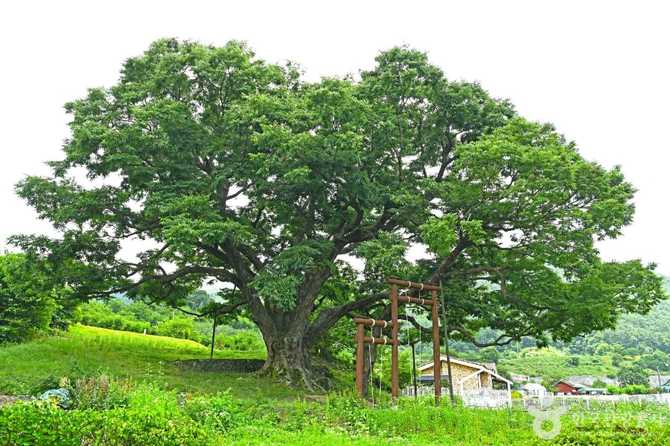
The Neuti Tree in Goesan is a remarkable natural monument that embodies Korea’s rich history and cultural traditions. Estimated to be over 800 years old, this ancient tree is composed of three main trunks—known locally as Sanggoemok, Hagoemok, and Samgojeong—and stands as a testament to the enduring relationship between nature and local communities. Located in Ogarri, Jangyeon-myeon, in Chungcheongbuk-do Province, the Neuti Tree has been officially designated as a natural monument since 1996, recognizing its ecological, historical, and cultural importance.
The significance of the Neuti Tree extends beyond its age and size; it plays a vital role in local folk traditions, especially during the annual Jeongwol Daeboreum festival, where community members gather beneath its branches to perform ancestral rites and celebrate seasonal customs. Visitors interested in Korea’s natural and cultural heritage will find this site a meaningful destination, offering insights into the region’s long-standing traditions and natural beauty. Understanding the history and ongoing conservation efforts surrounding the Neuti Tree helps promote awareness of Korea’s efforts to preserve its natural monuments for future generations.
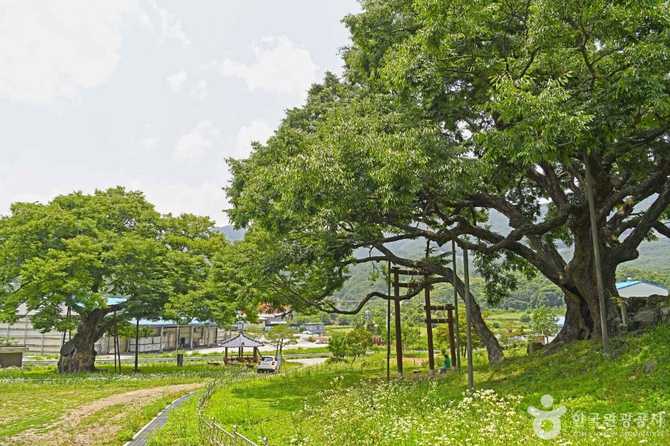
Whether you are a history researcher, a nature lover, or a cultural enthusiast, exploring the Neuti Tree in Goesan provides a unique opportunity to witness Korea’s natural heritage firsthand. This guide will introduce you to the tree’s history, significance, visiting information, and the importance of ongoing protection initiatives, ensuring your visit is both meaningful and respectful of this precious natural asset.
Overview of the Neuti Tree in Goesan
The Neuti Tree in Goesan is a remarkable natural monument that embodies Korea’s rich natural and cultural heritage. Estimated to be over 800 years old, this ancient tree is a symbol of the region’s historical significance and natural beauty. Located in Ogarri, Jangyeon-myeon, Chungcheongbuk-do Province, the Neuti Tree is composed of three main trunks—known locally as Sanggoemok, Hagoemok, and Samgojeong—each contributing to its majestic presence. Recognized as Korea’s Natural Monument since 1996, the Neuti Tree holds immense ecological, historical, and cultural value, serving as a living testament to Korea’s long-standing relationship with nature.

This natural monument is not only admired for its impressive size and age but also for its integral role in local traditions and folklore. The tree has been a focal point of regional festivals, especially during the annual Jeongwol Daeboreum celebration, where community members gather beneath its branches to perform ancestral rites and partake in traditional festivities. Its significance extends beyond its physical presence, representing a symbol of community resilience, cultural continuity, and environmental preservation.
Visitors interested in Korea’s natural and cultural heritage will find the Neuti Tree in Goesan an inspiring destination. Its historical roots and ongoing conservation efforts highlight the importance of protecting natural monuments for future generations. Whether you are a researcher, nature enthusiast, or cultural explorer, understanding the story of the Neuti Tree provides valuable insights into Korea’s efforts to preserve its natural and cultural assets. This overview aims to introduce the key aspects of this ancient tree, emphasizing its historical background, ecological importance, and the need for ongoing protection.
Comparison of Protection Status and Conservation Efforts
| Aspect | Details |
|---|---|
| Designation Date | December 30, 1996 |
| Number of Trees | Three main trunks: Sanggoemok, Hagoemok, and Samgojeong |
| Estimated Age | Approximately 800 years |
| Protection Measures | Designated as a Natural Monument, ongoing conservation activities, restricted access in certain areas |
| Management Authority | Goesan County Office and local cultural preservation agencies |
| Visitor Access | Open year-round; guided tours and educational programs available |
The protection of the Neuti Tree is managed through official designation as a natural monument, which ensures legal safeguards against damage or destruction. Conservation efforts include regular health assessments, restricted access to sensitive areas, and community involvement in preservation activities. Local authorities and cultural agencies work together to maintain the tree’s health and promote awareness of its significance. These measures are vital in ensuring the longevity of this ancient natural asset and in fostering a culture of environmental responsibility among visitors and residents alike.
Visiting the Neuti Tree: Checklist and Tips
- Check the official visiting hours and accessibility details before planning your trip.
- Use public transportation whenever possible, as parking is limited in the area.
- Wear comfortable shoes suitable for walking on uneven terrain around the tree.
- Respect the natural environment by avoiding picking branches or damaging the tree in any way.
- Participate in local festivals or events, such as the Jeongwol Daeboreum celebrations, to experience cultural traditions firsthand.
- Carry necessary supplies like water, sun protection, and insect repellent, especially during summer months.
- Follow all posted signs and guidelines to ensure your safety and the preservation of the natural monument.
Cultural and Folk Traditions Surrounding the Neuti Tree
The Neuti Tree in Goesan is not only a natural monument but also a cornerstone of local cultural heritage. It plays a vital role in traditional festivals and community rituals that have been passed down through generations. These customs highlight the deep connection between the people and their natural environment, emphasizing respect, gratitude, and reverence for the tree as a sacred symbol.
One of the most prominent traditions associated with the Neuti Tree is the annual Jeongwol Daeboreum festival, held every lunar new year’s first full moon. During this celebration, local residents gather beneath the tree’s expansive branches to perform ancestral rites, pray for a bountiful harvest, and seek protection for their families. This event embodies the community’s collective spirit and their enduring relationship with nature.
In addition to the festival, various folk performances, traditional games, and local food tastings are organized around the Neuti Tree during seasonal and special occasions. These activities serve to strengthen community bonds and preserve regional customs, ensuring that the cultural significance of the tree remains alive for future generations.
Traditional Events and Celebrations:
- Jeongwol Daeboreum Festival: Celebrated every lunar January, featuring ancestral rites and community gatherings beneath the tree.
- Seasonal Folk Performances: Traditional music, dance, and storytelling events held in the vicinity of the Neuti Tree.
- Local Food and Craft Markets: Showcasing regional specialties and handmade crafts during festivals and holidays.
- Rituals and Offerings: Ancestor offerings and prayers performed at the base of the tree to honor its sacred status.
The Importance of Natural Heritage Preservation
Preserving natural monuments like the Neuti Tree is essential for maintaining Korea’s rich ecological and cultural landscape. As a designated natural monument since 1996, the Neuti Tree symbolizes the nation’s commitment to protecting its ancient natural assets and cultural traditions. Ongoing conservation efforts involve not only government agencies but also local communities, who play a crucial role in safeguarding this precious heritage.
Effective preservation requires continuous monitoring of the tree’s health, implementing protective measures against environmental threats, and raising public awareness about its significance. Educating visitors and residents about the ecological and cultural value of the Neuti Tree fosters a collective responsibility to prevent damage and ensure its longevity.
Community involvement is vital for the sustainable management of this natural monument. Activities such as volunteer clean-ups, educational programs, and cultural events centered around the Neuti Tree help reinforce its importance and encourage active participation in conservation efforts.
Conservation Checklist:
- Respect the designated protected area and follow all posted guidelines.
- Avoid touching, climbing, or collecting parts of the tree to prevent damage.
- Participate in community-led conservation activities and awareness campaigns.
- Report any signs of damage or vandalism to local authorities promptly.
- Educate others about the ecological and cultural importance of the Neuti Tree.
- Limit littering and ensure proper disposal of waste during visits.
- Support local initiatives aimed at preserving natural and cultural heritage sites.
Whether you visit during the day or evening, Discover the Historic Neuti Tree is a meaningful stop on any Seoul itinerary for history-minded travelers.
Frequently Asked Questions (FAQ)
Q1: How old is the Neuti Tree in Goesan?
The Neuti Tree in Goesan is estimated to be approximately 800 years old, making it a significant natural monument with a long history of cultural and ecological importance.

Q2: What are the main components of the Neuti Tree?
The Neuti Tree consists of three main trunks known as Sanggoemok, Hagoemok, and Samgojeong, which are collectively protected as a natural monument due to their historical and biological value.
Q3: Where is the Neuti Tree located and how can I visit?
The Neuti Tree is located at 867-1 Ogarri, Jangyeon-myeon, Goesan County, Chungcheongbuk-do. It is open year-round, and visitors can contact the local tourism office at 043-830-3432 or visit the Goesan County tourism website for more information.
Q4: Are there parking facilities near the Neuti Tree?
Parking space is limited around the site, so using public transportation is recommended. Visitors should plan accordingly to avoid inconvenience and ensure the preservation of the area.
Q5: What traditional events are held at the Neuti Tree?
The most notable event is the annual Jeongwol Daeboreum festival, where community members perform ancestral rites beneath the tree to pray for a good harvest and community well-being.
Q6: How can I help protect the Neuti Tree during my visit?
Visitors should follow all conservation guidelines, avoid damaging or collecting parts of the tree, and refrain from littering. Respecting the natural environment is essential for its ongoing preservation and cultural significance.
Preserving Korea’s Natural Heritage: Final Thoughts on the Neuti Tree in Goesan
The Neuti Tree in Goesan stands as a remarkable symbol of Korea’s rich natural and cultural history. Recognized as a natural monument since 1996, this ancient tree, estimated to be over 800 years old, embodies the enduring relationship between nature and local communities. Its majestic presence, composed of three main trunks—Sanggoemok, Hagoemok, and Samgojeong—serves as a living testament to Korea’s environmental and cultural resilience. Visiting this natural monument offers not only a glimpse into Korea’s historical traditions but also an opportunity to appreciate the importance of ongoing conservation efforts. Protecting such invaluable natural assets requires collective responsibility, from local authorities to visitors. Respectful behavior, such as avoiding damage or littering, and participation in community preservation activities, are vital to ensuring the longevity of the Neuti Tree for future generations. By understanding its significance and actively supporting its protection, we contribute to Korea’s broader mission of safeguarding its natural and cultural heritage. The Neuti Tree in Goesan reminds us that preserving our natural monuments is a shared duty that enriches our cultural landscape and sustains our environment. Let us cherish and protect this extraordinary natural treasure, ensuring it continues to inspire and connect generations to come.