

Discover the Historic Hongnanpa House in Seoul’s Jongno District
Are you interested in exploring Korea’s modern cultural heritage and learning about influential Korean composers? Visiting the Hongnanpa House in Seoul offers a unique glimpse into Korea’s musical history and Western architectural influence from the 1930s. This well-preserved historic site allows visitors to step back in time and experience the environment where renowned composer Hongnanpa lived and created some of his most famous works.
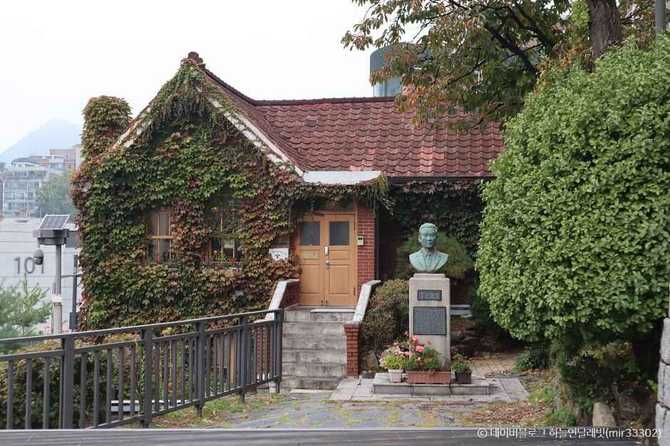
Located in the heart of Jongno-gu, Seoul, the Hongnanpa House is a designated modern cultural heritage site that embodies the architectural style of the early 20th century. Built by a German missionary in the 1930s, this brick Western-style building is a rare example of foreign-influenced architecture in Korea, providing valuable insights into the country’s historical development and cultural exchanges during that period.
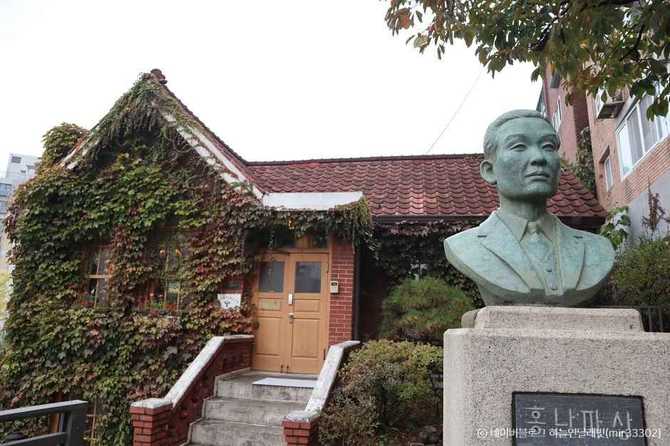
As a cultural asset, the Hongnanpa House is recognized for its historical significance in Korea’s music history and is protected as a national registered cultural property. Visitors can enjoy free admission, but should be aware of seasonal operating hours and limited visiting days. Whether you are a history enthusiast, a music lover, or simply interested in Korea’s modern cultural heritage, this site offers an enriching experience that highlights Korea’s diverse cultural landscape.
At a glance
- Who this is for
-
- History and cultural heritage enthusiasts visiting Seoul
- Music lovers interested in Korea’s modern music history
- Travelers exploring Jongno’s cultural sites
- Anyone curious about Western architectural influence in Korea
- Key takeaways
-
- Built in the 1930s by a German missionary as a Western-style brick house
- Designated as a national registered cultural heritage in 2004
- Located in Seoul’s Jongno District, free admission
- Operates seasonally with limited days, no parking available
- Historical site where Hongnanpa composed some of his most famous works
- Tips & cautions
-
- Check seasonal operating hours before visiting
- Avoid weekends and public holidays, as the site is closed
- No parking facilities; use public transportation
- Visit during operating hours for the best experience
- Bottom line
- Hongnanpa House is an essential cultural site for understanding Korea’s modern musical and architectural history.
Welcome to our guide on the Hongnanpa House in Seoul, a significant monument that encapsulates Korea’s modern cultural and musical heritage. Situated in the historic Jongno district, this house stands as a testament to the country’s early Western architectural influences and the life of one of Korea’s most celebrated composers, Hongnanpa. Built in the 1930s by a German missionary, the house is a beautiful example of brick Western-style architecture that has been preserved as a cultural asset.
As a designated national registered cultural heritage, the Hongnanpa House offers visitors a rare opportunity to explore Korea’s modern history through its architecture and musical legacy. The house was the residence of Hongnanpa, who composed many beloved Korean songs, including ‘Gureun Geumgangsan’ and ‘Numului Norae.’ Walking through this historic site provides a meaningful connection to Korea’s evolving musical landscape and the cultural exchanges that shaped it.
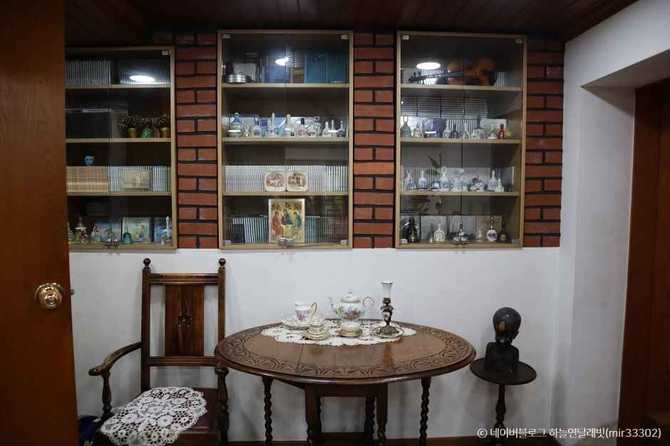
Whether you are a history buff, a music aficionado, or a curious traveler, visiting the Hongnanpa House enriches your understanding of Korea’s modern cultural identity. Keep in mind the seasonal opening hours and the fact that the site is closed on weekends and public holidays. Free to enter, this location is a must-visit for those interested in Korea’s modern history and music heritage.
Hongnanpa House Overview and Historical Background
The Hongnanpa House in Seoul’s Jongno District is a significant cultural heritage site that offers insight into Korea’s modern architectural and musical history. This historic residence, built in the 1930s, is renowned for its Western-style brick construction, a rarity in Korea at that time. It was constructed by a German missionary, reflecting the influence of Western architecture during Korea’s early modern period. The house is most famous for being the residence of Hongnanpa, one of Korea’s most influential composers in the early 20th century. His creative environment here led to the creation of some of Korea’s beloved songs, such as “Gureun Geumgangsan” and “Numului Norae,” which are still cherished today.

The house’s architectural style is a classic example of Western brick construction, featuring simple yet elegant design elements that stand out amid traditional Korean buildings. Its preservation as a modern cultural heritage site underscores its importance in representing Korea’s cultural exchanges with Western countries during the early 20th century. Recognized as a national registered cultural property since 2004, the Hongnanpa House is protected for its historical and cultural value.
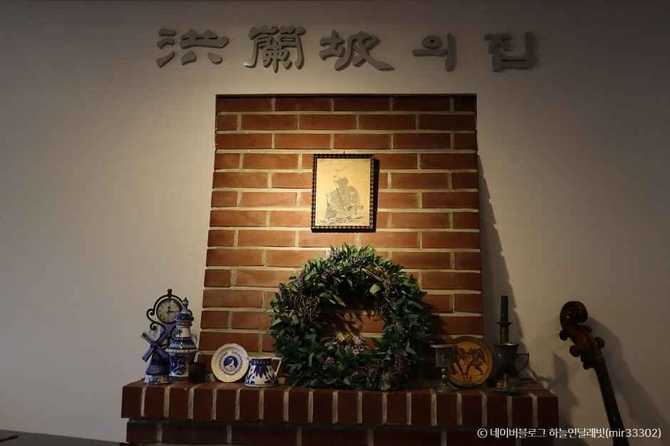
Hongnanpa, the composer who lived here, played a pivotal role in Korea’s modern music scene. His works contributed to the development of Korean popular and classical music, blending traditional Korean themes with Western musical styles. Visiting the house not only allows visitors to appreciate the architecture but also provides a tangible connection to the life and legacy of Hongnanpa. The house remains a vital site for understanding Korea’s cultural evolution, especially in the context of Western influence on Korean arts and architecture during the 1930s and beyond.
Comparison of Hongnanpa House and Other Cultural Heritage Sites
| Feature | Hongnanpa House | Other Similar Sites |
|---|---|---|
| Construction Period | 1930s | Varies (e.g., 1920s-1950s) |
| Architectural Style | Western brick-style | Traditional Korean or mixed styles |
| Historical Significance | Residence of a famous composer, cultural heritage | Historical residences, cultural landmarks |
| Designated Status | National Registered Cultural Heritage (2004) | Designated cultural properties, UNESCO sites |
| Visiting Cost | Free | Variable, often admission fee |
Visitor Information and Operating Hours for Hongnanpa House
- Operating Hours:
- Summer (April to October): 11:00 AM – 5:00 PM
- Winter (November to March): 11:00 AM – 4:00 PM
- Closed Days:
- Every Saturday and Sunday
- Public holidays (Korean legal holidays)
- Admission Fee: Free
- Location: Seoul, Jongno-gu, Songwol 1-gil 38, Hongpa-dong
- Access: Easily reachable via subway and bus routes; no parking available
Tips for Visiting and Important Notices
| Aspect | Details |
|---|---|
| Operating Hours | Summer (April to October): 11:00 AM – 5:00 PM Winter (November to March): 11:00 AM – 4:00 PM |
| Closed Days | Every Saturday and Sunday, and Korean public holidays |
| Admission Fee | Free of charge |
| Location | Seoul, Jongno-gu, Songwol 1-gil 38, Hongpa-dong |
| Transportation | Accessible via subway and bus; no parking facilities available |
About Hongnanpa and His Musical Legacy
- Hongnanpa was a prominent Korean composer whose works significantly influenced the development of modern Korean music.
- He lived in the historic house in Seoul’s Jongno district, where many of his famous songs, such as “Gureun Geumgangsan” and “Numului Norae,” were composed.
- The house is recognized as a national registered cultural heritage site since 2004, highlighting its importance in Korea’s cultural history.
- The architecture of the house reflects Western brick construction typical of the 1930s, providing insight into early Western influence on Korean architecture.
- Visiting the house offers a unique opportunity to learn about Korea’s modern music evolution and the life of one of its most influential composers.
Whether you visit during the day or evening, Discover the Historic Hongnanpa House is a meaningful stop on any Seoul itinerary for history-minded travelers.
Frequently Asked Questions (FAQ)
Q1: When is the Hongnanpa House in Seoul open to visitors?
The Hongnanpa House operates seasonally, from 11:00 AM to 5:00 PM during the summer months (April to October), and from 11:00 AM to 4:00 PM in winter (November to March). It is closed on weekends and public holidays. Always check the latest schedule before planning your visit.
Q2: Is there an entrance fee to visit the Hongnanpa House?
No, admission to the Hongnanpa House is free of charge. Visitors can explore the site without any entrance fee, but donations are not accepted.
Q3: Where exactly is the Hongnanpa House located in Seoul?
The house is located at 38 Songwol 1-gil, Hongpa-dong, Jongno-gu, Seoul. It is easily accessible via subway and bus routes, with no parking facilities available nearby.
Q4: Is parking available at the Hongnanpa House?
No, there are no parking spaces provided at or near the Hongnanpa House. Visitors are encouraged to use public transportation for convenience.
Q5: Why is the Hongnanpa House considered an important cultural heritage site?
The house is recognized for its Western-style brick architecture from the 1930s and as the residence of renowned Korean composer Hongnanpa. It is designated as a national registered cultural property for its historical and cultural significance in Korea’s modern music and architectural history.
Q6: What are some notable musical works by Hongnanpa that were created here?
Hongnanpa composed famous songs such as “Gureun Geumgangsan” and “Numului Norae” while living in this house. His works significantly contributed to the development of modern Korean music and remain celebrated today.
Visiting the Hongnanpa House in Seoul offers a unique opportunity to immerse yourself in Korea’s modern cultural and musical history. This well-preserved historic site not only showcases the distinctive Western-style architecture from the 1930s but also provides insight into the life and legacy of one of Korea’s most influential composers, Hongnanpa. Whether you are a history enthusiast, a music lover, or a curious traveler exploring Seoul’s rich cultural landscape, this site is a must-visit destination.
Remember to plan your visit carefully by checking the seasonal operating hours and avoiding weekends and public holidays when the site is closed. Since there are no parking facilities available, utilizing public transportation is highly recommended for a smooth and convenient experience. The free admission makes it accessible for all visitors eager to learn about Korea’s modern history through this iconic cultural heritage site.
By exploring the Hongnanpa House in Seoul, you gain a deeper understanding of Korea’s architectural influences and musical evolution during the early 20th century. It’s a place where history, culture, and music intersect, offering an enriching experience that highlights Korea’s diverse and dynamic cultural identity. Make sure to take your time, enjoy the peaceful surroundings, and appreciate the significance of this treasured heritage site. Whether you are a local resident or a foreign visitor, the Hongnanpa House provides a meaningful glimpse into Korea’s modern cultural journey that should not be missed.