
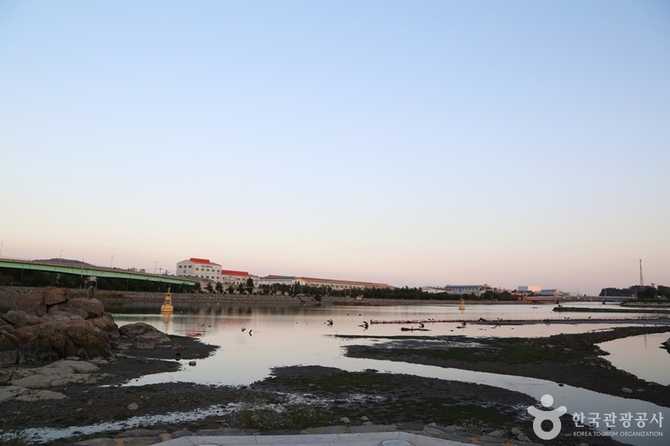
Discover the Historic and Legendary Mangsan-do and Yujuam in Busan
Are you interested in exploring Korea’s rich cultural heritage and legendary sites? Visit Mangsan-do and Yujuam in Busan to experience a blend of history, myth, and natural beauty that has been preserved for centuries. These small islands hold stories dating back to the ancient Korean kingdoms, offering travelers a unique glimpse into Korea’s maritime history and legendary tales.
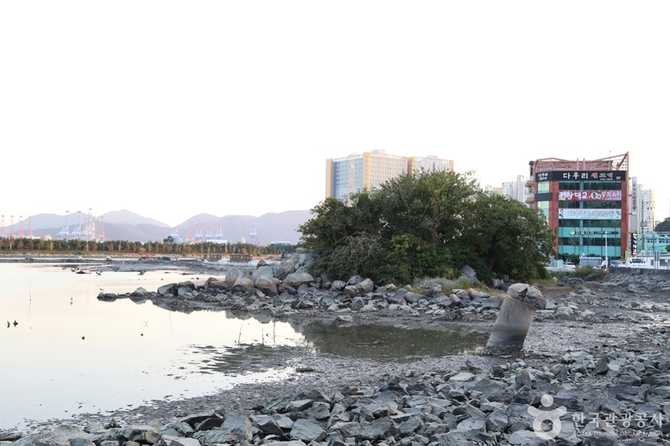
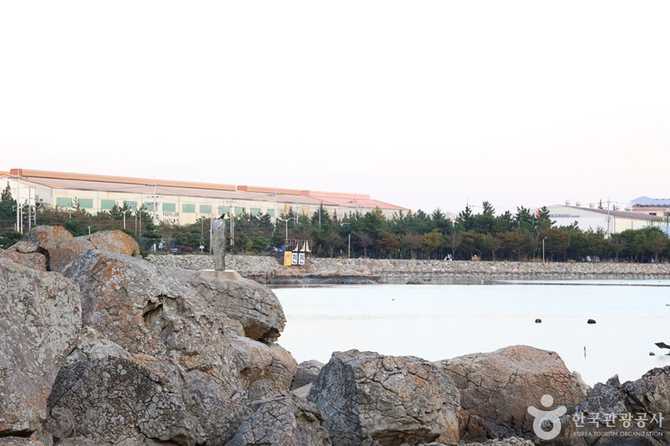
In this guide, you’ll learn about the fascinating history and legends associated with Mangsan-do and Yujuam, located in Busan’s Gyeongsangnam-do region. Discover their cultural significance, historical background, and the stories that have been passed down through generations. Whether you’re a history enthusiast, a cultural explorer, or a curious traveler, these sites provide a meaningful experience that connects the natural landscape with Korea’s storied past.
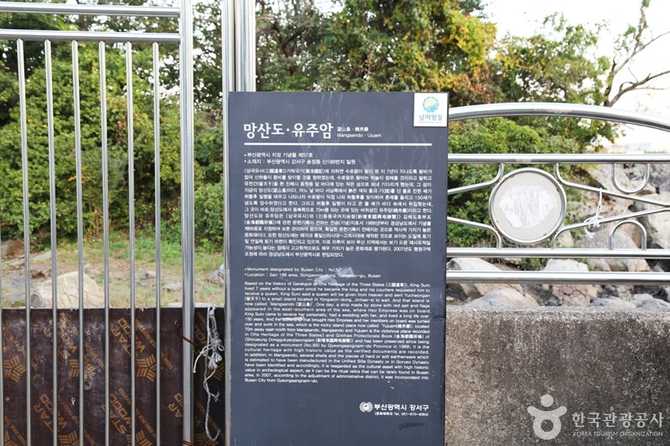
At a glance
- Who this is for
-
- Travelers interested in Korean history and legends
- Cultural heritage enthusiasts
- Tourists seeking scenic maritime sites in Busan
- Researchers and experts in Korean cultural preservation
- Local visitors and international tourists exploring Busan
- Key takeaways
-
- Mangsan-do is a small island located off the coast of Busan’s Gyeongsangnam-do region.
- Yujuam is a rocky islet situated approximately 70 meters southeast of Mangsan-do, designated as a cultural relic in 1988.
- The sites are steeped in legends, including stories of the ancient Goryeo and Silla kingdoms.
- Yujuam features the historic Yuju Bi-gak, a traditional wooden pavilion linked to the Silla and Gaya periods.
- These islands are protected heritage sites, emphasizing the importance of conservation and respectful visitation.
- Tips & cautions
-
- Respect the cultural relics and avoid unauthorized access to preserve their integrity.
- Follow local guidelines and signage during visits to ensure safety and preservation.
- Be mindful of the natural environment; do not litter or damage the landscape.
- Visit during daylight hours for the best experience and safety.
- Bottom line
- Mangsan-do and Yujuam are invaluable cultural and historical sites that embody Korea’s legendary maritime past and natural beauty.
Are you eager to explore Korea’s lesser-known historical sites? Mangsan-do and Yujuam in Busan offer a captivating journey into Korea’s ancient legends, maritime history, and scenic landscapes. These islands, with their rich stories and cultural relics, are perfect destinations for travelers seeking meaningful cultural experiences. From the legendary tales of the Goryeo and Silla periods to the natural beauty of the rocky islets, visiting Mangsan-do and Yujuam provides an immersive way to connect with Korea’s deep-rooted history and folklore.
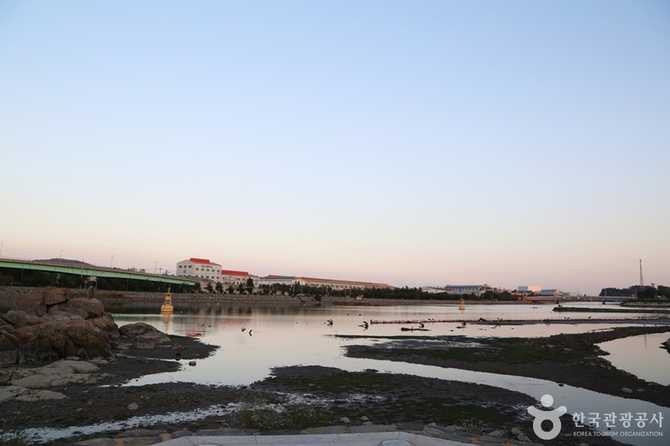
This guide will introduce you to the locations, historical significance, legendary stories, and practical visiting tips for Mangsan-do and Yujuam. Whether you are planning a cultural tour, a scenic exploration, or an educational trip, understanding the background of these sites will enrich your experience. Discover why these islands are considered precious cultural assets and how they continue to inspire stories and traditions in modern Korea.
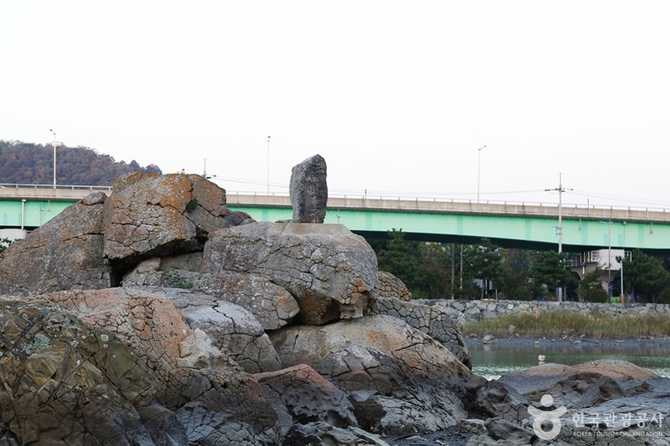
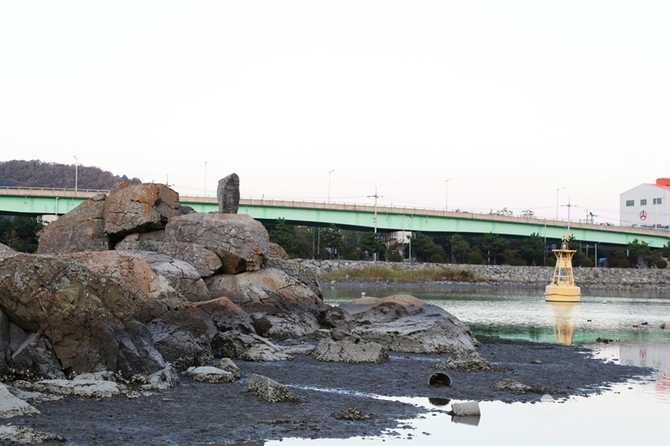
Overview of Mangsan-do and Yujuam in Busan
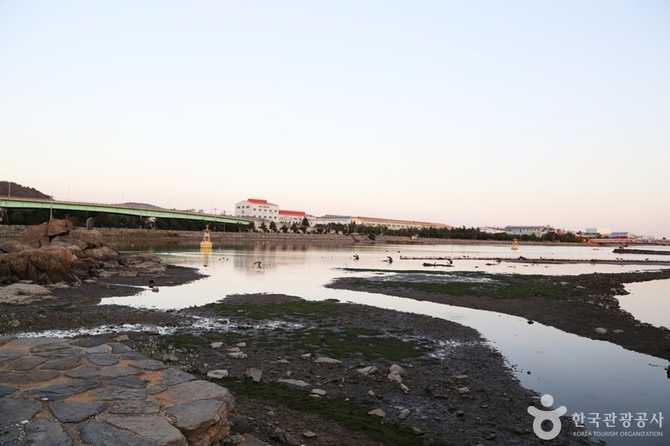
Nestled along the scenic coast of Busan, Mangsan-do and Yujuam are two historically significant islands that embody Korea’s rich maritime heritage and legendary stories. These small yet culturally vital sites are located in the Gyeongsangnam-do region of Busan, offering visitors a unique opportunity to explore Korea’s ancient legends and natural beauty. Mangsan-do, a tiny island situated off the coast of the Gyeongsangnam-do area, is renowned for its historical significance and picturesque scenery. It is connected to local legends that date back to the ancient kingdoms of Korea, particularly the Silla and Goryeo dynasties. Adjacent to Mangsan-do is Yujuam, a rocky islet approximately 70 meters southeast, which has been designated as a cultural relic by the Gyeongsangnam-do province since 1988.
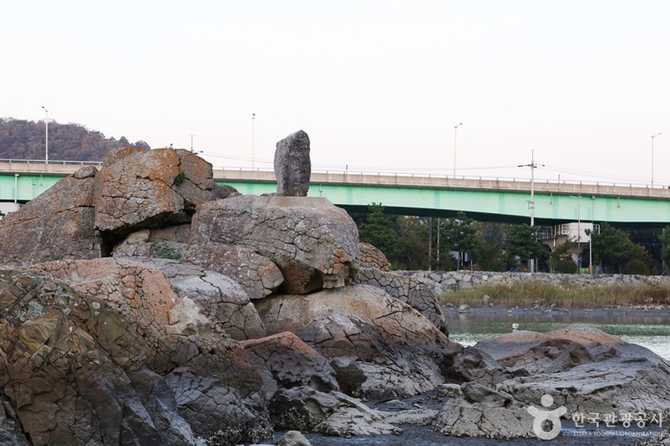
Yujuam is famous for the Yuju Bi-gak, a traditional wooden pavilion that is linked to legendary stories from the Silla and Gaya periods. The site’s historical importance is reinforced by its designation as a protected cultural relic, emphasizing the need for preservation and respectful visitation. The legends associated with these islands include tales of the ancient King Suro of Gaya and the mythical meeting with Queen Heo Hwang-ok, which have been passed down through generations. These stories are intertwined with the physical landscape, creating a captivating narrative that enriches the visitor experience.
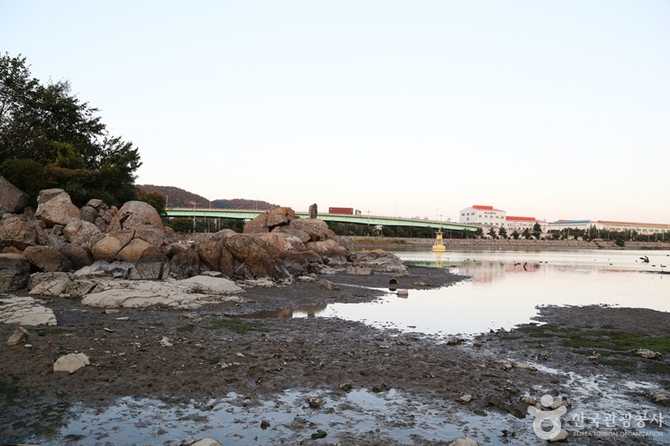
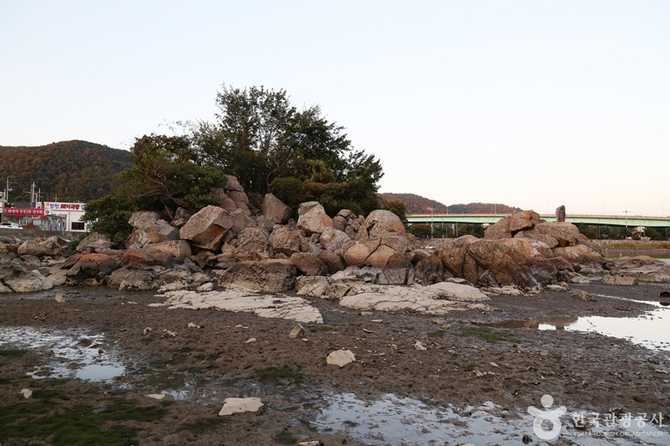
Today, Mangsan-do and Yujuam serve as important cultural heritage sites that highlight Korea’s maritime history and legendary folklore. They are accessible to the public year-round, offering scenic views, historical insights, and a glimpse into Korea’s ancient past. Visitors are encouraged to respect the natural environment and cultural relics, ensuring that these sites remain preserved for future generations. Whether you are a history enthusiast, a cultural explorer, or simply seeking a scenic escape, exploring Mangsan-do and Yujuam provides a meaningful connection to Korea’s deep-rooted traditions and stories.
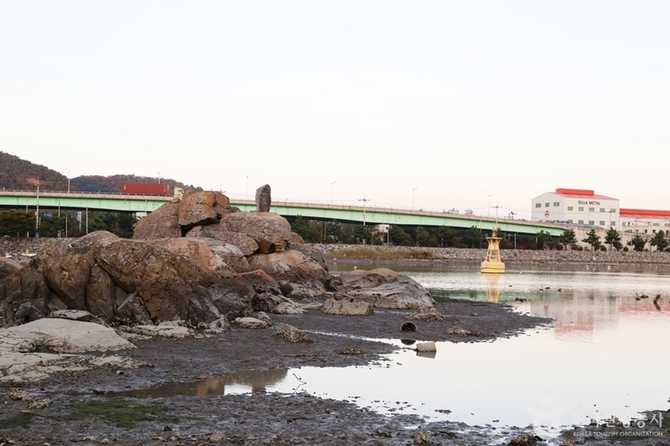
Comparison of Mangsan-do and Yujuam: Historical and Cultural Significance
| Feature | Mangsan-do | Yujuam |
|---|---|---|
| Location | Off the coast of Songjeong-dong, Busan | Approximately 70 meters southeast of Mangsan-do |
| Size | Small island, suitable for exploration | Rocky islet, mainly a cultural relic site |
| Historical Designation | No specific designation, but historically significant | Designated as a Gyeongsangnam-do cultural relic in 1988 |
| Main Cultural Heritage | Local legends and natural scenery | Yuju Bi-gak, a traditional wooden pavilion |
| Legendary Stories | Legends of King Suro and Queen Heo Hwang-ok | Stories of the Gaya and Silla kingdoms, including the tale of the shipwreck and the meeting with the queen |
| Visitor Accessibility | Accessible via boat, open year-round | Accessible by boat, protected as a cultural relic |
Cultural Heritage Checklist for Visiting Mangsan-do and Yujuam
- Respect the cultural relics: Do not climb or damage the Yuju Bi-gak or other historical structures.
- Follow guidelines: Adhere to signage and instructions provided at the sites to ensure preservation.
- Environmental responsibility: Keep the natural surroundings pristine by disposing of trash properly.
- Visit during daylight: For safety and the best viewing experience, plan your visit during daytime hours.
- Safety precautions: Be cautious of uneven terrain and slippery surfaces, especially on rocky islets.
Visitor Information and Access to Mangsan-do and Yujuam
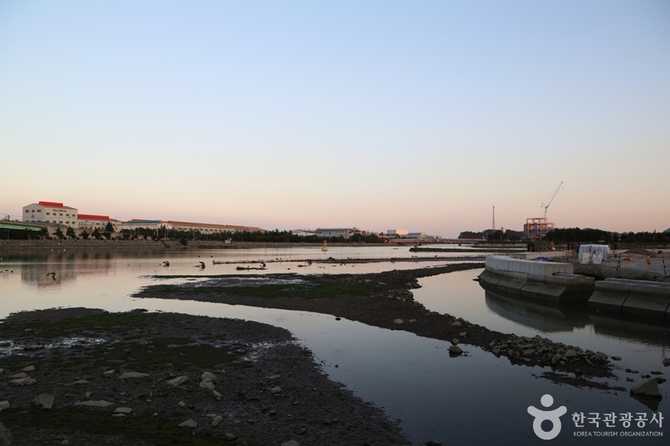
Getting to Mangsan-do and Yujuam is convenient for travelers exploring Busan’s scenic coastlines and cultural heritage sites. Both locations are accessible throughout the year, making them ideal for spontaneous visits or planned cultural tours. Here are the essential details to help you plan your trip:
| Aspect | Details |
|---|---|
| Location | Mangsan-do is off the coast of Songjeong-dong, Busan. Yujuam is approximately 70 meters southeast of Mangsan-do. |
| Accessibility | Accessible by boat; regular boat services are available from nearby ports or coastal areas. |
| Best Visiting Time | Year-round, with optimal visits during clear weather and daylight hours for safety and sightseeing. |
| Entry Fee | Free of charge; no admission fee required. |
| Contact Information | For inquiries, contact Busan Gyeongsangnam-do Cultural Heritage Office or visit the official website of the Korea Cultural Heritage Administration at https://www.heritage.go.kr/. |
| Transportation Tips | Use local buses or private vehicles to reach the departure points for boat trips. Parking facilities are available near the boat docks. |
Precautions and Preservation Guidelines for Visiting Mangsan-do and Yujuam
- Respect the cultural relics: Do not climb on or damage the Yuju Bi-gak or other historical structures to ensure their preservation for future visitors.
- Follow signage and instructions: Adhere to all posted guidelines and directions from local authorities or guides to maintain safety and conservation efforts.
- Environmental responsibility: Keep the natural environment pristine by disposing of trash properly and avoiding any activities that could harm the landscape or marine life.
- Visit during daylight hours: For safety reasons and to fully appreciate the scenery and relics, plan your visit during daytime.
- Be cautious on rocky surfaces: The islets are natural and uneven, so wear appropriate footwear and watch your step to prevent accidents.
- Do not disturb the legends and stories: Respect the cultural significance of the site by refraining from disruptive behavior or unauthorized access to restricted areas.
Whether you visit during the day or evening, Discover the Historic and Legendary is a meaningful stop on any Seoul itinerary for history-minded travelers.
Frequently Asked Questions (FAQ)
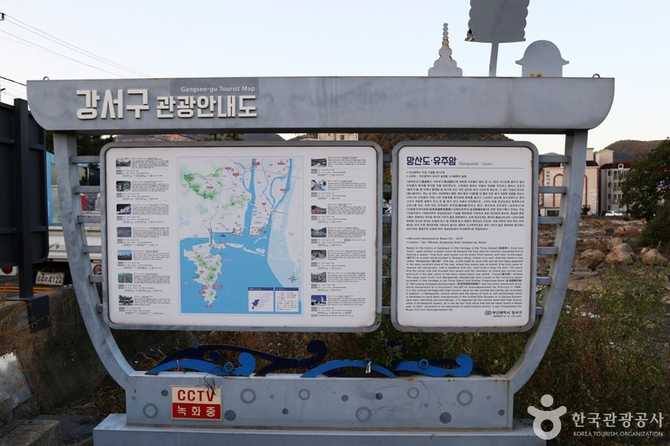
Mangsan-do is a small island located off the coast of Songjeong-dong in Busan, Gyeongsangnam-do. Yujuam is a rocky islet situated approximately 70 meters southeast of Mangsan-do. Both sites are accessible by boat and are part of Busan’s scenic maritime heritage.
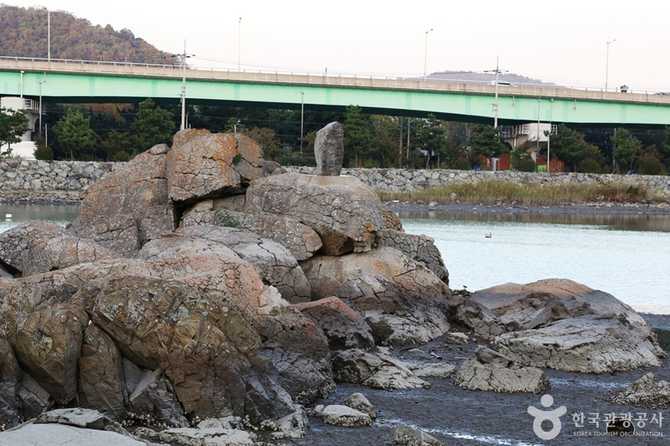
These islands are linked to Korea’s ancient legends, including stories of the Goryeo and Silla kingdoms. Yujuam features the Yuju Bi-gak, a traditional wooden pavilion associated with historical tales from the Gaya and Silla periods. They are designated as cultural relics, emphasizing their historical importance.
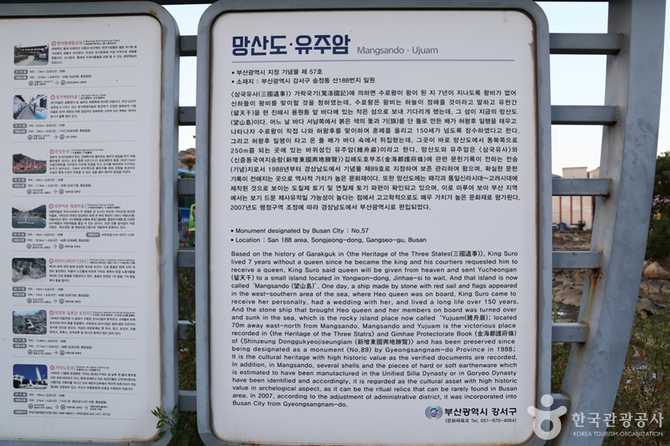
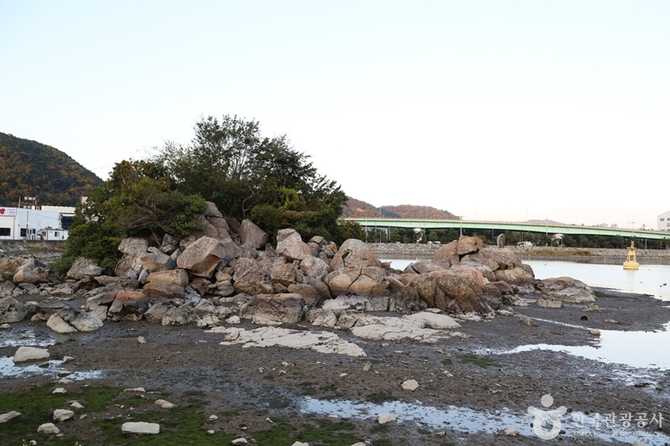
Legend has it that King Suro of Gaya waited for his bride, Queen Heo Hwang-ok, at Yujuam, and that the rocky islet was formed from a shipwreck related to their story. The site is also connected to tales of the meeting between the Gaya and Silla kingdoms, symbolizing Korea’s rich mythological past.
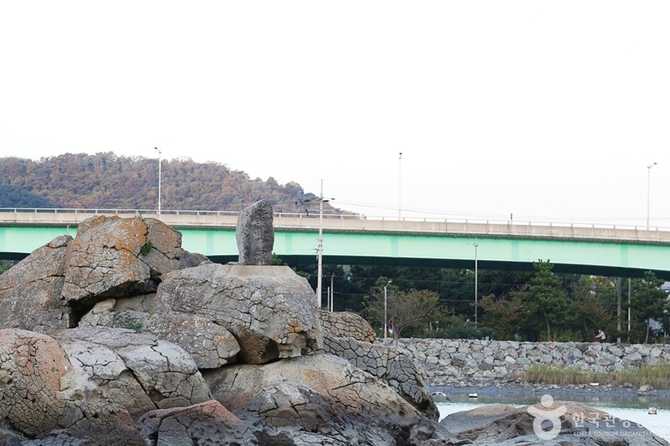
Yes, Yujuam has been designated as a Gyeongsangnam-do cultural relic since 1988, and the area is protected to preserve its historical and cultural significance. Visitors are advised to respect the relics and avoid unauthorized access or damage.
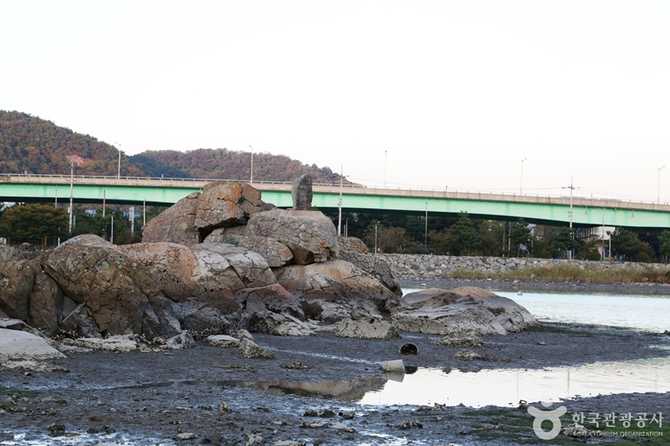
Both sites are accessible year-round by boat from nearby coastal areas in Busan. There are no admission fees, and visitors can enjoy scenic views and cultural relics during daylight hours. Parking is available at nearby locations for those arriving by car.
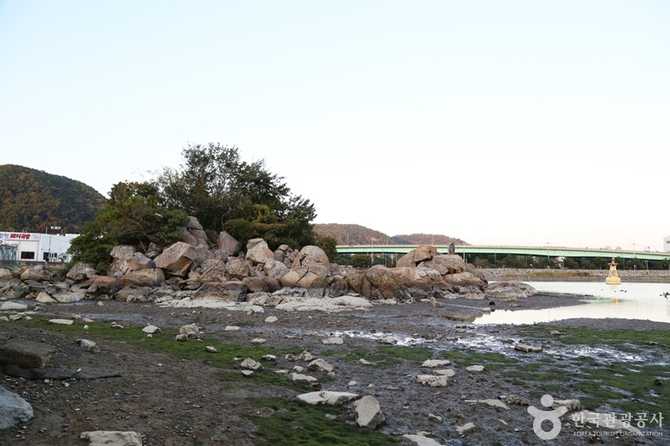
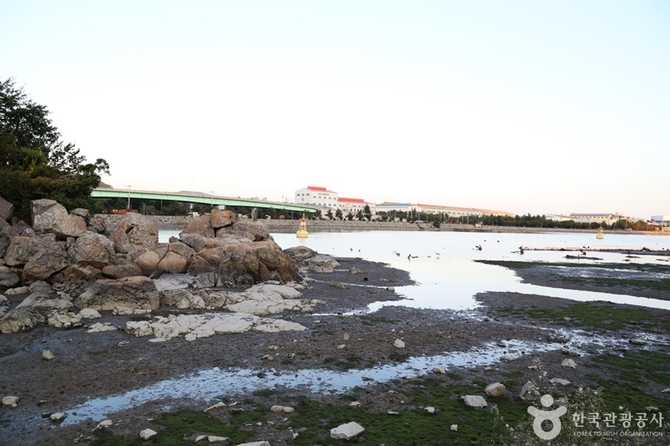
Visitors should follow guidelines to protect the relics, avoid climbing or damaging structures like Yuju Bi-gak, and dispose of trash properly. Safety precautions include being cautious on rocky surfaces and visiting during daylight for better visibility and safety.
Discover the Hidden Cultural Treasures of Mangsan-do and Yujuam in Busan
Exploring Mangsan-do and Yujuam in Busan offers a unique opportunity to connect with Korea’s rich maritime history and legendary stories. These small islands are not only scenic spots but also vital cultural heritage sites that embody Korea’s ancient legends and historical significance. Whether you are a history enthusiast, a cultural explorer, or a traveler seeking meaningful experiences, visiting these sites allows you to immerse yourself in Korea’s deep-rooted traditions and natural beauty.
By understanding the legends associated with Mangsan-do and Yujuam, such as stories from the Goryeo and Silla periods, visitors gain a deeper appreciation of Korea’s cultural landscape. The sites’ designation as protected relics underscores their importance and the need for respectful visitation. Remember to follow local guidelines, respect the natural environment, and preserve the integrity of these precious sites for future generations. Exploring these islands provides not only scenic enjoyment but also a meaningful educational journey into Korea’s legendary past and maritime heritage.
If you plan to visit Mangsan-do and Yujuam, prepare to be captivated by their historical stories, stunning coastal scenery, and cultural significance. These islands are accessible year-round, and their preservation ensures that their stories will continue to inspire visitors for many years to come. Make sure to respect the cultural relics, follow safety guidelines, and enjoy a memorable journey into Korea’s legendary maritime history. Discovering Mangsan-do and Yujuam in Busan is truly a rewarding experience that enriches your understanding of Korea’s vibrant cultural heritage.