

출처 : ⓒ한국관광콘텐츠랩 또는 ⓒ한국관광공사
Discover the Cultural Richness of Tanhyeo Memorial Buddhist Museum in Seoul
Location 서울특별시 강남구 밤고개로14길 13-51 (자곡동)
Location 서울특별시 강남구 밤고개로14길 13-51 (자곡동)
Are you interested in exploring Korea’s deep-rooted Buddhist traditions and regional culture? Visiting the Tanhyeo Memorial Buddhist Museum offers a unique opportunity to experience Korea’s spiritual heritage intertwined with local arts and educational programs. This cultural space in Seoul provides visitors with an immersive journey into Buddhist philosophy, regional history, and diverse cultural activities, making it an ideal destination for those seeking both spiritual insight and cultural enrichment.
Located in the vibrant district of Gangnam, the Tanhyeo Memorial Buddhist Museum stands as a hub for understanding the teachings of Buddhism, Confucianism, and regional cultural developments. Whether you’re a curious traveler, a student of Asian religions, or someone interested in Korea’s cultural landscape, this museum offers a comprehensive experience through its exhibits, educational programs, and community events.
At a glance
- Who this is for
-
- Visitors interested in Buddhist culture and history
- Those seeking regional Korean cultural experiences
- Researchers and students of Asian philosophy and religion
- Local residents and tourists exploring Seoul’s cultural sites
- Key takeaways
-
- Features exhibits on Buddhist, Confucian, and Taoist philosophies
- Displays include relics of the Great Monk Tanhyeo and Buddhist scriptures
- Offers educational programs, lectures, and cultural events year-round
- Free admission and parking, open daily except Mondays and holidays
- Located at 13-51 Bamgogae-ro 14-gil, Gangnam-gu, Seoul
- Tips & cautions
-
- Check the official website for special event schedules
- Observe silence and respect the spiritual atmosphere
- Avoid bringing food, drinks, or smoking inside the museum
- Pre-arranged group visits are recommended for larger groups
- Bottom line
- Experience Korea’s spiritual and cultural heritage at the Tanhyeo Memorial Buddhist Museum, a must-visit cultural space in Seoul.
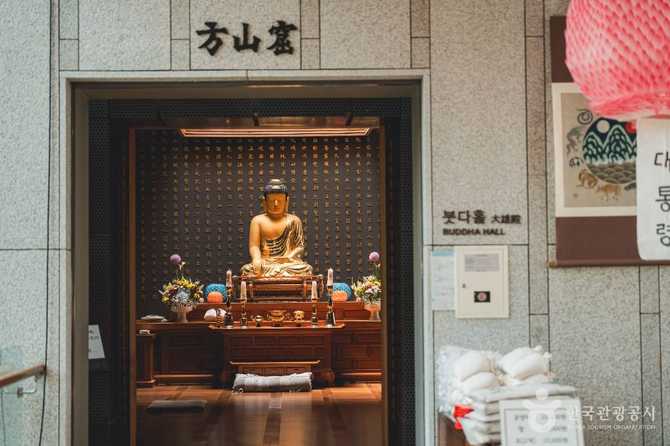
The Tanhyeo Memorial Buddhist Museum in Seoul is a dedicated space that celebrates Korea’s rich Buddhist traditions while integrating regional cultural elements. Established in the early 2000s, this museum has become a vital hub for cultural education, spiritual reflection, and community engagement. Its architecture features traditional Korean motifs and an exterior inscribed with the sacred Diamond Sutra, symbolizing the profound teachings of Buddhism.
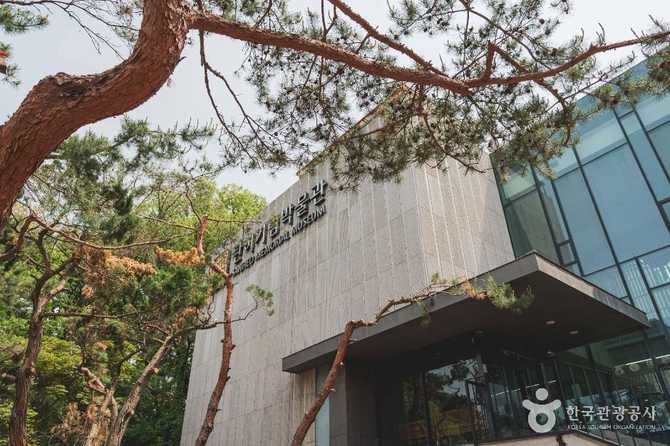
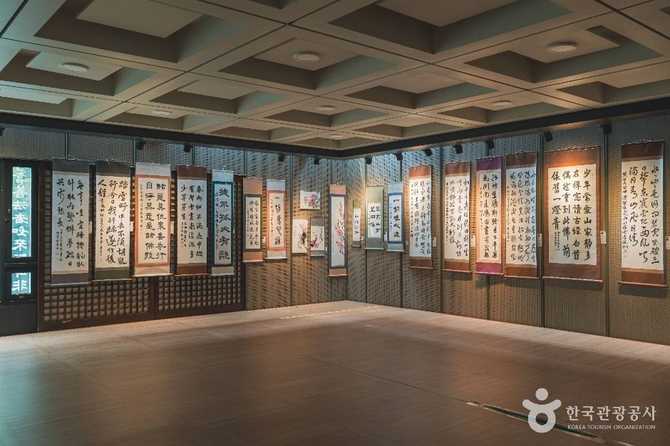
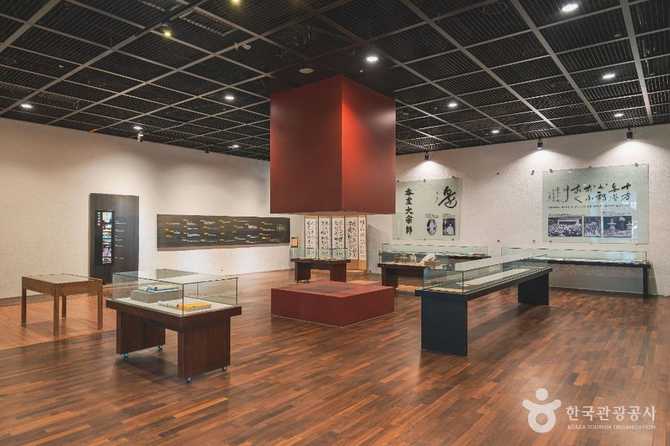
Visitors can explore a variety of exhibits, including relics of the renowned monk Tanhyeo, ancient Buddhist scriptures, and regional artifacts that showcase Korea’s spiritual evolution. The museum also hosts a variety of cultural programs such as Buddhist lectures, calligraphy classes, and traditional music performances, fostering a deeper understanding of Korea’s religious and cultural landscape.
Located conveniently in Seoul’s Gangnam district, the museum offers free entry and parking, making it accessible for both locals and tourists. Its engaging educational activities and serene environment make it an ideal destination for those interested in exploring Korea’s spiritual heritage and regional culture.
Museum Overview and Historical Background
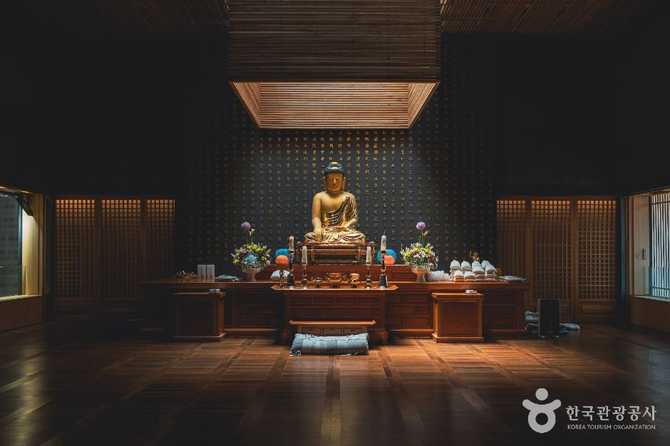
The Tanhyeo Memorial Buddhist Museum in Seoul is a prominent cultural institution dedicated to preserving and showcasing Korea’s rich Buddhist heritage. Situated in the bustling district of Gangnam, this museum serves as a vital space for understanding the spiritual and philosophical traditions of Buddhism, Confucianism, and Taoism that have shaped Korean history and culture. Established in the early 2000s, the museum was founded to honor the legacy of the revered monk Tanhyeo, whose teachings and relics form the core of its exhibits. The museum’s architecture blends traditional Korean motifs with modern design, creating a serene environment conducive to reflection and learning.
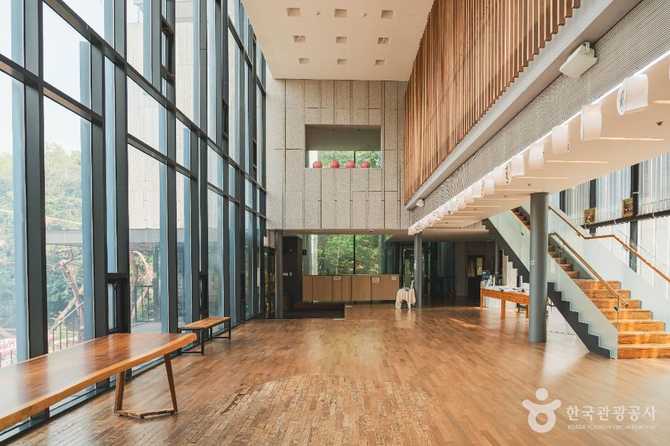
The museum’s founding aimed to promote cultural education and spiritual understanding among both locals and international visitors. It is positioned as a cultural hub that integrates religious artifacts, historical relics, and educational programs to foster a deeper appreciation of Korea’s spiritual traditions. The exterior of the museum features an elaborate inscription of the Diamond Sutra, symbolizing the profound wisdom of Buddhism, and the interior houses a vast collection of relics, scriptures, and artifacts related to the life and teachings of the Great Monk Tanhyeo.
Over the years, the Tanhyeo Memorial Buddhist Museum has expanded its role to include hosting cultural events, seminars, and workshops that promote religious harmony and cultural exchange. Its commitment to education is reflected in its diverse programs, which include Buddhist lectures, calligraphy classes, and traditional music performances. The museum is also a center for regional cultural activities, often collaborating with local communities to organize festivals and art exhibitions. Its mission is to serve as a bridge connecting Korea’s spiritual past with contemporary cultural life, making it an essential destination for those interested in exploring Korea’s religious and cultural landscape.
Comparison of Exhibits and Cultural Programs
| Exhibit / Program | Details | Remarks |
|---|---|---|
| Relics of Great Monk Tanhyeo | Ancient artifacts, personal belongings, and relics associated with Tanhyeo | Displayed in dedicated halls, available for close viewing |
| Buddhist Scriptures | Ancient sutras and texts, including the Diamond Sutra inscribed on the exterior wall | Regularly showcased in special exhibitions and digital displays |
| Educational Programs | Buddhist lectures, cultural workshops, and humanities classes | Operates year-round, with free and paid options |
| Cultural Events | Performances, seminars, and community festivals related to regional culture and religion | Held periodically, check website for schedule |
| Exterior Inscription | Diamond Sutra inscription on the exterior wall, symbolizing Buddhist wisdom | Aesthetic and symbolic feature, visible from outside |
Visiting Hours and Visitor Guidelines
- Operating Hours: Daily from 10:00 AM to 5:00 PM
- Closed on: Mondays, January 1st, Lunar New Year, Chuseok holidays, and Labor Day
- Location: 13-51 Bamgogae-ro 14-gil, Gangnam-gu, Seoul
- Contact: 02-445-8486
- Website: www.tanheo.org
- Admission Fee: Free for all visitors
- Parking: Free parking available on-site
- Group Visits: Recommended to reserve in advance via phone or website
- Accessibility: Facilities are accessible for visitors with mobility challenges
- Visitor Conduct: Please maintain silence, refrain from eating or smoking inside, and respect the exhibits and other visitors
Important Tips for Visiting Tanhyeo Memorial Buddhist Museum
- Check the official website: Before your visit, verify the museum’s operating hours and any special events or temporary closures to plan your trip effectively.
- Respect the spiritual environment: Maintain silence and behave respectfully inside the museum to preserve its tranquil atmosphere.
- Follow photography rules: Photography and video recording are only permitted with prior permission. Always ask staff before capturing images.
- Avoid touching exhibits: Do not touch or damage any artifacts or displays to ensure their preservation and avoid legal issues.
- Visit with children: Children should be accompanied by an adult. Keep a close watch to prevent accidental damage or disturbance.
- Plan your attire: Dress modestly and comfortably, especially if participating in cultural programs or ceremonies.
- Use available facilities: Take advantage of free parking and amenities to enhance your visit.
- Respect other visitors: Be considerate of others by keeping noise levels down and following guided instructions.
- Is there an entrance fee? Yes, admission is free for all visitors.
- Is parking available? Yes, free parking is provided on-site.
- When is the museum closed? It is closed every Monday, January 1st, and during major Korean holidays such as Lunar New Year, Chuseok, and Labor Day.
- Do I need to reserve for group visits? Yes, reservations are recommended for groups. Please contact via phone or the official website.
- Can children visit? Absolutely, children are welcome when accompanied by adults. Special programs for young visitors are available.
- Are there restrictions on photography? Yes, photography and video recording require prior approval from staff.
- Is the museum accessible? Yes, facilities are designed to accommodate visitors with mobility challenges.
- What should I do if I have questions during my visit? Staff are available to assist. You can also refer to the information desk or the official website for guidance.
Whether you visit during the day or evening, Discover the Cultural Richness of is a meaningful stop on any Seoul itinerary for history-minded travelers.
Frequently Asked Questions (FAQ)
Q1: Is there an entrance fee to visit Tanhyeo Memorial Buddhist Museum?
No, admission to the Tanhyeo Memorial Buddhist Museum is free for all visitors. You can explore the exhibits and participate in programs without any charge.
Q2: Do I need to make a reservation for group visits?
Yes, it is recommended to reserve in advance for group visits to ensure smooth entry and proper arrangements. Reservations can be made via phone or the official website.
Q3: What are the museum’s operating hours?
The museum is open daily from 10:00 AM to 5:00 PM. It is closed every Monday, January 1st, and during major Korean holidays such as Lunar New Year and Chuseok.
Q4: Is parking available at the museum?
Yes, the museum provides free parking on-site for visitors. It is advisable to arrive early during busy periods to secure a parking spot.
Q5: Are there any restrictions on photography inside the museum?
Photography and video recording require prior permission from staff. Visitors should refrain from touching exhibits and should ask for approval before capturing images.
Q6: Is the museum accessible for visitors with mobility challenges?
Yes, the museum is equipped with facilities to accommodate visitors with mobility challenges, ensuring a comfortable and accessible experience for all.
Experience the Cultural and Spiritual Heritage at Tanhyeo Memorial Buddhist Museum in Seoul
Visiting the Tanhyeo Memorial Buddhist Museum offers a meaningful journey into Korea’s rich Buddhist traditions and regional cultural history. This museum is more than just a place to view artifacts; it is a vibrant space where spirituality, history, and community come together. Whether you are a dedicated scholar, a curious traveler, or someone seeking a peaceful retreat, the museum provides a welcoming environment to deepen your understanding of Korea’s religious heritage. Its exhibits on the relics of the Great Monk Tanhyeo, ancient scriptures, and regional artifacts serve as a bridge connecting the past and present, allowing visitors to appreciate Korea’s spiritual evolution. The educational programs, cultural events, and serene atmosphere make this museum a must-visit destination in Seoul. Remember to check the operating hours and special event schedules before your visit, and take advantage of the free parking and admission benefits. A trip to the Tanhyeo Memorial Buddhist Museum will enrich your appreciation of Korea’s spiritual and cultural landscape, leaving you inspired and more connected to Korea’s profound religious traditions.