

출처 : ⓒ한국관광콘텐츠랩 또는 ⓒ한국관광공사
Discover the Charm of Shinsa Market: A Traditional Market in Gangnam
Location 서울특별시 강남구 압구정로29길 72-1 (압구정동)
Location 서울특별시 강남구 압구정로29길 72-1 (압구정동)
Are you looking for an authentic shopping experience in Seoul that combines tradition with modernity? Shinsa Market in Gangnam offers visitors a vibrant atmosphere filled with fresh produce, delicious street food, and unique local products. Whether you’re a tourist eager to explore Korea’s traditional markets or a local resident seeking fresh ingredients at affordable prices, this market provides a memorable experience.
Located in the heart of Gangnam, Shinsa Market has been serving the community since 1976, maintaining its original charm without undergoing reconstruction. This bustling traditional market is easily accessible from Apgujeong Station and is known for its lively vendors, fresh agricultural products, and tasty street snacks. Visitors can enjoy browsing through approximately 80 shops selling everything from seafood and fruits to clothing and souvenirs.
In this guide, you’ll find detailed information about Shinsa Market’s location, opening hours, key features, and tips for a successful visit. Whether you’re interested in tasting the famous tteokbokki, purchasing fresh produce, or simply soaking in the local atmosphere, this market promises a unique experience that blends Korea’s traditional charm with contemporary vibrancy.
At a glance
- Who this is for
-
- Visitors seeking authentic Korean market experiences in Gangnam
- Tourists interested in exploring traditional markets with historical significance
- Locals looking for fresh produce and affordable everyday goods
- Food lovers wanting to try local street snacks and specialties
- History and culture enthusiasts exploring Seoul’s traditional commerce
- Key takeaways
-
- Market established in 1976, maintaining its original structure
- Approximately 80 shops offering food, produce, clothing, and more
- Easy access from Apgujeong Station, Exit 1
- Open from 8:00 AM to 9:30 PM daily
- Famous for its traditional tteokbokki and fresh seafood
- Tips & cautions
-
- Parking is limited; use nearby public parking facilities
- Check individual shop holidays before visiting
- Prices may fluctuate due to market conditions
- Visit early in the morning for the freshest products
- Be mindful of crowded times, especially weekends
- Bottom line
- Shinsa Market offers a vibrant blend of tradition and modern shopping, making it a must-visit destination in Gangnam for authentic Korean market experiences.
Welcome to our comprehensive guide on Shinsa Market, a traditional market located in the bustling district of Gangnam, Seoul. This market has been a vital part of the local community since its establishment in 1976, preserving its original charm without undergoing reconstruction. It is a favorite spot for both residents and visitors who want to experience Korea’s authentic market culture.

Shinsa Market is conveniently situated near Apgujeong Station, making it accessible for travelers exploring Seoul’s popular Gangnam area. The market features around 80 shops offering a variety of goods, including fresh seafood, seasonal fruits, traditional Korean snacks, and clothing. Its lively atmosphere and long-standing history make it an ideal place to enjoy local flavors and shop for unique souvenirs.
Whether you’re here to sample the famous spicy and sweet tteokbokki, purchase fresh ingredients for cooking, or browse through affordable fashion items, Shinsa Market provides a vibrant shopping environment. The market’s open hours from 8:00 AM to 9:30 PM ensure ample time for exploration, but it’s recommended to visit earlier in the day for the best selection and freshest produce.
Overview of Shinsa Market in Gangnam
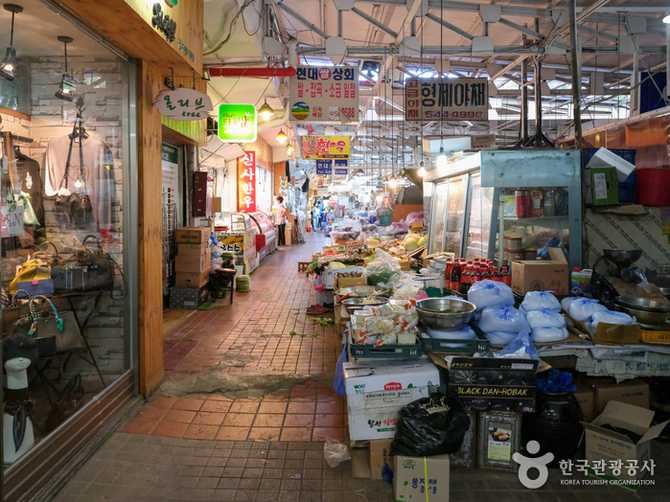
Located in the vibrant district of Gangnam, Seoul, Shinsa Market is a traditional Korean marketplace that has been serving locals and visitors since 1976. This market is renowned for its authentic atmosphere, offering a wide array of fresh produce, seafood, street snacks, and everyday essentials at affordable prices. As a key part of Gangnam’s commercial landscape, Shinsa Market provides a unique shopping experience that blends Korea’s rich market traditions with modern urban life.
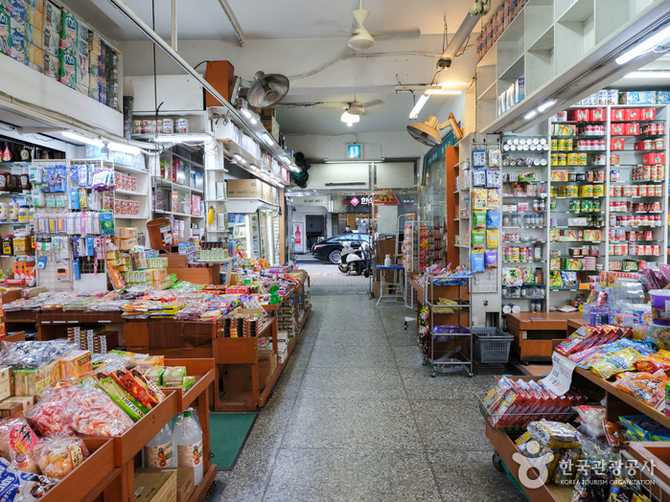
The market’s strategic location near Apgujeong Station (Exit 1) makes it highly accessible for tourists exploring Seoul’s upscale district. Despite its proximity to luxury boutiques and cafes, Shinsa Market maintains its traditional charm, with approximately 80 shops arranged along a lively, bustling alley. Visitors can enjoy browsing through vendors selling everything from fresh fruits and vegetables to traditional Korean snacks, clothing, and household goods. The market’s long history and preserved architecture give it a nostalgic feel, making it a favorite spot for those interested in Korea’s local culture and history.
Open daily from 8:00 AM to 9:30 PM, Shinsa Market is ideal for early morning shopping or evening strolls. Early visits allow shoppers to enjoy the freshest produce and witness the market’s lively morning hustle. The market’s main attractions include its famous tteokbokki (spicy rice cakes), fresh seafood, and seasonal fruits, making it a must-visit for food lovers. While the market is generally busy, especially during weekends, it remains a welcoming environment for all visitors seeking an authentic Korean market experience.
Whether you’re here to buy ingredients for cooking, pick up souvenirs, or simply enjoy the vibrant atmosphere, Shinsa Market offers a glimpse into Korea’s traditional commerce scene. Remember to check shop holidays beforehand, as some vendors may close on specific days. With its combination of history, culture, and modern shopping, Shinsa Market in Gangnam continues to be a lively hub that captures the essence of Seoul’s traditional markets.
Comparison of Traditional Markets in Seoul: Shinsa Market vs. Gwangjang Market
| Feature | Shinsa Market | Gwangjang Market |
|---|---|---|
| Location | Gangnam District, Seoul | Jongno District, Seoul |
| Established | 1976 | 1950s |
| Size | Moderate, about 80 shops | Large, over 100 shops and food stalls |
| Main Offerings | Fresh produce, seafood, street snacks, clothing | Traditional Korean street food, textiles, souvenirs |
| Atmosphere | Traditional, lively, community-focused | Historic, bustling, tourist-oriented |
| Accessibility | Near Apgujeong Station, Exit 1 | Near Jongno 5-ga Station, Exit 8 |
| Market Hours | 8:00 AM – 9:30 PM | 6:00 AM – 10:00 PM |
Both markets offer authentic Korean shopping experiences, but Shinsa Market’s modern yet traditional vibe makes it a unique destination in Gangnam, especially for those interested in exploring local community markets. Gwangjang Market, on the other hand, is famous for its historic street food and textile shops, attracting a large number of tourists and food enthusiasts from around the world.
Visiting Tips and Checklist for Shinsa Market
- Plan your visit early in the morning to enjoy the freshest produce and a lively atmosphere.
- Check shop holidays before heading out, as some vendors may close on specific days.
- Bring cash as many small vendors do not accept credit cards.
- Use nearby public parking since parking inside the market is limited.
- Sample the popular tteokbokki, a must-try street snack with a perfect balance of spicy and sweet flavors.
- Visit during weekdays to avoid large crowds, especially on weekends.
Parking and Transportation to Shinsa Market
| Aspect | Details |
|---|---|
| Parking availability | Limited parking inside the market area; use nearby public parking lots |
| Recommended parking options | Public parking lots near Apgujeong Station or along the main roads |
| Public transportation | Subway Line 3, Apgujeong Station, Exit 1 (about 5-minute walk) |
| Bus options | Various city buses stop near Apgujeong-dong; check local routes for convenience |
Popular Food and Shopping Items at Shinsa Market
- Traditional Tteokbokki: A spicy and sweet rice cake dish, famous for its long-standing history and flavorful taste.
- Fresh Seafood: Seasonal fish, shellfish, and other seafood items sold at affordable prices.
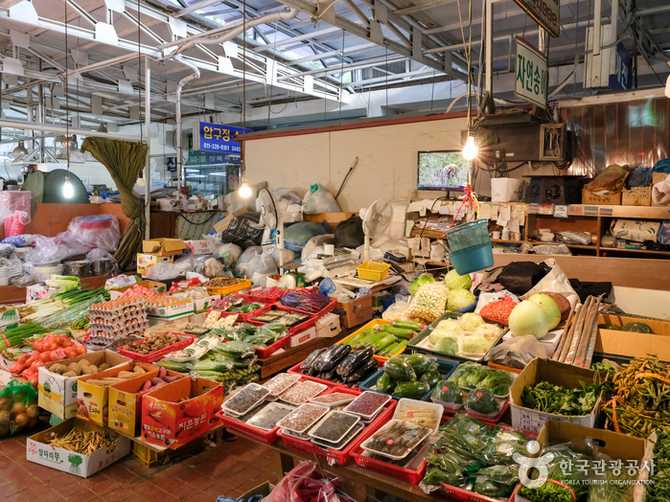
- Fruits and Vegetables: Local and seasonal produce, perfect for cooking or snacking.
- Prepared Side Dishes: Various Korean side dishes (banchan), including kimchi, pickled vegetables, and seasoned seaweed.
- Street Snacks: Hotteok (sweet pancakes), odeng (fish cake skewers), and other quick bites.
- Clothing and Accessories: Affordable fashion items, including casual wear, accessories, and household goods.
Whether you visit during the day or evening, Discover the Charm of Shinsa is a meaningful stop on any Seoul itinerary for history-minded travelers.
Frequently Asked Questions (FAQ)
Q1 Where is Shinsa Market located in Seoul?
Shinsa Market is situated in the Gangnam district of Seoul at 72-1 Apgujeong-ro 29-gil. It is conveniently accessible near Apgujeong Station, Exit 1, making it easy for visitors to reach from various parts of the city.
Q2 What are the opening hours of Shinsa Market?
The market operates daily from 8:00 AM to 9:30 PM. However, individual shops may have different closing times or days off, so it is advisable to check in advance before visiting.
Q3 Does Shinsa Market have parking facilities?
Parking inside the market is limited, so it is recommended to use nearby public parking lots. The closest public parking charges approximately 1,020 KRW per 30 minutes, and parking spaces can fill up quickly during peak hours.
Q4 What types of products can I find at Shinsa Market?
The market offers a variety of goods including fresh seafood, seasonal fruits, vegetables, traditional Korean snacks like tteokbokki, and everyday essentials such as clothing and household items. It is especially known for its authentic street food and fresh produce.
Q5 What makes Shinsa Market unique compared to other traditional markets in Seoul?
Shinsa Market maintains its original 1976 architecture without reconstruction, preserving its traditional atmosphere. Its blend of modern shopping convenience and historical charm makes it a distinctive place to experience Korea’s local market culture.
Q6 Are there any tips for visiting Shinsa Market?
It is best to visit early in the morning for the freshest products and a lively atmosphere. Be sure to check shop holidays beforehand, and bring cash, as many vendors may not accept credit cards. Visiting on weekdays can also help avoid large crowds.
Final Tips for Visiting Shinsa Market in Gangnam
Exploring Shinsa Market in Gangnam offers a delightful glimpse into Korea’s vibrant traditional market culture. To make the most of your visit, plan ahead by checking the market’s operating hours and shop holidays, ensuring you don’t miss out on your favorite vendors. Arriving early in the morning is highly recommended—this is when the market is at its liveliest, and the freshest produce is available. Remember to bring cash, as many small vendors do not accept credit cards, and utilize nearby public parking facilities since parking inside the market is limited.
While wandering through the approximately 80 shops, be sure to sample the famous tteokbokki, a beloved street snack with a perfect spicy-sweet flavor balance. Whether you’re here to buy fresh seafood, seasonal fruits, or traditional Korean snacks, taking your time allows you to fully enjoy the authentic atmosphere of this historic market. Visiting during weekdays can help you avoid large crowds, making for a more relaxed shopping experience. Keep in mind that prices may fluctuate depending on market conditions, so it’s wise to compare and bargain where appropriate.
In summary, Shinsa Market in Gangnam is a must-visit destination for anyone interested in experiencing Korea’s local markets firsthand. It beautifully combines tradition with everyday practicality, offering a variety of goods at affordable prices. Whether you’re a foodie, a culture enthusiast, or a shopper seeking unique souvenirs, this market promises a memorable and authentic Korean experience. Be prepared, plan your visit wisely, and enjoy immersing yourself in the lively, colorful world of Seoul’s traditional markets. Your journey through Shinsa Market will surely leave you with lasting memories of Korea’s rich market heritage and warm community spirit.