
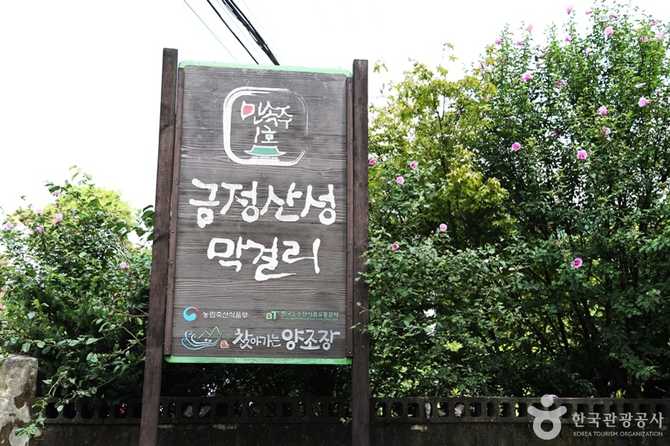
출처 : ⓒ한국관광콘텐츠랩 또는 ⓒ한국관광공사
Discover the Authentic Korean Traditional Fermentation: Geumjeongsanseong Yugane Nuruk
Location 부산광역시 금정구 산성로 453 (금성동)
Location 부산광역시 금정구 산성로 453 (금성동)
Are you eager to experience the deep flavors of Korea’s traditional alcoholic beverages? Exploring Geumjeongsanseong Yugane Nuruk offers a unique opportunity to learn about Korea’s centuries-old fermentation techniques and enjoy a key ingredient that preserves the rich taste of traditional makgeolli.
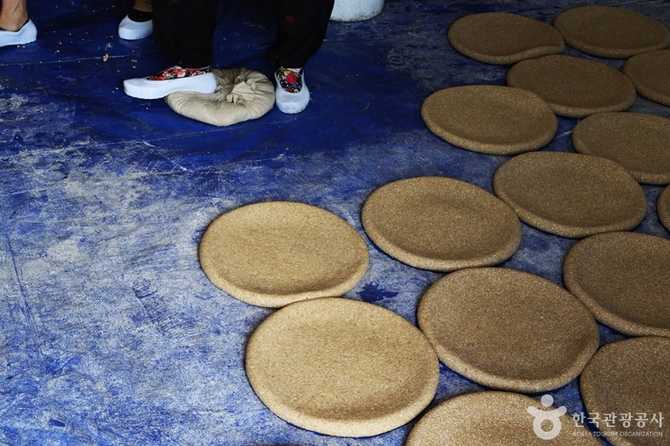
Located in the scenic area of Geumjeongsanseong in Busan, this historic nuruk (fermentation starter) embodies over 500 years of natural fermentation craftsmanship. Made using environmentally friendly methods, it plays a vital role in creating Korea’s beloved traditional rice wine, makgeolli. Whether you are a fermentation enthusiast, a cultural traveler, or a chef interested in authentic Korean ingredients, understanding the history and production process of Geumjeongsanseong Yugane Nuruk will deepen your appreciation for Korea’s rich culinary heritage.
At a Glance
- Who this is for
-
- Brewers and enthusiasts interested in traditional fermentation methods
- Travelers keen on exploring Korea’s cultural and culinary heritage
- Food lovers wanting to experience authentic Korean flavors
- Individuals seeking natural, eco-friendly fermentation techniques
- Researchers and students of traditional Korean food culture
- Key takeaways
-
- Produced through over 500 years of traditional natural fermentation
- Made using pure air and water in Geumjeongsanseong’s pristine environment
- Crafted manually with careful attention to detail
- Serves as a core ingredient for authentic Korean makgeolli
- Reflects Korea’s cultural heritage and eco-friendly practices
- Tips & cautions
-
- Production is limited due to traditional methods
- May differ slightly from modern industrial processes
- Pre-order or reservation recommended before visiting
- Enjoy the natural fermentation flavor by consuming freshly made nuruk
- Visit during working hours for a full experience
- Bottom line
- Geumjeongsanseong Yugane Nuruk is a precious heritage that preserves Korea’s traditional fermentation art, offering a taste of history and natural craftsmanship.
If you are passionate about traditional Korean alcoholic beverages or simply curious about the natural fermentation process, exploring Geumjeongsanseong Yugane Nuruk provides a meaningful glimpse into Korea’s culinary past. This special nuruk, rooted in centuries of history and crafted with respect for nature, is essential for anyone wanting to understand the depth of Korea’s fermented food culture. From its meticulous handmade process to its vital role in producing authentic makgeolli, this ingredient encapsulates Korea’s dedication to preserving its culinary heritage. Visiting the site not only allows you to see the traditional techniques firsthand but also to appreciate the natural environment that contributes to the unique qualities of this historic nuruk.
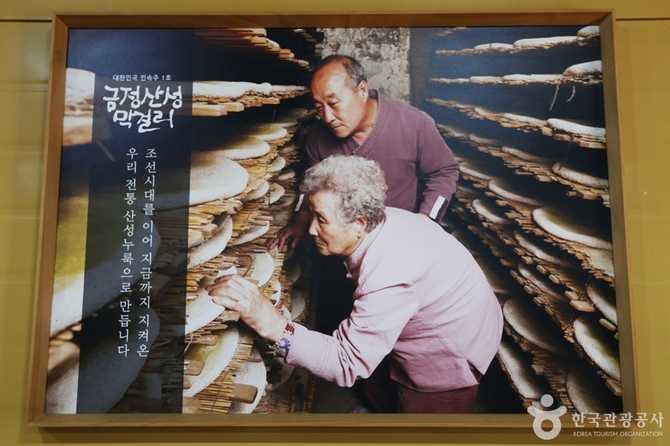
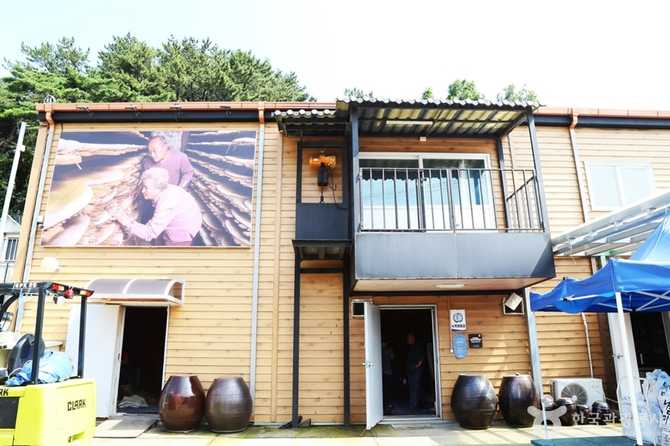
Located at 453 Sansong-ro, Geumjeongsan-gu, Busan, this heritage site offers a rare opportunity to witness Korea’s traditional fermentation craftsmanship. The experience is both educational and sensory, as you immerse yourself in the natural surroundings that have nurtured this ancient craft for over five centuries. Whether you are a culinary professional or a cultural enthusiast, understanding the significance of Geumjeongsanseong Yugane Nuruk enriches your appreciation of Korea’s rich food history and sustainable practices.
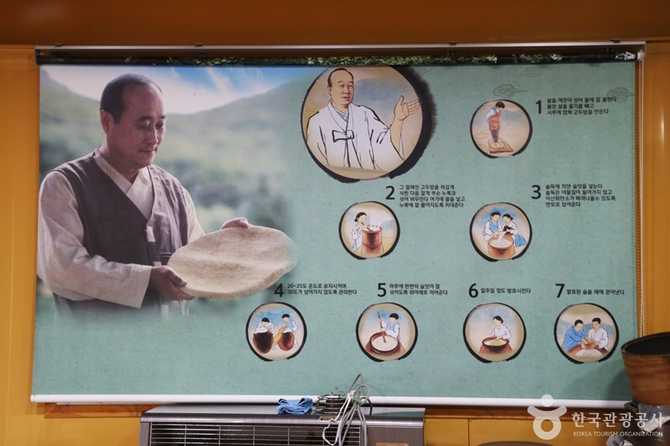
Overview of the History and Tradition of Geumjeongsanseong Yugane Nuruk
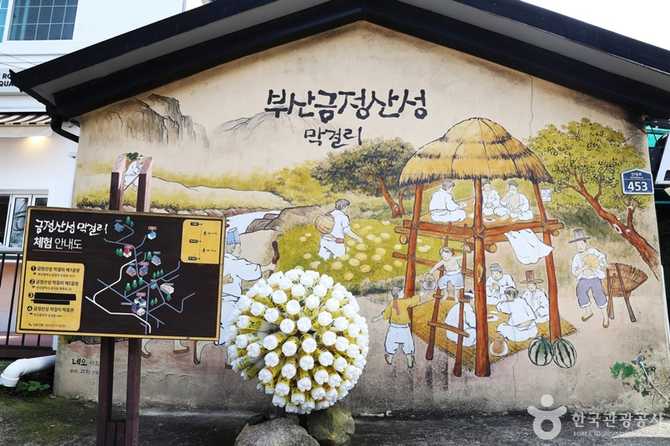
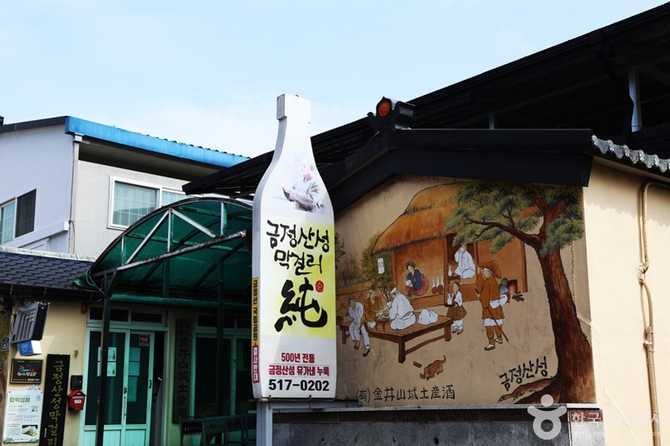
Geumjeongsanseong Yugane Nuruk is a distinguished traditional fermentation starter that embodies over 500 years of Korea’s rich cultural heritage. Located in the scenic region of Geumjeongsanseong in Busan, this nuruk (fermentation starter) has been crafted through generations of craftsmanship, reflecting Korea’s long-standing fermentation techniques. The focus keyword, Geumjeongsanseong Yugane Nuruk, signifies its importance as a cornerstone ingredient in producing authentic Korean rice wine, makgeolli.
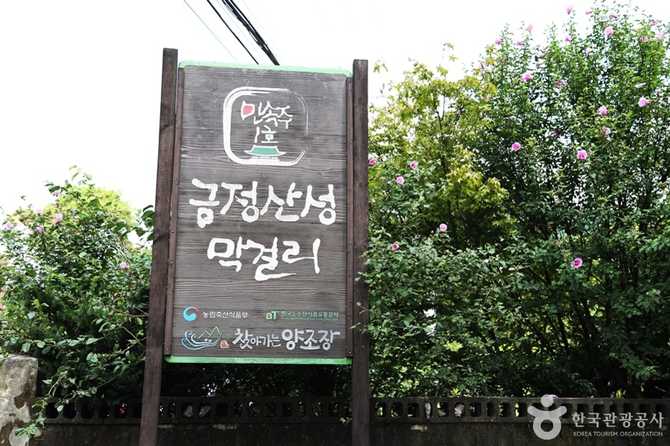
The history of this nuruk traces back to Korea’s Joseon Dynasty, where traditional fermentation methods were meticulously developed and passed down among local artisans. These methods emphasize natural processes, relying on the environment’s purity, such as clean air and water, to produce a high-quality starter. The natural environment of Geumjeongsanseong, with its pristine air and water sources, plays a crucial role in shaping the unique characteristics of this nuruk. This environmental synergy ensures that each batch retains its deep, complex flavor profile, which is highly valued in Korea’s traditional brewing culture.
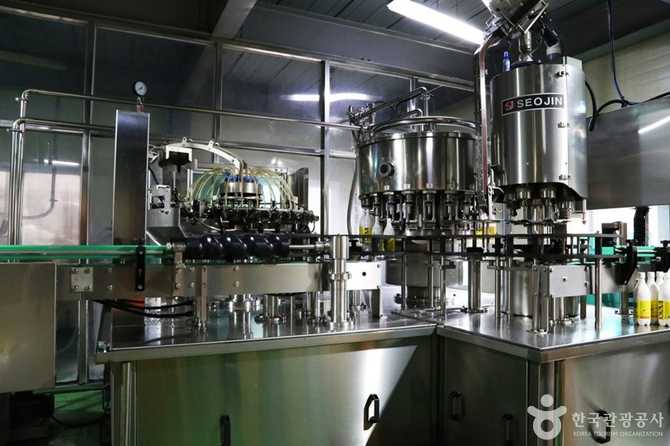
Throughout centuries, the production of Geumjeongsanseong Yugane Nuruk has remained faithful to its roots, utilizing manual techniques that require patience and skill. These include carefully washing, fermenting, and drying the grains, all performed by hand to preserve the integrity of the process. This dedication to tradition not only maintains the authenticity of the flavor but also preserves Korea’s intangible cultural heritage. Today, this nuruk continues to be a vital ingredient for artisans and brewers who aim to produce makgeolli with a depth of flavor that modern industrial processes cannot replicate.
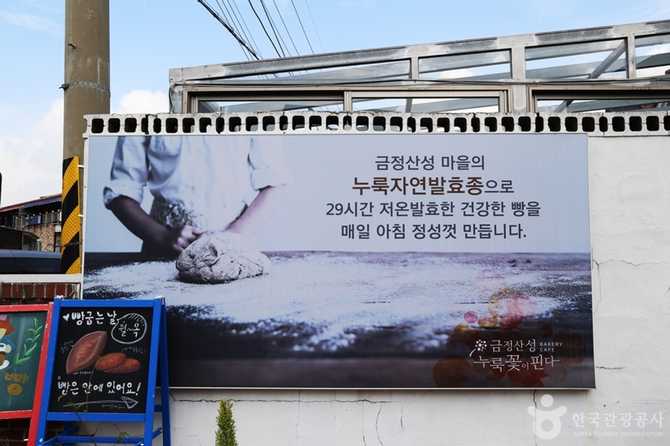
In essence, the Geumjeongsanseong Yugane Nuruk is more than just a fermentation starter; it is a living testament to Korea’s historical craftsmanship, natural environment, and cultural identity. Its enduring legacy ensures that Korea’s traditional brewing techniques are preserved and celebrated, making it a must-know element for anyone interested in Korea’s culinary history and fermented food culture.
Comparison of Traditional and Modern Nuruk Production Methods
| Aspect | Traditional Method | Modern Method |
|---|---|---|
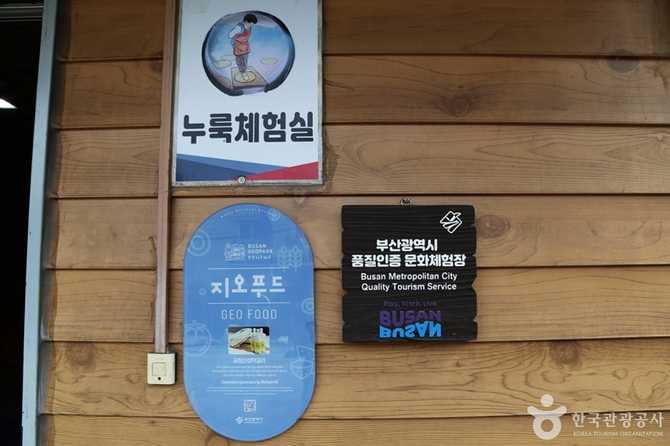
| Production Process | Handcrafted using traditional techniques such as manual kneading and shaping, often involving labor-intensive steps like pressing with fabric and foot stomping. | Utilizes automated machinery for mass production, with controlled environments and mechanized fermentation processes. |
| Fermentation Duration | Approximately 14 days of natural fermentation, allowing flavors to develop slowly and authentically. | Faster fermentation cycles, often within a few days, using temperature and humidity controls. |
| Environmental Conditions | Relies heavily on the natural environment, such as clean air and water, to influence quality and flavor. | Environmental factors are artificially controlled or minimized, with less dependence on natural surroundings. |
| Production Volume | Limited, as it depends on manual labor and environmental conditions, making each batch unique. | High volume and consistent quality, suitable for commercial mass production. |
| Flavor Profile | Deep, complex, and nuanced flavors developed through natural fermentation and traditional techniques. | Smoother and more uniform flavor, often less complex due to faster processing. |
Both methods have their advantages; traditional production preserves Korea’s cultural heritage and results in richer flavors, while modern techniques offer efficiency and consistency. However, for those seeking authentic taste and cultural experience, traditional methods like those used in making Geumjeongsanseong Yugane Nuruk are unparalleled.
Natural Environment and Quality Preservation Checklist
- Location: Ensure the nuruk is produced in areas with pristine natural surroundings, like Geumjeongsanseong, where clean air and water are abundant.
- Water Quality: Use pure, mineral-rich water sources for fermentation to enhance flavor and safety.
- Air Quality: Maintain production in areas with minimal pollution to prevent contamination of the fermentation process.
- Manual Handling: Emphasize handcrafting techniques, such as shaping and drying, to preserve traditional quality.
- Fermentation Conditions: Control temperature and humidity naturally, avoiding artificial climate controls that could alter flavor.
Traditional Techniques and Modern Value of Nuruk
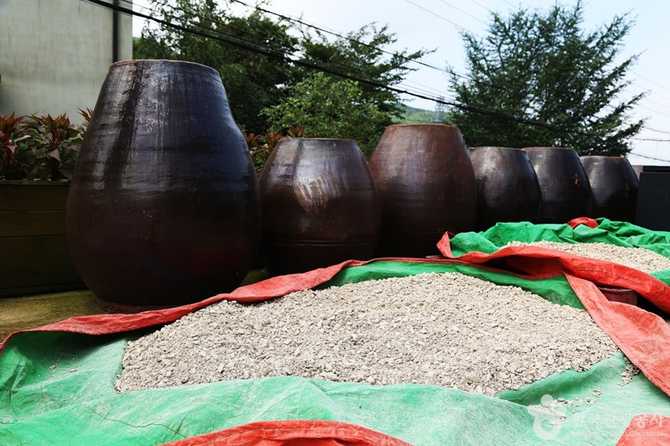
The production of Geumjeongsanseong Yugane Nuruk beautifully exemplifies the harmony between traditional craftsmanship and contemporary quality standards. While the core process remains rooted in age-old methods, modern technology has been integrated to enhance safety, consistency, and scalability without compromising authenticity. This blend ensures that the rich flavors developed through natural fermentation are preserved, while meeting current industry expectations for hygiene and efficiency.
Below is a detailed comparison of traditional and modern nuruk production techniques, highlighting how they complement each other to produce high-quality fermentation starters.
| Aspect | Traditional Techniques | Modern Techniques |
|---|---|---|
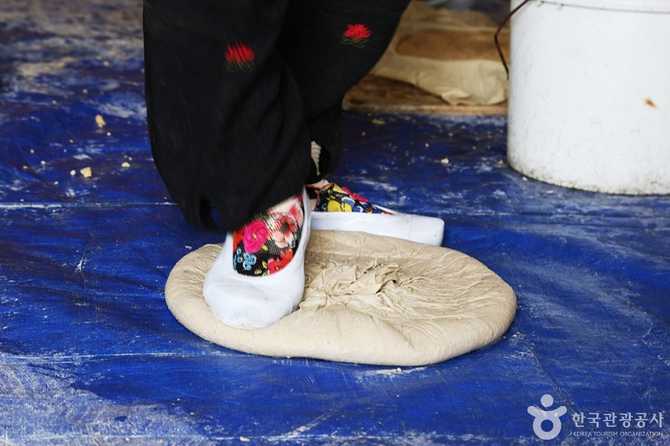
| Handling Method | Hand-shaping and drying using traditional tools like woven cloth and foot stomping for kneading. | Automated shaping, drying, and packaging with machinery to ensure uniformity. |
| Fermentation Control | Relies on natural ambient conditions—air, temperature, and humidity. | Uses temperature and humidity regulation systems for consistent fermentation. |
| Production Volume | Limited batch sizes, emphasizing quality over quantity. | Mass production capabilities for wider distribution. |
| Flavor Development | Deep, complex flavors developed over extended natural fermentation. | Faster flavor development with more uniform taste profiles. |
| Environmental Dependency | Highly dependent on pristine natural surroundings—air and water quality. | Less reliant on natural environment, with controlled conditions to ensure stability. |
Both approaches have their merits. Traditional methods preserve Korea’s culinary heritage and produce richer, more nuanced flavors, while modern techniques offer consistency and scalability suitable for commercial markets. For those passionate about authentic taste, the traditional craftsmanship behind Geumjeongsanseong Yugane Nuruk remains unmatched.
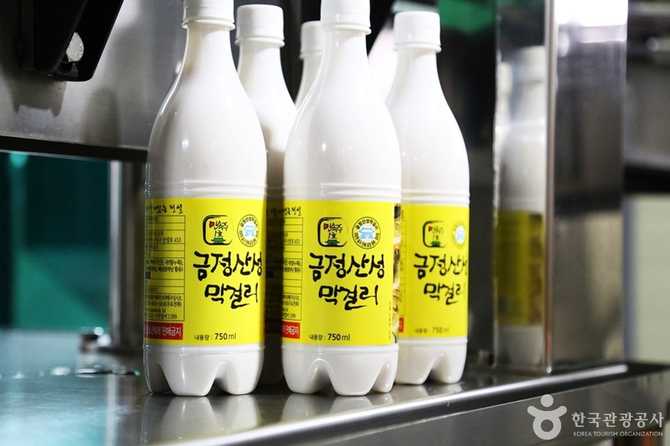
Visiting and Purchasing Guide for Geumjeongsanseong Yugane Nuruk
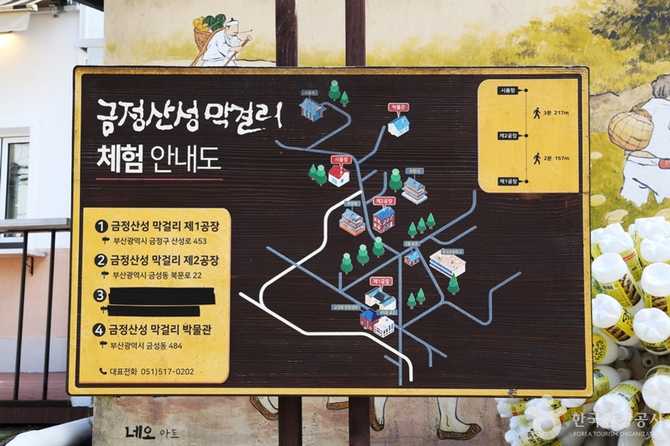
- Location: Visit the production site at 453 Sansong-ro, Geumjeongsan-gu, Busan, where traditional nuruk is crafted amidst Korea’s natural environment.
- Contact: For inquiries or reservations, call 051-583-0222 before your visit.
- Operating Hours: The facility is open from 10:00 AM to 3:00 PM. It is recommended to visit during these hours for the best experience.
- Reservation: Pre-booking is advised, especially during peak seasons or for group visits, to ensure availability.
- Parking & Facilities: Free parking is available on-site. Restrooms are provided for visitors’ convenience.
- What to Bring: Consider bringing a camera to capture the scenic environment, and wear comfortable clothing suitable for walking around the traditional production area.
- Purchasing Tips: Since traditional nuruk is produced using natural fermentation, it is best to buy freshly made products or those that have been properly stored to enjoy optimal flavor.
- Environmental Appreciation: Take time to enjoy the natural surroundings that contribute to the unique qualities of the nuruk, including clean air and water sources.
- Note: Due to the traditional process, production quantities are limited. Early reservations or purchases are recommended to secure your supply.
Whether you visit during the day or evening, Discover the Authentic Korean Traditiona is a meaningful stop on any Seoul itinerary for history-minded travelers.
Frequently Asked Questions (FAQ)
Q1 What is Geumjeongsanseong Yugane Nuruk and how is it made?
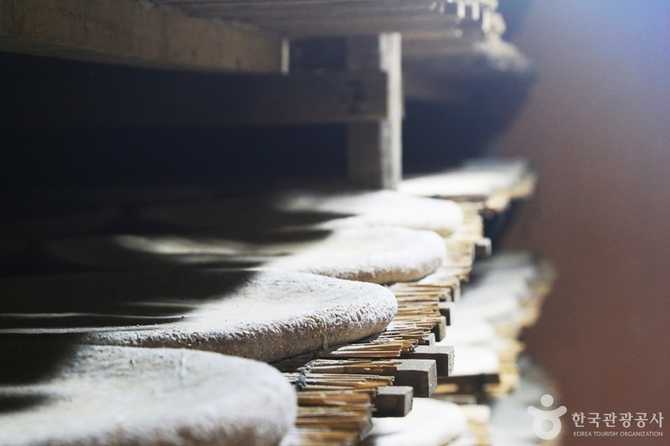
Geumjeongsanseong Yugane Nuruk is a traditional Korean fermentation starter crafted through over 500 years of craftsmanship. It is made by hand, using natural ingredients, and undergoes a 14-day natural fermentation process in a pristine environment, relying on clean air and water.
Q2 What are the key characteristics of authentic Geumjeongsanseong Yugane Nuruk?
This nuruk features deep, complex flavors with a rich aroma resulting from traditional natural fermentation. It is handcrafted with careful attention to detail, reflecting Korea’s cultural heritage and environmental purity.
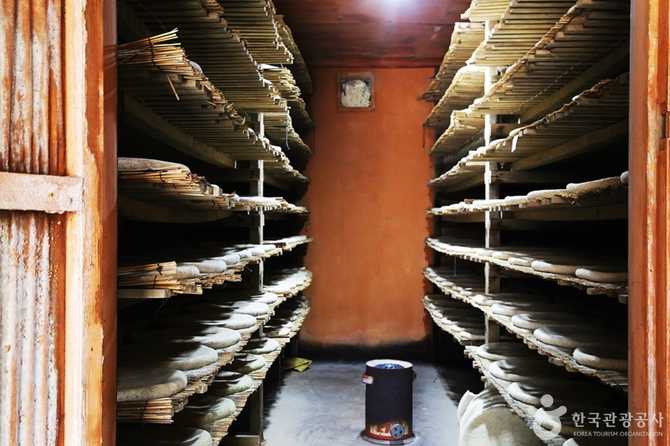
Q3 How long does the fermentation process take for this nuruk?
The natural fermentation process lasts approximately 14 days, during which the nuruk is carefully kept in optimal environmental conditions to develop its characteristic flavors and quality.
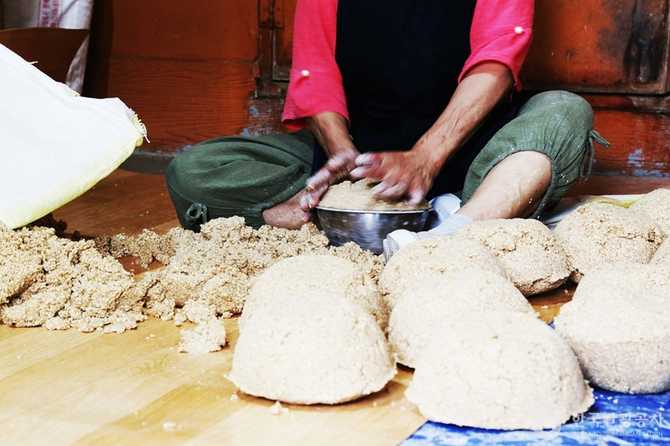
Q4 What environmental factors are important in producing high-quality Geumjeongsanseong Yugane Nuruk?
High-quality nuruk is produced in areas with pristine natural surroundings, utilizing pure water and clean air. These environmental factors are essential to ensure the purity, flavor, and authenticity of the fermentation starter.
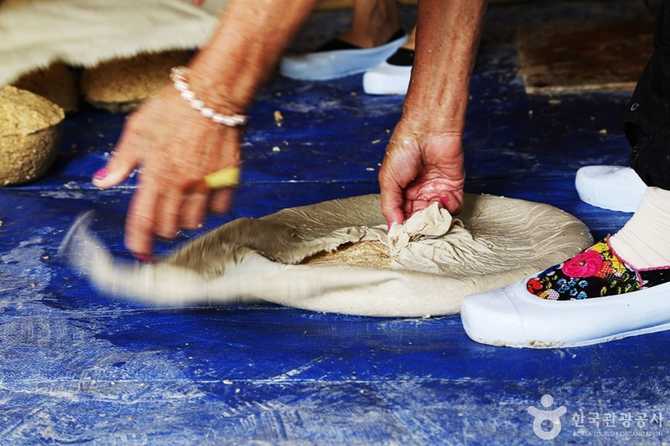
Q5 How does traditional nuruk production differ from modern industrial methods?
Traditional nuruk is handcrafted through manual processes such as shaping and natural fermentation, which can take up to two weeks. Modern methods often use automated machinery for faster, more consistent production, but may lack the depth of flavor found in traditional techniques.
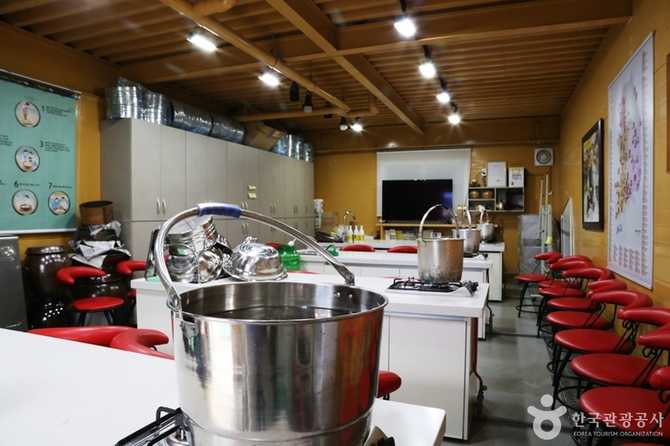
Q6 Can I visit the production site of Geumjeongsanseong Yugane Nuruk?
Yes, the site is located at 453 Sansong-ro, Geumjeongsan-gu, Busan. Visitors are advised to make reservations in advance, as the production follows traditional methods, and the environment emphasizes eco-friendly practices. Facilities include parking and restrooms for visitors.
Final Thoughts on Geumjeongsanseong Yugane Nuruk and Its Cultural Significance
Exploring Geumjeongsanseong Yugane Nuruk offers a rare glimpse into Korea’s rich fermentation heritage, a tradition that has been carefully preserved for over 500 years. This authentic nuruk embodies Korea’s dedication to natural, eco-friendly practices and meticulous craftsmanship, making it a vital ingredient in creating the deep, complex flavors of traditional makgeolli. Whether you are a culinary enthusiast, a cultural traveler, or someone interested in sustainable food practices, understanding the significance of this historic fermentation starter enriches your appreciation of Korea’s culinary arts and cultural identity.
The unique combination of Korea’s natural environment and traditional techniques results in a product that is not only a key to authentic flavor but also a living cultural relic. Visiting the site of Geumjeongsanseong Yugane Nuruk allows you to witness firsthand the careful craftsmanship and natural conditions that contribute to its exceptional quality. It is more than just an ingredient; it is a testament to Korea’s long-standing relationship with nature and its culinary heritage. For those seeking to deepen their understanding of traditional Korean fermentation, this nuruk provides an invaluable experience—an enduring symbol of Korea’s cultural pride and natural craftsmanship.
Incorporating Geumjeongsanseong Yugane Nuruk into your culinary journey means connecting with Korea’s history, respecting its natural environment, and appreciating the artistry behind traditional fermentation. Whether you choose to visit in person or explore its story through culinary pursuits, this historic nuruk remains a precious cultural asset. It stands as a reminder of Korea’s commitment to preserving its heritage, ensuring that future generations can continue to enjoy the authentic tastes and stories that have shaped Korean food culture for centuries.